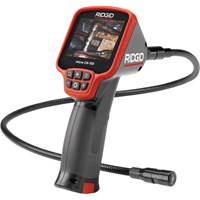
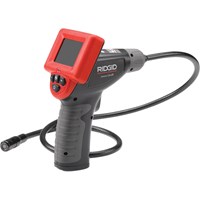
Ridgid Inspection Cameras

Karcher Pressure Washers

Showing 2 results

Ridgid CA-25 SeeSnake Inspection Camera

£148.95

in stock

Showing 2 results

Loading Loading...

End of content

Error - No more pages to load

Ridgid Inspection Cameras at Tooled-Up.com

Ridgid has established itself as a leading name in professional inspection technology, delivering robust and reliable inspection cameras that meet the demanding requirements of UK tradespeople and industry professionals. The Ridgid inspection camera range combines rugged construction with advanced imaging technology, enabling users to access and inspect confined, hard-to-reach areas with exceptional clarity and precision. From plumbing diagnostics to electrical conduit inspections, these tools provide visual access where traditional inspection methods fall short.

Designed specifically for the challenges faced on UK job sites, Ridgid inspection cameras feature durable components built to withstand the rigours of daily professional use. Whether navigating through drainage systems, investigating wall cavities, or examining HVAC installations, these cameras deliver consistent performance in harsh environments. Tooled-Up stocks a comprehensive selection of Ridgid inspection equipment, providing tradespeople with access to professional-grade diagnostic tools that enhance efficiency and accuracy across multiple applications.

The integration of high-resolution imaging sensors, adjustable LED lighting, and flexible camera heads makes Ridgid inspection cameras indispensable for modern diagnostic work. These features enable detailed visual assessments in low-light conditions and confined spaces, helping professionals identify issues quickly and provide accurate quotes without unnecessary exploratory work.

Why Choose Ridgid Inspection Cameras?

Ridgid's reputation for manufacturing dependable professional tools extends deeply into their inspection camera range. Built with the same commitment to durability that defines the brand, these cameras feature waterproof and impact-resistant construction that protects sensitive electronics from the demanding conditions encountered during pipe inspections, building surveys, and mechanical diagnostics. The robust design philosophy ensures these tools continue functioning reliably even after exposure to moisture, dust, and accidental impacts.

Innovation sits at the heart of Ridgid's inspection technology. The brand consistently integrates user-focused features such as self-levelling camera heads, which automatically orient images for easier interpretation, and adjustable LED brightness controls that adapt to varying lighting conditions within inspection environments. Recording and image capture capabilities enable professionals to document findings for client reports, insurance claims, or quality assurance purposes, adding substantial value beyond simple visual inspection.

The modular design approach adopted by Ridgid allows for interchangeable camera heads and cables of varying lengths, providing versatility across different inspection scenarios. This adaptability means a single Ridgid system can handle both shallow cavity inspections and deep pipe investigations, delivering excellent value for professionals who require comprehensive inspection capabilities without investing in multiple dedicated systems.

Who Uses Ridgid Inspection Cameras?

  • Plumbing and Drainage Specialists: For inspecting pipework, identifying blockages, and assessing drain condition without excavation
  • Electricians: Examining conduit runs, locating cables, and verifying installations within walls and ceiling voids
  • HVAC Engineers: Inspecting ductwork, ventilation systems, and assessing cleanliness of air handling equipment
  • Building Surveyors: Investigating structural concerns, cavity wall conditions, and hidden defects during property assessments
  • Automotive Mechanics: Examining engine internals, inspecting cylinder bores, and diagnosing issues in inaccessible areas
  • Maintenance Engineers: Conducting preventative inspections of machinery, equipment housings, and industrial installations
  • Construction Professionals: Verifying installation quality, locating services, and conducting pre-completion inspections
  • Property Maintenance Teams: Investigating tenant reports, assessing repair requirements, and documenting property conditions

Key Features of Ridgid Inspection Cameras

Ridgid inspection cameras incorporate several distinctive features that enhance their functionality and user experience. High-resolution colour displays provide clear, detailed images that enable accurate identification of defects, blockages, and installation issues. The screens are designed for visibility in bright outdoor conditions as well as dimly lit indoor environments, ensuring consistent usability across varied work settings.

Flexible yet rigid push cables strike an optimal balance between manoeuvrability and control. The cables navigate bends and obstacles whilst maintaining sufficient rigidity to push through typical drainage debris and reach distant inspection points. Cable length options ranging from compact units for shallow inspections to extended systems for deep pipe runs provide solutions for diverse professional requirements.

Advanced Ridgid models feature built-in locating technology that transmits a signal enabling users to pinpoint the camera head's precise location from above ground. This capability proves invaluable when identifying exact excavation points for repairs or confirming the location of blockages within concealed pipework. Recording functionality, including video capture and still image storage, allows professionals to maintain comprehensive visual documentation of inspection findings.

Waterproof camera heads with IP67 or IP68 ratings ensure reliable operation in wet conditions, whilst integrated LED arrays with adjustable brightness illuminate inspection areas effectively. Self-levelling camera heads automatically rotate to maintain correct image orientation, eliminating the confusion often associated with inverted or sideways footage during cable rotation.

Popular Ridgid Inspection Cameras

The Ridgid inspection camera range available from Tooled-Up.com encompasses several product lines tailored to different professional requirements and budget considerations. The micro inspection camera systems offer compact, portable solutions ideal for quick diagnostic checks and confined space inspections where larger equipment proves impractical. These lightweight units provide excellent image quality whilst remaining highly manoeuvrable and easy to transport between job sites.

Professional reel systems represent the flagship of Ridgid's inspection technology, featuring extended cable lengths, robust construction, and comprehensive recording capabilities. These systems suit drainage specialists and plumbing contractors who regularly conduct extensive pipe inspections and require dependable performance day after day. Intermediate models balance portability with capability, offering sufficient cable length and features for general trade applications without the bulk of full professional reel systems.

Monitor systems with larger display screens benefit users who require enhanced visibility or need to share inspection footage with clients or colleagues on-site. Wireless connectivity options in select models enable remote viewing on tablets or smartphones, facilitating collaborative diagnostics and client communication during inspections.

Safety and Compliance

When operating Ridgid inspection cameras, users should observe appropriate safety protocols to protect both personnel and equipment. Inspection cameras designed for pipe and drainage work should never be used in live electrical environments unless specifically rated for such applications. Always ensure power sources are properly isolated before inserting inspection equipment into electrical conduits or junction boxes.

Camera cables should be thoroughly cleaned after exposure to sewage, chemical waste, or contaminated water to prevent cross-contamination and maintain hygiene standards in accordance with HSE guidelines. Waterproof ratings indicate the level of moisture exposure equipment can withstand, but regular inspection of seals and housings helps maintain this protection throughout the tool's service life.

Ridgid equipment conforms to relevant UK and European standards for electronic equipment safety and electromagnetic compatibility. Users should familiarise themselves with operating instructions specific to their model, particularly regarding battery charging procedures, cable handling, and proper storage practices that preserve equipment longevity and reliability.

Frequently Asked Questions

What cable lengths are available in Ridgid inspection camera systems?

Ridgid offers inspection cameras with cable lengths ranging from approximately 1 metre for compact handheld units up to 40 metres or more for professional reel systems. The appropriate cable length depends on your typical inspection requirements, with drainage specialists generally requiring longer cables whilst electricians and general contractors often find shorter, more portable systems sufficient for cavity and conduit inspections.

Can Ridgid inspection cameras record video and capture still images?

Many Ridgid inspection camera models feature integrated recording capabilities, allowing users to capture both video footage and still images during inspections. Recordings are typically stored on removable SD cards or internal memory, enabling easy transfer to computers for report generation, client documentation, or quality assurance records. Check specific model specifications for recording capabilities and storage capacity.

Are Ridgid inspection cameras suitable for drain and sewer inspections?

Yes, Ridgid manufactures inspection cameras specifically designed for drainage applications, featuring waterproof camera heads with appropriate IP ratings, durable push cables that navigate pipe bends, and sufficient LED illumination for clear imaging in dark pipework. These systems handle typical drainage conditions including water immersion and contamination, making them ideal for plumbing professionals conducting pipe assessments and blockage investigations.

How do self-levelling camera heads work on Ridgid inspection cameras?

Self-levelling camera heads incorporate internal mechanisms that automatically rotate the camera sensor to maintain upright image orientation regardless of the camera head's physical position. As the push cable twists during navigation through pipes or cavities, the self-levelling function keeps the displayed image correctly oriented, eliminating viewer confusion and making it easier to interpret what you're seeing during inspections.

What maintenance do Ridgid inspection cameras require?

Regular maintenance includes cleaning camera heads and cables after each use, particularly following exposure to contaminated environments. Inspect seals and protective housings periodically for damage that might compromise waterproof ratings. Store equipment with cables properly coiled to prevent kinking, and ensure batteries are charged according to manufacturer guidelines. Ridgid recommends periodic calibration and service for professional systems subjected to heavy daily use to maintain optimal performance and reliability.

↑ TOP

Your Basket

£0.00 - 0 items