
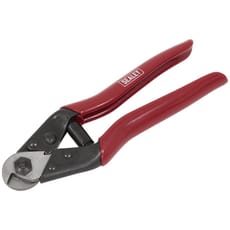
Sealey Wire Cutters

Loading...
End of content
Error - No more pages to load
Sealey Wire Cutters at Tooled-Up.com
Sealey has established itself as one of the UK's most trusted names in professional hand tools, and their wire cutters exemplify the brand's commitment to quality, durability and value. The Sealey wire cutter range available from Tooled-Up.com encompasses everything from compact side cutters for precision electronics work to heavy-duty cable cutters capable of handling armoured cables and thick gauge wire. Each tool is engineered to deliver clean, accurate cuts whilst standing up to the rigours of daily professional use on site or in the workshop.
What sets Sealey wire cutters apart is their thoughtful design that balances cutting power with user comfort. The range includes tools with ergonomically shaped handles, precisely hardened cutting edges, and robust construction that professionals rely on day after day. Whether you're an electrician stripping cables, a mechanic working on automotive wiring, or a maintenance engineer dealing with industrial equipment, Tooled-Up stocks Sealey wire cutters engineered to meet the specific demands of your trade.
From compact diagonal cutters that slip easily into a tool belt to ratchet-action cable cutters that multiply cutting force for tackling heavy-duty applications, the Sealey selection at Tooled-Up.com provides solutions for every wire cutting requirement. Many models feature induction-hardened cutting edges for extended blade life, whilst comfort-grip handles reduce hand fatigue during repetitive cutting tasks.
Why Choose Sealey Wire Cutters?
Sealey's reputation in the UK tools market has been built on decades of delivering professional-grade equipment that tradespeople can depend on. Their wire cutters embody the company's philosophy of combining quality manufacturing with competitive pricing, making them an intelligent choice for professionals who refuse to compromise on tool performance but appreciate genuine value for money.
The cutting edges on Sealey wire cutters are precision-ground and heat-treated to maintain sharpness even after thousands of cuts. This attention to metallurgy means cleaner cuts, less deformation of wire ends, and fewer tool replacements over the working life of each cutter. Many Sealey models incorporate features such as return springs for reduced hand strain, safety catches to prevent accidental opening during transport, and replaceable cutting heads that extend tool lifespan whilst reducing long-term costs.
Sealey's extensive research and development ensures their wire cutters keep pace with evolving industry requirements. Modern cable compositions, stricter safety standards, and the increasing demand for precision in electrical installations have all influenced the design of current Sealey wire cutting tools. The brand's commitment to continuous improvement means professionals investing in Sealey equipment are choosing tools designed for contemporary applications, not outdated designs repackaged for modern markets.
Who Uses Sealey Wire Cutters?
Sealey wire cutters serve an extensive range of trades and professional applications:
- Electricians and electrical contractors – for cutting and stripping cables during installations, rewiring projects, and maintenance work
- Automotive technicians and mechanics – handling vehicle wiring looms, battery cables, and electrical repairs
- Electronics engineers and technicians – precision cutting of component leads and fine gauge wire
- Maintenance engineers – dealing with machinery wiring, control panels, and industrial electrical systems
- Telecommunications engineers – cutting telephone cables, data cables, and fibre optic housings
- Fencing contractors – cutting wire fencing materials and tensioning wires
- HVAC installers – working with control wiring and electrical connections in heating and cooling systems
- DIY enthusiasts – home electrical projects, hobby electronics, and general workshop applications
- Industrial facilities managers – maintaining electrical infrastructure and equipment
Key Features of Sealey Wire Cutters
Sealey wire cutters incorporate numerous features that distinguish them from budget alternatives:
Hardened Cutting Edges: High-carbon steel blades undergo precision heat treatment to achieve optimal hardness, ensuring they maintain sharpness through extended use whilst resisting chipping and deformation when cutting harder wire materials.
Ergonomic Handle Design: Contoured grips with cushioned surfaces reduce pressure points and hand fatigue, particularly important during repetitive cutting operations or extended work periods.
Precision Ground Blades: Carefully aligned cutting surfaces ensure clean cuts without crushing or deforming wire, which is essential for maintaining proper electrical connections and professional finish quality.
Compound Leverage Systems: Many Sealey cable cutters feature ratchet or compound leverage mechanisms that multiply user input force, making it possible to cut through substantial cable gauges with minimal physical effort.
Corrosion-Resistant Finishes: Protective coatings and carefully selected materials resist rust and corrosion, ensuring reliable performance even in challenging environments such as outdoor installations or marine applications.
Spring-Loaded Mechanisms: Automatic handle return springs speed up repetitive cutting tasks whilst reducing hand strain, improving productivity on large installation projects.
Popular Sealey Wire Cutters
The Sealey wire cutter range encompasses several distinct tool types, each optimised for specific applications:
Diagonal Side Cutters: These compact cutters are the workhorse of electrical work, perfect for cutting cables to length, trimming component leads, and accessing confined spaces. Available in various sizes from precision mini cutters for electronics work to robust professional models for heavier gauge wire.
End Cutting Nippers: Designed for flush cutting applications where wire needs to be trimmed extremely close to a surface, these are invaluable for neat finishing work and component lead trimming on circuit boards.
Cable Cutters: Heavy-duty tools featuring ratchet action or compound leverage systems, specifically engineered for cutting armoured cable, steel wire rope, and thick gauge electrical conductors cleanly and safely.
Combination Wire Strippers: Multi-function tools that not only cut wire but also strip insulation at various gauge sizes, streamlining cable preparation work and reducing the number of tools required on site.
Aviation Snips: Whilst primarily for sheet metal work, these versatile cutters also excel at cutting wire mesh, cable ties, and flexible conduit, making them useful additions to any electrician's toolkit.
Safety and Compliance
Sealey manufactures wire cutters in accordance with relevant British and European safety standards, ensuring they meet the stringent requirements for professional hand tools used in UK workplaces. When working with wire cutters, proper safety practices remain essential regardless of tool quality.
Always wear appropriate eye protection when cutting wire, as cut ends can fly unpredictably and cause serious eye injuries. When working with electrical cables, ensure circuits are properly isolated and tested dead before cutting – wire cutters are hand tools, not insulated for live working unless specifically rated and certified for such use. Check manufacturer specifications carefully before using any cutter near energised conductors.
Select the appropriate cutter for the wire gauge and material being cut. Forcing undersized cutters through wire beyond their rated capacity risks blade damage, tool failure, and potential injury. Sealey provides clear capacity ratings for each tool – observe these limits to maintain both safety and tool longevity.
Regular maintenance extends tool life and maintains safety. Keep cutting edges clean and lightly oiled to prevent corrosion. Inspect blades periodically for chips, cracks, or excessive wear, replacing damaged tools before they fail during use. Store cutters properly with safety catches engaged where fitted, protecting both the tools and anyone handling them.
Frequently Asked Questions
What wire gauge can Sealey wire cutters handle?
This varies by model, with compact side cutters typically rated for wire up to 2-3mm diameter, whilst heavy-duty cable cutters can handle armoured cables and conductors up to 32mm diameter or more. Always check the specific capacity rating marked on each tool or in its documentation to ensure you're using the appropriate cutter for your application.
Are Sealey wire cutters suitable for cutting steel wire?
Many Sealey wire cutters can cut mild steel wire within their rated capacity, but hardness matters as much as diameter. Piano wire, spring steel, and hardened wire require specialist cutters with appropriately hardened blades. For general steel wire, fencing wire, and similar materials, standard Sealey cable cutters perform excellently within their specified gauge limits.
How do I maintain my Sealey wire cutters?
Keep blades clean and dry, wiping them after use and applying a light coating of oil to prevent rust. Check pivot points periodically and apply a drop of light machine oil if movement becomes stiff. Never use wire cutters as prying tools or for purposes beyond their design. Store in a dry location, and inspect regularly for blade damage or wear. Damaged cutters should be replaced rather than repaired for safety reasons.
What's the difference between side cutters and cable cutters?
Side cutters (diagonal cutters) have a compact head design with cutting edges meeting at an angle, ideal for general wire cutting and working in confined spaces. Cable cutters feature much longer handles and often incorporate leverage-multiplying mechanisms, designed specifically for cutting heavy gauge cables and conductors that would damage standard side cutters. Choose based on the maximum cable size you'll regularly encounter.
Can I use Sealey wire cutters on live electrical circuits?
Standard Sealey wire cutters are hand tools not rated for live working. Only use cutters specifically certified and marked as insulated to the appropriate voltage rating for live work, and only if you hold relevant qualifications and authorisations. For standard electrical installation and maintenance work, always isolate circuits, test to confirm they're dead, and then cut cables safely using appropriate tools.