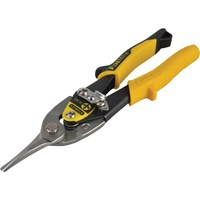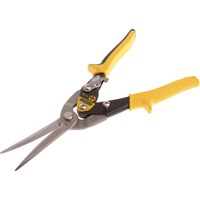
Stanley Aviation Snips

Showing 4 results

Stanley FatMax Aviation Snips

5 types from £12.95

in stock

Stanley FatMax Ergo Aviation Snips

3 types £23.95

in stock

Stanley Long Cut Aviation Snips

£22.95

in stock

Stanley Aviation Snips and Holster

£18.95

in stock

Showing 4 results

Loading Loading...

End of content

Error - No more pages to load

Stanley Aviation Snips at Tooled-Up.com

Stanley has been a trusted name in hand tools for over 175 years, and their aviation snips continue this legacy of quality and durability. Designed for precision cutting of sheet metal, these professional-grade tools combine ergonomic design with hardened cutting edges to deliver clean, accurate cuts in materials up to 1.2mm thick. Whether you're working with aluminium, vinyl siding, or mild steel, Stanley aviation snips provide the control and cutting power that professionals demand.

The Stanley aviation snips range available from Tooled-Up.com represents the brand's commitment to manufacturing tools that withstand the rigours of daily professional use. Featuring forged steel construction and precision-ground blades, these snips are engineered to maintain their cutting edge even after thousands of cuts. The colour-coded handles make it easy to identify left-cut, right-cut, and straight-cut models at a glance, whilst the cushioned grips reduce hand fatigue during extended use.

Each pair of Stanley aviation snips incorporates design features that set them apart from generic alternatives. The compound leverage mechanism multiplies cutting force, allowing users to cut through tougher materials with less hand strain. Non-slip handles provide secure grip even when working with gloves, and the serrated cutting edges prevent material from slipping during the cutting action.

Why Choose Stanley Aviation Snips?

Stanley's reputation for manufacturing reliable, long-lasting tools makes their aviation snips a sound investment for professionals and serious DIY enthusiasts alike. The brand's stringent quality control processes ensure that every pair of snips meets exacting standards before leaving the factory. Unlike cheaper alternatives that may develop blade misalignment or loose pivot points after minimal use, Stanley aviation snips are built to maintain their precision over years of demanding service.

The heat-treated cutting blades resist wear and chipping, maintaining their sharpness far longer than competitor products. This means fewer blade resharpening requirements and more consistent cutting performance throughout the tool's lifespan. Stanley's attention to ergonomic design also reduces the risk of repetitive strain injuries, with handle shapes and grip materials specifically chosen to minimise hand and wrist fatigue during prolonged cutting sessions.

Stanley backs their aviation snips with comprehensive warranties, demonstrating confidence in their product durability. This commitment to customer satisfaction, combined with widespread availability of replacement parts, ensures that Tooled-Up customers can rely on their Stanley snips for the long term.

Who Uses Stanley Aviation Snips?

  • Roofers and Cladding Specialists - cutting and shaping metal flashing, guttering, and roofing materials
  • HVAC Engineers - fabricating and installing ductwork and ventilation systems
  • Sheet Metal Workers - precision cutting of various gauge metals for custom fabrication
  • Automotive Body Repair Technicians - trimming and shaping replacement panels
  • Electricians - cutting metal conduit, trunking, and cable tray
  • Plumbers - working with metal flashing and protective plates
  • Shopfitters and Joiners - cutting metal trim and architectural details
  • Home Improvement Enthusiasts - tackling DIY projects involving sheet metal work

Key Features of Stanley Aviation Snips

Forged Steel Construction: The blades and handles are manufactured from high-quality forged steel, providing exceptional strength and rigidity that prevents flexing during cutting operations.

Compound Leverage Design: The intelligent pivot mechanism multiplies hand force, enabling users to cut through tougher materials with significantly less effort compared to standard snips.

Precision Ground Blades: Each cutting edge is carefully ground to exacting tolerances, ensuring clean cuts without material distortion or rough edges that require additional finishing work.

Serrated Lower Blade: The serrated cutting surface grips material firmly, preventing slippage during the cutting stroke and delivering more accurate results.

Colour-Coded Handles: Industry-standard colour coding (green for straight, red for left, yellow for right) allows instant identification of the correct tool for the cutting direction required.

Ergonomic Grip Design: Cushioned, non-slip handles are shaped to fit naturally in the hand, distributing pressure evenly and reducing fatigue during extended use on site.

Durable Pivot Mechanism: Heavy-duty pivot bolts maintain precise blade alignment even after thousands of cutting cycles, ensuring consistent performance throughout the tool's service life.

Popular Stanley Aviation Snips

The Stanley aviation snips collection at Tooled-Up includes models suited to various cutting applications and material types. The straight-cut aviation snips are ideal for cutting straight lines and gentle curves in sheet metal, vinyl siding, and other thin materials. These versatile tools are essential for general-purpose metalwork and are often the first choice for tradespeople building their toolkit.

Left-cutting aviation snips feature offset blades designed specifically for cutting tight left-hand curves and circular openings. The blade configuration provides excellent visibility of the cutting line whilst keeping hands clear of the material edge. Similarly, right-cutting models mirror this design for clockwise curves and right-hand cutting applications.

Stanley also produces compound action aviation snips with extended handles for maximum leverage, ideal for cutting heavier gauge materials or when working in awkward positions where full hand strength cannot be applied. These heavy-duty models are particularly popular with HVAC engineers and sheet metal fabricators who regularly work with tougher materials.

Safety and Compliance

When using Stanley aviation snips, always wear appropriate personal protective equipment including safety glasses to protect against metal fragments, and work gloves to prevent cuts from sharp metal edges. The cutting action can create sharp burrs on material edges, so handle freshly cut pieces with care and deburr edges before handling extensively.

Ensure blades are kept sharp and properly aligned, as dull or misaligned blades require excessive force and may slip, potentially causing injury. Store aviation snips with blade guards or in tool pouches to protect the cutting edges and prevent accidental cuts when reaching into toolboxes.

Stanley aviation snips comply with relevant UK and European safety standards for hand tools. Regular inspection of the pivot mechanism and handles helps identify wear before it compromises tool performance or safety. Replace snips showing signs of significant wear, blade damage, or handle deterioration to maintain safe working conditions.

Frequently Asked Questions

What thickness of material can Stanley aviation snips cut?

Stanley aviation snips are typically rated for cutting mild steel up to 1.2mm (18 gauge), stainless steel up to 0.7mm (23 gauge), and aluminium up to 1.5mm (16 gauge). Cutting capacity varies by model and material hardness, so always check the specific product specifications.

How do I know which colour-coded snips I need?

Green-handled snips cut straight lines and gentle curves, red-handled models cut left-hand curves (anticlockwise), and yellow-handled snips cut right-hand curves (clockwise). For general work, start with straight-cut snips, then add left and right variants as your cutting requirements demand.

Can Stanley aviation snips cut hardened steel or thick gauge metal?

Aviation snips are designed for thin to medium gauge soft metals. They should not be used on hardened steel, wire, or materials exceeding the manufacturer's specified thickness rating, as this will damage the cutting edges and may cause the blades to chip or break.

How do I maintain my Stanley aviation snips?

Keep the pivot mechanism clean and lightly oiled to ensure smooth operation. Wipe blades clean after use to prevent rust formation. If cutting performance deteriorates, have the blades professionally sharpened rather than attempting DIY sharpening, which may alter the blade geometry and compromise cutting performance.

What's the difference between aviation snips and standard tin snips?

Aviation snips feature compound leverage mechanisms that provide greater cutting force with less hand effort, making them more comfortable for extended use. They also offer superior manoeuvrability for cutting curves and intricate shapes, whilst standard tin snips are better suited to straight cuts in lighter materials.

↑ TOP

Your Basket

£0.00 - 0 items