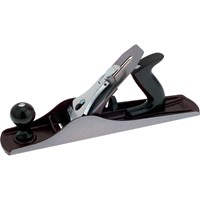
Stanley Handyman Planes
Loading...
End of content
Error - No more pages to load
Stanley Handyman Planes at Tooled-Up.com
Stanley has been synonymous with quality hand tools since 1843, and their Handyman plane range represents exceptional value for money without compromising on performance. These versatile woodworking planes combine Stanley's renowned engineering heritage with practical design features that make them ideal for both enthusiastic DIYers and professional tradespeople who need reliable tools for everyday tasks. The Handyman series bridges the gap between entry-level and premium planes, offering cast iron construction and precision-ground bases at an accessible price point.
The Stanley Handyman planes available from Tooled-Up.com are designed to handle a wide variety of timber preparation tasks, from smoothing rough-sawn boards to fine finishing work on joinery projects. Each plane in the Handyman range features Stanley's signature blue paint finish and incorporates design elements proven over generations of continuous refinement. Whether you're fitting doors, preparing floorboards, or crafting bespoke furniture, these planes deliver consistent results with proper setup and maintenance.
Built to withstand the rigours of both workshop and site work, Stanley Handyman planes feature robust construction with cast iron bodies that resist flexing during use. The range typically includes bench planes in various sizes, each suited to specific applications from rough stock removal to fine surface finishing. These tools represent Stanley's commitment to making traditional hand tool craftsmanship accessible to modern users who appreciate the control and satisfaction that manual planing provides.
Why Choose Stanley Handyman Planes?
Stanley's reputation as a pioneer in hand tool manufacturing spans nearly two centuries, and the Handyman range embodies this accumulated expertise. These planes offer genuine cast iron construction rather than pressed steel alternatives, providing the weight and stability necessary for effective planing. The precision-ground sole ensures flatness straight from the box, minimising the setup time required before putting the tool to work. Stanley's quality control processes mean that even their value-oriented Handyman range maintains standards that many competitors struggle to match at similar price points.
The Handyman series specifically addresses the needs of users who require dependable performance without the premium pricing of collector-grade tools. The blade assemblies feature hardened and tempered steel cutters that hold an edge well through demanding work, whilst remaining straightforward to sharpen using conventional methods. The comfortable handles and knobs are ergonomically designed to reduce fatigue during extended use, and the depth adjustment mechanisms provide smooth, predictable control over cutting depth. For tradespeople who need backup tools or apprentices building their first toolkit, Stanley Handyman planes represent an intelligent investment.
Who Uses Stanley Handyman Planes?
Stanley Handyman planes are chosen by a diverse range of users across the woodworking spectrum:
- Carpenters and joiners who need reliable bench planes for site work and workshop preparation
- Cabinet makers and furniture makers using hand planes for detail work and final finishing
- Property maintenance professionals fitting doors, windows, and architectural joinery
- Shopfitters and interior specialists requiring precise timber preparation for bespoke installations
- DIY enthusiasts and home improvers tackling renovation projects and woodworking hobbies
- Apprentices and students in construction and joinery programmes building essential tool collections
- Set builders and theatrical carpenters who need versatile tools for varied projects
- Boat builders and restoration specialists working with traditional timber construction methods
Key Features of Stanley Handyman Planes
Stanley Handyman planes incorporate several distinctive features that enhance their performance and usability. The cast iron body construction provides essential mass and rigidity, ensuring the plane remains stable during use and doesn't chatter across the workpiece. The precision-ground base comes flat within tight tolerances, creating the foundation for accurate planing results. The frog adjustment system allows users to fine-tune the blade angle and throat opening to suit different timber types and planing tasks.
The blade assembly features a quality steel cutter paired with a sturdy cap iron that effectively breaks shavings and prevents tearout when properly set. The lateral adjustment lever enables quick corrections to blade alignment, ensuring even cutting across the full width of the sole. The depth adjustment knob provides smooth, incremental control over how much material the plane removes with each pass. Comfortable wooden handles and knobs are securely mounted and shaped to provide excellent grip and control throughout the planing stroke.
The distinctive blue enamel finish not only provides corrosion resistance but also makes Stanley planes instantly recognisable on any workbench. All adjustment mechanisms are manufactured to fine tolerances, ensuring smooth operation and minimal backlash. The designs have been refined over decades to eliminate common failure points, resulting in tools that can provide years of reliable service when maintained properly.
Popular Stanley Handyman Planes
The Stanley Handyman range typically includes several classic bench plane sizes, each optimised for specific applications. The No. 4 smoothing plane remains the most versatile option, with its 50mm cutter and 250mm length making it suitable for general-purpose work from rough dimensioning to fine finishing. The No. 5 jack plane offers a longer sole for truing longer boards and removing material efficiently, whilst still being manoeuvrable enough for varied tasks. For users requiring a compact plane for smaller work or confined spaces, the No. 3 smooth plane provides excellent control in a shorter format.
Each plane size in the Handyman range maintains the same construction quality and feature set, allowing users to build a coordinated toolkit that shares maintenance procedures and adjustment techniques. The range provides excellent value when compared to premium hand plane offerings, making it possible to equip a workshop with multiple plane sizes without excessive investment. Browse the Stanley selection at Tooled-Up to find the Handyman plane best suited to your specific woodworking requirements.
Safety and Compliance
Whilst hand planes don't require electrical safety considerations, proper usage technique is essential for safe operation. Always plane with the workpiece securely clamped or held in a vice to prevent movement that could cause the tool to slip. Keep fingers well clear of the cutting edge, and always plane away from your body. The blade should be kept sharp, as dull cutters require excessive force and are more likely to catch or slip unexpectedly. When adjusting or sharpening the blade, always handle it carefully and store it safely when not installed in the plane.
Store Stanley Handyman planes in a dry environment to prevent rust formation on the cast iron surfaces. A light coating of tool oil on unpainted metal surfaces provides additional protection during storage. Retract the blade fully when the plane isn't in use to protect the cutting edge. When working with treated timbers or exotic hardwoods, be aware of potential dust hazards and use appropriate respiratory protection in accordance with HSE guidelines and COSHH regulations. Regular maintenance including cleaning, lubrication of adjustment mechanisms, and periodic flattening of the sole ensures continued safe operation.
Frequently Asked Questions
What's the difference between Stanley Handyman planes and their premium Bailey range?
Stanley Handyman planes offer excellent value whilst maintaining cast iron construction and functional design features. The Bailey range typically features enhanced finish quality, tighter manufacturing tolerances, and premium materials in components like the blade steel. For most users, Handyman planes provide all the performance needed for professional results, whilst Bailey planes appeal to those seeking the finest possible tool feel and collector-grade quality.
Do Stanley Handyman planes require flattening before use?
Stanley Handyman planes are manufactured with precision-ground soles that are generally flat enough for immediate use. However, serious woodworkers often prefer to flatten the sole further using abrasive paper on a reference surface, particularly around the throat area. This additional preparation can enhance performance, but isn't strictly necessary for most applications.
Can I buy replacement blades for Stanley Handyman planes?
Yes, replacement blades are readily available for Stanley Handyman planes, as they use standard sizes compatible with the classic Bailey plane pattern. Both Stanley original blades and aftermarket alternatives from various manufacturers will fit correctly. Tooled-Up stocks replacement blades and accessories to keep your Handyman planes performing optimally.
Which Stanley Handyman plane size should I buy first?
The No. 4 smoothing plane represents the most versatile first choice for general woodworking. Its 50mm blade width and moderate length suit the widest variety of tasks from dimensioning stock to fine finishing work. Once you've mastered the No. 4, you can expand your collection with a longer No. 5 jack plane for surface preparation or a block plane for end grain work.
How often do Stanley Handyman plane blades need sharpening?
Sharpening frequency depends on usage intensity and timber type. When working with softwoods and prepared timber, you might achieve several hours of planing between sharpenings. Hardwoods, reclaimed timber, or materials with silica content will dull blades more quickly. Learn to recognise the signs of a dulling blade—increased effort required, torn rather than sliced fibres, and shiny spots on the cutting edge—and sharpen before performance deteriorates significantly.