

18v Air Blowers

Pay in 3 interest-free payments on purchases from £20-£3000 with  . Learn more.
 Loading...
End of content
Error - No more pages to load
About 18v Air Blowers
18v cordless air blowers have become indispensable tools for tradespeople and DIY enthusiasts who need portable, powerful cleaning solutions without the hassle of trailing cables or petrol engines. These battery-powered blowers harness the convenience of the 18v lithium-ion platform that professionals already use across their other cordless tools, making them an efficient addition to any toolkit. From clearing workshop dust and debris to tackling garden leaves and worksite cleanup, these versatile tools deliver impressive airflow whilst maintaining the freedom of cordless operation.
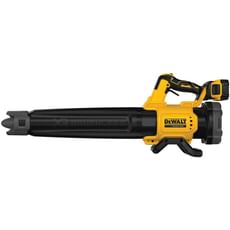
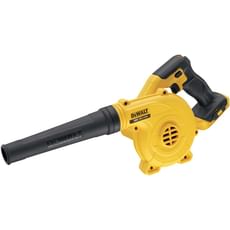
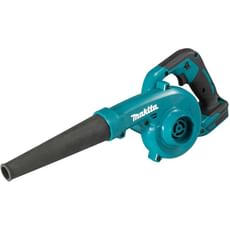
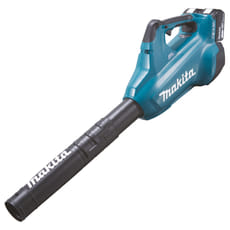
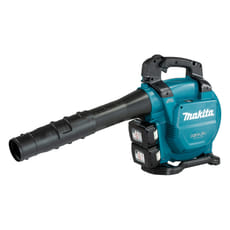
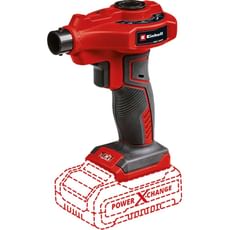
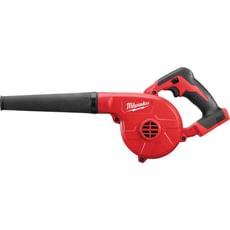
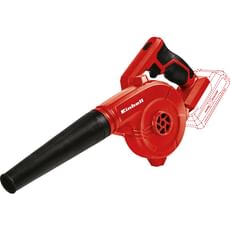
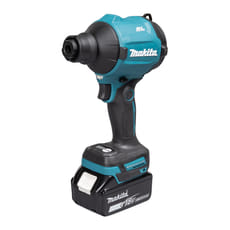
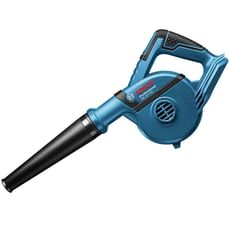
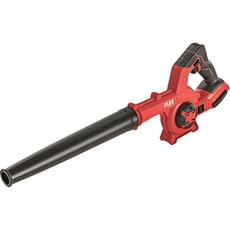
Modern 18v air blowers come in various configurations to suit different applications. Workshop blowers are compact and lightweight, perfect for clearing benches, machinery, and hard-to-reach areas indoors. Axial blowers provide concentrated airflow for precision cleaning tasks, whilst larger models can tackle outdoor jobs like clearing leaves from paths, patios, and gutters. Some advanced models feature brushless motors for extended runtime and greater efficiency, whilst others include vacuum functionality for collecting debris rather than simply dispersing it. The selection at Tooled-Up.com includes professional-grade models from leading brands like Makita, DeWalt, Milwaukee, Bosch Professional, and Einhell, spanning from budget-friendly options to high-specification tools designed for daily site use.
The beauty of 18v air blowers lies in their compatibility with existing battery platforms. If you already own 18v cordless tools from manufacturers like Makita LXT, DeWalt XR, or Milwaukee M18, your batteries and chargers will work seamlessly with blowers from the same range. This eliminates the need for additional battery investments and creates a truly interchangeable power tool ecosystem that's both cost-effective and practical for busy tradespeople.
Jargon Buster
- Brushless Motor: A more efficient motor design without carbon brushes that delivers longer runtime, increased power, and extended tool lifespan compared to traditional brushed motors. Brushless models typically cost more but offer better value over time for professional users.
- Air Volume (m³/min): Measures the quantity of air the blower moves per minute, typically expressed in cubic metres. Higher air volume means the tool can clear larger areas more quickly, making it crucial for outdoor and heavy-duty applications.
- Air Speed (mph or m/s): Indicates how fast the air exits the nozzle. Higher speeds are better for dislodging stubborn debris, wet leaves, or material from tight corners, whilst lower speeds suit delicate cleaning tasks.
- Variable Speed Control: Allows you to adjust airflow output using a trigger or dial, providing precision for different tasks—gentle speeds for clearing dust from electronics, maximum power for heavy garden debris.
- Axial Blower: A blower design that produces a concentrated, focused stream of air through a narrow nozzle, ideal for precision cleaning and directing debris exactly where you want it.
- Li-ion Battery Platform: The lithium-ion battery system (typically 18v) that powers the tool. Most manufacturers design their cordless tools around a single voltage platform, allowing batteries to be shared across multiple tools.
Who Uses 18v Air Blowers?
18v air blowers serve a diverse range of users across professional trades and domestic applications:
- General Builders and Groundworkers: Clearing construction dust, debris, and aggregate from sites, machinery, and vehicles
- Carpenters and Joiners: Removing sawdust and wood shavings from workshops, benches, and newly installed joinery
- Landscapers and Gardeners: Clearing leaves, grass clippings, and debris from gardens, paths, patios, and driveways
- Electricians: Cleaning out dusty switch boxes, cable ducts, and work areas before installation
- Vehicle Mechanics and Detailers: Blowing dust and debris from engine bays, wheel arches, and interior trim
- Facilities Maintenance Teams: Keeping commercial premises, car parks, and outdoor areas clean and presentable
- Workshop Owners: Maintaining clean, safe working environments by clearing machinery, floors, and workbenches
- DIY Enthusiasts: General home maintenance, workshop cleaning, and seasonal garden clearance tasks
- Window Fitters: Clearing installation debris and dust from sills and frames
How to Choose the Right 18v Air Blowers
Selecting the appropriate air blower depends on several key factors that align with your specific requirements:
Battery Platform Compatibility: Your first consideration should be which 18v battery system you already own. If you have Makita LXT batteries, choose a Makita blower; DeWalt XR users should opt for DeWalt models, and so forth. This maximises your existing investment and eliminates unnecessary battery purchases.
Application Type: Workshop and indoor use demands compact, lightweight models with moderate airflow that won't create excessive dust clouds. Outdoor applications—particularly leaf clearing and garden maintenance—benefit from higher air volumes and speeds. Consider whether you need precision cleaning (axial design) or broad coverage (larger outlet).
Motor Technology: Brushless motors command a premium price but deliver superior runtime, power efficiency, and longevity. For occasional DIY use, brushed motor models from manufacturers like Einhell offer excellent value. Professional tradespeople using their blower daily should invest in brushless technology for reliability and lower running costs.
Power and Performance: Check both air volume (m³/min) and air speed specifications. Entry-level models typically produce 2-3 m³/min, suitable for light workshop duties. Mid-range options deliver 4-6 m³/min for general trade use. Professional-grade models exceed 7 m³/min and are powerful enough for demanding outdoor clearance. Some premium models available from Tooled-Up.com, like Makita's twin 18v offerings, use two batteries simultaneously for exceptional power.
Variable Speed Control: This feature provides versatility across different tasks. A trigger-activated variable speed system lets you match airflow to the job—gentle for delicate electronics, full power for stubborn debris. Fixed-speed models are cheaper but less adaptable.
Weight and Ergonomics: If you'll be using the blower for extended periods, weight matters. Compact workshop blowers typically weigh 1-2kg (without battery), whilst larger garden blowers can exceed 3kg. Consider handle design, balance, and whether the tool can be operated comfortably one-handed.
Additional Features: Some models include vacuum functionality for collecting rather than dispersing debris—ideal for workshop use. Others feature extension tubes for reaching high gutters or under vehicles. Built-in LED work lights help in poorly lit areas. Flat nozzle attachments concentrate airflow for precision tasks.
Popular Accessories
- Spare 18v Batteries (higher capacity): Additional 4.0Ah, 5.0Ah, or 6.0Ah batteries extend working time between charges, essential for full-day outdoor clearance jobs or when working away from mains power
- Extension Tubes and Nozzles: Various attachments that focus airflow, extend reach for gutters and high areas, or spread air output for broader coverage across different applications
- Dust Collection Bags: For models with vacuum capability, replacement or additional bags capture debris for easy disposal, particularly useful in enclosed workshops
- Twin Battery Adaptors: Some manufacturers offer adaptors allowing two 18v batteries to run simultaneously, doubling runtime and power output for demanding professional applications
- Carrying Cases: Purpose-designed storage solutions protect your investment during transport and keep accessories organised alongside the tool
- Multi-Port Chargers: Charge multiple 18v batteries simultaneously, essential for professionals running several cordless tools throughout the working day
Safety Information
Whilst 18v air blowers are relatively safe tools, following proper guidelines ensures accident-free operation:
- Eye Protection: Always wear safety glasses or goggles when operating an air blower. Debris, dust, and particles can be propelled at high speeds towards your face and eyes.
- Hearing Protection: Although quieter than petrol alternatives, prolonged use of air blowers can still generate noise levels that may damage hearing. Consider ear defenders for extended operation.
- Respiratory Protection: When clearing fine dust, mould, or potentially hazardous materials in enclosed spaces, wear appropriate respiratory protection in accordance with HSE guidelines and COSHH assessments.
- Secure Loose Clothing: Keep long hair tied back and avoid loose clothing that could be drawn into the air intake. Remove jewellery and lanyards that might become entangled.
- Check Your Surroundings: Before operating, ensure the area is clear of bystanders, particularly when working at height or in public spaces. Never direct airflow towards people or animals.
- Electrical Safety: Whilst battery-powered tools eliminate trailing cables, ensure batteries are correctly fitted and locked in place. Don't use damaged batteries or those showing signs of swelling or leakage.
- Outdoor Use: Be mindful of weather conditions. High winds can redirect debris unpredictably, and wet conditions may create slippery surfaces when clearing damp leaves and materials.
- Read the Manual: Always consult the manufacturer's instructions for specific safety guidance, maintenance requirements, and operational limitations for your particular model.
Frequently Asked Questions
Can I use my existing 18v batteries with any brand's air blower?
No, batteries are specific to each manufacturer's platform. Makita batteries only work with Makita tools, DeWalt with DeWalt, and so forth. However, all tools within the same brand's 18v range share batteries interchangeably, so your existing Makita LXT batteries will power any Makita LXT blower.
How long will an 18v air blower run on a single battery charge?
Runtime varies significantly based on battery capacity (typically 2.0Ah to 6.0Ah), motor efficiency (brushless models run longer), and how you use the tool. On variable speed models, running at lower speeds extends runtime considerably. Generally, expect 10-20 minutes of continuous high-power use with a standard 4.0Ah battery, or up to 40 minutes with a high-capacity 6.0Ah battery at moderate speeds. For all-day work, invest in multiple batteries or higher capacity options.
Are 18v cordless blowers powerful enough for clearing wet autumn leaves?
Higher-specification models with strong air volume ratings (6+ m³/min) and high air speeds can handle damp leaves effectively, though they won't match petrol blowers for the heaviest tasks. Professional-grade brushless models from Makita, DeWalt, and Milwaukee deliver impressive performance for typical UK garden clearance. For very wet, compacted leaves, you may need to work in layers or consider models with vacuum functionality. The convenience and zero emissions often outweigh any small power compromise for domestic and light commercial use.
What's the difference between workshop blowers and garden blowers?
Workshop blowers are typically more compact and lightweight with moderate power output, designed for clearing sawdust, shavings, and general debris from benches, machinery, and indoor spaces. They often feature more controlled airflow to avoid creating excessive dust clouds. Garden or jobsite blowers prioritise higher air volume and speed for outdoor use, with more robust construction, larger outlets for moving greater volumes, and sometimes weatherproof designs. Some models bridge both categories effectively.
Do I need a brushless motor, or will a standard brushed motor suffice?
For occasional DIY use—perhaps a few hours monthly—a brushed motor blower offers excellent value and perfectly adequate performance. Brushless motors benefit professional tradespeople and frequent users through significantly longer runtime per charge, greater power efficiency, extended tool lifespan (no brushes to wear out), and often better power-to-weight ratios. If you're using the blower daily or running a business, the additional investment in brushless technology pays for itself through reliability and reduced battery costs over time.