

Accessories
Pay in 3 interest-free payments on purchases from £30-2000 with  . Learn more.
 Loading...
End of content
Error - No more pages to load
About Accessories
When it comes to diagnostic work and electrical testing, having the right accessories can make all the difference between a quick, accurate job and a frustrating day on site. The accessories category at Tooled-Up.com brings together essential add-ons and replacement components for multimeters, diagnostic equipment, and electrical testing tools. From test leads and crocodile clips to current clamps and specialised probes, these items are the unsung heroes that keep your testing equipment functional and versatile.
Whether you're an auto electrician diagnosing vehicle electrical faults, a qualified electrician testing installations to BS 7671 standards, or a DIY enthusiast maintaining home electronics, quality test accessories ensure safe, reliable measurements every time. Tooled-Up stocks trusted brands including Sealey, Draper, and Bosch Professional, offering everything from basic replacement test leads to advanced inductive clamps and noid light testers. Many professionals keep spare sets of these accessories in their tool bags, as worn or damaged test leads can compromise both safety and measurement accuracy.
The right accessory not only extends the capability of your existing test equipment but also protects your investment. Properly maintained test leads and probes ensure consistent electrical contact, reduce measurement errors, and meet the safety requirements demanded by professional tradespeople working with live circuits and automotive electrical systems. Beyond simple replacements, specialist accessories like magnet hangers for Bosch Professional meters keep your equipment secure and visible while freeing up both hands for complex testing procedures.
Jargon Buster
- Crocodile Clips: Spring-loaded clips with serrated jaws that firmly grip wires, terminals, and component leads to maintain electrical contact during testing, freeing up both hands for other tasks.
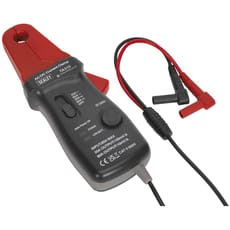
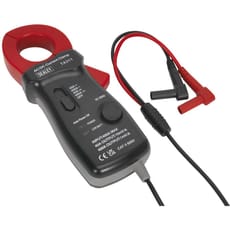
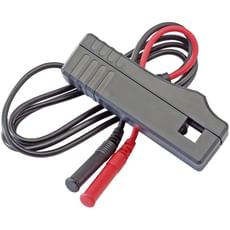
- Inductive Clamp: A non-contact current measuring accessory that clamps around a conductor to measure AC/DC current flow without breaking the circuit, essential for automotive diagnostics and load testing.
- Noid Light: A specialised test light that plugs into fuel injector connectors to verify the presence of injector pulse signals, commonly used in automotive diagnostics to identify engine management faults.
- Test Probes: Insulated probes with metal tips used to make contact with test points on circuits and components, typically with safety-rated insulation conforming to CAT ratings for electrical work.
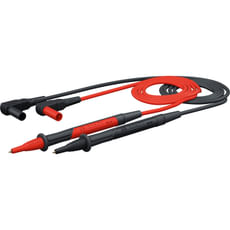
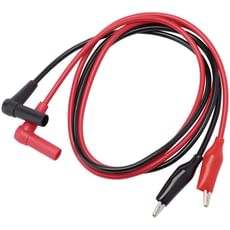
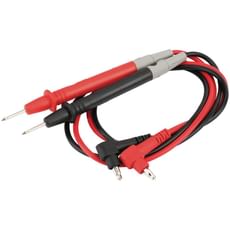
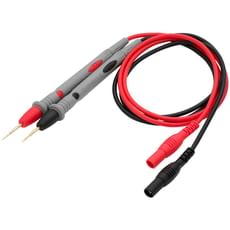
- Test Leads: Insulated cables connecting test equipment to the circuit under test, available in various lengths and current ratings with silicone or PVC insulation.
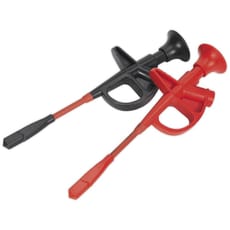
- Wire Piercing Probe: A sharp-tipped probe designed to penetrate wire insulation for testing without stripping or cutting the cable, allowing back-probing of connectors and sealed components.
Who Uses Accessories?
Test equipment accessories are essential for a wide range of trades and applications:
- Electricians and Electrical Contractors: Testing installations, fault-finding, and periodic inspection work requiring replacement test leads and probes
- Auto Electricians: Diagnosing vehicle electrical systems with current clamps, noid lights, and piercing probes
- Service Engineers: Maintaining and repairing electronic equipment, appliances, and industrial machinery
- Maintenance Technicians: Testing motors, control panels, and electrical systems in commercial and industrial settings
- Electronics Enthusiasts: Hobbyists and DIYers working on electronics projects, repairs, and modifications
- MOT Testers: Checking vehicle electrical systems and emissions equipment functionality
- Renewable Energy Installers: Testing solar panel installations and battery systems with appropriate current clamps
- Heating Engineers: Diagnosing boiler control systems and electrical faults in heating installations
How to Choose the Right Accessories
Compatibility: Always verify that accessories match your existing test equipment. Check the connector type, probe diameter, and whether items are designed for specific multimeter series. Sealey and Draper often design accessories for their own meter ranges, whilst universal options are also available. The Draper 500 Series silicone test leads, for instance, are specifically designed for Draper's 500 Series multimeters.
Safety Ratings: For electrical work, ensure test leads and probes meet appropriate CAT (Category) ratings for your application. Professional electricians working on mains installations should look for CAT III or CAT IV rated accessories, whilst electronics work typically requires CAT II ratings. When testing 240v circuits in domestic or commercial properties, never compromise on safety standards.
Current Capacity: Current clamps come in various ratings – common options include 40A, 60A, and 400A. Choose based on the circuits you regularly test. Auto electricians might need lower ratings, whilst industrial electricians require higher capacity clamps like the Sealey 40A/400A dual-range model.
Cable Quality: Silicone insulated test leads offer superior flexibility, especially in cold conditions typical on UK building sites. They're more durable than standard PVC leads and less prone to kinking or cracking over time. Whilst they cost slightly more initially, their longevity makes them a worthwhile investment for professional tradespeople.
Replacement Schedule: Test leads and probes are consumable items. Inspect regularly for damaged insulation, bent tips, or cracked connectors. Replace immediately if any safety concerns are identified – compromised test equipment can lead to serious injury when working with live circuits.
Popular Accessories
- Silicone test lead sets for improved flexibility and durability
- Replacement probe sets for specific multimeter models
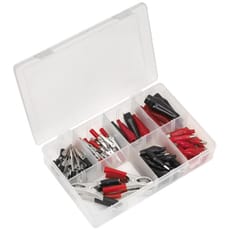
- Crocodile clip assortments in multiple sizes
- AC/DC current clamps for non-invasive current measurement
- Wire piercing probes for automotive diagnostics
- Noid light sets for fuel injection testing
- Open circuit test lead sets for safety testing
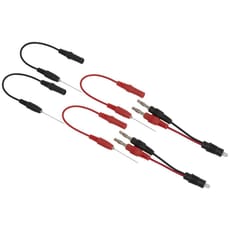
- Test lead connector assortments for custom configurations
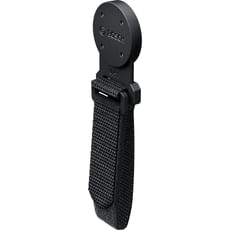
- Magnetic hangers for Bosch Professional meters
- Inductive clamps for automotive and industrial applications
- Spare test probe sets with safety-rated insulation
Safety Information
When using test equipment accessories, always follow HSE guidance for electrical safety. Never use damaged or worn test leads – compromised insulation can expose you to dangerous voltages. Check accessories before each use for cracks, exposed conductors, or loose connections.
Ensure accessories are rated for the voltage and current levels you'll encounter. When working on mains electrical installations, only use test equipment and accessories with appropriate CAT ratings. For 240v domestic installations, CAT III 600V rated accessories provide adequate protection against transient overvoltages.
When using wire piercing probes, be aware that puncturing insulation creates a potential moisture ingress point. Seal punctures appropriately after testing, especially on vehicle wiring which may be exposed to the elements. This prevents corrosion and maintains the integrity of the electrical system.
Never modify or repair damaged test leads yourself – the cost of replacement is insignificant compared to the risk of electric shock. Store accessories properly to prevent damage, and keep spare sets available so you're never tempted to use compromised equipment on site.
Frequently Asked Questions
How often should I replace my test leads and probes?
Inspect test leads before every use and replace immediately if you spot any damage to insulation, connectors, or probe tips. Even without visible damage, consider replacing test leads used daily after 12-18 months, as repeated flexing can cause internal conductor damage that's not immediately visible. For professional electricians, keeping spare sets available from Tooled-Up ensures you're never caught short on site.
Are all crocodile clips the same?
No – crocodile clips vary significantly in current capacity, jaw size, and insulation coverage. Small clips are ideal for electronics work and PCB testing, whilst larger clips with higher current ratings suit automotive and electrical installation work. Fully insulated clips provide better safety when working near live circuits. The Sealey 60-piece assortment offers a comprehensive range for different applications.
Can I use automotive test accessories for domestic electrical work?
Whilst some accessories are versatile, always check voltage and CAT ratings. Automotive accessories typically work at 12V-24V DC, whilst domestic electrical work involves 240v AC. Test leads for electrical installation work must have appropriate CAT III or CAT IV ratings and adequate insulation for mains voltages. Never compromise on safety ratings when working with mains electricity.
What's the advantage of silicone test leads over standard PVC?
Silicone insulated leads remain flexible even in cold conditions, making them ideal for site work and outdoor diagnostics common in the UK. They're more resistant to chemicals, oils, and solvents, last longer, and are less prone to kinking than PVC alternatives. Draper's silicone test lead sets exemplify these benefits, though they do cost slightly more initially.
Do I need an inductive current clamp or a standard current clamp?
Inductive clamps measure current without making direct electrical contact – you simply clip them around a conductor. They're ideal for automotive diagnostics and situations where you can't break the circuit. Standard clamps may require direct connection. For most diagnostic work, an inductive clamp like those from Sealey offers greater convenience and safety, particularly when testing live circuits.