

Acrylic Sealant

Pay in 3 interest-free payments on purchases from £20-£3000 with  . Learn more.
 Loading...
End of content
Error - No more pages to load
About Acrylic Sealant
Acrylic sealant is a water-based, flexible sealing compound designed for filling gaps, joints and cracks in a wide range of building materials. Unlike silicone sealants, acrylic formulations can be overpainted once cured, making them ideal for decorative finishes and situations where colour matching is essential. These versatile sealants provide excellent adhesion to porous surfaces such as plaster, timber, brick and concrete, creating a weatherproof barrier that prevents draughts, moisture ingress and energy loss in both internal and external applications.
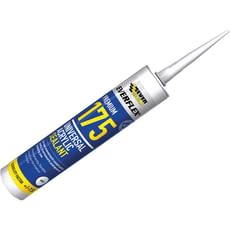
Modern acrylic sealants have evolved significantly, with specialist formulations now available for specific trades and applications. Universal acrylic sealants remain popular for general decorating work, whilst external frame sealants offer enhanced weather resistance for sealing windows, doors and external joinery. Intumescent acrylic sealants provide crucial fire-stopping capabilities, expanding when exposed to heat to maintain fire compartmentation in walls, floors and service penetrations, making them essential products for meeting UK Building Regulations Part B.
Available primarily in cartridges for use with standard sealant guns, acrylic sealants typically cure through moisture evaporation, forming a flexible, paintable seal within 24 hours. The range at Tooled-Up.com includes professional-grade formulations from leading manufacturers like Everbuild and Dowsil, trusted by tradespeople across the UK for their reliability, ease of application and long-lasting performance in demanding site conditions.
Jargon Buster
- Intumescent: A fire-resistant property where the sealant expands significantly when exposed to high temperatures, forming an insulating char that prevents fire and smoke spread through sealed gaps and penetrations.
- Overpaintable: The ability of a cured sealant to accept paint or other decorative coatings without affecting adhesion or finish quality - a key advantage of acrylic over silicone formulations.
- Movement Accommodation: The percentage of joint expansion and contraction a sealant can withstand without cracking or losing adhesion, typically expressed as ±10% or ±20% for acrylic products.
- Cure Time: The period required for a sealant to fully harden and achieve its maximum strength and properties, usually 24-48 hours for acrylic formulations depending on temperature and humidity.
- Fire Rating: The duration (typically 30, 60 or 120 minutes) that an intumescent sealant maintains fire compartmentation when tested to British and European standards such as BS 476 or EN 1366.
- Gunnable Consistency: A sealant viscosity suitable for smooth, controlled application through a cartridge gun without excessive force or tool-out requirement.
Who Uses Acrylic Sealant?
- Painters and Decorators: For filling gaps around skirting boards, architraves, coving and ceiling joints before painting
- Window Fitters and Glaziers: Sealing external frames and perimeter joints on uPVC, timber and aluminium installations
- Carpenters and Joiners: Sealing timber joints, door frames and fitted joinery to achieve professional finished appearances
- Fire Stopping Specialists: Installing intumescent seals around service penetrations for Building Control compliance
- General Builders: Creating weatherproof seals on external masonry, filling movement joints and preparing surfaces for decoration
- Maintenance Engineers: Repairing failed seals and joints in commercial and domestic properties
- DIY Enthusiasts: Home improvement projects requiring paintable, flexible sealing solutions
- Property Maintenance Contractors: Routine repairs and refurbishment work across residential and commercial portfolios
How to Choose the Right Acrylic Sealant
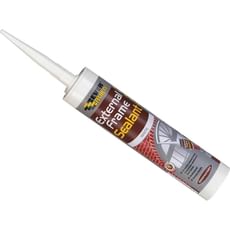
Application Location: Select external-grade formulations like Everbuild External Frame Sealant for exposed applications where UV stability and weather resistance are crucial. Universal acrylic sealants suit internal decorating work where conditions are more controlled.
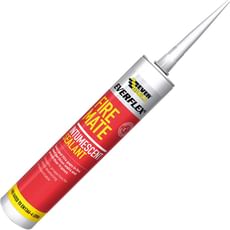
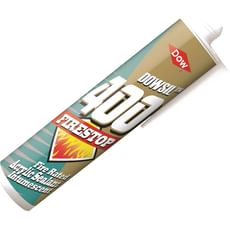
Fire Protection Requirements: If you're working on compartment walls, fire doors or service penetrations requiring Building Control approval, specify intumescent products such as Dowsil Firestop 400 or Everbuild Fire Mate. Check the fire rating matches your specification requirements (typically 30, 60 or 120 minutes).
Surface Compatibility: Acrylic sealants excel on porous substrates including plaster, masonry, timber and cement render. For non-porous materials like metals, ceramics or glass, consider alternative sealant chemistries with better adhesion characteristics.
Movement Tolerance: Review the joint movement accommodation percentage. Decorative applications with minimal movement suit standard formulations, whilst external joints subject to thermal expansion require enhanced flexibility ratings.
Paintability Timeline: Consider your project schedule - most acrylic sealants accept paint within 2-4 hours of application, though full cure takes 24 hours. This rapid overpainting capability significantly speeds up decorating workflows.
Cartridge Size and Packaging: Standard 310ml cartridges suit most applications when used with a professional skeleton or enclosed cartridge gun. For larger projects, assess whether bulk packaging offers better value whilst maintaining shelf life once opened.
Popular Accessories
- Cartridge Guns: Professional skeleton guns and enclosed cartridge applicators from brands like Stanley and Everbuild for controlled, consistent sealant application
- Sealant Finishing Tools: Profiling tools and smoothing spatulas for achieving neat, professional joint finishes
- Gun Cleaning Solvent: Water or specialist cleaning solutions for maintaining applicator tools
- Masking Tape: For protecting adjacent surfaces and creating straight, clean sealant lines
- Backing Rod: Polyethylene foam rod for controlling sealant depth in wider joints and improving economy
- Surface Preparation Materials: Wire brushes, scrapers and cleaning solutions for removing old sealant and preparing substrates
- Decorators' Caulk: For fine crack filling to complement acrylic sealant joints
- Paint Systems: Emulsion, gloss and satinwood finishes for overpainting cured acrylic sealant
Frequently Asked Questions
Can I use acrylic sealant in bathrooms and wet areas?
Acrylic sealants are not recommended for permanently wet areas like bath and shower enclosures. Their water-based formulation lacks the mould resistance and waterproof properties of specialist sanitary silicone. However, they're perfectly suitable for decorative joints in bathrooms away from direct water contact.
How soon can I paint over acrylic sealant?
Most acrylic sealants develop a skin within 30-60 minutes and can be overpainted with water-based emulsion within 2-4 hours. For solvent-based paints like gloss or satinwood, wait until the sealant is fully cured (typically 24 hours) to prevent solvent attack affecting the seal.
What's the difference between acrylic and silicone sealant?
Acrylic sealants are water-based, paintable, easier to tool and better suited to porous surfaces, but offer less flexibility and water resistance. Silicone sealants cannot be painted but provide superior movement accommodation, waterproofing and longevity in demanding applications. Choose acrylic for decorative internal work and silicone for wet areas and high-movement joints.
Do I need intumescent sealant for electrical socket penetrations?
If electrical sockets penetrate fire-rated walls or floors, UK Building Regulations typically require intumescent sealing to maintain the compartment's fire integrity. Check your specific Building Control requirements, but intumescent acrylic sealants available from Tooled-Up.com like Fire Mate provide an approved solution for maintaining fire ratings around service penetrations.
How do I remove old acrylic sealant before reapplication?
Use a sharp utility knife or specialist sealant removal tool to cut away the old bead. Scrape remaining residue with a scraper, then clean the joint with white spirit or methylated spirits to remove traces of paint and sealant. Ensure the surface is completely dry before applying fresh acrylic sealant for optimal adhesion.