

Adaptors

Pay in 3 interest-free payments on purchases from £20-£3000 with  . Learn more.
Loading...
End of content
Error - No more pages to load
About Adaptors
Adaptors are essential components for anyone serious about dust extraction and maintaining a clean, safe working environment. These precision-engineered connectors bridge the compatibility gap between power tools, vacuum cleaners, and dust extraction systems from different manufacturers. Whether you're connecting a Makita sander to a Kärcher vacuum cleaner or joining hoses of different diameters, the right adaptor ensures maximum suction efficiency and prevents harmful dust escaping into your workspace. For tradespeople working across multiple sites with mixed equipment brands, adaptors eliminate the need for multiple vacuum systems whilst ensuring compliance with HSE workplace dust control regulations.
The selection at Tooled-Up.com includes universal vacuum cleaner connectors, manufacturer-specific power tool dust extraction adaptors, and tube joiners designed for professional applications. Common sizes range from 27mm to 38mm diameter connections, accommodating the vast majority of power tools and professional vacuum cleaners available on the UK market. Many professional-grade adaptors feature anti-static properties to prevent fine dust accumulation inside hoses, whilst secure-fit ribbed designs ensure connections remain firmly attached even during high-vibration applications such as angle grinding or heavy-duty sanding.
Quality matters significantly when selecting adaptors for professional use. Premium brands like Kärcher Professional and Makita manufacture adaptors from durable, impact-resistant materials that withstand the rigours of daily site work without cracking or degrading. Three-way adaptors are particularly valuable in busy workshops, allowing multiple tools to connect to a single extraction system. For carpenters, plasterers, and other dusty trades, properly specified adaptors aren't just convenient accessories—they're essential equipment for protecting respiratory health and meeting COSHH requirements for controlling hazardous dust exposure.
Jargon Buster
- Universal Adaptor
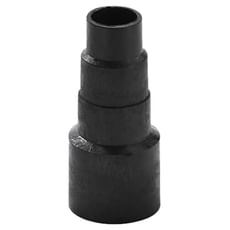
- A connector featuring stepped or tapered designs that accommodate multiple hose diameters or tool outlets without requiring separate components for each size. Typically fits the common professional range of 27mm to 38mm connections.
- Anti-Static
- Specialised materials or coatings that prevent static electricity build-up during dust extraction. Particularly important when working with fine particles from plasterboard, MDF, or masonry, as static causes dust to cling to hose interiors and reduces suction efficiency.
- Dust Extraction Port
- The outlet integrated into power tools specifically designed for connecting vacuum hoses. Allows dust and debris to be captured at source during cutting, sanding, drilling, or grinding operations.
- Tube Joiner
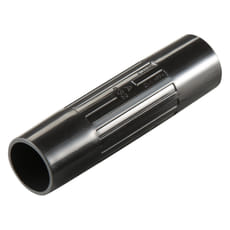
- A straight or angled connector used to join two vacuum hose sections together, extend overall hose length for greater working distance, or repair damaged hoses by bridging cut sections.
- NT Series Compatibility
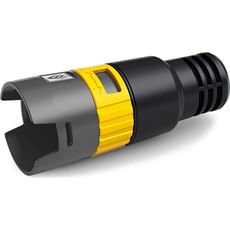
- Refers to adaptors engineered specifically for Kärcher's NT (Nass/Trocken - wet and dry) range of professional vacuum cleaners. These ensure proper fit and optimal suction performance with Kärcher's professional extraction systems.
- Three-Way Adaptor
- A junction connector allowing multiple power tools to connect to a single vacuum cleaner simultaneously. Useful in workshop environments where several tools require dust extraction without constantly swapping connections.
Who Uses Adaptors?
Vacuum and dust extraction adaptors are essential equipment across numerous trades and applications:
- Carpenters and joiners connecting sanders, routers, circular saws, and track saws to dust extraction systems
- Plasterers and dry-liners managing dust when cutting plasterboard and using power sanders
- Electricians drilling through walls and ceilings whilst maintaining clean work areas in occupied properties
- Decorators preparing surfaces with orbital sanders, detail sanders, and power planers
- Shop fitters working on-site where dust control is essential in retail and commercial premises
- Kitchen and bathroom fitters cutting worktops, tiles, and panels in customer homes
- Flooring specialists using belt sanders and edge sanders for timber floor preparation
- Bricklayers and stonemasons cutting materials that generate harmful silica dust
- Maintenance teams in commercial and industrial settings requiring versatile extraction setups
- DIY enthusiasts seeking professional-standard dust control for home workshop projects
- Site managers ensuring compliance with workplace dust exposure regulations and COSHH requirements
- Renovation contractors working with mixed equipment brands across varied applications
How to Choose the Right Adaptors
Measure Your Equipment: Accurate measurement is essential before purchasing. Check the diameter of your vacuum hose and the dust extraction port on your power tools using callipers or a tape measure. Common professional sizes include 27mm, 32mm, 35mm, and 38mm. Different manufacturers often use slightly different standards, so precise measurement prevents purchasing incorrect adaptors.
Brand Compatibility: Determine whether you need manufacturer-specific adaptors or universal connectors. Kärcher NT series adaptors, for example, are specifically engineered for optimal performance with Kärcher professional vacuum cleaners. Universal adaptors offer greater flexibility when working with mixed equipment brands, particularly useful for tradespeople who use Makita, DeWalt, Bosch, and Festool tools interchangeably.
Anti-Static Properties: For professional applications involving fine dust from plasterboard, MDF, masonry, or composite materials, anti-static adaptors are essential. They prevent dust accumulation inside hoses and maintain consistent suction performance throughout extended use, particularly important for continuous sanding or grinding operations.
Build Quality: Tooled-Up stocks robust adaptors constructed from impact-resistant plastics or rubberised materials that won't crack under site conditions. Secure-fit designs with ribbed connections ensure adaptors stay firmly attached during tool operation and vibration—crucial when using high-power tools like belt sanders or angle grinders.
Application Type: Consider whether you need straight-through connectors, angled adaptors for awkward spaces, or three-way adaptors for connecting multiple tools to a single extraction system. Three-way designs are particularly valuable in busy workshops where several operators work simultaneously.
Hose Extension Requirements: If you need to work at distance from your vacuum cleaner—common on larger sites or when working upstairs—tube joiners allow you to connect multiple hose sections whilst maintaining adequate airflow and suction power.
Popular Accessories
- Replacement vacuum cleaner hoses in various lengths and diameters for extended reach and worn hose replacement
- Professional-grade filters for NT series and other commercial vacuum cleaners
- Dust extraction hoods and shrouds for angle grinders, circular saws, and routing applications
- Cable and hose management systems to keep power and extraction equipment organised on site
- Vacuum cleaner accessory kits including floor tools, crevice nozzles, and brush attachments
- Dust bags and waste containers for efficient disposal and filter protection
- HEPA filters for capturing fine respirable dust particles and improving air quality
- Hose hangers and wall-mounted storage solutions for keeping extraction equipment tidy
- Pre-separators that remove bulk waste before it reaches the vacuum filter, extending filter life
- Anti-static spray treatments for standard hoses and equipment
Safety Information
Proper dust extraction using correctly fitted adaptors is a legal requirement under HSE regulations. The Control of Substances Hazardous to Health (COSHH) regulations require employers and self-employed tradespeople to control exposure to hazardous dusts, including wood dust, silica, and respirable particles generated during cutting, grinding, sanding, and drilling operations. Failure to control dust exposure can result in serious respiratory conditions including occupational asthma, silicosis, and chronic obstructive pulmonary disease.
Ensure all adaptors create airtight connections to prevent dust leakage—loose connections significantly reduce extraction efficiency and allow harmful particles into the breathing zone. A properly fitted adaptor should require firm pressure to attach and shouldn't pull off easily during use. Regularly inspect adaptors for cracks, wear, or damage that could compromise the seal, and replace components immediately if deterioration is evident.
When working with materials that produce particularly hazardous dust, such as silica from masonry, brick, concrete, or granite, always use anti-static adaptors combined with appropriate H-class or M-class vacuum cleaners as specified by HSE guidance. Never bypass or disable dust extraction systems to save time or because they feel cumbersome. Always wear suitable respiratory protective equipment (RPE) in conjunction with extraction systems as a secondary control measure, not as a substitute for proper extraction.
Remember that 240v power tools combined with dust extraction create additional trip hazards from trailing cables and hoses. Keep work areas organised, secure cables and hoses away from walkways, and ensure all electrical connections are protected from dust and moisture ingress when working with wet and dry vacuum systems.
Frequently Asked Questions
Will a universal adaptor fit my specific power tool and vacuum combination?
Universal adaptors accommodate the most common hose and port diameters (typically 27mm to 38mm), but accurate measurement of both your vacuum hose and tool extraction port is essential before purchasing. Some manufacturer-specific tools, particularly premium brands like Festool, may require dedicated adaptors for optimal fit and performance. When in doubt, check the product specifications or contact the technical team for compatibility advice.
What's the difference between anti-static and standard adaptors?
Anti-static adaptors are manufactured from specialised materials that prevent static electricity build-up, which causes fine dust particles to cling to hose interiors and reduces suction efficiency by up to 30%. They're particularly important when working extensively with materials that generate fine dust, such as plasterboard, MDF, or when using sanders and grinders for prolonged periods. For occasional DIY use, standard adaptors may suffice, but professional tradespeople should always specify anti-static versions.
Can I connect different brands of power tools and vacuum cleaners?
Yes, this is precisely what adaptors are designed for. Whilst Makita, DeWalt, Bosch, Milwaukee, and other manufacturers use slightly different hose diameters and connection standards, quality adaptors bridge these compatibility gaps effectively. For example, you can connect Makita power tools to Kärcher vacuum cleaners, or DeWalt sanders to Festool extractors using the appropriate adaptor size.
How do I know if my adaptor connection is secure enough?
A properly fitted adaptor should require firm pressure to attach and shouldn't pull off easily by hand. During operation, listen for air leaks—a hissing or whistling sound indicates an incomplete seal. The suction at the tool should feel strong; noticeably weak suction usually means air is escaping at connection points. If connections feel loose, try wrapping the joint with adhesive tape or consider a different adaptor size for a tighter fit.
Do I need different adaptors for wet and dry vacuum cleaners?
Generally, the same adaptors work for both wet and dry applications, as connection points are standardised on most professional vacuum cleaners like the Kärcher NT series. However, always verify that the adaptor material is suitable for your intended use—some adaptors designed specifically for dust extraction may degrade when exposed to liquids or cleaning chemicals. For predominantly wet applications, consider adaptors with corrosion-resistant materials.