

Adhesives, Sealants & Fillers
Pay in 3 interest-free payments on purchases from £30-2000 with  . Learn more.




 Loading...
End of content
Error - No more pages to load
About Adhesives, Sealants & Fillers
Adhesives, sealants and fillers represent the essential chemistry behind countless construction, renovation and repair projects across the UK. From bonding dissimilar materials together and creating weatherproof seals against moisture ingress to filling imperfections before decoration, these versatile compounds are fundamental to achieving professional, long-lasting results. Whether you're installing bathroom fixtures, repairing damaged plasterwork, mounting heavy cabinets, or weatherproofing window frames, selecting the right bonding, sealing or filling product ensures structural integrity and a flawless finish that endures years of service.
The range available from Tooled-Up.com encompasses everything from instant adhesives and construction-grade bonding compounds to flexible silicone sealants, decorators' caulk, expanding foam, wood fillers and specialist epoxy resins. Modern formulations deliver impressive performance characteristics including rapid curing times, substantial gap-filling capabilities, excellent paintability, and robust resistance to moisture, temperature extremes and UV degradation. Many contemporary products feature low-VOC or solvent-free compositions, meeting stringent UK health and safety regulations whilst maintaining professional-grade performance for demanding trade applications.
Understanding which product suits your specific application is fundamental to achieving reliable, durable results. Different substrate combinations, environmental exposure and structural load requirements all influence optimal product selection. Trusted brands such as Everbuild, Soudal, UniBond and Gorilla provide proven solutions for timber, metal, plastic, glass, ceramic, masonry and composite materials, ensuring tradespeople and DIY enthusiasts alike can source the perfect adhesive, sealant or filler for any bonding, sealing or surface preparation challenge.
Jargon Buster
- Curing Time: The period required for an adhesive, sealant or filler to fully harden and achieve maximum strength. This differs from initial tack or touch-dry time and can range from minutes to several days depending on product formulation, fill depth and ambient conditions.
- MS Polymer: Modified Silane Polymer technology combining the flexibility and weather resistance of silicone with the paintability of polyurethane. These hybrid sealants are increasingly popular for both interior and exterior applications, offering excellent substrate adhesion without primers on most common building materials.
- Thixotropic: A flow property describing materials that become less viscous when agitated or dispensed but return to a gel-like consistency at rest. This characteristic prevents sagging on vertical surfaces and allows substantial gap-filling without slumping, making application more controlled and professional.
- Open Time: The working window during which an adhesive remains sufficiently workable to allow positioning and adjustment of bonded components. Exceeding this critical period compromises bond strength and may necessitate cleaning and product reapplication.
- Substrate: The surface or material to which an adhesive, sealant or filler is applied. Different substrate characteristics (porous, non-porous, painted, galvanised, oily) require specific product formulations for optimal adhesion and long-term performance.
- Movement Accommodation: The ability of a sealant to flex, stretch and compress as joints expand and contract due to temperature fluctuations, building settlement or vibration. Typically expressed as a percentage, this specification is crucial for maintaining weathertight, crack-free seals in expansion joints, around fenestration and between dissimilar materials.
Who Uses Adhesives, Sealants & Fillers?
These indispensable products serve a diverse spectrum of users across professional trades and domestic applications:
- General Builders & Construction Workers: For fixing, bonding and sealing throughout new builds, extensions, conversions and comprehensive renovation projects
- Decorators & Painters: Preparing surfaces with fine fillers, sealing gaps with decorators' caulk and ensuring smooth, professional finishes before applying paint or wallcoverings
- Plumbers & Heating Engineers: Sealing pipework penetrations, waterproofing wet areas and installing sanitaryware with moisture-resistant sealants
- Electricians: Fire-stopping cable penetrations and sealing back boxes to meet Building Regulations Part B fire safety requirements
- Joiners & Carpenters: Wood adhesives for furniture making, joinery fabrication, timber repairs and second-fix installation work
- Window & Door Fitters: Sealing frames against weather ingress whilst accommodating thermal expansion and structural movement
- Roofing Contractors: Weatherproofing flashings, sealing roof penetrations and bonding membrane systems
- Automotive & Marine Technicians: Specialist adhesives and sealants for bodywork repairs, windscreen installation and waterproofing applications
- Facilities & Maintenance Teams: Ongoing repairs, refurbishment and building upkeep across commercial, industrial and residential properties
- DIY Enthusiasts & Home Improvers: Tackling repairs, installations and improvement projects throughout the home with confidence
How to Choose the Right Adhesives, Sealants & Fillers
Substrate Compatibility: Identify the materials you're bonding, sealing or filling. Porous substrates like timber, plaster and brick require different product formulations than non-porous materials such as glass, metal, uPVC or glazed tiles. Multi-purpose adhesives offer versatility for mixed-material applications, whilst specialist products deliver superior performance for demanding single-substrate requirements. Always verify manufacturer specifications for substrate suitability before purchase.
Environmental Conditions: Consider whether the application is interior or exterior, and the exposure to moisture, UV light, temperature fluctuations and chemical contact. External applications demand weatherproof formulations with UV resistance and substantial movement accommodation. Permanently wet areas require mould-resistant, fully waterproof products with fungicidal additives. For high-temperature environments near boilers, flues or industrial equipment, select heat-resistant compounds with appropriate temperature ratings.
Load-Bearing Requirements: Structural bonding applications demand high-strength adhesives with appropriate shear and tensile strength specifications clearly stated in product technical data. High-grab construction adhesives can often replace mechanical fixings for non-critical applications. Decorative or non-structural sealing and filling can utilise standard-grade products. Always check manufacturer load ratings and suitability declarations for your specific requirements.
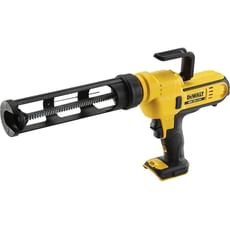
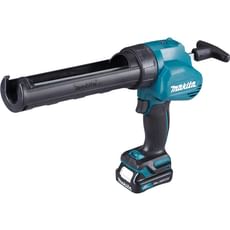
Application Method: Many sealants and adhesives are supplied in cartridges requiring a caulking gun (skeleton frame, sausage or battery-powered types), whilst others come in squeeze tubes, tubs or aerosol cans. Consider the scale of your project, accessibility of the application area, and whether consistent bead control matters when selecting product format and appropriate dispensing equipment from the Tooled-Up range.
Curing and Drying Times: Project timescales significantly influence product selection. Rapid-cure formulations allow faster project progression but offer limited working time for adjustments. Standard products provide extended open times for complex installations but require longer periods before overcoating, loading or returning to service. For time-critical repairs, instant adhesives or quick-setting fillers prove invaluable for minimising downtime.
Finish Requirements: If decoration follows application, select overpaintable products. Fillers should sand smoothly without clogging abrasives or leaving soft spots. Some flexible sealants remain permanently elastic and cannot accept paint, whilst acrylic and MS polymer products cure to a paintable surface. Verify compatibility with your chosen finishing materials, particularly solvent-based paints which can affect some sealant chemistries.
Popular Accessories
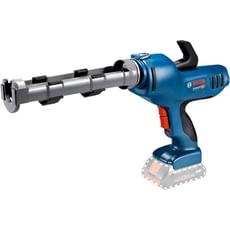
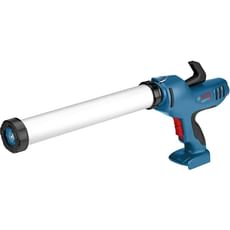
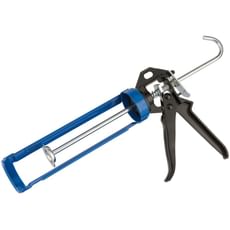
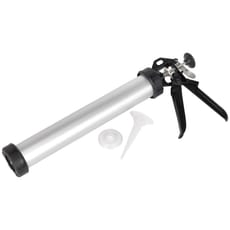
- Sealant & Caulking Guns: Manual skeleton guns for standard cartridges, sausage guns for bulk products, and battery-powered options including Milwaukee M12 and Makita models for high-volume professional use with consistent bead control
- Applicator Nozzles & Tips: Various profiles for different bead sizes and joint configurations, plus extended flexible nozzles for reaching awkward areas behind pipework and fixtures
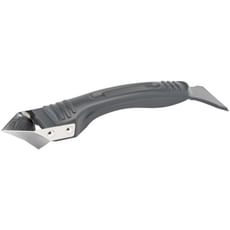
- Smoothing & Finishing Tools: Profile tools, flexible spatulas and scrapers for achieving professional finishes on sealant joints and filled surfaces without tooling marks
- Release Agents & Masking Tape: Protecting adjacent surfaces and ensuring crisp, clean lines during application and tooling of sealants and fillers
- Surface Preparation Materials: Primers, cleaners, degreasers and abrading pads ensuring optimal adhesion on challenging substrates including plastics, powder-coated metals and contaminated surfaces
- Mixing Equipment: Static mixing nozzles for two-part adhesives and epoxy compounds ensuring thorough, consistent blending of resin and hardener components
- Abrasives: Sanding blocks, sheets and power tool accessories for preparing substrates and finishing filled surfaces to a smooth, paint-ready standard
- PPE & Workwear: Chemical-resistant gloves, safety glasses and respiratory protection from brands like Portwest for safe handling of solvent-based and isocyanate-curing products
Safety Information
Personal Protective Equipment: Wear suitable chemical-resistant gloves when handling adhesives, sealants and fillers, particularly with solvent-based or two-part formulations containing isocyanates or epoxy resins. Safety glasses protect against splashes during dispensing and application, whilst respiratory protection may be necessary in confined spaces or when working with products releasing vapours. Always consult product safety data sheets for specific PPE requirements.
Ventilation: Ensure adequate ventilation when using solvent-based products or those releasing vapours during application and curing. This is particularly critical in confined spaces such as cupboards, roof voids and small bathrooms. Open windows and doors, and consider mechanical extraction equipment for professional applications or extended use periods to maintain air quality below HSE workplace exposure limits.
COSHH Compliance: Professional users must conduct COSHH (Control of Substances Hazardous to Health) assessments before using chemical products on site. Maintain safety data sheets readily accessible to all operatives, implement appropriate control measures, and follow HSE guidance for safe storage, handling and disposal of hazardous substances in the workplace.
Skin Contact & First Aid: Many products cause skin irritation, dermatitis or sensitisation with repeated exposure. Wash hands thoroughly after use, avoid touching eyes or face during application, and use barrier cream where appropriate. In case of skin or eye contact, follow first aid instructions on product labelling immediately and seek medical attention if irritation persists or allergic reactions develop.
Storage & Disposal: Store products in cool, dry conditions away from ignition sources, direct sunlight and out of reach of children. Many adhesives are flammable and require appropriate storage in compliance with fire safety regulations. Dispose of empty containers and unused product responsibly according to local authority guidelines. Never pour chemicals down drains or into watercourses as they can harm aquatic ecosystems.
Frequently Asked Questions
What's the difference between silicone and acrylic sealant?
Silicone sealants offer superior flexibility, water resistance and durability, making them ideal for wet areas like bathrooms, showers and kitchens, though they cannot be overpainted with conventional decorating products. Acrylic (decorators') caulk is paintable and perfect for filling gaps around skirting boards, architraves and coving, but it's not suitable for permanently wet areas or high-movement joints. For versatile performance, MS Polymer hybrid sealants provide silicone-like flexibility with paintability, offering an excellent compromise for many applications.
How long do I need to wait before painting over filler?
Drying times vary considerably depending on filler type, depth of fill and environmental conditions including temperature and humidity. Standard interior fillers typically require 2-4 hours for thin applications under 5mm, whilst deeper fills may need 24 hours or more to cure fully. Quick-drying formulations can be overpainted within 30-60 minutes. Always ensure fillers are completely dry (colour-matched to surrounding plaster with no darker patches remaining) and lightly sanded before decoration to prevent paint defects such as flashing, cracking or poor adhesion.
Can I use grab adhesive instead of screws for mounting heavy items?
High-performance grab adhesives and construction adhesives can support substantial loads when used correctly on appropriate substrates with good surface preparation. However, for critical safety applications such as mounting wall cabinets, heavy mirrors or bathroom fixtures, many professionals combine adhesive with mechanical fixings for additional security and peace of mind. Always check the manufacturer's load ratings per square centimetre, ensure both surfaces are clean, dry and suitable for adhesive bonding, and allow full curing time before loading.
Why has my silicone sealant gone mouldy in the bathroom?
Standard silicone sealants can harbour mould growth in permanently damp conditions if they don't contain fungicidal additives. Always specify sanitary-grade silicone with anti-mould formulation for bathrooms, showers, wet rooms and kitchen splashbacks. Black mould on existing sealant typically requires complete removal and replacement with appropriate mould-resistant product, combined with improved ventilation (extractor fans, opening windows) to reduce moisture levels and prevent recurrence.
What's the best way to remove old sealant before applying fresh product?
Thorough removal of old sealant is crucial for proper adhesion and longevity of new material. Use a sharp Stanley knife or dedicated sealant removal tool to carefully cut away the bulk without damaging substrates, then apply a chemical sealant remover to dissolve stubborn residue. Clean surfaces with white spirit or methylated spirit to remove all traces of old sealant, grease, soap residue and silicone oils. Ensure surfaces are completely dry before applying new sealant for optimal adhesion and a professional, long-lasting seal.