

Adjustable Rakes
Pay in 3 interest-free payments on purchases from £30-2000 with  . Learn more.
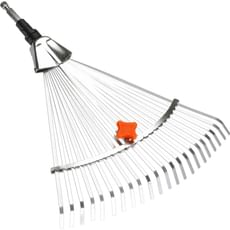
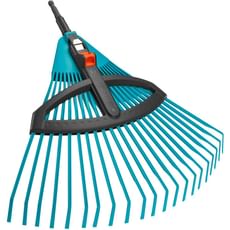
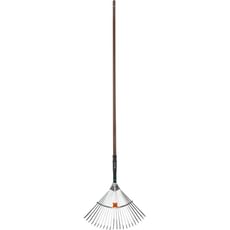
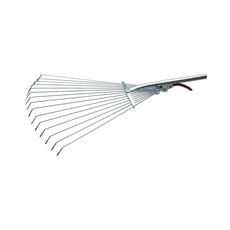
 Loading...
End of content
Error - No more pages to load
About Adjustable Rakes
Adjustable rakes are ingenious garden tools that bring exceptional versatility to lawn and garden maintenance tasks. Unlike traditional fixed-width rakes, these adaptable implements feature expanding or telescoping heads that adjust to different widths, allowing gardeners to work efficiently in both confined spaces and expansive open areas. Whether you're collecting autumn leaves, gathering freshly cut grass clippings, or clearing general garden debris, an adjustable rake eliminates the need for multiple tools by adapting to each specific task and location.
The selection at Tooled-Up.com includes fan-style adjustable rakes with flexible plastic tines that protect delicate lawns, robust metal variants designed for heavier-duty applications, and modular COMBISYSTEM options that offer interchangeable heads for year-round garden maintenance. Premium manufacturers such as Gardena, Draper, and Kew Gardens produce adjustable rakes with quality materials and ergonomic designs that minimise fatigue during extended use. Many models combine lightweight aluminium or FSC-certified wooden handles with durable plastic or spring-steel tines that maintain their effectiveness season after season.
Contemporary adjustable lawn rakes typically expand from compact widths of approximately 190-300mm up to 570-700mm or more, secured by simple yet robust locking mechanisms that ensure stable operation throughout vigorous raking. This adjustability delivers significant storage benefits too, as they collapse to fit neatly in sheds or garages without occupying excessive space. Modular systems like Gardena's COMBISYSTEM range offer detachable rake heads that work with multiple compatible handle options, providing excellent value and flexibility for gardeners building a coordinated tool collection.
Jargon Buster
- Fan Rake: A rake with flexible, fan-shaped tines that spread outward in a radiating pattern, designed primarily for collecting leaves and light garden debris without damaging grass or disturbing soil structure.
- COMBISYSTEM: A modular garden tool system where interchangeable heads attach to compatible handles through a standardised fitting, allowing you to build a customised set of tools whilst minimising storage requirements and reducing overall investment.
- Tines: The individual prongs or teeth on a rake head, which can be manufactured from plastic, metal, spring steel, or bamboo. Flexible tines are gentler on delicate lawns, whilst rigid metal tines handle heavier materials and tougher applications.
- Telescoping/Expanding Head: A rake head mechanism that adjusts width by sliding sections in or out along a central rail, typically secured with a locking collar, lever, or clamp mechanism to maintain the desired width during vigorous use.
- Working Width: The adjustable span of the rake head when fully or partially extended, measured in millimetres, which determines how much ground coverage you achieve with each stroke and influences efficiency on different sized areas.
- FSC-Certified Wood: Timber sourced from responsibly managed forests verified by the Forest Stewardship Council, ensuring environmentally sustainable forestry practices and ethical supply chains throughout production.
Who Uses Adjustable Rakes?
Adjustable rakes serve a diverse range of users across domestic and professional contexts, including:
- Homeowners and Garden Enthusiasts: Managing lawns, borders, pathways, and general garden tidiness around residential properties of varying sizes
- Professional Gardeners and Landscapers: Maintaining multiple client properties with varying garden dimensions, layouts, and access constraints
- Groundskeepers: Caring for sports grounds, parks, public green spaces, and recreational facilities requiring regular maintenance
- Estate Managers: Maintaining larger properties with extensive lawned areas, woodland edges, and formal gardens
- Allotment Holders: Tidying vegetable plots, clearing organic material for composting, and maintaining pathways between growing beds
- Garden Maintenance Contractors: Requiring versatile, space-efficient tools that travel efficiently between multiple sites throughout the working day
- Councils and Local Authorities: Keeping public spaces, verges, and communal areas clear of leaves and debris throughout the year
- Golf Course and Sports Ground Staff: Maintaining pristine playing surfaces, practice areas, and surrounding landscaped zones
How to Choose the Right Adjustable Rakes
Selecting the ideal adjustable rake depends on several key considerations:
Working Area Dimensions: Consider the variety of spaces you'll be maintaining. If you work in both narrow pathways between borders and open lawn areas, choose a model with a substantial adjustment range. Rakes adjusting from 190-300mm up to 570-700mm offer maximum versatility, whilst more modest ranges suit gardens with consistent dimensions and fewer access constraints.
Tine Material and Characteristics: Plastic tines are lightweight and won't damage delicate grass surfaces, making them ideal for regular lawn maintenance and leaf collection. Metal or spring-steel tines provide superior durability and work more effectively on gravel paths, for scarifying tasks, or when dealing with compacted debris, though they're heavier and require more careful use on fine turf.
Handle Configuration: Decide between complete adjustable rakes with fixed handles and modular COMBISYSTEM heads. Modular heads reduce initial investment and save considerable storage space if you already own compatible handles or plan to build a coordinated tool system. Consider handle length relative to your height—longer handles reduce bending and back strain during extended raking sessions.
Locking Mechanism Quality: Examine how the width adjustment mechanism locks and releases. Quality brands like Gardena and Draper use robust clamps, twist-locks, or lever systems that remain tight even with repeated adjustments and vigorous use. Avoid models where the locking system feels flimsy or requires frequent retightening during operation.
Construction Quality and Weight: Balance durability with manoeuvrability. Premium aluminium frames resist corrosion whilst keeping weight manageable, particularly important for overhead work or extended sessions. FSC-certified wooden handles offer traditional comfort, natural grip, and environmental sustainability. Check that tine attachment points are properly reinforced, as these experience significant stress during use.
Brand Reputation and Support: Established manufacturers back their tools with warranties and readily available spare parts. Investing in recognised brands provides long-term value compared to budget alternatives that may fail after a single demanding season.
Popular Accessories
- COMBISYSTEM Compatible Handles: Spare or alternative length handles for modular rake heads, available in various materials and lengths
- Garden Waste Bags and Collectors: Heavy-duty bags or pop-up collectors for transporting raked materials efficiently
- Leaf Grabbers: Hand-held scoops that work alongside rakes for efficient collection and loading
- Garden Tool Storage Solutions: Wall-mounted hangers, shed organisers, or tool racks to protect your rake when not in use
- Gardening Gloves: Quality protective gloves for comfortable grip and hand protection during extended raking sessions
- Garden Kneelers and Seats: For comfortable working when sorting through or bagging raked piles
- Composters and Garden Bins: For environmentally responsible disposal of organic material collected by your rake
- Brooms and Brushes: Complementary tools for hard surfaces and areas where rakes aren't suitable
- Tool Maintenance Products: Lubricants and cleaners to keep adjustment mechanisms functioning smoothly throughout years of service
Safety Information
Whilst adjustable rakes are relatively safe garden tools, observe these important precautions:
Back Protection: Always use proper lifting technique when collecting raked material. Bend at the knees rather than the waist, and choose a handle length appropriate for your height to minimise back strain during extended use. Take regular breaks during prolonged raking sessions.
Secure Adjustment Mechanisms: Always ensure the locking mechanism is fully engaged before commencing work. A rake head that unexpectedly collapses during vigorous use can cause loss of balance or strain injuries. Regularly inspect locking components for wear or damage.
Eye Protection: When raking beneath trees or in overgrown areas, consider wearing safety glasses to protect against twigs, thorns, or debris that may be disturbed during raking.
Appropriate Footwear: Wear sturdy footwear with good grip when raking on slopes or potentially slippery surfaces, particularly when working with wet leaves on grass.
Tool Condition: Regularly inspect tines for damage, sharp edges, or breakage. Damaged tines should be replaced promptly to prevent injury and maintain effective operation. Check that handle attachments remain secure, particularly on modular systems.
Frequently Asked Questions
What's the principal advantage of an adjustable rake compared to fixed-width models?
Adjustable rakes eliminate the need for multiple rakes of different widths, saving both money and valuable storage space. You can narrow the head to work comfortably between plants or around obstacles, then expand it for efficient coverage on open lawns. This versatility proves particularly valuable for professional gardeners working on varied properties or homeowners with diverse garden features requiring different approaches.
Can adjustable rakes handle wet leaves as effectively as dry ones?
Yes, though wet leaves are considerably heavier and more compact. Metal-tined or spring-steel adjustable rakes perform better with wet material as they're more rigid and don't flex excessively under load. When working with wet leaves, you may need to reduce your working width slightly and take smaller passes to avoid overloading the rake and placing unnecessary strain on the adjustment mechanism.
How should I maintain my adjustable rake to ensure longevity?
After each use, remove accumulated debris from between the tines and wipe down metal components to prevent rust development. Periodically check and tighten any bolts or screws on the adjustment mechanism. Apply light machine oil to moving parts if the adjustment becomes stiff or difficult to operate. Store the rake in a dry location, ideally hanging rather than leaning, to prevent warping. For models with wooden handles, occasional treatment with linseed oil maintains the wood and prevents splitting.
Are modular COMBISYSTEM rake heads worth the investment?
If you already own compatible handles or plan to build a coordinated tool system, COMBISYSTEM heads from Tooled-Up offer excellent value. You'll spend less on individual tools and dramatically reduce storage requirements whilst maintaining a professional tool collection. However, if you only require a single rake and prefer an integrated tool with permanent handle attachment, a complete adjustable rake may prove more convenient and equally cost-effective for your specific circumstances.
What's the ideal working width range for a typical residential garden?
Most domestic gardens benefit from an adjustable rake that expands to at least 500-600mm for efficient coverage on lawns and open areas, whilst collapsing to approximately 190-300mm for working between borders, shrubs, and along fence lines. This range handles approximately ninety percent of typical garden maintenance tasks. Larger properties with extensive open areas may justify models expanding beyond 700mm, whilst compact urban gardens can manage effectively with more modest adjustment ranges.