

Air Blow Guns

Pay in 3 interest-free payments on purchases from £20-£3000 with  . Learn more.

 Loading...
End of content
Error - No more pages to load
About Air Blow Guns
Air blow guns are indispensable compressed air tools that deliver controlled, powerful bursts of air for cleaning, drying, and debris removal across countless workshop applications. Connected to an air compressor through a standard quick-release coupling, these versatile tools transform pressurised air into a precision cleaning force capable of reaching areas that traditional cleaning methods simply cannot access. From blasting sawdust from intricate woodwork joints to drying freshly painted automotive panels, air blow guns have become essential equipment in workshops, garages, and industrial facilities throughout the UK.
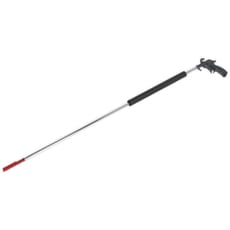
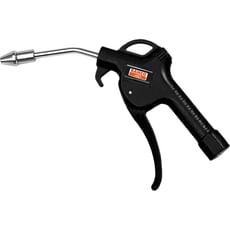
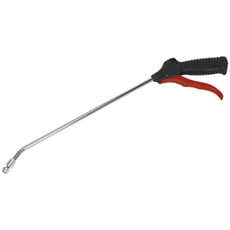
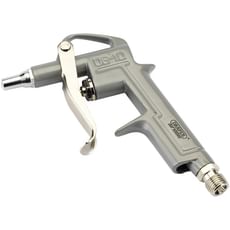
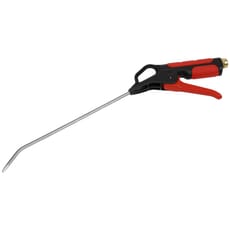
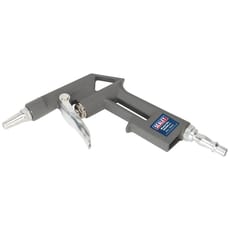
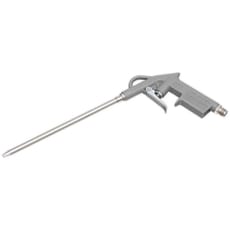
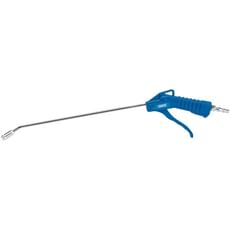
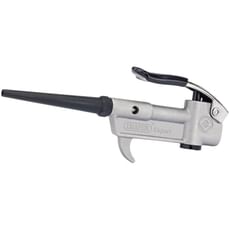
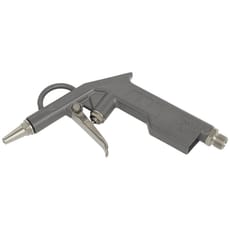
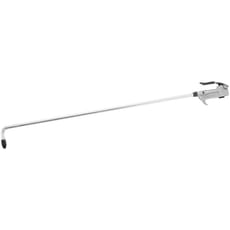
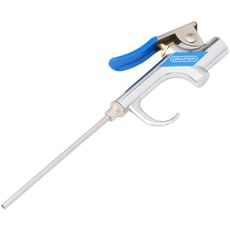
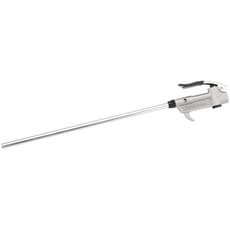
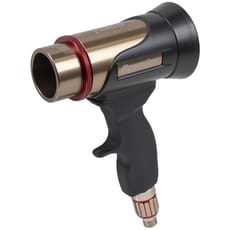
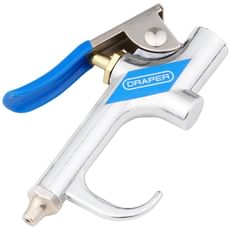
The selection at Tooled-Up.com encompasses specialist designs engineered for specific applications and working environments. Standard pistol-grip air blow guns feature ergonomic handles with variable trigger controls, providing precise air flow management during extended cleaning sessions. Stubby models offer enhanced manoeuvrability when working in cramped engine bays or confined machinery housings, whilst needle nose variants deliver pinpoint accuracy for detailed work on electronics, threaded components, and delicate assemblies. Right-angled designs prove invaluable when navigating around obstructions, and long reach extensions bring cleaning power to deep recesses that straight nozzles cannot penetrate.
Professional-grade air blow guns from trusted manufacturers including Sealey, Draper, Bahco, and Facom combine robust construction with safety-conscious engineering. Operating effectively at typical workshop pressures between 90-120 PSI, these tools incorporate adjustable nozzles, pressure relief features, and HSE-compliant safety designs that meet UK workplace regulations. Whether you're a professional tradesperson demanding reliable performance on demanding job sites or a dedicated DIY enthusiast maintaining a home workshop to professional standards, quality air blow guns deliver exceptional cleaning efficiency whilst conserving compressor capacity.
Jargon Buster
- CFM (Cubic Feet per Minute): The measurement of air volume flowing through the blow gun. Higher CFM ratings provide more aggressive cleaning action but require an air compressor capable of sustaining that continuous output without excessive duty cycling.
- PSI (Pounds per Square Inch): The pressure measurement indicating the force at which compressed air is delivered. Most air blow guns perform optimally between 90-120 PSI, though many applications achieve excellent results at lower pressures.
- Quick Release Coupling: A standardised connector system allowing rapid attachment and detachment from air hose lines without tools, essential for efficient tool changes during busy workshop operations across multiple air-powered equipment.
- Safety Nozzle: A specially engineered tip designed to comply with HSE guidelines by limiting maximum outlet pressure when blocked, typically restricting dead-end pressure to below 30 PSI to prevent injury from direct contact or accidental discharge.
- Venturi Effect: The aerodynamic principle employed in air curtain blow guns where high-velocity compressed air creates a vacuum that entrains ambient air, effectively multiplying total air flow for more efficient large-area cleaning with reduced compressor demand.
- Side Outlet Design: A configuration featuring exhaust ports positioned on the gun's side rather than rear, significantly reducing operator noise exposure and preventing debris from blowing back towards the user during intensive cleaning operations.
Who Uses Air Blow Guns?
Air blow guns serve as daily essentials across numerous trades and industries throughout the UK:
- Motor mechanics and automotive technicians – cleaning engine bays, brake assemblies, transmission components, and workshop benches
- Woodworkers and chippies – removing sawdust from machinery, clearing joints before gluing, and cleaning finished pieces before finishing
- Metal fabricators and welders – clearing grinding dust, metal filings, cooling components, and preparing surfaces for welding
- Spray painters and decorators – drying freshly painted surfaces, removing dust contamination before coating, and cleaning spray equipment
- Plant and machinery maintenance engineers – servicing industrial equipment, clearing debris from moving parts, and drying components after cleaning
- Electronics and precision engineers – using controlled low-pressure air to clean delicate circuit boards and sensitive components without physical contact
- Agricultural and groundcare engineers – maintaining machinery exposed to dust, chaff, grass clippings, and outdoor debris
- Manufacturing and production facilities – keeping workstations clean, machinery operating efficiently, and production areas meeting quality standards
- DIY enthusiasts with home workshops – general cleaning and maintenance of tools, projects, and workshop equipment
How to Choose the Right Air Blow Guns
Nozzle Configuration and Design: Consider which nozzle type best suits your primary applications. Standard straight nozzles handle general-purpose cleaning efficiently, whilst needle nose designs excel at directing pressurised air into threaded holes, intricate components, and tight recesses. Right-angled models prove essential when working around obstructions or in confined spaces where straight guns cannot achieve proper positioning. Long reach extensions bring cleaning power to deep cavities, machinery internals, and otherwise inaccessible areas.
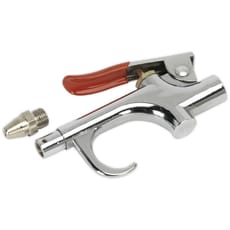
Trigger Control and Ergonomics: Variable trigger mechanisms allow precise air flow adjustment from gentle cleaning puffs for delicate electronics to maximum blast pressure for stubborn debris removal. Ergonomic pistol-grip designs reduce hand fatigue during extended cleaning sessions, particularly important for professional tradespeople using blow guns throughout their working day. Palm-style guns offer convenient one-handed operation for quick cleaning tasks and situations requiring your other hand to hold components.
Air Consumption and Compressor Compatibility: Match your blow gun's CFM requirements to your compressor's sustained output capacity. Using high-flow guns with undersized compressors results in disappointing performance, excessive compressor cycling, and shortened equipment life. Check your compressor's rated CFM at working pressure, then select a blow gun that operates comfortably within that capacity whilst leaving reserve for other simultaneous air tool operations.
Safety Features and Compliance: Professional environments require blow guns incorporating safety nozzles that comply with HSE recommendations by limiting dead-end pressure to safe levels. This proves particularly important in commercial workshops where multiple operators with varying experience levels may use the equipment. Side outlet designs reduce noise exposure and prevent debris blow-back towards operators.
Construction Quality and Durability: Professional-grade tools from manufacturers like Draper Expert, Sealey, Bahco, and Facom feature metal bodies, hardened internal components, and robust trigger mechanisms that withstand daily workshop abuse far better than budget plastic alternatives. Quality construction also ensures consistent performance and reliable sealing at connections.
Connection Standards: Most air blow guns available from Tooled-Up feature 1/4" BSP threaded inlets compatible with standard UK quick-release couplings, ensuring straightforward integration with existing workshop air line systems. Some industrial high-flow models may require larger connection sizes for optimal performance.
Popular Accessories
- Air compressors – from portable units for mobile work to stationary workshop models providing sustained high-volume output
- Air hoses and hose reels – reinforced rubber or hybrid polymer hoses with quick-release fittings for reliable air delivery and organised storage
- Quick-release couplings – standardised connectors enabling rapid tool changes without air loss or thread wear
- Interchangeable nozzle sets – extension tubes, angled adapters, and precision tips expanding application versatility
- Air line filters and regulators – removing moisture and contaminants whilst providing precise pressure control for optimal performance
- Air tool oil – pneumatic tool lubricant maintaining smooth internal operation and extending service life
- Thread sealant tape – ensuring leak-free connections at threaded joints throughout air line systems
- Safety glasses and hearing protection – essential PPE when operating compressed air equipment in workshop environments
Safety Information
Air blow guns demand careful handling to prevent injury and comply with UK workplace regulations. Never direct compressed air at yourself, colleagues, or others – even seemingly low-pressure air can cause serious harm if it enters the bloodstream through breaks in skin or penetrates sensitive areas such as eyes or ears. The HSE strongly recommends using safety nozzles that limit dead-end pressure to below 30 PSI when the outlet becomes blocked, preventing dangerous pressure build-up during accidental contact.
Always wear approved eye protection when operating air blow guns, as dislodged debris, metal particles, and dust travel at high velocity with potential to cause serious eye injuries. In industrial settings or during extended use, consider hearing protection as compressed air tools generate significant noise levels, particularly when operated in enclosed workshop spaces. Ensure adequate ventilation when blowing dust, grinding residue, or potentially hazardous particles to prevent respiratory exposure.
Never use compressed air to clean clothing whilst wearing it, and avoid directing air flow at any part of your body to remove dust or debris. Regularly inspect air lines and connections for wear, damage, or deterioration, ensuring secure fittings before pressurising the system. Store blow guns with air supply disconnected to prevent accidental discharge. Be particularly cautious when cleaning around flammable materials, as compressed air can disperse vapours and create ignition hazards in certain environments.
Frequently Asked Questions
What operating pressure should I use for my air blow gun?
Most air blow guns perform effectively between 90-120 PSI, though many applications achieve excellent results at lower pressures. Always use the minimum pressure necessary for the specific task – this conserves compressed air, reduces noise levels, improves safety, and extends compressor life. For delicate electronics, painted surfaces, or precision components, pressures between 30-60 PSI typically provide sufficient cleaning force without risk of damage.
Can I use an air blow gun to inflate tyres or sports equipment?
Standard air blow guns are specifically designed for cleaning and drying applications rather than inflation tasks. Whilst theoretically possible, they lack the proper chuck connection and integrated pressure gauge necessary for safe, controlled tyre inflation. Always use a dedicated tyre inflator with accurate pressure gauge for inflation work to ensure safety and prevent over-inflation damage.
Why does my air blow gun freeze up or form ice during extended use?
Compressed air cools rapidly as it expands through the nozzle due to thermodynamic principles, and any moisture present in the air line can freeze at the outlet during prolonged operation. Install an air line filter with moisture separator upstream from your blow gun to remove water vapour before it reaches the tool. Allow brief breaks during extended cleaning sessions to prevent excessive ice formation, and ensure your compressor includes proper air drying equipment.
Do I need special fittings to connect air blow guns to my existing compressor system?
Most air blow guns sold in the UK feature standard 1/4" BSP threaded inlets that connect directly to common quick-release couplings used throughout British workshops. Check your existing air line fittings – in most cases, your blow gun will attach directly without requiring adapters. Some professional high-flow models may specify larger connection sizes for optimal performance.
How do I properly maintain my air blow gun for long service life?
Apply several drops of pneumatic tool oil into the air inlet connection regularly (weekly with daily use), then briefly operate the gun to distribute lubricant throughout internal components. Periodically check and clean the nozzle to remove accumulated debris, dust, or paint overspray. Inspect trigger mechanisms for smooth operation and check all connections for secure fitting. Store tools in a dry environment when not in use to prevent internal corrosion from moisture accumulation.