
Air Conditioners

Pay in 3 interest-free payments on purchases from £20-£3000 with  . Learn more.


Loading...
End of content
Error - No more pages to load
About Air Conditioners
Air conditioners are essential climate control units designed to cool, dehumidify, and improve air quality in workshops, offices, retail spaces, and domestic environments. Whether you're working in a hot garage during summer, need to maintain comfortable conditions in a commercial setting, or want to create a pleasant atmosphere at home, a quality air conditioning unit can transform your space. Modern air conditioners range from portable single-room units perfect for spot cooling to more powerful systems capable of conditioning larger areas effectively.
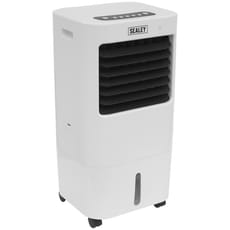
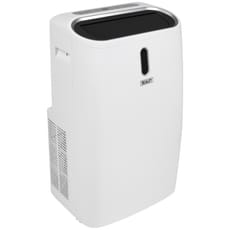
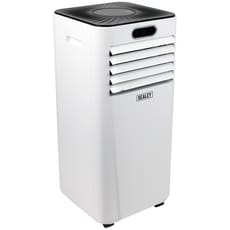
The selection at Tooled-Up.com includes portable air conditioning units, air coolers with humidification functions, and versatile multi-function units that combine cooling, heating, dehumidification, and air purification capabilities. Leading brands like Sealey and Rhino offer units with varying BTU ratings to suit different room sizes and cooling requirements. Many of these units feature convenient remote control operation, adjustable fan speeds, programmable timers, and energy-efficient modes to help manage running costs whilst maintaining optimal comfort levels.
From compact air coolers ideal for small workshops to powerful 16,000 BTU air conditioning systems suitable for larger commercial spaces, this category provides climate control solutions for tradespeople, business owners, and homeowners alike. Whether you need temporary cooling for a specific project, year-round temperature control with heating functionality, or specialised dehumidification for damp environments, you'll find suitable options amongst these portable and easy-to-install units.
Jargon Buster
- BTU (British Thermal Unit)
- A measurement of cooling capacity indicating how much heat an air conditioner can remove from a space per hour. Higher BTU ratings mean greater cooling power for larger rooms. As a guide, a 7,000 BTU unit suits rooms up to 15m², whilst 12,000+ BTU units are needed for spaces over 30m².
- Evaporative Cooling
- A natural cooling method used in air coolers that works by passing air over water-saturated pads, causing evaporation which lowers the air temperature. This process also adds moisture to the air, making it ideal for dry environments but less effective in humid conditions.
- Dehumidification
- The process of removing excess moisture from the air. Many air conditioning units include dehumidifier functions, typically measured in litres per day, which helps prevent condensation, mould growth, and creates a more comfortable working environment.
- Portable Air Conditioner
- A self-contained mobile cooling unit that doesn't require permanent installation. These units typically include castors for easy movement and use an exhaust hose (usually vented through a window or door) to expel hot air outside whilst cooling the interior space.
- EER (Energy Efficiency Ratio)
- A rating that indicates how efficiently an air conditioning unit converts electricity into cooling power. Higher EER ratings mean lower running costs and reduced energy consumption, which is particularly important for units running throughout the summer months.
- HEPA Filter
- High-Efficiency Particulate Air filters that capture 99.97% of airborne particles including dust, pollen, and other allergens. Units with HEPA filtration provide improved air quality, beneficial for workshops with fine dust or individuals with respiratory sensitivities.
Who Uses Air Conditioners?
- Motor mechanics and vehicle technicians working in garages and workshops where temperatures can become uncomfortably hot, especially when welding or using heat-generating equipment
- Electricians and electrical contractors who need to maintain comfortable conditions in plant rooms, server rooms, and electrical cabinets where equipment generates significant heat
- Joiners and cabinet makers working in enclosed workshops where sawdust control and temperature regulation are essential for both comfort and wood conditioning
- Retail shop owners and hospitality businesses requiring reliable climate control to ensure customer comfort and meet workplace temperature regulations
- Office managers and facilities teams responsible for maintaining comfortable working environments that comply with HSE guidelines on workplace temperatures
- Warehouse and storage facility operators who need to protect temperature-sensitive stock and create better working conditions for staff
- Construction site managers using portable units in site offices, cabins, and temporary structures during hot weather
- Homeowners and DIY enthusiasts seeking cost-effective cooling solutions for home workshops, conservatories, or living spaces without requiring permanent air conditioning installation
- Landlords and property managers providing climate control in rental properties, particularly in converted loft spaces and top-floor flats
How to Choose the Right Air Conditioners
Calculate Your Cooling Requirements: Measure your room or workspace in square metres and match this to the appropriate BTU rating. As a general rule, you need approximately 100-150 BTU per square metre. Factor in ceiling height, insulation quality, sun exposure, and heat-generating equipment when calculating requirements. Undersized units will struggle to cool effectively and run continuously, whilst oversized units will cycle on and off frequently, reducing efficiency and dehumidification performance.
Consider Multi-Function Capabilities: Decide whether you need additional functions beyond cooling. Units combining air conditioning with dehumidification are excellent for damp workshops or basements, whilst models offering heating functionality provide year-round climate control. Air purifier features with HEPA filtration benefit dusty workshop environments, and humidification functions help in dry conditions where static electricity or respiratory discomfort may be issues.
Assess Portability and Installation: Portable air conditioners offer flexibility to move between rooms or take to different job sites, but require access to a window or door for the exhaust hose. Check the hose length provided and whether window kits are included. Consider the unit's weight and whether castors are fitted for easy movement. Ensure you have suitable access to 240v power supplies and that the unit's amperage is compatible with your existing electrical circuits.
Evaluate Energy Efficiency: Check the unit's energy efficiency rating and estimated running costs, particularly if you'll be using it extensively throughout summer months. Higher efficiency models cost more initially but deliver savings on electricity bills over time. Look for units with programmable timers, sleep modes, and adjustable fan speeds which allow you to optimise energy consumption based on actual cooling needs.
Check Noise Levels: Air conditioner noise is measured in decibels (dB). Units operating at 50-55dB are relatively quiet and suitable for offices or domestic use, whilst 60-65dB units are acceptable for workshops but may be intrusive in quieter environments. Consider where the unit will be positioned and whether noise will affect concentration, customer experience, or neighbours if used in residential settings.
Review Maintenance Requirements: Regular maintenance ensures optimal performance and longevity. Check how easily filters can be accessed and cleaned, whether replacement filters are readily available, and what drainage arrangements are needed for condensate water. Some units feature automatic evaporation systems, whilst others require periodic emptying of collection tanks.
Popular Accessories
- Window sealing kits - adjustable panels and seals to create efficient exhaust hose connections without leaving windows wide open, improving cooling efficiency and security
- Replacement filters - HEPA filters, carbon filters, and pre-filters to maintain air quality and unit performance throughout the cooling season
- Extension hoses - longer exhaust hoses for positioning units further from windows or creating more flexible installation options
- Drainage hoses and pumps - continuous drainage solutions for units requiring regular condensate removal, eliminating manual tank emptying
- Smart plugs and timers - programmable controls for scheduling operation times, reducing energy consumption, and pre-cooling spaces before arrival
- Castor wheels and mobility kits - heavy-duty castors for easier movement of larger units between different work areas or storage locations
- Remote control batteries - replacement batteries for units with remote control functionality
- Protective covers - dust covers for seasonal storage, protecting units during winter months when not in use
Safety Information
Always ensure air conditioning units are connected to properly earthed 240v UK electrical outlets with appropriate circuit protection. Never overload extension leads or use damaged power cables. Position units on stable, level surfaces away from water sources, and maintain clearances specified in the manufacturer's instructions to ensure adequate airflow around air intake and exhaust vents.
When installing exhaust hoses through windows or doors, ensure seals are secure to prevent exhaust air recirculation, which significantly reduces cooling efficiency. Never obstruct or extend exhaust hoses beyond recommended lengths, as this can cause overheating and potential fire hazards. Regularly inspect hoses for damage, kinks, or blockages.
Keep fingers, tools, and other objects away from fan blades and ventilation grilles during operation. Allow units to cool down before performing maintenance or moving them. When cleaning or replacing filters, always disconnect the unit from the mains power supply. Follow HSE guidance regarding workplace temperatures and ensure adequate ventilation when using air conditioning in occupied spaces.
Be aware of condensate drainage arrangements and ensure water collection tanks are emptied regularly to prevent overflow. Some units automatically shut down when tanks are full, but this shouldn't be relied upon as the primary safety measure. Position units where leaks won't damage flooring, electrical equipment, or create slip hazards.
Frequently Asked Questions
What size air conditioner do I need for my workshop or room?
Measure your space in square metres and multiply by 100-150 to get the approximate BTU requirement. For example, a 20m² workshop needs approximately 2,000-3,000 BTU (around 7,000 BTU for comfortable cooling). Add 10% for rooms with large windows, poor insulation, top-floor locations, or significant heat-generating equipment. Available from Tooled-Up, 9,000-12,000 BTU units suit most single workshops and offices, whilst 16,000 BTU models handle larger commercial spaces effectively.
What's the difference between an air cooler and an air conditioner?
Air coolers use evaporative cooling technology, passing air over water-saturated pads to reduce temperature naturally. They're more economical to run, add moisture to the air, and don't require exhaust hoses, but are less effective in humid conditions and provide limited temperature reduction (typically 3-8°C). Air conditioners use refrigerant-based cooling to actively remove heat, providing more powerful cooling (10-15°C+ reduction) and dehumidification, but require exhaust venting and consume more electricity. Choose air coolers for budget-friendly spot cooling in dry environments, or air conditioners for genuine temperature control in any conditions.
Do portable air conditioners need to be vented outside?
Yes, portable air conditioners must vent hot exhaust air outside through windows, doors, or purpose-made vents using the supplied exhaust hose. Without proper venting, the unit will simply recirculate hot air, making the room warmer rather than cooler. The venting process is straightforward using included window kits, but you'll need access to a suitable opening. If external venting isn't possible, consider an evaporative air cooler instead, which doesn't require exhaust venting.
How much does it cost to run an air conditioning unit?
Running costs depend on the unit's power consumption (typically 800-1,500W for portable models), your electricity tariff, and usage duration. At average UK electricity rates of approximately 30p per kWh, a 1,000W unit costs around 30p per hour to run. A typical 7,000 BTU unit used for 8 hours daily throughout a three-month summer period might cost £70-£90 to operate. Energy-efficient models with programmable timers and automatic shut-off features help minimise costs whilst maintaining comfortable temperatures.
Can I use an air conditioning unit as a heater in winter?
Several models feature integrated heating functions, providing year-round climate control from a single unit. These multi-function units work as air conditioners in summer, heaters in winter, and dehumidifiers whenever needed. Whilst not as powerful as dedicated heating systems, they're excellent for taking the chill off workshops, offices, or home spaces during milder winter weather, and eliminate the need for separate heating equipment. Check individual product specifications to confirm heating capabilities and output ratings.