

Air Die Grinders
Pay in 3 interest-free payments on purchases from £30-2000 with  . Learn more.


 Loading...
End of content
Error - No more pages to load
About Air Die Grinders
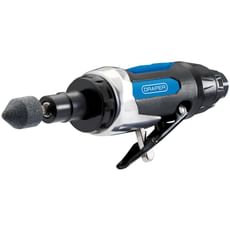
Air die grinders are precision pneumatic tools designed for detailed grinding, deburring, polishing and surface finishing applications where control and accuracy are essential. Powered by compressed air rather than electricity, these compact tools typically operate at speeds between 20,000 and 25,000 RPM, making them ideal for automotive repair, fabrication work, porting cylinder heads, and intricate finishing tasks in confined spaces. Their lightweight aluminium construction and ergonomic design enable extended use with minimal operator fatigue, whilst the pneumatic power source eliminates electrical hazards in damp workshop environments or potentially explosive atmospheres.
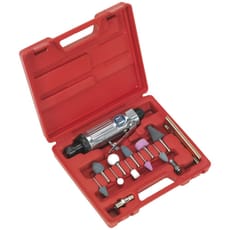
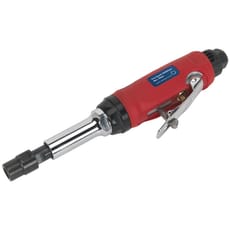
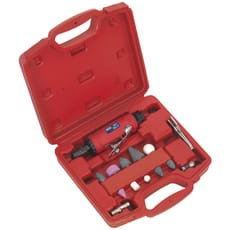
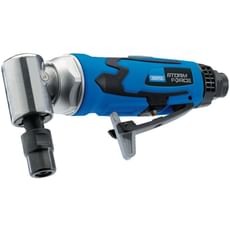
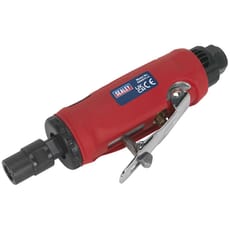
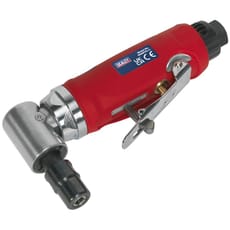
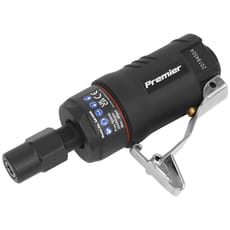
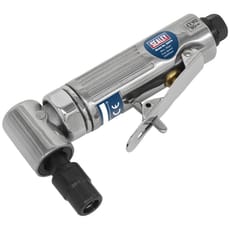
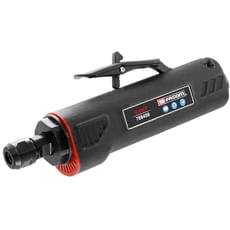
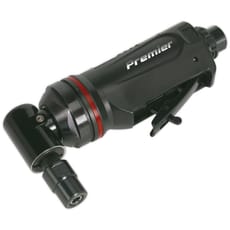
Tooled-Up.com stocks both straight die grinders for general-purpose grinding and deburring, and 90-degree angle die grinders specifically designed for accessing tight corners and awkward positions that straight models cannot reach. Long-reach variants provide essential access for deep cavity work on engine components and valve seats. Available from industry-leading brands including Sealey, Draper, and Facom, these professional-grade tools are offered as individual units or comprehensive kits complete with mounted points, grinding stones, carbide burrs, collets, and storage cases.
Most models feature standard 3mm or 6mm (1/4") collet capacities, accommodating an extensive range of mounted points and grinding attachments for different materials and finishing requirements. The throttle lever design provides precise speed control for delicate work, whilst the rear exhaust configuration directs air away from the workpiece, maintaining clear visibility throughout operations. With typical air consumption of 4-6 CFM at 90 PSI, these tools require a properly sized air compressor with adequate tank capacity—usually 50 litres minimum—for continuous professional use without frustrating pressure drops.
Jargon Buster
- CFM (Cubic Feet per Minute): The volume of compressed air the tool consumes during operation, typically 4-6 CFM for die grinders. Your air compressor must meet or exceed this requirement consistently for optimal performance and to avoid pressure drops during extended use.
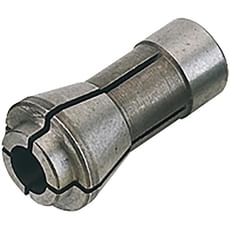
- Collet: The precision clamping mechanism that securely holds grinding bits, burrs, and mounted points in place. Standard sizes are 3mm and 6mm (1/4"), with some professional models accepting interchangeable collet sizes for greater versatility across different accessory types.
- Free Speed RPM: The maximum rotational speed the tool achieves without load, usually between 20,000-25,000 RPM for air die grinders. Actual working speed will be lower under load, depending on material hardness and grinding pressure applied.
- Operating Pressure (PSI/Bar): The recommended air pressure for the tool, typically 90 PSI (6.2 bar) for most air die grinders. Operating above recommended pressure increases speed but generates excessive heat and significantly reduces tool lifespan and bearing life.
- Mounted Points: Small grinding or polishing attachments with an integrated shaft that fits directly into the collet, available in various profiles including cylinder, cone, ball, and flame shapes, with different abrasive grits for specific materials and finishing requirements.
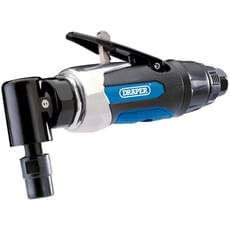
- Angle Die Grinder: A variant with a 90-degree angled head, allowing access to confined spaces, internal corners, and perpendicular surfaces that straight models cannot reach effectively, particularly useful for automotive bodywork and fabrication tasks.
Who Uses Air Die Grinders?
Air die grinders are essential tools across numerous professional trades and workshop applications:
- Motor Vehicle Technicians & Panel Beaters: Removing rust and corrosion, smoothing welds, deburring body panels, porting cylinder heads, and preparing surfaces for paint application
- Fabricators & Welders: Cleaning welds, grinding in tight spaces, deburring cut edges, and precision finishing on custom metalwork and structural fabrications
- Engineers & Machinists: Deburring machined components, surface finishing precision parts, and detailed grinding work in maintenance and manufacturing environments
- Agricultural & Plant Mechanics: Maintenance and repair work on machinery, equipment refurbishment, and fabrication tasks in farm and industrial workshop settings
- Body Shop Technicians: Preparing surfaces for refinishing, removing surface imperfections, smoothing filler, and detailed restoration work on classic and modern vehicles
- Metal Sculptors & Artisans: Detailed shaping, texturing, and finishing of artistic metalwork, sculptures, and decorative fabrications requiring precision control
- Maintenance Fitters: General workshop duties requiring precision grinding, surface preparation, and finishing work on industrial plant and equipment
- DIY Enthusiasts: Classic vehicle restoration, home metalwork projects, general workshop fabrication, and maintaining garden machinery and equipment
How to Choose the Right Air Die Grinders
Configuration Type
Straight die grinders offer superior control and visibility for general grinding applications, whilst 90-degree angle models excel in confined spaces, internal corners, and perpendicular surfaces common in automotive and fabrication work. Long-reach variants provide essential access to deep cavities in engine porting and valve work. Consider your typical applications when selecting configuration—many professionals maintain both straight and angle models for maximum versatility.
Air Compressor Compatibility
This is critical for satisfactory performance. Check your compressor's CFM output at 90 PSI and tank capacity. Most die grinders require 4-6 CFM for continuous operation. A compressor with at least 50-litre tank capacity and 2-3 HP motor will comfortably run a die grinder without constant cycling. Undersized compressors will struggle to maintain pressure, causing frustrating interruptions whilst the tank repressurises and significantly reducing productivity on site or in the workshop.
Collet Size & Capacity
Standard 6mm (1/4") collets accommodate the widest range of grinding accessories and carbide burrs available in the UK market. Some professional models accept 3mm collets for finer detailed work on delicate components. Complete kits including multiple collet sizes offer excellent versatility without requiring separate purchases. Verify collet quality—precision-machined collets provide better grip and reduce vibration during operation.
Build Quality & Duty Cycle
Professional-grade models from Sealey, Draper, and Facom feature robust aluminium bodies, precision-machined internal components, and replaceable bearings for extended service life under demanding conditions. Consider usage intensity—occasional DIY use versus daily professional applications require significantly different quality levels. Heavy-duty models withstand continuous workshop use and justify their premium cost through longevity and consistent performance.
Kit vs Individual Tool
Complete kits including assorted mounted points, grinding stones, spanners, collets, and storage cases represent excellent value for those starting out or expanding their pneumatic tool collection. The Tooled-Up range includes comprehensive kits from brands like Sealey and Draper with varying accessory assortments. Experienced users with existing accessory collections may prefer individual tools to avoid unnecessary duplication. Evaluate kit contents carefully—quality and variety of included accessories varies considerably between manufacturers and price points.
Ergonomics & Weight
Extended use demands comfortable handling and balanced design. Look for rubberised grip sections, well-balanced weight distribution, and rear exhaust positioning to direct air away from your hands during prolonged operation. Throttle lever placement and sensitivity significantly affect control—test the feel if possible before purchasing for professional use.
Popular Accessories
Maximise the versatility and capability of your air die grinder with these essential accessories:
- Mounted Point Sets: Comprehensive assortments in various profiles (cylinder, cone, ball, flame, tree) and abrasive grits for different materials, from aggressive stock removal to fine finishing work
- Carbide Burrs: Hardened cutting tools for rapid material removal, shaping, chamfering, and deburring on ferrous and non-ferrous metals, available in numerous profiles and cut patterns
- Additional Collets: Multiple sizes including 3mm and 6mm to accommodate different shank diameters and expand compatibility with your existing grinding accessory collection
- Air Line Filters & Regulators: Essential for removing moisture, oil, and contaminants from compressed air whilst maintaining consistent operating pressure for optimal tool performance and longevity
- Air Line Lubricators: Automatic lubrication systems that protect internal components, reduce wear on vanes and bearings, and significantly extend tool life with minimal maintenance effort
- Quick-Release Couplings: Enable rapid tool changes and secure, leak-free connections to air supply lines, improving workflow efficiency in busy workshop environments
- Polishing & Sanding Drums: For finishing work, surface preparation before painting or powder coating, and removing light surface rust or corrosion
- Safety Glasses & Face Shields: Essential PPE to protect against flying debris, sparks, and grinding particles during high-speed operations
- Reinforced Air Hose: High-quality rubber or hybrid hoses rated for workshop pressure with appropriate length for your working area, fitted with compatible quick-release fittings
Safety Information
Personal Protective Equipment
Always wear safety glasses or a full face shield to protect against flying debris and grinding particles. Hearing protection is essential as air die grinders frequently exceed 85dB during operation. Wear appropriate work gloves for grip and protection, though avoid loose-fitting types that could catch in rotating components. Respiratory protection may be necessary when grinding materials that produce harmful dust, particularly when working with galvanised steel, stainless steel, or composite materials.
Pre-Operation Checks
Carefully inspect mounted points and grinding accessories for cracks, chips, or damage before use—damaged accessories can shatter at high speed causing serious injury. Ensure all accessories are rated for speeds exceeding your tool's free speed RPM. Check that collets are tightened securely using the correct spanner, and verify that air connections are sound with no leaks. Never use accessories with shanks that don't fit properly in the collet.
Safe Operating Practices
Never exceed the manufacturer's recommended air pressure, as this generates excessive speed, heat, and dramatically increases risk of accessory failure. Allow the tool to reach full operating speed before contacting the workpiece to prevent kickback. Maintain a firm grip with both hands where possible, and position yourself to avoid injury should the tool slip or bind. Never lay down a die grinder whilst the accessory is still rotating—wait for complete stop. Ensure adequate ventilation when working indoors, particularly when grinding galvanised or coated materials that produce toxic fumes.
Workpiece Security
Always secure your workpiece properly in a vice or clamps before grinding operations. Hand-held items can spin violently or be pulled from your grasp, causing injury. Disconnect the air supply before changing accessories, performing maintenance, or leaving the tool unattended. Keep the work area clean and free from trip hazards, particularly air hoses which can create dangerous obstacles in busy workshops.
HSE Guidance
Familiarise yourself with HSE guidance on hand-held pneumatic tools and Control of Substances Hazardous to Health (COSHH) regulations, particularly regarding dust exposure from grinding operations. Implement appropriate dust extraction or ventilation measures where practicable, and maintain records of exposure assessments for professional workshop environments.
Frequently Asked Questions
What size air compressor do I need for a die grinder?
Most air die grinders require 4-6 CFM at 90 PSI for continuous operation. A compressor with at least 50-litre tank capacity and 2-3 HP motor will comfortably run a die grinder for extended periods without constant cycling. Smaller compressors will function but may cycle frequently, interrupting your workflow and reducing productivity. Always check your specific tool's requirements as consumption varies between models—professional heavy-duty grinders typically consume more air than compact models. Consider that using additional air tools simultaneously increases total CFM requirements significantly.
What's the difference between straight and angle die grinders?
Straight die grinders offer better control and direct line-of-sight for general grinding applications, making them ideal for edge work, surface finishing, and deburring accessible areas. Angle (90-degree) die grinders excel in confined spaces, internal corners, and perpendicular surfaces where straight models physically cannot reach, particularly valuable for automotive bodywork, engine bay access, and fabrication work on box sections. Many professional tradespeople maintain both configurations in their tool collection for maximum versatility across different applications and workspace constraints.
Can I use die grinder accessories in a Dremel-style rotary tool?
Generally no—die grinder accessories have larger shanks (typically 3mm or 6mm) designed for pneumatic tool collets, and are engineered for the much higher torque and different speed characteristics of air-powered tools. Dremel-style electric rotary tools use smaller shank sizes and different speed ratings. Attempting to use incompatible accessories risks poor performance, damage to the tool, and serious safety hazards. Always use accessories specifically designed and rated for your tool type to ensure safe operation and optimal results.
How do I maintain my air die grinder?
Add 2-3 drops of pneumatic tool oil into the air inlet before each use, or install an in-line air lubricator for automatic lubrication—this is essential for preventing premature wear. Regularly clean the tool exterior and exhaust ports to prevent debris build-up. After heavy use, disassemble the collet assembly and clean any accumulated grinding dust or metal particles. Periodically check for air leaks around seals and connections. Store in a dry environment and drain your compressor tank regularly to prevent moisture contamination which damages internal components. Professional workshop tools benefit from annual servicing to replace worn vanes and bearings.
Why does my die grinder lose power during use?
Power loss typically indicates insufficient air supply—either your compressor cannot maintain the required CFM output, there's a restriction in your air line, or operating pressure is set too low at the regulator. Check for kinked or undersized hoses, restrictive quick-release fittings that reduce flow, or excessive line length causing pressure drop. Verify your compressor's tank pressure and CFM rating matches tool requirements. Internal wear on vanes, bearings, or seals can also reduce performance in older tools, requiring servicing with replacement parts or tool replacement for heavily worn units.