

Air Drills
Pay in 3 interest-free payments on purchases from £30-2000 with  . Learn more.



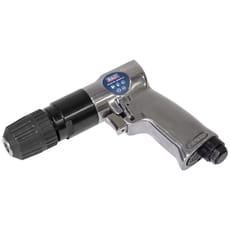
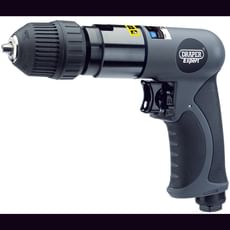
 Loading...
End of content
Error - No more pages to load
About Air Drills
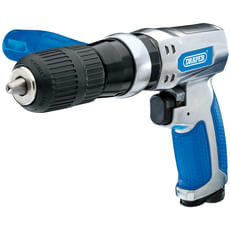
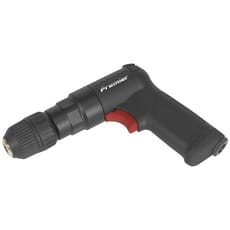
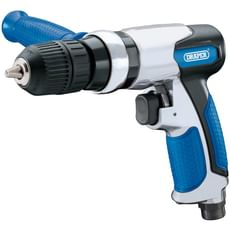
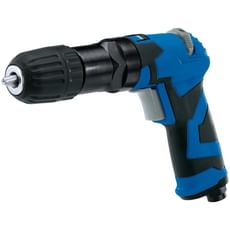
Air drills are pneumatic power tools that utilise compressed air to deliver consistent, high-performance drilling across wood, metal, plastic, and composite materials. Unlike electric alternatives, these tools offer exceptional power-to-weight ratios and sustained performance without heat build-up, making them ideal for repetitive drilling tasks in professional workshops, automotive facilities, and production environments. The compressed air operation eliminates concerns about battery depletion or motor overheating during extended use, whilst the lighter tool weight reduces operator fatigue during prolonged work sessions.
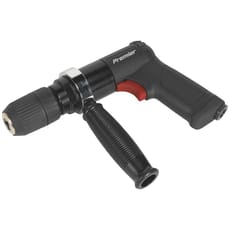
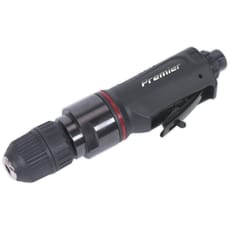
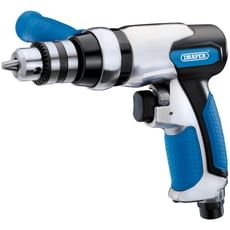
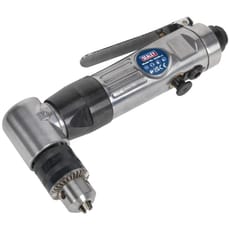
The selection at Tooled-Up.com encompasses air drills in three primary configurations: pistol grip models for general-purpose drilling with superior control, straight drills for confined spaces and overhead applications, and angle drills for accessing tight corners where conventional designs cannot reach. Chuck capacities typically range from 10mm for precision work to 13mm for heavy-duty applications, with most professional models featuring keyless chucks for rapid bit changes without requiring separate tools. Reversible motors add versatility for backing out jammed bits and removing fasteners, whilst super duty variants incorporate reinforced components for demanding industrial environments.
Trusted brands including Sealey and Draper dominate this category, offering both standard and heavy-duty specifications to suit various professional applications. Operating from workshop air compressor systems at typical pressures between 90-110 PSI, these tools deliver consistent torque output throughout the working day. The pneumatic design proves particularly advantageous in production settings where repetitive drilling demands reliable performance without the weight penalty or thermal limitations associated with electric motor-driven alternatives.
Jargon Buster
- CFM (Cubic Feet per Minute) – The volume of compressed air consumed by the drill during operation. Matching your compressor's CFM delivery to the tool's requirements ensures optimal performance without pressure drops that compromise drilling efficiency.
- Keyless Chuck – A hand-tightened chuck system allowing drill bit changes without separate keys, significantly reducing changeover time during multi-bit applications and eliminating the frustration of misplaced chuck keys.
- Free Speed (RPM) – The maximum rotational speed achieved by the chuck when operating without load, typically ranging from 1,800 to 4,500 RPM depending on model specification and intended application.
- PSI (Pounds per Square Inch) – The air pressure measurement indicating operating requirements, typically 90-100 PSI for most air drills. Maintaining correct pressure ensures consistent torque delivery and tool longevity.
- Reversible Motor – A function allowing clockwise and anticlockwise rotation, essential for extracting seized fasteners, removing jammed drill bits, and versatile workshop applications beyond conventional drilling.
- BSP Air Inlet – British Standard Pipe thread fitting (commonly 1/4" BSP) connecting the tool to compressed air supply lines via quick-release couplings for rapid attachment and disconnection.
Who Uses Air Drills?
Air drills serve essential functions across numerous professional trades and industrial applications:
- Motor Vehicle Technicians – Drilling and fastener removal during automotive repair, restoration, and panel replacement work
- Agricultural Engineers – Farm machinery maintenance and repair in workshop environments with established compressed air systems
- General Engineers – Precision drilling in metal fabrication, manufacturing, and production line applications
- Panel Beaters – Body repair work requiring lightweight, manoeuvrable drilling tools that won't cause operator fatigue
- Maintenance Fitters – Industrial facility repairs, equipment modifications, and preventative maintenance tasks
- Fabricators and Welders – Metal drilling applications where spark-free pneumatic operation provides safety advantages
- Production Line Operatives – Repetitive drilling tasks in manufacturing environments demanding consistent performance
- Coach Builders – Vehicle body construction and modification work requiring precision drilling in various materials
- DIY Enthusiasts – Home workshop users with existing compressor systems seeking professional-grade tool performance
How to Choose the Right Air Drills
Chuck Capacity: Select between 10mm and 13mm chuck sizes based on typical drill bit requirements. The 10mm variants provide excellent control for precision work and accommodate most standard drilling applications, whilst 13mm chucks suit heavy-duty operations requiring larger bit diameters in metalworking and fabrication environments.
Configuration Style: Pistol grip models deliver superior control and ergonomic comfort for general drilling tasks at various angles. Straight drills excel in confined spaces and reduce wrist strain during overhead applications or when drilling in alignment with the tool body. Angle drills prove essential for accessing tight corners, engine bays, and restricted areas where neither pistol nor straight configurations can operate effectively.
Air Supply Requirements: Verify your compressor delivers adequate CFM at the required PSI before purchase. Most air drills consume 4-6 CFM at 90-100 PSI operating pressure. Undersized compressors result in pressure drops, reduced performance, and frequent motor cycling that compromises productivity. Calculate total CFM demand if running multiple pneumatic tools simultaneously.
Duty Rating: Standard duty models suit occasional workshop use and light production applications, whilst super duty or industrial-rated variants incorporate reinforced gearing, premium bearings, and enhanced construction for continuous operation in demanding environments. Consider your typical daily usage duration when selecting appropriate specifications.
Chuck Type: Keyless chucks significantly improve efficiency by enabling rapid bit changes without separate tools, making them preferable for professional applications where time efficiency directly impacts productivity. Keyed chucks offer marginally better bit retention in extreme torque situations but prove less convenient during frequent bit swaps.
Reversible Function: Reversing capability adds versatility for automotive work, maintenance applications, and situations requiring fastener removal alongside drilling operations. This feature proves particularly valuable when dealing with seized bolts or extracting broken drill bits from workpieces.
Popular Accessories
Maximise the functionality and service life of your air drill with these complementary accessories:
- Reinforced Air Hose – Quality rubber or hybrid polymer hoses with quick-release couplings ensuring reliable compressed air delivery without pressure loss
- Pneumatic Tool Oil – Specialist lubricant for daily maintenance, preventing internal corrosion and maintaining optimal component performance
- In-Line Filter/Regulator Units – Remove moisture and contaminants from air supply whilst controlling pressure delivery to protect tool internals
- HSS Drill Bit Sets – High-speed steel bits suitable for drilling metal, wood, plastic, and composite materials in various diameters
- Cobalt Drill Bits – Premium bits for drilling hardened steel, stainless steel, and difficult materials requiring enhanced cutting edge durability
- Quick-Release Couplings – Fast-action connectors enabling rapid tool changes without threading or extended disconnection procedures
- In-Line Lubricator – Automatic lubrication system delivering consistent oil supply without manual application before each use
- Safety Glasses and Hearing Protection – Essential PPE for safe pneumatic tool operation in compliance with HSE guidance
Safety Information
Personal Protective Equipment: Always wear impact-resistant safety glasses or full-face protection when operating air drills to guard against flying debris, metal swarf, and airborne particles. Hearing protection is advisable during extended use as pneumatic tools frequently generate noise levels exceeding 85 decibels. Secure loose clothing, jewellery, and long hair away from rotating chuck components to prevent entanglement injuries.
Air Supply Safety: Never exceed the manufacturer's specified maximum PSI rating as overpressure causes premature component failure and potential hazardous tool breakage. Inspect air hoses regularly for abrasion, cracks, or damage, replacing immediately when deterioration appears. Ensure all connections seat securely before operation to prevent dangerous hose whiplash from pressurised disconnections. Follow HSE guidelines for compressed air equipment maintenance and safe working practices.
Tool Maintenance and Operation: Add 3-4 drops of pneumatic tool oil through the air inlet daily to lubricate internal components and prevent corrosion. Always disconnect the air supply completely before changing drill bits, adjusting chucks, or performing maintenance procedures. Verify drill bits seat fully in the chuck and tighten adequately to prevent ejection during operation. Inspect chuck jaws periodically for wear that compromises bit retention.
Work Area Considerations: Secure workpieces firmly using clamps or vices before drilling to prevent rotation or movement. Be aware that metal drilling generates sparks—maintain safe distances from flammable materials, fuel vapours, and explosive atmospheres. Ensure adequate ventilation in enclosed spaces as compressed air exhaust can displace oxygen in confined areas. Keep work surfaces clear of trip hazards including air hoses that present slip risks across walkways.
Frequently Asked Questions
What size air compressor do I need to operate an air drill effectively?
Most air drills require 4-6 CFM delivery at 90-100 PSI operating pressure. For occasional workshop use, a 50-litre receiver tank with 2-3 HP motor provides adequate performance. Professional applications demanding continuous operation benefit from 100-litre or larger tanks with higher CFM output to prevent frequent compressor cycling and maintain consistent pressure delivery. Always check the specific tool's air consumption specifications and allow 25-30% overhead capacity when sizing compressor systems.
How do air drills compare with cordless electric drills for professional use?
Air drills deliver superior power-to-weight ratios and maintain consistent performance without battery depletion or motor overheating during extended use sessions. They excel in repetitive production tasks and workshop environments with established compressed air infrastructure. However, pneumatic tools require compressors and air lines, limiting portability compared with cordless alternatives. Electric drills suit site work, remote locations, and applications without compressed air availability. The choice depends on your working environment and existing equipment infrastructure.
Do air drills require regular maintenance and lubrication?
Yes, pneumatic tools demand daily lubrication for optimal performance and longevity. Add 3-4 drops of specialist pneumatic tool oil through the air inlet before each use or at the start of each working day. This lubricates internal vanes, prevents corrosion, and maintains consistent torque delivery. In-line lubricator units automate this process for convenience in production environments. Additionally, drain moisture from the compressor tank regularly and replace air line filters to prevent water contamination reaching tool internals.
Can I use an air drill for driving screws and fasteners?
Whilst reversible air drills technically can drive screws, they lack the torque control, clutch mechanisms, and depth adjustment found in dedicated pneumatic screwdrivers. The constant speed delivery risks over-tightening, stripped threads, and damaged fastener heads. For fastening applications, Tooled-Up stocks purpose-designed pneumatic screwdrivers and impact drivers providing superior control, adjustable torque settings, and better results in assembly work.
What's the advantage of keyless chuck air drills over keyed versions?
Keyless chucks enable rapid bit changes by hand without separate tools, significantly improving productivity during multi-bit applications. They eliminate frustration from misplaced chuck keys and reduce changeover time in production environments. Modern keyless designs provide adequate bit retention for most drilling applications, making them preferable for professional use. Keyed chucks offer marginally better grip in extreme torque situations but prove less convenient for typical workshop drilling tasks requiring frequent bit swaps.