

Air Engravers

Pay in 3 interest-free payments on purchases from £20-£3000 with  . Learn more.

 Loading...
End of content
Error - No more pages to load
About Air Engravers
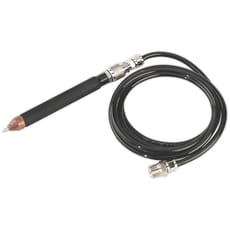
Air engravers are precision pneumatic tools designed for permanent marking, etching, and engraving across a wide variety of materials including metals, plastics, wood, glass, and ceramics. Powered by compressed air, these compact and versatile tools deliver rapid vibrating or oscillating action through a tungsten carbide needle or engraving tip, allowing tradespeople and professionals to create clear, permanent markings with exceptional control and accuracy. Whether you're marking tools for identification, engraving serial numbers for asset tracking, adding decorative details to metalwork, or applying compliance information to manufactured components, an air engraver provides a reliable and efficient solution for permanent marking applications across numerous industries.
Unlike electric engravers, pneumatic air engravers offer several distinct advantages that make them particularly popular in workshop environments. These include lighter weight for reduced operator fatigue, minimal heat generation during extended use, and consistent power delivery when connected to a suitable air compressor. The ergonomic design of most air engravers allows for comfortable single-handed operation, making them ideal for detailed work that requires precision and steady control. With adjustable air pressure settings, users can modify the engraving depth and speed to suit different materials and applications, from delicate glass etching to robust steel marking, providing exceptional versatility in a single tool.
Tooled-Up.com stocks quality air engravers from trusted brands like Sealey, along with essential replacement parts such as tungsten carbide engraving needles to keep your equipment performing at its best. These professional-grade tools are built to withstand the demands of workshop and site work, delivering consistent results project after project whilst offering excellent value compared to more expensive electric alternatives for businesses that already have compressed air systems installed.
Jargon Buster
- Pneumatic Tool - A tool powered by compressed air rather than electricity or battery, requiring connection to an air compressor via an air line. Pneumatic tools are valued for their durability, consistent power output, and reduced maintenance requirements compared to electric equivalents.
- Tungsten Carbide Needle - The hardened engraving tip used in air engravers, made from tungsten carbide for exceptional wear resistance and the ability to mark even the hardest materials including stainless steel and hardened alloys. These needles are replaceable consumable items that require periodic replacement depending on usage intensity.
- CFM (Cubic Feet per Minute) - The measurement of air volume flow rate required to operate a pneumatic tool effectively. Air engravers typically require relatively low CFM compared to other air tools like impact wrenches or spray guns, making them suitable for smaller compressors commonly found in modest-sized workshops.
- Operating Pressure (PSI/Bar) - The recommended air pressure at which the tool should operate for optimal performance. Most air engravers work efficiently at around 90 PSI (6.2 bar), though this can often be adjusted for different materials, with softer materials requiring lower pressure to prevent damage.
- Reciprocating Action - The rapid back-and-forth vibrating motion of the engraving needle that creates the marking effect. This high-frequency action allows for smooth, controlled engraving without excessive force, producing cleaner results than manual scribing or stamping methods.
- BSP (British Standard Pipe Thread) - The standard thread type used on UK pneumatic tools and air fittings, typically 1/4" BSP for air engravers, ensuring compatibility with British air line systems and compressors without requiring additional adaptors or converters.
Who Uses Air Engravers?
Air engravers are invaluable tools across numerous trades and industries where permanent marking and identification are essential:
- Fabricators and Welders - for marking part numbers, weld identifications, project references on metal components, and batch tracking information on fabricated assemblies
- Mechanics and Motor Engineers - for engraving tool identification, marking engine components, asset tracking in workshops, and recording service information on equipment
- Construction Site Managers - for marking equipment and tools with company details to prevent loss or theft on busy sites where multiple contractors operate
- Plant and Machinery Operators - for adding safety information, serial numbers, maintenance records to equipment, and compliance markings required by regulations
- Electricians and Electrical Engineers - for marking cable identification, panel references, equipment labels, and creating permanent records for inspection purposes
- Jewellers and Engravers - for decorative engraving work on precious metals, personalisation services, and hallmarking applications
- Quality Control Inspectors - for marking batch numbers, inspection dates, compliance information on manufactured goods for traceability purposes
- Tool Hire Companies - for permanent identification marking on rental equipment to prevent loss and aid inventory management
- Manufacturing Facilities - for product identification, traceability marking, quality assurance processes, and meeting regulatory requirements
- DIY Enthusiasts and Hobbyists - for personalising projects, marking valuable tools, creative craftwork, and customising personal equipment
How to Choose the Right Air Engravers
Air Compressor Compatibility: Ensure your existing air compressor can deliver the required CFM and PSI for the engraver. Most air engravers operate efficiently at 90 PSI and require relatively modest air consumption, making them suitable for smaller workshop compressors with 24-50 litre tank capacities. Check the tool's specifications against your compressor's output capacity to avoid disappointing performance or the need for costly compressor upgrades.
Intended Materials: Consider what materials you'll primarily be engraving. Harder materials like stainless steel, hardened alloys, and tool steel require a robust tool with good power delivery and quality tungsten carbide needles, whilst softer materials like aluminium, brass, plastics, and wood are less demanding on the equipment. If you'll be working with mixed materials, ensure the tool offers adjustable pressure settings for versatility.
Ergonomics and Weight: For extended use or detailed work requiring steady control, a lightweight, well-balanced air engraver will significantly reduce operator fatigue and improve accuracy. Look for models with comfortable grip designs, good weight distribution, and vibration dampening features. Composite-bodied tools from brands like Sealey offer excellent durability whilst remaining lightweight for prolonged use.
Needle Availability: Check that replacement tungsten carbide needles are readily available from Tooled-Up and reasonably priced. These are consumable items that will need periodic replacement depending on usage intensity, so ongoing availability is essential for long-term use without work interruptions. Consider purchasing spare needles at the time of tool purchase.
Build Quality: Professional-grade air engravers from reputable brands offer superior durability and consistent performance compared to budget alternatives. Robust construction with quality internal components will provide years of reliable service in demanding workshop environments, making them a worthwhile investment for regular users.
Adjustability: Models with adjustable power settings offer greater versatility across different materials and applications, allowing you to fine-tune the engraving depth and speed for optimal results. This adjustability also helps extend needle life by allowing you to use only the power necessary for each specific task.
Popular Accessories
To get the most from your air engraver and maintain optimal performance, consider these essential accessories and complementary products available from Tooled-Up:
- Replacement Tungsten Carbide Needles - essential consumables that should be kept in stock for uninterrupted work, particularly if you're engraving hard materials regularly
- Air Line Hoses - quality reinforced air hoses in appropriate lengths for workshop or site use, with proper BSP fittings for secure connections
- Quick Release Couplers - BSP fittings for rapid tool connection and disconnection from air lines, improving workflow efficiency when switching between tools
- Air Line Filter Regulator - removes moisture and contaminants from compressed air whilst allowing pressure adjustment for different materials and applications
- Air Line Lubricator - ensures proper lubrication of internal pneumatic components for extended tool life and consistent performance
- Air Compressor - if you don't already have one, a suitable compressor rated for the tool's CFM and PSI requirements
- Safety Glasses or Goggles - essential PPE to protect eyes from material particles and debris during engraving operations
- Dust Masks or Respirators - particularly important when engraving materials that produce fine dust particles such as metals or treated woods
- Engraving Stencils - for creating consistent, professional lettering and numbering on marked components
- Metal Marking Fluid - can be applied to surfaces before engraving to improve visibility of marks on reflective materials
- Pneumatic Tool Oil - specialist lubricant for maintaining air tool performance and preventing internal corrosion
Safety Information
Personal Protective Equipment: Always wear appropriate safety glasses or goggles to protect your eyes from flying debris and material particles generated during engraving. Depending on the material being engraved, consider wearing a dust mask or respirator to avoid inhaling fine particles, particularly when working with metals, treated woods, or materials that may produce harmful dust. Work gloves can provide additional protection, though ensure they don't compromise grip or control of the tool.
Compressed Air Hazards: Never exceed the manufacturer's recommended operating pressure, as this can damage the tool, cause premature needle failure, and create safety hazards. Ensure all air line connections are secure before operation, and never point the tool at yourself or others, even when disconnected. Be aware that compressed air lines can whip dangerously if disconnected under pressure. Always disconnect the air supply before changing needles or performing any maintenance work on the tool.
Work Area Considerations: Maintain good ventilation in your workspace, especially when engraving materials that may produce harmful dust or fumes. Secure workpieces properly before engraving using clamps or vices to prevent movement that could cause the needle to slip and potentially cause injury. Keep your work area well-lit and organised to maintain clear visibility and reduce accident risk. Ensure bystanders maintain a safe distance during operation.
Tool Maintenance and Compliance: Regularly inspect the engraving needle for wear or damage, replacing it when necessary. A damaged or worn needle can break during use, potentially causing injury or producing poor quality results. Follow HSE guidelines for workplace safety and COSHH regulations when working with materials that produce hazardous dust. Ensure you're familiar with the tool's operation manual before first use, and maintain a log of maintenance activities for commercial workshop environments.
Frequently Asked Questions
What size air compressor do I need to run an air engraver?
Most air engravers require relatively modest air consumption compared to other pneumatic tools, typically operating at around 90 PSI with low CFM requirements of approximately 4 CFM or less. A small to medium-sized workshop compressor with a 24-50 litre tank capacity is usually more than sufficient for continuous operation. Check your specific model's specifications, but air engravers are among the least demanding pneumatic tools and can often run successfully on smaller compressors that might struggle with air sanders, impact wrenches, or spray guns. This makes them an excellent entry-level pneumatic tool for workshops building their compressed air capabilities.
How long do tungsten carbide engraving needles last?
Needle life depends heavily on the materials you're engraving and frequency of use. When primarily working with softer materials like aluminium, brass, or plastics, a needle might last several months of regular use before requiring replacement. However, frequent engraving of hardened steel, stainless steel, or very hard materials will wear needles more quickly, potentially requiring replacement after a few weeks of intensive use. Signs that a needle needs replacing include reduced marking clarity, increased vibration, or difficulty penetrating material surfaces. Keep spare needles on hand to avoid work interruptions, particularly if you rely on the tool for production work.
Can I use an air engraver on glass and ceramics?
Yes, air engravers work well on glass, ceramics, tiles, and similar brittle materials when used correctly. However, use lower air pressure settings (typically 60-70 PSI rather than the full 90 PSI) and a lighter touch compared to metalwork to avoid cracking or chipping. Practice on scrap pieces first to develop the right technique and pressure for these delicate materials. The vibrating action of an air engraver is generally more controllable than rotary tools for fine glass etching work, making it ideal for personalisation services, decorative work, and creating custom glassware.
What's the difference between an air engraver and an electric engraver?
Air engravers are generally lighter, generate less heat during extended use, and provide more consistent power delivery when connected to an adequate compressor. They're also typically more durable in harsh workshop environments with fewer electrical components to fail. Electric engravers offer greater portability without needing a compressor and air lines, making them more convenient for site work or locations without compressed air systems. For workshop-based professionals with existing air compressor systems, pneumatic models often provide better value and performance, whilst mobile tradespeople might prefer the convenience of cordless electric alternatives.
Do I need to lubricate my air engraver?
Yes, like most pneumatic tools, air engravers benefit from proper lubrication to maintain optimal performance and extend tool life significantly. Add a few drops of pneumatic tool oil into the air inlet before each use, or install an inline air line lubricator that automatically delivers oil mist with the compressed air for convenience. Regular lubrication prevents internal component wear, reduces friction, prevents corrosion from moisture in compressed air, and ensures smooth operation. Failure to lubricate properly will result in reduced performance, increased vibration, and premature tool failure, so this maintenance step shouldn't be neglected.