

Air Grease Guns
Pay in 3 interest-free payments on purchases from £30-2000 with  . Learn more.
 Loading...
End of content
Error - No more pages to load
About Air Grease Guns
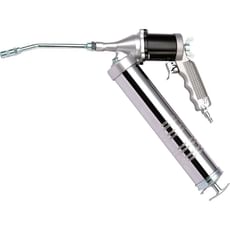
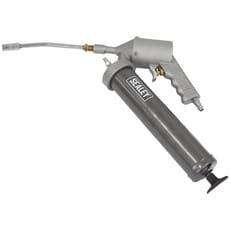
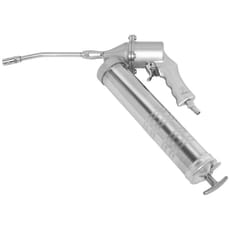
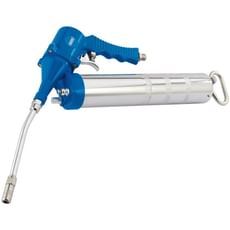
Air grease guns are pneumatic lubrication tools designed to deliver grease efficiently and consistently to machinery, vehicles, and equipment. Powered by compressed air rather than manual pumping or battery power, these professional-grade tools excel in workshop environments where a compressed air supply is readily available. By connecting directly to a standard workshop compressor system, air grease guns eliminate operator fatigue whilst delivering controlled, high-pressure grease application typically between 6,000 and 10,000 PSI. This makes them indispensable in busy garages, industrial maintenance facilities, and agricultural workshops where multiple greasing points require regular attention.
The selection at Tooled-Up.com includes pistol grip models for comfortable one-handed operation and continuous flow designs for uninterrupted grease delivery during high-volume tasks. Most air grease guns accept standard 400g grease cartridges for convenience, whilst professional bulk-fill versions accommodate direct loading from larger containers, offering significant cost savings for frequent users. Leading manufacturers such as Sealey, Draper, and Lumatic produce robust air-operated grease guns engineered to withstand demanding daily workshop use, featuring durable steel and aluminium construction with sealed mechanisms that resist contamination.
When connected to a compressor system operating at 90 PSI, these pneumatic tools transform time-consuming manual greasing into swift, efficient operations. The consistent pressure delivery ensures proper penetration of grease into bearings, joints, and moving parts, helping prevent premature wear and costly machinery downtime. With typical air consumption of just 4-6 CFM, air grease guns place minimal demand on standard workshop compressors whilst delivering superior performance compared to manual alternatives.
Jargon Buster
- PSI (Pounds per Square Inch) – The measurement of pressure at which grease is delivered. Air grease guns typically require 90 PSI input air pressure and deliver grease at substantially higher pressures, usually between 6,000-10,000 PSI, ensuring effective penetration into seized nipples and long feed lines.
- CFM (Cubic Feet per Minute) – The volume of compressed air consumed during operation. Most air grease guns require between 4-6 CFM, making them compatible with standard 50-100 litre workshop compressors without compromising performance.
- Continuous Flow Operation – A design feature enabling uninterrupted grease delivery without releasing and re-applying pressure between strokes. This significantly speeds up lubrication tasks when servicing equipment with multiple greasing points.
- Bulk Fill Capability – The ability to load grease directly into the gun's reservoir from larger containers rather than using pre-packaged cartridges. This offers considerable cost savings for high-volume users in commercial workshops.
- Quick Connect Coupler – The pneumatic fitting that attaches the air supply hose to the grease gun, allowing rapid connection and disconnection from compressed air line systems. Standard ¼" BSP fittings are most common in UK workshops.
- Delivery Hose – The flexible hose extending from the gun body to the grease nozzle, typically 300-600mm in length. Quality delivery hoses resist kinking and provide access to recessed or awkward greasing points on machinery and vehicles.
Who Uses Air Grease Guns?
- Vehicle Mechanics and Auto Electricians – servicing suspension components, steering linkages, universal joints, and chassis grease points on cars, vans, and light commercial vehicles
- HGV and Plant Mechanics – maintaining heavy goods vehicles, agricultural machinery, construction equipment, and plant hire fleets with numerous greasing points requiring frequent attention
- Agricultural Engineers – lubricating tractors, combine harvesters, balers, and farm machinery with extensive moving parts exposed to demanding outdoor conditions
- Fleet Maintenance Technicians – conducting scheduled lubrication across commercial vehicle fleets, ensuring compliance with maintenance intervals and minimising vehicle downtime
- Industrial Maintenance Teams – servicing factory machinery, conveyor systems, production line equipment, and material handling apparatus in manufacturing environments
- MOT Testing Stations – ensuring vehicles meet roadworthiness standards through proper lubrication of suspension and steering components during inspections
- Plant Hire Companies – performing routine maintenance on excavators, telehandlers, loaders, and other heavy plant equipment between rental periods
- Railway Workshop Technicians – maintaining rolling stock, trackside equipment, and depot machinery requiring regular lubrication schedules
- Marine Engineers – servicing boats, ships, harbour equipment, and dockside machinery exposed to harsh saltwater environments
How to Choose the Right Air Grease Guns
Compressor Compatibility: Verify your workshop air compressor can deliver the required 90 PSI operating pressure and 4-6 CFM air consumption consistently. If running multiple pneumatic tools simultaneously, ensure your compressor has sufficient CFM reserve to maintain pressure without cycling constantly. A 50-litre compressor with 2-3 HP motor typically suffices for single-tool operation, whilst busier workshops benefit from 100-litre or larger units.
Loading Method: Choose between cartridge-fed models accepting standard 400g grease cartridges for convenience and quick changes, or bulk-fill designs allowing direct loading from larger containers. High-volume commercial users and fleet maintenance operations often prefer bulk-fill systems to reduce consumable costs, whilst mobile mechanics may favour the cleanliness and simplicity of cartridge systems.
Trigger Design and Operation: Pistol grip designs offer comfortable one-handed operation with precise control over grease delivery, ideal for general workshop use. Continuous flow models provide uninterrupted delivery without repeated trigger actuation, significantly accelerating tasks involving multiple greasing points such as agricultural equipment or construction plant maintenance.
Delivery Hose Specification: Longer flexible hoses (typically 300-600mm) improve access to recessed greasing points on large machinery and vehicle undercarriages. Quality hoses resist kinking and maintain flexibility in cold workshop conditions. Some models include both flexible and rigid angular delivery tubes, offering versatility for different applications.
Construction Quality: Professional-grade models from brands like Sealey, Draper, and Lumatic feature robust steel and aluminium construction rather than plastic components, ensuring longevity under daily commercial use. Sealed mechanisms prevent grease contamination of internal air passages, maintaining consistent performance over extended periods.
Pressure Rating: Higher delivery pressures (8,000-10,000 PSI) ensure grease penetrates seized or corroded nipples and reaches bearings through extended feed lines. Commercial applications typically demand guns delivering at least 6,000 PSI to guarantee effective lubrication across varied equipment conditions.
Fittings and Nozzles: Confirm the gun accepts standard grease nipple fittings common throughout UK workshops, typically ¼" BSP connections. Models supplied with multiple nozzle types or adaptors add versatility when servicing diverse equipment with different greasing point configurations.
Popular Accessories
- Grease Cartridges – Standard 400g cartridges available in various formulations including multi-purpose lithium grease, high-temperature grease, marine-grade options, and specialist compounds for extreme conditions
- Pneumatic Air Hoses – Quality rubber or hybrid polymer hoses with appropriate quick-release couplers rated for workshop compressed air systems, typically 6-10mm internal diameter
- Grease Nipple Sets – Replacement and conversion nipples in various thread sizes (M6, M8, M10, 1/8" BSP) and angles including straight, 45-degree, and 90-degree configurations
- Extension Hoses – Additional length flexible delivery hoses providing extended reach for difficult access points on large agricultural machinery and construction equipment
- Air Line Filters and Lubricators – In-line filtration units removing moisture and contaminants whilst lubricating pneumatic tools, essential for protecting air grease guns and ensuring consistent performance
- Nozzle Adaptors – Various fittings and couplers for different grease point configurations, including button head, hydraulic, and metric thread adaptors
- Bulk Grease Containers – Large tubs (5kg, 10kg) and drums (25kg, 50kg) of grease for economically refilling bulk-fill systems in high-volume commercial operations
- Wall-Mounted Tool Holders – Storage brackets and hangers keeping grease guns organised, accessible, and preventing hose damage when not in use
- Air Pressure Regulators – Dial gauge regulators allowing precise air pressure adjustment for different applications and grease viscosities
Safety Information
Personal Protective Equipment: Always wear safety glasses or goggles when operating air grease guns, as high-pressure grease discharge can cause serious eye injuries. Disposable nitrile gloves protect skin from prolonged grease contact which may cause dermatitis or skin sensitisation. Ensure adequate workshop ventilation, particularly when using specialised greases containing solvents or additives.
High-Pressure Hazards: Never point an air grease gun at yourself, colleagues, or body parts. The extremely high delivery pressures (6,000+ PSI) can inject grease under the skin, causing severe tissue damage and potentially life-threatening complications requiring immediate medical attention. Always relieve system pressure before disconnecting hoses, changing cartridges, or performing maintenance.
Equipment Inspection: Regularly examine hoses, fittings, seals, and connections for wear, cracks, splitting, or damage. Compromised components can fail catastrophically under pressure, creating dangerous whipping hoses and grease discharge. Replace worn parts immediately and never exceed manufacturer-specified operating pressures.
COSHH Compliance: Consult safety data sheets for specific greases being used, as some specialised lubricants contain substances requiring additional precautions under Control of Substances Hazardous to Health regulations. Dispose of used grease cartridges, contaminated materials, and waste grease in accordance with local environmental regulations and waste management requirements.
Compressed Air Safety: Ensure all air line connections are properly secured before pressurising the system. Loose fittings can disconnect violently when under pressure, causing injury. Follow HSE guidelines for compressed air safety in workshop environments, including proper hose routing to prevent trip hazards and maintaining compressor equipment according to manufacturer schedules.
Frequently Asked Questions
What size air compressor do I need for an air grease gun?
Most air grease guns require 90 PSI operating pressure with 4-6 CFM air consumption. A standard 50-litre workshop compressor with a 2-3 HP motor easily handles these requirements for occasional use. For continuous operation or running multiple pneumatic tools simultaneously, consider a larger 100-litre or 150-litre compressor with higher CFM output to maintain consistent pressure without excessive motor cycling. Professional workshops often opt for 200-litre belt-driven compressors providing ample reserve capacity.
Can I use any type of grease in an air grease gun?
Air grease guns work effectively with most standard automotive and industrial greases including lithium-based multi-purpose, calcium-based, high-temperature, and marine formulations. However, very thick or cold grease may not flow properly through the delivery system. Always use grease appropriate for your specific application and ensure it's at workable temperature – cold workshops may require warming cartridges before use. Avoid mixing different grease types in the same gun without thorough cleaning, as incompatible formulations can separate or harden.
Why won't my air grease gun deliver grease effectively?
Common causes include insufficient air pressure (verify your compressor delivers 90 PSI at the tool), air trapped in the grease chamber (bleed air by operating without a nozzle attached until grease flows cleanly), blocked or damaged nozzles requiring cleaning or replacement, seized or corroded grease nipples on equipment needing manual cleaning, or incorrectly loaded cartridges. When installing cartridges, ensure end seals are completely removed and the internal follower properly engages the grease. Also check delivery hoses for splits or blockages.
How often should I lubricate equipment with an air grease gun?
Lubrication frequency depends entirely on equipment type, operating conditions, and manufacturer recommendations. Agricultural machinery and construction plant typically require greasing every 8-10 operating hours or daily during intensive use. Vehicle suspension components generally need greasing every 5,000-10,000 miles, though older vehicles with grease nipples may require more frequent attention. Always consult manufacturer service schedules as primary guidance, and increase lubrication frequency in dusty, wet, high-temperature, or heavy-load conditions that accelerate grease breakdown.
Are air grease guns better than manual or battery-powered alternatives?
Air grease guns excel in workshops with existing compressed air infrastructure, offering continuous operation without battery charging or manual pumping fatigue. They're significantly faster and less tiring for high-volume work than manual guns, and more economical than battery-powered models for constant daily use. However, they lack the portability of cordless battery versions and require air line connections, making them best suited to fixed workshop locations rather than mobile field servicing. Tooled-Up stocks all three types, allowing tradespeople to select the most appropriate tool for their specific working environment and application requirements.