
Air Nibblers

Pay in 3 interest-free payments on purchases from £20-£3000 with  . Learn more.
Loading...
End of content
Error - No more pages to load
About Air Nibblers
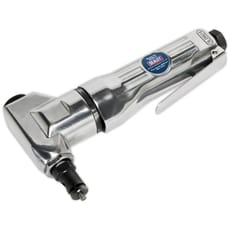
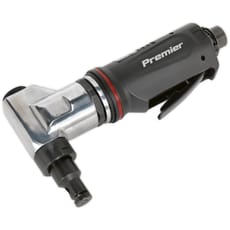
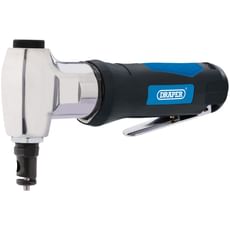
Air nibblers are specialised pneumatic cutting tools designed to make precise, intricate cuts in sheet metal without distortion or burrs. Unlike shears or angle grinders, these tools use a reciprocating punch and die mechanism to remove a thin strip of material as they cut, allowing for tight curves, complex patterns, and exceptionally clean edges in materials such as steel, aluminium, stainless steel, plastic, and wire mesh. Powered by compressed air, air nibblers deliver consistent performance across demanding applications, from roofing and cladding work to automotive fabrication and HVAC installations.
Tooled-Up.com stocks professional-grade air nibblers from trusted brands including Sealey and Draper, alongside essential replacement parts such as punches and dies to keep your tools performing at their best. These tools typically feature adjustable cutting heads for improved manoeuvrability, with cutting capacities ranging from thin gauge aluminium to mild steel up to 2.5mm thick. Air nibblers excel where accuracy and finish quality matter, making them indispensable for sheet metal workers, fabricators, and roofing professionals who demand clean, repeatable results without the heat-affected zones associated with grinding or plasma cutting.
Whether you're cutting corrugated roofing sheets, fabricating custom metalwork, or trimming automotive panels, air nibblers offer the precision and control that power shears and cutting discs simply cannot match. With proper maintenance and the correct punch and die combinations, these versatile tools deliver years of reliable service on site and in the workshop, handling everything from delicate detail work to production cutting tasks.
Jargon Buster
- Punch and Die: The cutting mechanism of an air nibbler, consisting of a reciprocating punch that pushes material through a stationary die, creating a narrow cutting kerf and removing a thin strip of waste material with each stroke.
- Cutting Capacity: The maximum thickness of material (typically measured in millimetres) that the nibbler can effectively cut, which varies by material type - steel, aluminium, stainless steel, and plastic each have different cutting limits.
- Stroke Rate (SPM): Strokes per minute - the speed at which the punch reciprocates through the die, typically ranging from 1,800 to 2,500 SPM on professional air nibblers, with higher rates generally producing faster cutting speeds.
- Minimum Cutting Radius: The tightest curve or corner the nibbler can navigate, determined by the punch and die configuration and the tool head design, typically between 20mm and 50mm for standard models.
- CFM (Cubic Feet per Minute): The volume of compressed air required to operate the nibbler at optimal performance, usually between 4-6 CFM at 90 PSI for most professional models - critical for ensuring your compressor can adequately power the tool.
- Kerf Width: The width of material removed during cutting, typically 4-6mm for air nibblers, which must be factored into cutting layouts when precision dimensions are required.
Who Uses Air Nibblers?
Air nibblers are essential tools for a wide range of trades and applications:
- Roofers and Cladding Specialists: Cutting corrugated and profiled metal roofing sheets, flashing, box gutters, and architectural cladding systems without damaging protective coatings.
- Sheet Metal Workers and Fabricators: Precision cutting, profiling, and trimming of steel, aluminium, and stainless steel components in workshop and site fabrication.
- HVAC Engineers: Cutting ductwork, ventilation panels, and custom fittings requiring clean edges and minimal distortion.
- Vehicle Body Repairers and Restorers: Trimming automotive panels, removing damaged sections, and creating custom bodywork without heat damage to surrounding areas.
- Signage Manufacturers: Cutting aluminium composite panels, thin gauge metals, and plastic sheets for sign fabrication and shopfitting applications.
- Maintenance Engineers: Site modifications, equipment access panels, and remedial metalwork across industrial and commercial facilities.
- Agricultural and Farm Workshop Personnel: Repairing and fabricating sheet metal components for machinery, buildings, and equipment maintenance.
How to Choose the Right Air Nibblers
Cutting Capacity and Material Type: Determine the maximum thickness and types of material you'll be cutting. Standard models typically handle mild steel up to 1.2mm and aluminium to 2.0mm, whilst heavy-duty nibblers can manage steel up to 2.5mm. If working primarily with stainless steel or harder materials, ensure your chosen model is rated accordingly.
Air Supply Requirements: Check your compressor's output against the tool's CFM requirements and operating pressure (typically 90 PSI/6.2 Bar). Undersized compressors will cause reduced performance and increased tool wear. Most professional air nibblers require 4-6 CFM for continuous operation, so a minimum 50-litre tank capacity is recommended.
Cutting Head Design: Consider whether you need 360-degree rotatable heads for complex cutting patterns or standard fixed-angle designs for straightforward applications. Swivel heads offer greater versatility when following curves and cutting in confined spaces.
Minimum Radius and Manoeuvrability: If your work involves tight curves or intricate patterns, pay attention to the minimum cutting radius specification. Compact head designs enable tighter turns and improved access around obstacles.
Replacement Parts Availability: Punches and dies are consumable items that require periodic replacement. Brands like Sealey and Draper available at Tooled-Up offer readily available spares in the UK, minimising downtime and maintaining cutting performance throughout the tool's lifespan.
Weight and Ergonomics: For extended use, particularly overhead or in awkward positions, lighter models with well-balanced designs and soft-grip handles reduce operator fatigue and improve cutting control and accuracy.
Popular Accessories
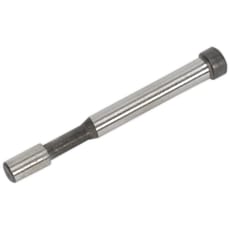
- Replacement Punches and Dies: Essential consumables that wear with use and require replacement to maintain clean cutting performance - stock appropriate sizes for your specific nibbler model.
- Punch and Die Sets: Complete kits offering various profiles for different cutting applications and material thicknesses.
- Air Line Filters and Lubricators: Crucial for removing moisture and contamination whilst delivering essential lubrication to pneumatic components, extending tool life significantly.
- Quick-Release Air Couplings: European-style quick connectors enabling fast tool changes and improved workflow efficiency on site.
- Air Hoses: Quality rubber or hybrid air hoses in appropriate lengths (typically 10m or 15m) rated for the required working pressure.
- Safety Glasses and Hearing Protection: Essential PPE for protecting against flying metal chips and the noise generated during cutting operations.
- Cutting Guides and Straight Edges: For maintaining accuracy on long straight cuts and repetitive work.
- Metal Cutting Lubricants: Specialist cutting fluids that reduce friction, improve cut quality, and extend punch and die life when working with tougher materials.
Safety Information
Personal Protective Equipment: Always wear safety glasses or a full face shield to protect against flying metal chips and swarf. The cutting action generates sharp fragments that can cause serious eye injuries. Use hearing protection during extended operations, as stroke rates above 2,000 SPM produce significant noise levels.
Hand and Body Protection: Wear appropriate work gloves to protect against sharp edges on cut materials, though avoid loose-fitting gloves that could catch in moving components. Metal swarf can be extremely sharp and easily penetrates skin, particularly when working with stainless steel and aluminium.
Air Supply Safety: Ensure compressed air systems are properly maintained with moisture separators and pressure regulators set correctly. Never exceed the maximum operating pressure specified by the manufacturer. Disconnect the air supply before changing punches, dies, or performing any maintenance work.
Material Security: Always secure workpieces properly before cutting. Sheet metal can shift unexpectedly during cutting, causing tool kickback or loss of cutting line. Use clamps, magnetic holders, or appropriate support tables to stabilise materials.
Working Environment: Maintain good ventilation when cutting materials with protective coatings, painted surfaces, or galvanised metal, as fumes can be hazardous in line with COSHH regulations. Remove flammable materials from the work area, as friction and sparks from cutting operations can pose fire risks.
Tool Maintenance: Regular inspection and maintenance according to HSE guidelines ensures safe operation. Check for damaged components, air leaks, and worn punches or dies. Dull or damaged cutting components require excessive force and can cause tool failure or loss of control.
Frequently Asked Questions
What's the difference between an air nibbler and tin snips or aviation snips?
Air nibblers use a reciprocating punch and die mechanism to remove a thin strip of material, allowing for much longer cuts without hand fatigue, tighter curves, and cleaner edges with no material distortion. Manual snips require significant hand strength, can distort thin materials, and become tiring on cuts longer than a few metres. Air nibblers are ideal for production work and extended cutting tasks where consistency matters.
Can air nibblers cut corrugated or profiled roofing sheets?
Yes, air nibblers excel at cutting corrugated and profiled materials that would be difficult with shears or snips. The nibbling action follows the contours without flattening or distorting the profile, making them the preferred tool for roofing contractors working with metal roofing, cladding, and box profile sheets. The cold-cutting process also preserves protective coatings.
How often do punches and dies need replacing?
Lifespan depends on material hardness, thickness, and cutting volume, but expect to replace punches and dies after cutting approximately 500-1000 linear metres in mild steel. Cutting stainless steel or working at maximum capacity reduces lifespan, whilst softer materials like aluminium extend it. Indicators for replacement include increased cutting resistance, rough edges, or burring on cut surfaces.
What size air compressor do I need to run an air nibbler effectively?
Most professional air nibblers require 4-6 CFM at 90 PSI for continuous operation. A minimum 50-litre tank capacity is recommended for sustained cutting, with a 2-3 HP motor providing adequate air delivery. For extensive production work or site use, consider larger 100-150 litre compressors to prevent duty cycling during long cuts.
Will an air nibbler damage powder coating or protective finishes on metal?
When used correctly with sharp punches and dies, air nibblers cause minimal damage to coatings beyond the immediate cut edge - far less than angle grinders or plasma cutters. The cold-cutting action doesn't generate heat that can discolour or damage finishes on surrounding material, making them ideal for cutting pre-finished architectural panels and coated roofing materials where appearance matters.