

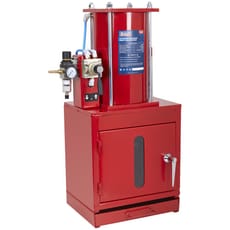
Air Paint Can Crusher

Pay in 3 interest-free payments on purchases from £20-£3000 with  . Learn more.
Loading...
End of content
Error - No more pages to load
About Air Paint Can Crusher
An air paint can crusher is a pneumatic workshop tool engineered to compress empty paint cans, aerosol containers, and similar metal vessels to a fraction of their original size. These compressed air-powered devices are essential for professional painters, decorators, automotive refinishers, and industrial facilities that process substantial quantities of paint and coatings. By reducing can volumes by up to 80%, these crushers dramatically decrease waste storage requirements, lower disposal costs, and help maintain organised, compliant work environments. The pneumatic operation delivers consistent crushing force without requiring significant physical effort, making them far more practical than manual alternatives for busy commercial operations.
Tooled-Up.com stocks air paint can crushers from trusted brands like Sealey, designed to handle standard paint tins ranging from 1 litre up to 5 litres. These units operate using compressed air from a standard workshop compressor, typically requiring 6-8 bar of pressure to generate sufficient crushing force. Robust steel construction with reinforced pressing plates ensures longevity even in demanding professional environments where dozens of cans may be processed daily. Most models feature bench-mounting configurations with safety lock-out mechanisms that prevent the crushing chamber being opened during operation, protecting operators from potential hazards.
Beyond the immediate workspace benefits, compressed paint cans represent a practical solution for environmental responsibility and regulatory compliance. Whilst crushed cans still require disposal as hazardous waste under UK regulations, the reduced volume significantly lowers transportation emissions and collection frequency. Many waste management contractors offer preferential rates for compacted waste, making pneumatic crushers a sound investment that typically pays for itself through disposal savings within the first year of operation in high-volume painting environments.
Jargon Buster
- Pneumatic Operation: Powered by compressed air from a workshop compressor rather than electricity or manual force. This eliminates spark risks near potentially flammable paint residues whilst providing consistent, powerful crushing force with minimal operator effort.
- Crushing Force: The maximum pressure the crusher exerts on a container, typically measured in tonnes or kilograms. Higher crushing forces accommodate larger paint tins and tougher metal containers, with most workshop models delivering between 3-8 tonnes of force.
- Working Pressure: The required air pressure from your compressor to operate the crusher effectively, measured in bar or PSI. Most pneumatic paint can crushers require 6-8 bar (approximately 87-116 PSI) for optimal performance.
- CFM Rating: Cubic Feet per Minute - the volume of compressed air the crusher consumes during operation. This must match your compressor's output capacity; typical crushers require 4-6 CFM at working pressure for continuous operation without stalling.
- Safety Lock-Out: A mechanical or pneumatic interlock system that prevents the crushing chamber door being opened whilst the pressing cycle is active, protecting operators from trapped hands or ejected debris during compression.
- Cycle Time: The duration required to complete one full crushing operation, from can insertion through compression to extraction of the flattened container. Pneumatic models typically complete cycles in 5-15 seconds depending on can size and material thickness.
Who Uses Air Paint Can Crusher?
- Professional Painters and Decorators: Managing daily waste volumes from residential and commercial decorating projects involving multiple paint tins
- Automotive Body Shops and Refinishers: Processing aerosol cans and paint containers from vehicle respray and refinishing operations
- Industrial Spray Painters: High-volume manufacturing environments applying coatings to products, machinery, and structural components
- Maintenance Departments: Facilities management teams in commercial buildings, schools, hospitals, and public sector premises
- Woodworking and Joinery Workshops: Disposing of containers from stains, varnishes, wood treatments, and finishing products
- Property Maintenance Companies: Contractors managing waste from multiple renovation, refurbishment, and repair sites
- Sign Writers and Vehicle Graphics: Specialist workshops using various paints, enamels, and coating materials
- Marine and Yacht Services: Processing containers from specialist marine coatings, antifouling paints, and gel coats
- Local Authority Workshops: Municipal depot facilities and council maintenance teams handling painting waste
- Manufacturing Plants: Production facilities applying protective or decorative coatings to manufactured goods
How to Choose the Right Air Paint Can Crusher
Can Size Capacity: Verify the maximum dimensions of paint containers you regularly use. Most crushers accommodate standard 1-5 litre tins, but if you work with larger commercial containers or specific aerosol sizes, check the internal chamber dimensions before purchasing. Measure your most common can heights and diameters to ensure compatibility.
Compressor Compatibility: Match the crusher's requirements to your existing compressed air system. Check both pressure (bar/PSI) and volume (CFM) specifications - your compressor must deliver adequate airflow at the required pressure. A typical 50-litre workshop compressor with 2-3HP motor suits intermittent use, whilst high-volume operations benefit from larger capacity units with higher CFM output to prevent duty cycle limitations.
Construction Quality: Examine the gauge of steel used in the frame and pressing plate. Heavy-duty construction from brands like Sealey ensures the crusher withstands repeated daily use without deformation. Look for reinforced stress points, quality welds, and hardened pressing surfaces that maintain alignment even after thousands of crushing cycles.
Mounting Configuration: Consider your workshop layout when choosing between bench-mounted or floor-standing models. Bench-mounted units save floor space but require a sturdy workbench capable of withstanding crushing forces and vibration. Floor-standing versions offer greater stability for larger cans but occupy more workshop area.
Safety Features: Prioritise models with safety lock-out mechanisms that prevent the crushing chamber being opened during operation. Two-handed control systems or foot pedal activation with hand-operated safety releases reduce accident risks. Contained crushing chambers minimise debris ejection and protect against sharp edges on compressed cans.
Operational Convenience: Foot pedal controls keep hands free for positioning cans, whilst hand-operated valves offer precise cycle timing. Consider whether the crusher includes a waste paint outlet - this feature channels residual liquids away from the crushing chamber, maintaining cleaner operation and easier maintenance.
Popular Accessories
- Workshop Air Compressors: Units with sufficient tank capacity and CFM rating to run pneumatic crushers continuously without pressure drops
- Air Line Filters and Regulators: Essential for delivering clean, moisture-free air at consistent pressure, extending crusher lifespan and ensuring reliable operation
- Quick-Release Air Couplings: PCL and similar quality couplings for rapid connection and disconnection of the crusher from compressed air systems
- Reinforced Air Hoses: Heavy-duty rubber or hybrid hoses rated for workshop pressures, typically 8-10mm internal diameter for adequate airflow
- PTFE Thread Tape: For sealing pneumatic connections and preventing air leaks at threaded fittings
- Aerosol Puncture Tools: Approved devices for safely venting residual pressure from aerosol cans before crushing, essential for safe disposal procedures
- Waste Collection Bins: Heavy-duty metal containers specifically designed for storing crushed paint cans awaiting hazardous waste collection
- Workshop PPE: Safety glasses, face shields, and heavy-duty gloves suitable for handling used paint containers with sharp edges
- Drip Trays: For capturing residual paint or coating materials during crushing operations, maintaining cleaner workspace conditions
Safety Information
Air paint can crushers must be operated in accordance with HSE guidelines for workplace equipment and COSHH regulations for hazardous waste handling. Always verify that paint cans are completely empty before crushing - residual liquids or vapours can create dangerous situations including pressurised spray of hazardous materials. Aerosol containers must never be crushed unless they have been properly vented using an approved puncture system, as pressurised containers pose serious explosion risks that can cause injury and equipment damage.
Wear appropriate PPE including safety glasses or a face shield to protect against potential debris, paint splatter, or sharp metal fragments during crushing operations. Heavy-duty work gloves are essential when handling used paint containers, which frequently have sharp edges and may contain dried paint with potentially hazardous components including heavy metals or volatile organic compounds.
Ensure adequate ventilation in the crushing area, as compressing paint containers can release residual fumes and volatile vapours. Position the crusher away from ignition sources and ensure good airflow to prevent vapour accumulation. Store crushed cans in designated metal waste containers in well-ventilated areas away from heat sources, and arrange disposal through licensed hazardous waste contractors in accordance with Environmental Protection Act requirements.
Regularly inspect all pneumatic connections, air lines, and fittings for wear, damage, or leaks before operation. Never operate the crusher if airlines are damaged or connections are loose - escaping compressed air can cause injury and insufficient pressure may cause incomplete crushing cycles. Ensure the safety lock-out mechanism functions correctly before each use, and never attempt to override safety features or open the crushing chamber whilst the unit is pressurised or in operation.
Frequently Asked Questions
Can I crush aerosol cans with an air paint can crusher?
Aerosol cans should only be crushed after they have been completely depressurised using an approved aerosol puncture device. Crushing pressurised aerosols is extremely dangerous and can cause violent explosions resulting in serious injury. Always verify that aerosols are fully vented and empty before attempting to crush them, and follow HSE guidance for aerosol disposal.
What size air compressor do I need to run a pneumatic paint can crusher?
Most air paint can crushers available from Tooled-Up require a compressor delivering 6-8 bar pressure with a CFM rating of approximately 4-6. A typical 50-litre workshop compressor with a 2-3HP motor (running on standard 240v mains supply) provides adequate performance for intermittent use, processing 15-20 cans per session. High-volume commercial operations benefit from larger 100-200 litre receivers with higher CFM output for continuous operation without pressure recovery delays.
Do crushed paint cans need special disposal procedures?
Yes, crushed paint cans remain classified as hazardous waste under UK Environmental Protection regulations and must be disposed of through licensed hazardous waste contractors. Contact your local authority or a registered waste carrier for compliant collection and disposal. Whilst crushing dramatically reduces volume and associated collection costs, it does not change the hazardous classification of paint-contaminated metal waste.
How much space can I save by crushing paint cans?
Pneumatic paint can crushers typically reduce container volumes by 70-80%, meaning you can store approximately five times as many crushed cans in the same space as uncrushed containers. For a busy painting contractor processing 50 cans weekly, this translates to reducing waste storage from multiple wheelie bins to a single compact container, significantly cutting collection frequency and disposal costs.
Are pneumatic crushers better than manual alternatives?
Pneumatic models offer substantially faster operation and require minimal physical effort compared to manual lever-operated crushers, making them ideal for commercial environments processing more than 10-15 cans daily. The consistent crushing force ensures reliable results regardless of operator strength, and the rapid cycle times improve productivity. If you already have a workshop compressor, the efficiency gains typically justify the investment within 6-12 months through labour savings and improved workflow.