

Air Polishers

Pay in 3 interest-free payments on purchases from £20-£3000 with  . Learn more.
 Loading...
End of content
Error - No more pages to load
About Air Polishers
Air polishers are pneumatic tools that deliver professional-grade buffing, polishing and finishing results across a wide range of surfaces and materials. Powered by compressed air rather than electricity, these versatile tools offer consistent speed control, reduced heat generation and excellent manoeuvrability, making them essential equipment for automotive detailing, metalworking, and professional finishing applications. Whether you're restoring paintwork on classic vehicles, achieving mirror finishes on metal fabrications, or preparing surfaces for coating, air polishers provide the reliability and performance that professionals demand.
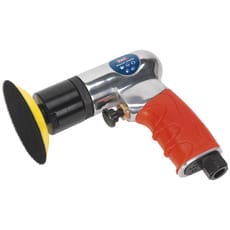
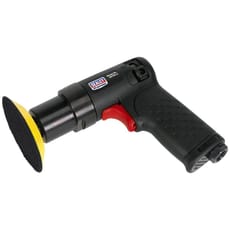
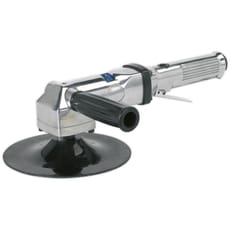
The range available from Tooled-Up.com includes both standard 180mm disc air polishers for larger surface areas and compact 75mm mini air polishers for detailed work and hard-to-reach spaces. These tools connect directly to your workshop air compressor via standard quick-release fittings and typically operate at pressures between 6-7 bar. The lightweight aluminium construction and ergonomic design reduce operator fatigue during extended polishing sessions, whilst the pneumatic operation eliminates the risk of electrical hazards in wet or damp working environments.
Air polishers are particularly valued in professional settings for their durability and consistent performance under continuous use. Unlike electric alternatives, they don't suffer from motor overheating and can run indefinitely with proper air supply. The variable speed control allows operators to match the tool's performance to specific materials and compounds, from aggressive cutting and compounding to delicate finishing work on sensitive surfaces. Hook-and-loop backing pads enable quick changes between different pad grades, saving valuable time during multi-stage polishing processes.
Jargon Buster
- CFM (Cubic Feet per Minute) - The volume of air consumed by the tool during operation. Most air polishers require between 4-6 CFM, so ensure your compressor can deliver sufficient airflow to maintain consistent performance throughout extended use.
- PSI/Bar Rating - The operating pressure required for optimal performance. Air polishers typically operate at 90 PSI (approximately 6 bar). Always check your compressor's working pressure matches the tool's requirements to avoid underpowered operation.
- Free Speed (RPM) - Revolutions per minute when the tool is running unloaded. Air polishers generally operate between 2,500-4,500 RPM depending on disc size, with smaller mini polishers running at higher speeds for detailed finishing work.
- Backing Pad - The circular mounting plate that attaches polishing bonnets, foam pads or abrasive discs. Available in various hardness grades to suit different applications, from firm for flat surfaces to flexible for contoured areas.
- Hook-and-Loop System - The attachment method for polishing pads, similar to Velcro, allowing quick pad changes without tools. Most modern air polishers feature this system for efficient workflow during multi-stage polishing.
- Air Inlet Thread - The connection point for your air hose, typically 1/4" BSP on UK tools. Quick-release couplings allow rapid tool changes without shutting down your air supply system.
Who Uses Air Polishers?
- Automotive Detailers - for paint correction, swirl removal, and achieving showroom finishes on vehicles
- Body Shop Technicians - preparing and finishing painted panels before final inspection and customer handover
- Marine Engineers - polishing gel coat, metal fittings and maintaining watercraft appearance to professional standards
- Metal Fabricators - achieving mirror finishes on stainless steel, aluminium and brass components
- Classic Car Restorers - detailed polishing work on vintage vehicles and chrome components
- Maintenance Engineers - refurbishing machinery guards, equipment housings and industrial metalwork
- Kitchen Fitters - finishing stainless steel worktops and appliances to perfect condition
- Furniture Restorers - polishing lacquer finishes and preparing surfaces for refinishing
- Aerospace Technicians - preparing and finishing aircraft components to exacting standards
- Professional Valeters - maintaining vehicle fleets and commercial transport to showroom condition
How to Choose the Right Air Polishers
Disc Size and Application: Consider whether you need a standard 180mm air polisher for larger panels and surface areas, or a compact 75mm mini polisher for intricate detail work, recessed areas and tight spaces. Many professionals invest in both sizes to cover all polishing requirements on site, with the larger model handling bonnets and doors whilst the mini version tackles wing mirrors and trim details.
Air Compressor Compatibility: Check your compressor's CFM output and working pressure against the polisher's requirements. A minimum 50-litre receiver tank is recommended for continuous operation, as air polishers can quickly deplete smaller compressors. Factor in the additional CFM if running multiple air tools simultaneously in a busy workshop environment.
Speed Control: Variable speed models offer greater versatility, allowing you to adjust RPM for different compounds and materials. Lower speeds suit delicate finishing work and heat-sensitive surfaces, whilst higher speeds provide aggressive cutting power for correction work on neglected paintwork.
Ergonomics and Weight: Lightweight construction reduces fatigue during extended polishing sessions. Look for models with textured grips, well-balanced designs and ergonomic trigger positions. The tool should feel comfortable when working overhead on roof panels or on vertical surfaces like doors and wings.
Build Quality: Professional-grade air polishers feature aluminium alloy housings, sealed bearings and robust air motors that withstand daily workshop use. Tooled-Up stocks models with quality construction that ensures consistent performance and reduces maintenance requirements over the tool's lifetime.
Backing Pad System: Verify the spindle thread matches your existing polishing pads and accessories. Hook-and-loop backing plate systems save time when switching between different pad grades during multi-stage correction and finishing processes.
Popular Accessories
- Foam Polishing Pads - available in cutting, polishing and finishing grades for different correction stages
- Wool Bonnets - for aggressive cutting and heavy compound application on oxidised paintwork
- Microfibre Pads - for one-step polish applications and final finishing to showroom condition
- Backing Plates - spare mounting pads in various hardness grades and sizes (75mm and 180mm)
- Air Line Filters - remove moisture and contaminants from compressed air, protecting tool internals
- Air Line Regulators - control operating pressure for consistent performance across different applications
- Quick-Release Couplings - enable rapid tool changes without air loss or workflow interruption
- Polishing Compounds - cutting compounds, finishing polishes and glazes for different applications
- Air Hose - lightweight, flexible hoses reduce drag and improve manoeuvrability around vehicles
- Pneumatic Tool Oil - maintains performance and extends service life of air motors
- Spray Bottles - for applying lubricants and keeping pads moist during polishing sessions
Safety Information
Personal Protective Equipment: Always wear safety glasses or face protection to shield against polish spray and airborne particles. Dust masks or respirators are essential when polishing generates fine particulate matter. Hearing protection is recommended during prolonged use, as air tools can exceed 85 decibels in enclosed workshop environments.
Compressed Air Hazards: Never exceed the manufacturer's recommended operating pressure, as this can damage the tool and create safety risks. Always disconnect the air supply before changing accessories or performing maintenance. Never direct compressed air towards yourself or others, as it can cause serious injury.
Workplace Ventilation: Ensure adequate ventilation when polishing, particularly when using solvent-based compounds. Fine polish dust can accumulate and create respiratory hazards in enclosed spaces. Follow COSHH regulations when handling chemical compounds and maintain proper extraction where required by HSE guidelines.
Tool Maintenance: Regularly lubricate air tools with pneumatic tool oil through the air inlet to prevent internal corrosion and maintain performance. Inspect air hoses for damage before each use and replace worn or cracked hoses immediately to prevent whipping hazards under pressure.
Secure Workpiece: Ensure items being polished are properly secured to prevent movement during operation. The rotational force can catch on edges and cause the workpiece or tool to slip unexpectedly. Maintain firm grip and stable footing throughout operation, particularly when working overhead.
Frequently Asked Questions
What size air compressor do I need to run an air polisher?
Most air polishers require a compressor capable of delivering 4-6 CFM at 90 PSI (6 bar). A 50-litre or larger tank is recommended for continuous operation, as smaller compressors may struggle to maintain consistent pressure during extended polishing sessions. Check the specific tool's air consumption specifications against your compressor's output to ensure compatibility before purchase.
Can I use an air polisher for removing scratches from car paintwork?
Yes, air polishers are excellent for paint correction work. Use a cutting pad with appropriate compound for scratch removal, then progress through polishing and finishing stages with finer pads and products. The consistent speed and reduced heat generation of air polishers make them ideal for delicate automotive paintwork, reducing the risk of burn-through compared to aggressive electric polishers.
What's the difference between a 75mm and 180mm air polisher?
The 180mm models suit larger flat surfaces like car bonnets, doors and panels, providing efficient coverage and faster results on expansive areas. Mini 75mm polishers excel at detailed work, tight spaces, curved surfaces and intricate areas where larger tools can't reach. Browse the selection at Tooled-Up.com to find both sizes for comprehensive polishing capabilities.
How often should I lubricate my air polisher?
Add 3-4 drops of pneumatic tool oil through the air inlet before each use, or at least daily during regular operation. This prevents internal corrosion, maintains seal integrity and ensures smooth performance. In high-use environments, consider installing an inline oiler in your air line to automatically lubricate tools during operation.
Are air polishers better than electric ones for professional use?
Air polishers offer several advantages including lighter weight, no motor overheating, consistent power delivery, and suitability for wet environments. They're particularly valued for continuous professional use in body shops and detailing centres. However, they require a suitable compressor and air supply system. Electric polishers offer greater portability for mobile valeting or locations without access to compressed air.