
Air Pumps

Pay in 3 interest-free payments on purchases from £20-£3000 with  . Learn more.
Loading...
End of content
Error - No more pages to load
About Air Pumps
Air pumps are indispensable tools for tradespeople, mechanics, cyclists, and DIY enthusiasts who require a dependable method to inflate tyres, sports equipment, air mattresses, and various inflatable items. Whether working on construction sites needing to quickly inflate wheelbarrow tyres, or handling roadside assistance as a mobile mechanic, having the right air pump saves valuable time and effort. The range available at Tooled-Up.com includes both manual and powered options, designed to deliver efficient inflation across numerous applications, from high-pressure bicycle tyres to large-volume inflatables.
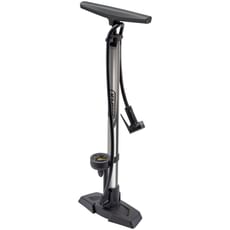
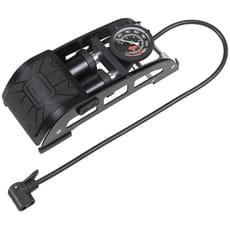
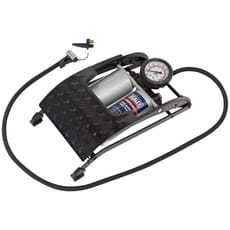
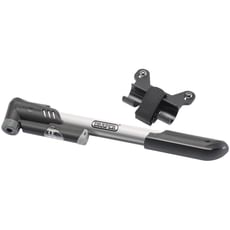
Manual air pumps, including foot pumps and hand pumps, offer the advantage of portability and independence from power sources, making them ideal for remote locations or emergency situations. These pumps are particularly valued by tradespeople working on construction sites, landscapers, and outdoor activity professionals who need reliable inflation equipment that won't let them down. From compact hand pumps that fit easily in a toolbox to sturdy foot pumps capable of handling larger volumes, there's a solution for every inflating requirement, whether maintaining vehicle tyres, inflating sporting goods, or preparing camping equipment.
Modern air pumps feature ergonomic designs, durable construction, and pressure gauges to ensure accurate inflation to the recommended PSI or bar rating. Many models come with multiple valve adaptors, allowing them to work with different valve types including Schrader, Presta, and Dunlop valves. This versatility makes them indispensable tools for anyone who regularly needs to maintain correct tyre pressures or inflate equipment as part of their daily work routine, from facilities managers to delivery drivers and bicycle mechanics.
Jargon Buster
- PSI (Pounds per Square Inch): A unit of pressure measurement commonly used in the UK alongside bar. Most tyres and inflatable equipment display their recommended pressure in PSI or bar (1 bar equals approximately 14.5 PSI).
- Schrader Valve: The most common type of valve found on car tyres, wheelbarrows, and many bicycle tyres. Features a spring-loaded pin that must be depressed to allow air flow, making it the standard for automotive applications.
- Presta Valve: A narrower valve type typically found on road bikes and high-performance bicycle tyres. Requires a different adaptor than Schrader valves and features a small locknut that must be unscrewed before inflation.
- Dual-Action Pump: A hand or foot pump design that delivers air on both the upward and downward strokes, providing faster inflation compared to single-action pumps and reducing the effort required.
- Barrel Diameter: The width of the pump's cylinder, which affects the volume of air delivered per stroke. Larger barrels move more air but require more effort, whilst smaller barrels are easier to operate but take longer to inflate items.
- Hose Length: The length of flexible tubing connecting the pump to the item being inflated. Longer hoses provide better reach and flexibility, particularly useful when working with vehicle tyres or awkwardly positioned valves on site equipment.
Who Uses Air Pumps?
- Mobile Mechanics and Auto Technicians: For roadside tyre inflation, pressure checks during servicing, and emergency breakdown assistance
- Construction Workers and Site Managers: Maintaining correct tyre pressures on wheelbarrows, site vehicles, dumpers, and pneumatic equipment
- Landscapers and Groundskeepers: Inflating tyres on ride-on mowers, trailers, turf equipment, and garden machinery
- Facilities Managers and Maintenance Teams: General-purpose inflation for various equipment, emergency situations, and routine maintenance tasks
- Cyclists and Bike Mechanics: Maintaining optimal tyre pressures for performance, safety, and puncture prevention
- Delivery Drivers and Couriers: Emergency tyre inflation for vans, commercial vehicles, and maintaining fleet tyre pressures
- Event Organisers and Marquee Installers: Inflating air mattresses, promotional inflatables, and temporary structures at venues
- Sports Coaches and Facility Managers: Maintaining correct pressure in footballs, basketballs, rugby balls, and other sports equipment
- Caravanners and Campers: Inflating air beds, dinghies, paddleboards, and checking caravan tyre pressures before travel
- Agricultural Workers and Farm Hands: Inflating tractor tyres, trailer wheels, and various farm equipment
- DIY Enthusiasts and Homeowners: General household inflation tasks, vehicle maintenance, and seasonal equipment preparation
How to Choose the Right Air Pumps
Intended Application: Consider what you'll primarily be inflating. High-pressure applications like road bicycle tyres require pumps capable of reaching 100+ PSI, whilst air mattresses and inflatables need high volume but lower pressure. Car and van tyres typically require 30-35 PSI, wheelbarrow tyres need approximately 30 PSI, and sports balls require 8-12 PSI, so choose a pump with the appropriate pressure range and gauge accuracy.
Portability Requirements: Foot pumps offer excellent portability and require no power source, making them ideal for mobile tradespeople, site work, and emergency kits. Hand pumps are even more compact and can fit in toolboxes, vehicle door pockets, or backpacks. Consider the weight and dimensions if you'll be carrying the pump regularly between jobs or storing it in a vehicle with limited space.
Pressure Gauge Accuracy: A built-in pressure gauge is essential for achieving the correct inflation pressure and avoiding over-inflation, which can damage tyres and equipment. Look for clearly marked gauges with both PSI and bar readings for versatility. Analogue gauges are durable and reliable for site work, whilst digital versions offer precise readings and are easier to read in low-light conditions.
Build Quality and Durability: Professional-grade pumps feature robust construction with metal components, reinforced hoses, stable bases, and corrosion-resistant finishes. If you're using the pump regularly on construction sites or in commercial applications, invest in a heavy-duty model that can withstand frequent use, rough handling, and outdoor conditions. Look for pumps from established manufacturers like Stanley or other brands stocked at Tooled-Up that offer reliable performance.
Valve Compatibility: Ensure the pump comes with adaptors for the valve types you'll encounter. Universal pump sets include multiple adaptors for Schrader, Presta, and needle valves (for sports balls), providing maximum versatility across different applications. Some pumps feature quick-connect fittings that make changing between valve types faster and easier on busy job sites.
Ease of Operation: Dual-action pumps inflate on both strokes, reducing the time and effort required for inflation. Consider the handle design and footplate size on foot pumps – larger, non-slip surfaces provide better stability and comfort during extended use. Ergonomic handles reduce hand fatigue, particularly important when inflating multiple items or working in cold conditions.
Volume vs Pressure Balance: High-volume pumps are ideal for inflating large items like air mattresses and paddleboards quickly, whilst high-pressure pumps are necessary for bicycle tyres and small, firm inflatables. Some pumps offer adjustable settings or dual-stage operation to handle both scenarios effectively, making them versatile choices for tradespeople with varied inflation needs.
Popular Accessories
- Valve Adaptors and Connector Sets: Additional adaptors for different valve types, including Dunlop, Woods, and specialist applications
- Extension Hoses: Longer reach for difficult-to-access valves, dual-wheel applications, and increased flexibility when working around vehicles
- Digital Pressure Gauges: Standalone gauges for accurate pressure measurement, verification, and professional diagnostics
- Tyre Pressure Monitoring Tools: Devices to check and maintain optimal tyre pressures across vehicle fleets and equipment
- Puncture Repair Kits: Essential companion items for dealing with flat tyres, including patches, glue, and tyre levers
- Storage Bags and Cases: Protective carrying solutions to keep pumps and accessories organised, clean, and ready for use
- Replacement Hoses and Seals: Maintenance parts to extend pump life, maintain performance, and prevent air leaks
- Sports Ball Needles: Specialised adaptors for inflating footballs, basketballs, rugby balls, and volleyballs to correct pressure
- Tyre Inflator Attachments: Quick-connect fittings and locking valve connectors for hands-free operation
- Pressure Relief Valves: Safety accessories to prevent over-inflation and protect expensive equipment
Frequently Asked Questions
What's the difference between a foot pump and a hand pump?
Foot pumps are operated by stepping on a pedal or plate, leaving your hands free and using your body weight for leverage, making them ideal for higher-volume applications like car tyres, wheelbarrows, and larger inflatables. Hand pumps are more compact and portable, operated by pushing and pulling a handle, and are better suited for smaller items like bicycle tyres, sports balls, and camping equipment. Foot pumps generally inflate faster and with less upper-body effort, whilst hand pumps offer greater portability for mobile work and can be stored in toolboxes or vehicle compartments more easily.
Can I use the same pump for my car tyres and bicycle tyres?
Yes, provided the pump can achieve the required pressure and you have the correct valve adaptor. Car tyres typically need 30-35 PSI and use Schrader valves, whilst bicycle tyres may require anywhere from 30 PSI (mountain bikes) to 120+ PSI (road bikes) and might use either Schrader or Presta valves. Ensure your pump has an accurate pressure gauge and can reach the maximum pressure required for your bicycle tyres. Some foot pumps struggle to reach the higher pressures needed for road bikes, so check the manufacturer's specifications before purchase.
How often should I check my vehicle tyre pressures?
The HSE and vehicle manufacturers recommend checking tyre pressures at least once a month and before long journeys or when carrying heavy loads. Correct tyre pressure improves fuel efficiency by up to 3%, extends tyre life significantly, and ensures safe handling and braking performance. Tyres naturally lose pressure over time (approximately 1-2 PSI per month), and temperature changes can affect readings, so regular checks with a reliable pump and pressure gauge are essential for both safety and cost efficiency on work vehicles and personal transport.
Do manual air pumps require any maintenance?
Manual pumps require minimal maintenance but benefit from occasional care to maintain performance. Check hoses for cracks, perishing, or damage from site work, ensure valve connections are tight and leak-free, and wipe down the pump body to remove dirt, dust, and moisture after use. Store the pump in a dry location away from direct sunlight and extreme temperatures. Inspect seals and O-rings periodically for wear – if you notice reduced efficiency, difficulty building pressure, or air leaks, replacement seals and hoses are often available from the manufacturer to restore performance.
What pressure should I inflate different items to?
Always check the manufacturer's recommended pressure, which is usually printed on the item itself. Car and van tyres typically require 28-35 PSI (found on the driver's door jamb, fuel cap, or vehicle manual), bicycle tyres range from 30-120 PSI depending on type and width, wheelbarrow tyres need approximately 30 PSI, footballs require 8-12 PSI, and air mattresses vary but generally need 1-3 PSI. Site equipment and specialist machinery will have specific requirements detailed in their manuals. Over-inflation can cause damage, premature wear, or bursting, whilst under-inflation reduces performance and increases puncture risk, so always use a pump with an accurate pressure gauge and check regularly.