

Air Regulators

Pay in 3 interest-free payments on purchases from £20-£3000 with  . Learn more.


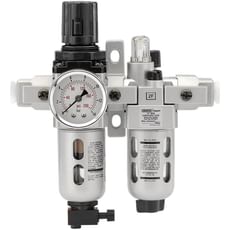
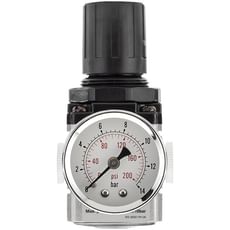
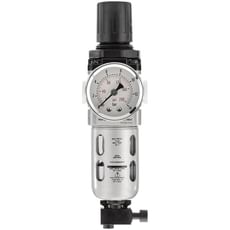
 Loading...
End of content
Error - No more pages to load
About Air Regulators
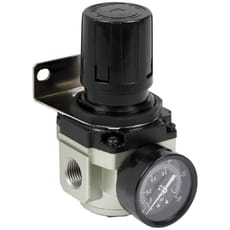
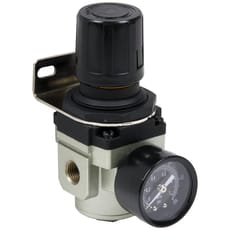
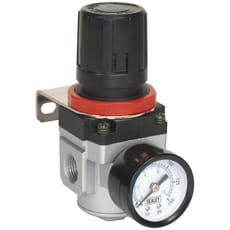
Air regulators are essential components in compressed air systems, allowing you to precisely control and maintain consistent air pressure for pneumatic tools and equipment. Whether you're running an air impact wrench, spray gun, nail gun, or air ratchet, an air regulator ensures your tools receive the optimal pressure for safe, efficient operation whilst protecting them from damage caused by excessive pressure. These versatile devices sit between your air compressor and your pneumatic tools, giving you complete control over air pressure output regardless of variations in the compressor's output or system demand.
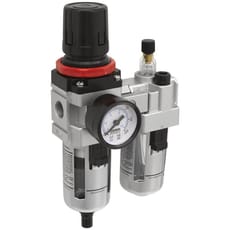
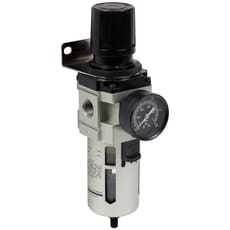
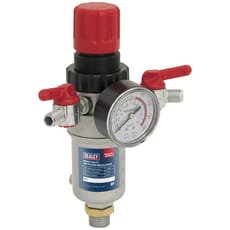
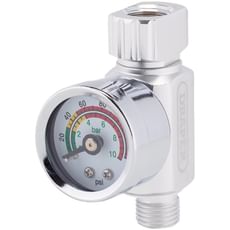
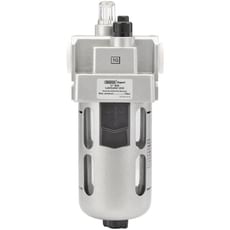
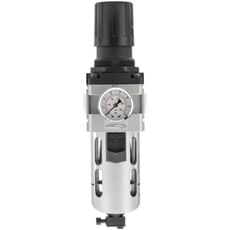
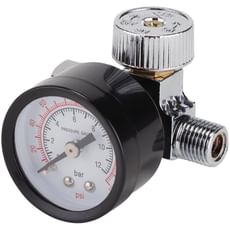
The selection available from Tooled-Up.com includes standalone air regulators, combination units featuring filters, lubricators, or both, and convenient on-gun regulators that mount directly to your pneumatic tools. Available in common BSP sizes including 1/4" and 1/2" fittings, these regulators are suitable for both professional workshop installations and mobile site applications. Leading manufacturers Sealey and Draper offer reliable solutions from basic pressure regulation through to heavy-duty filter/regulator/lubricator combinations that provide complete air preparation for demanding professional environments.
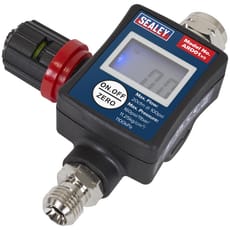
Many units feature analogue pressure gauges for quick visual reference, whilst advanced models incorporate digital displays for precise pressure monitoring. Whether you're setting up a permanent workshop air line system or need portable pressure control for site work, the right air regulator protects your investment in pneumatic tools and ensures consistent, quality results across all your compressed air applications.
Jargon Buster
- BSP (British Standard Pipe): The threading standard used on air fittings in the UK. Common sizes include 1/4" BSP for lighter tools and 1/2" BSP for higher flow applications.
- FRL Unit: A combination Filter, Regulator and Lubricator unit that conditions compressed air by removing contaminants, controlling pressure, and adding lubrication to protect pneumatic tools.
- CFM (Cubic Feet per Minute): The measure of air flow volume through the regulator. Your regulator must handle the CFM requirements of your tools without creating a bottleneck.
- PSI (Pounds per Square Inch): The unit of air pressure measurement. Most pneumatic tools operate between 90-120 PSI, though some applications require lower or higher pressures.
- On-Gun Regulator: A compact regulator that mounts directly onto a pneumatic tool, providing immediate pressure adjustment at the point of use without returning to the main air line.
- Bowl Capacity: The size of the collection chamber on filter units, which traps moisture and contaminants. Larger bowls require less frequent draining in high-use environments.
Who Uses Air Regulators?
Air regulators are indispensable across numerous trades and industries where compressed air powers essential tools and equipment:
- Vehicle Mechanics and Auto Body Shops: For spray painting, impact wrenches, die grinders, and pneumatic ratchets requiring precise pressure control
- Joiners and Carpenters: Operating nail guns, brad nailers, and staple guns that demand consistent pressure for uniform fastening
- General Builders and Construction Professionals: Using framing nailers, air chisels, and various pneumatic tools on site
- Metal Fabricators and Engineers: Running plasma cutters, air hammers, and precision grinding equipment
- Manufacturing and Production Facilities: Maintaining stable pressure for automated pneumatic machinery and assembly line tools
- DIY Enthusiasts: Home workshop users wanting to protect their pneumatic tool investment and achieve professional results
- Agricultural and Plant Maintenance: Operating pneumatic equipment in farm workshops and industrial maintenance departments
How to Choose the Right Air Regulators
Selecting the appropriate air regulator depends on several important factors that affect both performance and compatibility with your existing system:
Connection Size and Type: Match the BSP thread size to your air line system. Most hobby and light professional setups use 1/4" BSP, whilst larger workshops and high-demand applications benefit from 1/2" BSP connections that accommodate greater air flow. Ensure compatibility with your existing quick-release couplings and air hose fittings.
Pressure Range: Consider the maximum and minimum pressures you'll need. Standard regulators typically handle up to 140-180 PSI, suitable for most pneumatic tools. Check your tools' specifications—spray guns might require 30-50 PSI whilst impact wrenches need 90-120 PSI. Choose a regulator with an appropriate adjustment range for your applications.
Air Flow Capacity: The regulator must handle your tools' CFM requirements without restriction. High-demand tools like large die grinders or continuous-use applications need regulators with substantial flow capacity. Heavy-duty models prevent pressure drop during operation, maintaining consistent tool performance.
Filtration and Lubrication: Decide whether you need additional air preparation. Filter/regulator combinations remove moisture and particulates that damage pneumatic tools. FRL (filter/regulator/lubricator) units add tool oil to the air stream, essential for impact wrenches, air motors, and other tools requiring lubrication. Some modern composite tools don't need lubrication, so check manufacturers' requirements.
Gauge Type and Accuracy: Analogue gauges provide reliable, at-a-glance pressure monitoring and suit most applications. Digital gauges offer precise readings beneficial for applications requiring exact pressure settings, such as spray painting or operating pressure-sensitive equipment.
Installation Type: In-line regulators permanently install in your workshop air line system, providing pressure control for multiple outlets. On-gun regulators offer convenience for mobile work and quick pressure adjustments between different tasks without returning to the main regulator.
Popular Accessories
- Air Hoses and Reels: Quality reinforced air hoses in appropriate lengths and diameter to connect your regulated air supply to tools
- Quick-Release Couplings: BSP fittings that allow rapid tool changes whilst maintaining secure, leak-free connections
- Replacement Filter Elements: Periodic replacement filters maintain air quality and protect pneumatic equipment from contamination
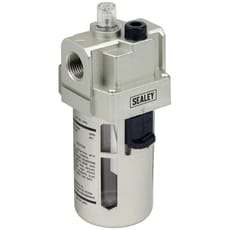
- Air Line Lubricators: Standalone lubricators for adding to existing regulator setups where tool lubrication is required
- Pressure Gauges: Additional or replacement gauges for monitoring system pressure at multiple points
- Mounting Brackets: Wall and bench mounting hardware for secure, organised air line installations
- PTFE Tape and Sealants: Thread sealing materials ensuring leak-free connections throughout your compressed air system
- Air Tool Oil: Specialist lubricants formulated for pneumatic tools, used with FRL systems
Safety Information
Proper installation and use of air regulators is essential for safe compressed air system operation. Always ensure the regulator is rated for your compressor's maximum output pressure—exceeding pressure ratings risks equipment failure and potential injury. Install regulators according to manufacturers' instructions, ensuring all threaded connections are properly sealed with appropriate PTFE tape or sealant to prevent dangerous air leaks.
Regularly inspect pressure gauges for accuracy and damage. Faulty gauges can lead to over-pressurising tools, causing tool failure or workpiece damage. When adjusting pressure, make changes gradually whilst monitoring the gauge, and always depressurise the system before disconnecting tools or carrying out maintenance work.
Filter bowls should be drained regularly to prevent moisture accumulation that reduces filtration effectiveness and can freeze in cold conditions. Ensure adequate ventilation when working with compressed air systems, particularly in confined spaces. Follow HSE guidelines for compressed air use in workplace environments, and never direct compressed air towards yourself or others—even low pressures can cause serious injury.
Wear appropriate PPE including safety glasses when working with compressed air systems. Ensure all components are compatible and rated for your system's operating pressure. Check hoses, fittings, and connections regularly for wear, damage, or deterioration that could lead to sudden failure under pressure.
Frequently Asked Questions
What's the difference between a regulator and an FRL unit?
A basic regulator only controls air pressure. An FRL (Filter, Regulator, Lubricator) unit is a combination device that filters contaminants and moisture from the air, regulates pressure, and adds lubrication to protect pneumatic tools. FRL units provide complete air preparation in a single unit, ideal for workshop installations where multiple pneumatic tools are used regularly.
Do I need an on-gun regulator if I already have an in-line regulator?
On-gun regulators offer convenience when using tools requiring different pressures. Whilst your in-line regulator controls overall system pressure, an on-gun unit allows quick adjustments at the tool without walking back to your main air line. They're particularly useful for spray painting, where precise pressure control affects finish quality, or when frequently switching between tools with different pressure requirements.
What pressure should I set my regulator to?
This depends entirely on your specific tool and application. Most pneumatic tools operate optimally between 90-120 PSI, but always check the manufacturer's specifications on your tool or in its manual. Spray guns typically require 30-60 PSI, whilst impact wrenches need 90-120 PSI. Setting pressure too high wastes air, increases wear, and risks damage; too low reduces tool performance and efficiency.
How often should I drain the filter bowl?
Drain frequency depends on usage intensity and ambient humidity. In typical workshop conditions with regular use, check and drain the bowl weekly. High-humidity environments or intensive daily use may require daily draining. Many modern filter bowls include automatic drain valves that release condensation periodically, reducing maintenance requirements. Never allow the bowl to fill to capacity, as this reduces filtration effectiveness.
Can I use a 1/4" BSP regulator with 1/2" BSP air lines?
Whilst adapters allow physical connection between different BSP sizes, using a smaller regulator creates a restriction that limits air flow to your tools. For systems with 1/2" BSP air lines, especially those serving high-demand tools or multiple simultaneous users, choose a 1/2" BSP regulator to maintain adequate CFM delivery. Match the regulator size to your main air line diameter for optimal system performance.