

Air Saws
Pay in 3 interest-free payments on purchases from £30-2000 with  . Learn more.







 Loading...
End of content
Error - No more pages to load
About Air Saws
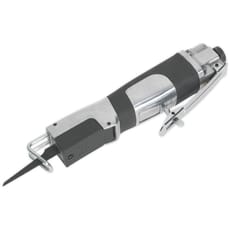
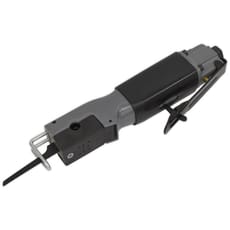
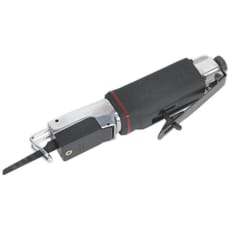
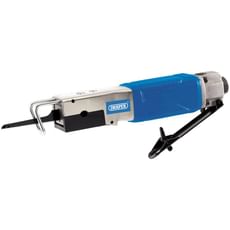
Air saws, also known as pneumatic saws, are powerful cutting tools driven by compressed air rather than electricity. Designed for fast, precise cutting through a variety of materials including metal, plastic, fibreglass, and composite panels, these versatile tools are essential equipment in automotive workshops, body shops, and fabrication environments. The range available from Tooled-Up.com features predominantly reciprocating air saws from trusted manufacturers including Sealey, Draper, and Siegen, offering professional-grade performance for demanding applications.
Unlike their electric counterparts, air saws offer several distinct advantages: they're lighter in weight for reduced operator fatigue, generate less heat during extended use, and provide consistent power output throughout operation. Available in various configurations from full-sized reciprocating models to slim-profile and mini air saws, these tools excel at cutting body panels, exhaust systems, sheet metal, and other materials where precision and control are paramount. The reciprocating action delivers rapid cutting strokes, whilst the compact design allows access to confined spaces that larger cutting tools simply cannot reach.
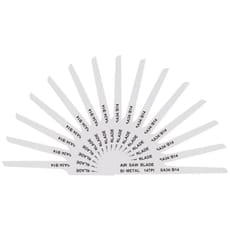
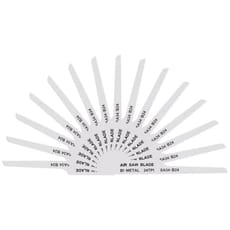
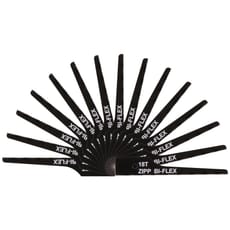
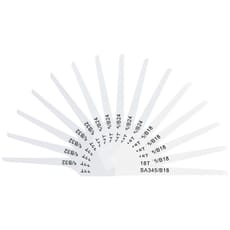
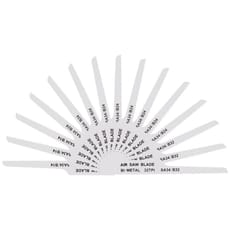
Tooled-Up stocks not only the tools themselves but also a comprehensive selection of replacement blades in various teeth-per-inch (TPI) configurations, enabling you to match the blade specification to your specific cutting requirements. Whether you're working on automotive restoration, custom fabrication, or general metalworking projects, the right air saw combined with appropriate blade selection will significantly enhance productivity and cutting quality.
Jargon Buster
- TPI (Teeth Per Inch) – The number of cutting teeth per inch of blade length. Lower TPI (14-18) cuts faster through thicker materials but leaves a rougher finish, whilst higher TPI (24-32) provides smoother cuts ideal for thinner materials and precision work.
- Reciprocating Action – A back-and-forth cutting motion similar to a manual hacksaw, but powered by compressed air. This action allows for controlled, straight cuts through various materials with minimal vibration.
- CFM (Cubic Feet per Minute) – The volume of air flow required to operate the tool effectively. Most air saws require between 4-6 CFM at 90 PSI, so ensure your compressor can deliver sufficient air flow for continuous operation.
- PSI (Pounds per Square Inch) – The air pressure measurement, typically 90 PSI for most air saws. Operating at the correct pressure ensures optimal performance and blade life whilst preventing tool damage.
- Stroke Length – The distance the blade travels during each cutting stroke, usually measured in millimetres. Longer strokes generally provide faster cutting speeds through thicker materials.
- Body Saw – A specific type of air saw designed primarily for automotive body work, featuring a compact head design and angle that facilitates cutting vehicle panels and bodywork without causing unnecessary damage to surrounding areas.
Who Uses Air Saws?
- Auto Body Technicians – for cutting and removing damaged panels, trimming replacement sections, and fabrication work
- Motor Vehicle Mechanics – particularly for exhaust system work and removing seized or corroded components
- Metal Fabricators – cutting sheet metal, tubing, and custom metalwork with precision
- Welders – preparing materials and trimming welds to specification
- Restoration Specialists – working on classic cars, motorcycles, and vintage vehicle projects
- Custom Car Builders – for bespoke fabrication and modification work
- Maintenance Engineers – cutting through pipework, brackets, and structural components during repair and maintenance
- Marine Engineers – working with fibreglass and composite materials on boat repairs
- HVAC Engineers – cutting ductwork and sheet metal installations
- Serious DIY Enthusiasts – tackling automotive projects and metalworking in home workshops
How to Choose the Right Air Saws
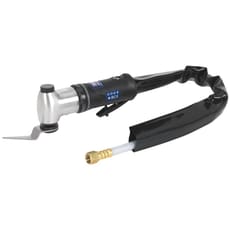
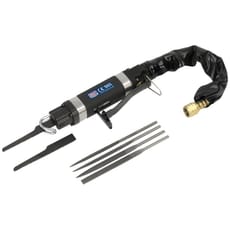
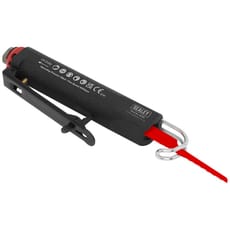
Tool Size and Configuration: Consider the working environment and access requirements. Full-sized reciprocating air saws like the Sealey SA34 offer maximum power and cutting capacity, whilst slim models such as the SA348 excel in confined spaces. Mini air saws combine cutting capability with needle file functionality for detailed work.
Air Consumption Requirements: Check your compressor's CFM output matches or exceeds the tool's requirements. Most air saws consume 4-6 CFM, but continuous operation demands a compressor with adequate tank capacity to maintain consistent pressure without frequent motor cycling.
Blade Compatibility and Availability: Ensure replacement blades are readily available for your chosen model. The range at Tooled-Up includes extensive blade options for Sealey models including the SA345, SA346, and SA34 series, with TPI ratings from 14 through to 32 for different material applications.
Stroke Rate and Length: Higher strokes per minute (SPM) generally means faster cutting, typically ranging from 8,000 to 10,000 SPM for quality air saws. Match the tool's capabilities to your typical workload – occasional use versus daily professional applications.
Ergonomics and Weight: Air saws are inherently lighter than electric alternatives, but weight distribution and grip design still matter during extended use. Tools with well-designed handles reduce fatigue and improve cutting control, particularly important for overhead or awkward-angle work.
Brand Reputation and Support: Established brands like Sealey dominate the market for good reason – proven reliability, comprehensive blade availability, and parts support. Their extensive product line means finding the right specification for your specific requirements.
Popular Accessories
- Replacement Blade Sets – mixed TPI assortments provide versatility for different materials and cutting requirements
- Air Line Hoses – sufficient length and internal diameter to deliver required air flow without pressure drop
- Quick-Release Couplings – for fast tool changes and efficient workshop organisation
- Inline Air Filters – remove moisture and contaminants that could damage the tool mechanism
- Air Line Lubricators – automatic lubrication extends tool life and maintains performance
- Pressure Regulators – adjust and maintain optimal operating pressure for different applications
- Cutting Lubricants – reduce friction and heat when cutting metal, extending blade life
- Safety Glasses and Face Protection – essential PPE for protecting against flying debris and metal particles
- Work Gloves – protect hands whilst maintaining dexterity for precision work
- Air Compressors – ensure you have adequate capacity for continuous operation
Safety Information
Personal Protective Equipment: Always wear approved safety glasses or full face protection when operating air saws, as cutting generates flying debris and metal particles. Hearing protection is recommended during extended use, and appropriate work gloves protect hands whilst allowing adequate tool control.
Compressed Air Hazards: Never exceed the manufacturer's recommended operating pressure, typically 90 PSI for most air saws. Over-pressurisation can cause tool failure and serious injury. Always disconnect the air supply before changing blades or performing maintenance, and never point an air hose or tool at yourself or others.
Blade Installation and Condition: Ensure blades are correctly installed and fully secured before operation. Inspect blades regularly for damage, wear, or missing teeth, and replace immediately if compromised. Using damaged or incorrect blades creates serious safety risks and poor cutting results.
Work Environment Considerations: Secure workpieces properly before cutting to prevent movement or kickback. Be aware of what lies behind your cutting line to avoid damaging hidden components, wiring, or fuel lines – particularly critical in automotive applications. Ensure adequate ventilation when cutting materials that may produce harmful dust or fumes.
HSE Compliance: If using air saws professionally, ensure compliance with Health and Safety Executive guidelines regarding noise exposure, vibration limits, and risk assessments. Regular tool maintenance and proper training reduce workplace accidents and ensure regulatory compliance.
Frequently Asked Questions
What size air compressor do I need to run an air saw?
Most air saws require 4-6 CFM at 90 PSI. For continuous operation, choose a compressor rated at least 25% higher than the tool's consumption, with a tank capacity of minimum 50 litres for consistent performance without excessive motor cycling. For occasional use, smaller compressors suffice provided you allow recovery time between cuts.
How do I choose between different TPI blade ratings?
Lower TPI (14-18) cuts faster through thicker materials like exhaust tubing and structural steel but leaves a rougher edge. Medium TPI (24) offers versatility for general body panel and sheet metal work. Higher TPI (32) provides smoother, more precise cuts ideal for thin materials and finishing work where edge quality matters.
Can air saws cut materials other than metal?
Absolutely. Whilst predominantly used for metal cutting, air saws effectively cut fibreglass, plastic, composite panels, and even wood with appropriate blade selection. This versatility makes them invaluable for automotive restoration work involving mixed materials and marine applications with fibreglass components.
Why choose an air saw over an electric reciprocating saw?
Air saws are significantly lighter, reducing operator fatigue during extended use. They generate less heat, maintain consistent power throughout operation, and present no electrical shock hazard – important when working around vehicle bodies or in damp environments. The slim profile of many air saws also provides better access in confined automotive spaces.
How often should I lubricate my air saw?
Add several drops of pneumatic tool oil into the air inlet before each use, or install an inline air lubricator for automatic lubrication during operation. Regular lubrication prevents premature wear, maintains cutting performance, and significantly extends tool life. Never use general machine oil – only lubricants specifically formulated for pneumatic tools.