

Air Spray Gun Cleaners

Pay in 3 interest-free payments on purchases from £20-£3000 with  . Learn more.
 Loading...
End of content
Error - No more pages to load
About Air Spray Gun Cleaners
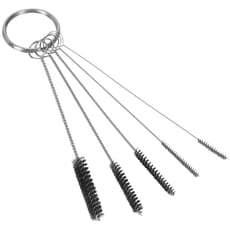
Professional spray finishing equipment requires dedicated maintenance tools to deliver consistent results, and air spray gun cleaners are specifically engineered for this essential task. These precision cleaning instruments include brushes, picks, scrapers, and specialist tools designed to remove paint residue, solvents, and dried coating materials from the intricate internal passages, nozzles, and air caps of spray guns. Without regular cleaning using appropriate tools, even premium spray equipment will suffer from blocked jets, inconsistent spray patterns, and premature component wear that compromises the quality of finished work.
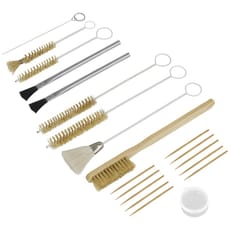
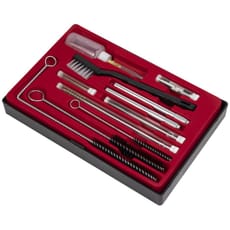
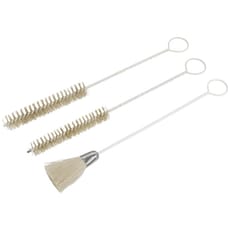
Air spray gun cleaning sets typically feature an array of brushes in various sizes and materials, stainless steel picks, and scrapers specifically shaped to access the narrow passages and delicate components within spray gun assemblies. Quality cleaning kits include corrosion-resistant stainless steel picks and brushes with natural or synthetic bristles that won't damage precision-machined surfaces or shed into sensitive areas. Professional sets often arrive organised in modular trays or protective cases that integrate seamlessly with workshop storage systems, ensuring cleaning tools remain readily accessible when needed.
Regular maintenance with proper cleaning tools extends the working life of expensive spray gun equipment whilst ensuring consistent finishing results across every application. Whether working with water-based emulsions, solvent-based coatings, lacquers, or specialised industrial finishes, having the correct cleaning brushes, picks, and accessories allows tradespeople to thoroughly clean equipment immediately after use, preventing costly blockages and maintaining optimal spray performance over years of professional service.
Jargon Buster
- Fluid Passages – The internal channels within a spray gun that transport paint or coating material from the reservoir to the nozzle. These narrow passages require specialised cleaning picks and mini brushes to remove dried material without damaging machined surfaces.
- Air Cap – The component at the front of the spray gun that shapes and directs the spray pattern. Air caps feature multiple precision-drilled holes that are particularly prone to blockage and require fine brushes or dedicated picks for thorough cleaning.
- Nozzle and Needle Assembly – The precision-engineered components that control material flow and atomisation in a spray gun. These require gentle cleaning with non-abrasive tools to prevent damage to critical sealing surfaces that affect spray quality.
- Module Tray – A foam-lined storage tray designed to fit into modular workshop storage systems from brands like Makita MakPac, DeWalt TSTAK, or Milwaukee PACKOUT, keeping cleaning tools organised and protected whilst integrating with existing tool storage solutions.
- Cleaning Picks – Thin, pointed instruments typically manufactured from stainless steel, used to clear blocked passages and holes in spray gun components without causing damage to precision-machined surfaces or sealing areas.
- Siphon Tube – The tube that draws material from the cup in suction-feed spray guns. These require flexible mini pipe cleaner brushes to remove residue from the internal surfaces and prevent material flow problems.
Who Uses Air Spray Gun Cleaners?
- Vehicle Refinishers and Body Shop Technicians – automotive spray specialists who depend on spray guns for flawless paint finishes and require daily cleaning tools
- Professional Decorators and Painters – tradespeople using spray equipment for interior and exterior coating projects across residential and commercial sites
- Cabinet Makers and Furniture Finishers – workshop professionals applying lacquers, stains, varnishes, and protective finishes to bespoke woodwork
- Industrial Coating Specialists – professionals working in manufacturing environments applying protective coatings, primers, and specialised finishes to production components
- Metal Fabricators and Powder Coaters – those applying wet primers, paints, and protective coatings to fabricated metalwork and engineered components
- Maintenance Engineers – site-based professionals responsible for maintaining spray equipment in production environments and factory settings
- Agricultural Equipment Specialists – technicians servicing and maintaining spray equipment used in agricultural and horticultural applications
- Serious DIY Enthusiasts – home users with spray gun equipment for furniture restoration, vehicle projects, or substantial home improvement undertakings
How to Choose the Right Air Spray Gun Cleaners
When selecting air spray gun cleaning tools, start by considering the comprehensiveness of the set. A quality cleaning kit should include multiple brush sizes ranging from fine detail brushes for air cap holes to larger brushes for cleaning cups, containers, and external surfaces. Look for sets containing at least 15-20 pieces to ensure you have the appropriate tool for every cleaning task without improvising or risking damage to expensive components.
The material quality of cleaning implements is crucial for longevity and effectiveness. Stainless steel picks resist corrosion from aggressive solvents and cleaning fluids, whilst brushes should feature securely-fastened bristles that won't shed and potentially contaminate your equipment or finished work. Check that brush handles are comfortable to grip during extended cleaning sessions and resistant to common cleaning solvents used in professional finishing work.
Storage and organisation matters significantly in busy workshops. Sets supplied in module trays available from Tooled-Up.com offer excellent value as they integrate directly with popular workshop storage systems, keeping cleaning tools protected and readily accessible on your service cart, van racking, or workbench. This organisation ensures tools don't become separated or damaged when mixed with other workshop equipment.
Consider the type of coatings you typically spray. If you work primarily with water-based paints and emulsions, softer brushes may suffice, whilst solvent-based coatings, two-pack materials, or lacquers that cure harder typically require more robust cleaning implements. Mini pipe cleaner brushes prove particularly valuable for cleaning siphon tubes, material passages, and the internal channels of gravity-feed cups where residue accumulates.
Finally, assess whether you need specialised cleaning tools for specific spray gun models. Some HVLP (high volume low pressure) systems or high-end professional spray guns feature unique components or configurations that benefit from dedicated cleaning accessories designed for those particular assemblies. The Tooled-Up range includes both universal cleaning sets and specialist tools for various spray gun types.
Popular Accessories
- Spray Gun Cleaning Fluids – specialised solvents and cleaning solutions formulated to dissolve paint residues, lacquers, and coating materials efficiently
- Cleaning Buckets and Wash Stations – dedicated containers with brush rests, strainer baskets, and fluid reservoirs for thorough gun cleaning between colour changes
- Parts Soaking Trays – shallow trays for soaking disassembled spray gun components in cleaning solution to soften stubborn dried material
- Lint-Free Cleaning Cloths – non-contaminating wipers for final cleaning and polishing of gun components before reassembly
- Spray Gun Lubricants – specialised oils and greases for maintaining seals, packings, and moving parts after cleaning to ensure smooth operation
- Air Blow Guns – compressed air tools for drying internal passages and blowing out cleaning fluid residue from difficult-to-reach areas
- Portable Parts Washers – solvent recycling cleaning stations for efficient workshop cleaning operations with environmental benefits
- Modular Storage Solutions – compatible storage systems from brands like DeWalt, Milwaukee, and Makita for integrated workshop organisation
Safety Information
When using air spray gun cleaners, always work in a well-ventilated area, particularly when using solvent-based cleaning fluids. Many paint and coating residues contain hazardous materials that require proper handling under COSHH (Control of Substances Hazardous to Health) regulations and HSE guidance for workplace safety.
Wear appropriate personal protective equipment including chemical-resistant gloves when handling cleaning solvents and paint residues. Safety glasses provide essential protection against splashes when using cleaning picks to clear blocked passages, as dried material can dislodge suddenly under pressure, potentially causing eye injuries.
Exercise caution when using metal picks and scrapers around precision components. Excessive force or improper technique can damage delicate sealing surfaces, nozzle tips, and needle assemblies, seriously affecting spray gun performance and potentially rendering expensive equipment unusable. Always follow manufacturer guidance for cleaning specific spray gun models and component materials.
Dispose of contaminated cleaning materials and solvents responsibly according to local environmental regulations and waste management requirements. Many paint and solvent residues are classified as hazardous waste and require appropriate disposal through licensed waste carriers rather than general workshop waste streams or drainage systems.
Frequently Asked Questions
How often should I clean my spray gun with dedicated cleaning tools?
You should clean your spray gun thoroughly immediately after every use, ideally within minutes of finishing spraying. This prevents material from drying in passages and air caps where it becomes significantly harder to remove and may cause permanent blockages. Daily professional users should perform a complete strip-down and deep clean weekly to maintain optimal performance and extend equipment life.
Can I use regular household brushes instead of specialised spray gun cleaning sets?
Whilst you might achieve basic surface cleaning with household brushes, specialised spray gun cleaning sets available at Tooled-Up feature precisely-sized tools designed to access the narrow passages and delicate components in professional spray equipment. Regular brushes often cannot reach critical internal areas and may be too abrasive for precision-machined surfaces, potentially causing expensive damage to nozzles, needles, and sealing surfaces that affect spray quality.
What's the most effective method for removing dried paint from spray gun passages?
For dried material, soak disassembled components in appropriate cleaning solvent for 15-30 minutes to soften the residue before attempting mechanical cleaning. Then use the appropriately-sized cleaning pick or brush to gently work through passages without forcing. Never force oversized tools through blocked passages as this can damage internal surfaces and create burrs that affect material flow. Multiple applications with patience work considerably better than excessive force.
Are mini pipe cleaner brushes essential for professional spray gun maintenance?
Yes, mini pipe cleaner brushes are essential for cleaning siphon tubes, material passages, and the internal channels of gravity-feed cups. Their flexible twisted-wire design allows them to navigate curved passages and tight corners that rigid picks cannot reach, ensuring thorough cleaning throughout the entire fluid system. Without these specialist brushes, residue accumulates in areas that eventually cause material flow problems and inconsistent spray patterns.
How should I maintain my spray gun cleaning tools to ensure longevity?
Rinse brushes and picks in clean solvent after each use and allow them to dry completely before storage to prevent corrosion and bristle deterioration. Store tools in their original case or module tray to prevent bristle damage and keep them organised for efficient use. Periodically inspect stainless steel picks for burrs or damage that could scratch precision components, and replace worn brushes when bristles become sparse, damaged, or lose their effectiveness at removing residue.