

Air Tool Oil

Pay in 3 interest-free payments on purchases from £20-£3000 with  . Learn more.
 Loading...
End of content
Error - No more pages to load
About Air Tool Oil
Air tool oil is a specialised lubricant formulated specifically for pneumatic tools and compressed air equipment. Unlike general-purpose oils or motor lubricants, air tool oil features a precise viscosity and chemical composition designed to protect internal components from the unique stresses created by high-velocity compressed air. When air rushes through pneumatic tools at speed, it creates friction, heat, and moisture condensation that can quickly damage unprotected mechanisms. Quality air tool oil addresses these challenges by providing effective lubrication whilst resisting the moisture inherent in compressed air systems, particularly important in the UK's damp climate.
Regular lubrication with proper air tool oil is essential for maintaining the performance and longevity of pneumatic equipment including impact wrenches, nail guns, air hammers, spray guns, and ratchets. Without adequate lubrication, internal components suffer from excessive wear, O-rings dry out and crack, and power output diminishes significantly. Professional tradespeople understand that a few drops of air tool oil before and after use represents one of the most cost-effective maintenance investments, preventing expensive repairs and tool replacement whilst ensuring consistent performance on site.
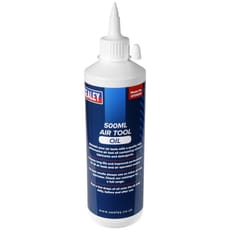
The air tool oil selection at Tooled-Up.com features trusted brands like Sealey, available in convenient bottle sizes for individual tradespeople or multi-pack formats for busy workshops and commercial operations. These high-performance formulations contain mineral lubricants and anti-rust additives designed to protect valuable pneumatic equipment. Applied directly through the air inlet connection, just a small amount of air tool oil provides substantial protection against corrosion, wear, and performance degradation across all types of pneumatic tools.
Jargon Buster
- Viscosity: The measurement of an oil's thickness and flow characteristics. Air tool oil typically has lower viscosity than engine oil, allowing it to atomise effectively in compressed air streams without causing internal drag or residue accumulation in precision components.
- ISO Grade: An international classification system for lubricant viscosity standardised by the International Organization for Standardization. Most air tool oils fall within ISO 32 to ISO 68, with ISO 32 being ideal for general pneumatic applications in typical UK workshop conditions.
- Anti-Rust Additives: Chemical compounds incorporated into air tool oil formulations that create a protective barrier on internal metal surfaces, preventing corrosion caused by moisture naturally present in compressed air systems, especially critical in humid environments.
- Detergent-Free Formula: Air tool oils are manufactured without detergent additives to prevent foaming, residue build-up, and deposits that could compromise performance or clog the narrow passages and precision valves found in pneumatic tools.
- Air Line Lubricator: An automatic in-line device fitted between the compressor and pneumatic tools that injects measured quantities of air tool oil into the compressed air stream, ensuring consistent lubrication without manual application before each use.
- CFM (Cubic Feet per Minute): The volumetric flow rate measurement for air compressors and pneumatic tools. Higher CFM ratings generate increased friction and heat, making proper lubrication with quality air tool oil even more critical for component protection.
Who Uses Air Tool Oil?
- Vehicle Mechanics and Auto Technicians: Daily users of pneumatic impact wrenches, air ratchets, and tyre fitting equipment requiring reliable lubrication for intensive workshop use
- Body Shop Professionals: Depend on properly lubricated spray guns, air sanders, and polishers for quality paint finishing and panel preparation work
- Carpenters and Joiners: Regular operators of pneumatic nail guns, pin nailers, and staplers for timber construction, cabinet making, and finishing applications
- Roofing Contractors: Use air-powered nailers and staplers extensively for felt, slate, and tile installation requiring consistent tool performance
- Construction Site Workers: Operate pneumatic demolition hammers, cut-off tools, and fastening equipment in demanding outdoor conditions
- Manufacturing and Production Facilities: Maintain extensive fleets of pneumatic tools requiring scheduled lubrication programmes and preventative maintenance
- Plant Maintenance Engineers: Responsible for keeping industrial pneumatic equipment operating efficiently across factories, warehouses, and processing facilities
- Agricultural Engineers: Service and maintain pneumatic equipment used in farming operations, machinery repair, and estate maintenance
- DIY Enthusiasts: Home workshop users with compressor-powered tool collections who understand the importance of proper maintenance
How to Choose the Right Air Tool Oil
Viscosity and ISO Grade: Select an appropriate viscosity for your climate and application demands. ISO 32 air tool oils perform well in most UK workshop conditions and suit general pneumatic tools, whilst ISO 68 formulations may be preferable for heavier-duty equipment or cold environments where thicker oil maintains protective properties.
Rust and Corrosion Protection: Moisture inevitably accumulates in compressed air systems through condensation, particularly in the UK's humid climate. Choose air tool oil with robust anti-rust additives to protect expensive pneumatic equipment from internal corrosion that can seize components and destroy seals.
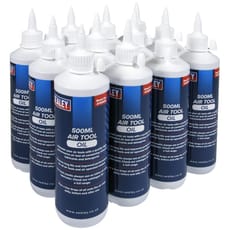
Pack Size and Quantity: Consider your usage frequency and tool inventory when selecting between individual bottles or multi-pack formats. Professional workshops operating multiple pneumatic tools daily benefit from bulk options like Sealey's 12-pack format, offering better value and ensuring supplies never run out during critical jobs.
Brand Reputation and Quality: Established manufacturers like Sealey have proven track records producing formulations tested across demanding professional applications. Quality air tool oil from reputable brands provides consistent performance and reliable component protection compared to unknown alternatives.
Application Method: Some air tool oils feature applicator spouts or dropper tips for precise delivery directly into air inlet connections, whilst others are designed for filling automatic in-line lubricators. Consider which application method best suits your workshop setup and maintenance routine.
Compatibility: Verify the oil suits your specific tool types. Whilst most air tool oils work across general pneumatic equipment, some specialist applications like precision spray guns or medical-grade air tools may require particular specifications or approvals.
Popular Accessories
- Air Line Lubricators: Automatic in-line devices providing consistent lubrication to downstream pneumatic tools without manual application before each use
- Air Compressors: The essential power source for pneumatic tool systems, requiring compatible lubrication equipment and maintenance
- Filter Regulators: Combined units that remove moisture and particulates from compressed air whilst maintaining optimal operating pressure
- Moisture Traps and Separators: Devices that remove water from air lines before it reaches tools, extending lubricant effectiveness and preventing corrosion
- Air Hoses and Quick Couplings: Quality reinforced hoses and quick-release fittings for reliable, leak-free air delivery throughout your workshop
- Pressure Gauges: Monitoring equipment ensuring pneumatic tools receive correct operating pressure for optimal performance
- Thread Sealant Tape: PTFE tape for ensuring leak-free connections throughout compressed air systems
- Tool Maintenance Kits: Comprehensive service accessories for thorough pneumatic tool cleaning and component inspection
Safety Information
Always consult the manufacturer's safety data sheet (SDS) before using air tool oil and familiarise yourself with handling precautions. Store containers in a cool, dry location away from direct sunlight, heat sources, and ignition points. Whilst air tool oil is generally low in toxicity, avoid prolonged skin contact and wash hands thoroughly after handling. Wear nitrile gloves if you have sensitive skin or will be handling oil frequently.
Before applying oil to pneumatic tools, always disconnect the air supply to prevent accidental activation. Wear appropriate PPE including safety glasses, as residual air pressure may cause oil to spray when filling. Ensure adequate ventilation when operating pneumatic tools, as oil mist may be expelled through exhaust ports during use. Never point air tools at yourself or others, even when performing maintenance.
Dispose of used air tool oil responsibly in accordance with local authority regulations and environmental guidelines. Never pour oil down drains or into watercourses. Keep air tool oil away from foodstuffs and out of reach of children. Commercial workshops must comply with COSHH regulations when using oil products, maintaining proper records of maintenance activities and risk assessments. Never mix different lubricant types unless specifically approved by the tool manufacturer, as chemical incompatibility may damage seals and internal components.
Frequently Asked Questions
How often should I lubricate my pneumatic tools?
For optimal performance and longevity, add 3-4 drops of air tool oil through the air inlet before each use and again after extended operation periods. Tools used intensively throughout the working day should be lubricated at the start of each shift and again at lunchtime breaks. If you've fitted an automatic in-line lubricator to your compressed air system, daily manual oiling may not be necessary, though periodic checks remain advisable to ensure the lubricator is functioning correctly and adequately filled.
Can I use standard motor oil or general lubricant in my air tools?
No, motor oil and general lubricants are completely unsuitable for pneumatic tools. Air tool oil features specific viscosity and formulation designed to atomise effectively in high-velocity compressed air streams without causing gumming or residue accumulation. Motor oil is too thick, contains detergents that create harmful deposits in precision components, and lacks the anti-moisture properties essential for protecting against condensation in compressed air systems. Using incorrect lubricants will damage your pneumatic equipment and void manufacturer warranties.
What's the difference between putting oil directly in the tool versus using an in-line lubricator?
Direct application through the air inlet provides immediate lubrication to the specific tool and is ideal for occasional users or mobile tradespeople working across different sites. In-line lubricators automatically inject measured amounts of air tool oil into the compressed air stream, providing consistent lubrication to all downstream tools without manual application before each use. In-line systems are more convenient for busy workshops with multiple pneumatic tools in constant use, though they require periodic refilling and adjustment to maintain correct oil delivery rates.
Why does my air tool still seem sluggish even after applying oil?
If lubrication doesn't restore performance, several other issues may be responsible. Check your compressor output pressure meets the tool's specifications, as inadequate air supply causes sluggish operation. Inspect and replace clogged air filters that restrict airflow. Examine air hoses for damage or internal deterioration. Moisture accumulation in air lines can also affect performance - consider fitting a moisture trap and filter regulator. If problems persist after addressing these factors, internal components may be worn and require professional servicing or replacement.
Will using too much air tool oil damage my pneumatic equipment?
Whilst it's difficult to over-lubricate pneumatic tools structurally, excessive oil creates unnecessary mess and will be expelled from exhaust ports onto your work surface, potentially contaminating workpieces. Follow manufacturer guidelines, typically 3-5 drops per application for direct oiling. Any excess will simply blow through the system without causing harm to internal components. For in-line lubricators, adjust the flow rate according to your air consumption and tool usage patterns to avoid waste whilst ensuring adequate protection.