

Alkythane Paints

Pay in 3 interest-free payments on purchases from £20-£3000 with  . Learn more.
 Loading...
End of content
Error - No more pages to load
About Alkythane Paints
Alkythane paints represent a specialised category of high-performance metal coatings that combine the proven durability of alkyd resin technology with advanced urethane chemistry. These professional-grade protective paints are specifically engineered to provide exceptional long-term protection for metal surfaces in demanding industrial, commercial, and exterior environments. Unlike standard metal paints, alkythane formulations deliver superior resistance to abrasion, chemicals, weathering, and corrosion, making them the preferred choice for tradespeople and engineers who require long-lasting finishes on structural steelwork, machinery, railings, gates, and industrial equipment.
The unique chemistry of alkythane paints creates a tough, flexible coating that adheres tenaciously to properly prepared metal surfaces, including both ferrous and non-ferrous metals. These coatings are engineered to withstand the harsh conditions typical of industrial sites, coastal locations, and high-traffic areas where conventional metal paints would fail prematurely. With excellent gloss retention and colour stability, alkythane coatings maintain their professional appearance for years, reducing the frequency of maintenance cycles and delivering outstanding value over the product's lifetime.
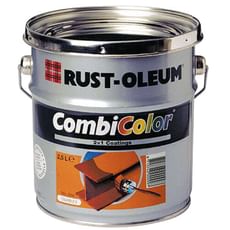
The selection available from Tooled-Up.com includes professional alkythane metal paints from trusted manufacturers like Rust-Oleum, renowned for their commitment to protective coating innovation. These products are suitable for both brush and spray application, offering flexibility for different project sizes and requirements. Whether you're a maintenance engineer protecting industrial equipment, a fabricator finishing structural metalwork, or a contractor refurbishing exterior railings and gates, alkythane paints provide the durability and finish quality that professional applications demand.
Jargon Buster
- Alkyd Resin – A synthetic resin used as a binder in paint formulations, derived from polyhydric alcohols and fatty acids. Alkyd-based paints are known for their excellent adhesion, durability, and smooth finish on metal surfaces.
- Urethane Modified – The addition of urethane (polyurethane) components to alkyd paint chemistry, significantly enhancing the coating's hardness, chemical resistance, and abrasion resistance compared to standard alkyd paints.
- Touch Dry Time – The period after application when the paint surface is dry enough to touch without damage, though not yet fully cured. This is typically shorter than the recoat time and significantly shorter than full cure time.
- VOC Content – Volatile Organic Compounds are chemical substances that evaporate during the drying process. UK regulations and HSE guidance control VOC levels in paints to reduce environmental impact and workplace exposure.
- DFT (Dry Film Thickness) – The thickness of the paint coating after all solvents have evaporated, typically measured in microns. Achieving the specified DFT is critical for ensuring the coating performs as intended and provides adequate protection.
- Micaceous Iron Oxide (MIO) – A plate-like iron oxide pigment sometimes used in alkythane formulations to provide additional barrier protection against moisture and corrosion on ferrous metals.
Who Uses Alkythane Paints?
Alkythane paints are utilised by a diverse range of professionals and trades who require dependable, long-lasting metal protection:
- Maintenance Engineers – protecting machinery, plant equipment, and industrial infrastructure from corrosion and wear
- Steel Fabricators – finishing structural steelwork, railings, and architectural metalwork to professional standards
- Marine and Offshore Workers – coating equipment and structures in corrosive coastal and marine environments
- Commercial Decorators and Painters – refurbishing exterior metalwork on commercial and industrial properties
- Agricultural Engineers – protecting farm machinery and equipment from weathering and chemical exposure
- Local Authority Maintenance Teams – maintaining street furniture, bridges, and public infrastructure
- Facilities Managers – overseeing building maintenance and asset protection programmes
- General Contractors – completing metal finishing work on construction and renovation projects
- Serious DIY Enthusiasts – tackling demanding home metalwork projects requiring professional-grade protection
How to Choose the Right Alkythane Paints
Substrate Type: Confirm the paint is suitable for your specific metal substrate. Most alkythane paints work well on mild steel, galvanised steel, and previously painted metals, but always check manufacturer specifications for compatibility with aluminium, stainless steel, or other non-ferrous metals.
Environmental Exposure: Assess the conditions the coating will face. Alkythane paints excel in harsh environments, but if you're working in particularly aggressive conditions – such as coastal locations with salt exposure, chemical processing facilities, or areas with high UV exposure – verify the product offers appropriate resistance specifications.
Colour and Finish: Consider the aesthetic requirements of your project alongside protective properties. Alkythane paints are available in various colours and finishes, from high-gloss to satin. Gloss finishes typically offer better cleaning properties and weather resistance, whilst satin finishes may be preferred for certain architectural applications.
Application Method: Determine whether you'll be applying by brush, roller, or spray equipment. Some alkythane formulations are optimised for specific application methods. Spray application generally requires appropriate thinning and professional equipment, whilst brush-applied products should flow smoothly without runs or sags.
Coverage and Build: Calculate the total area requiring coverage and check the manufacturer's stated coverage rate (typically given in square metres per litre). Factor in the number of coats required to achieve the specified dry film thickness for adequate protection – usually two coats minimum for alkythane systems.
Drying Times: Consider project timescales and working conditions. Alkythane paints generally require longer drying times than water-based alternatives, with recoat times often extending to 16-24 hours depending on temperature and humidity. Lower temperatures will significantly extend drying times.
Popular Accessories
To achieve professional results with alkythane paints, you'll typically require complementary products and accessories:
- Surface Preparation Products – wire brushes, abrasive pads, degreasing agents, and rust converters for proper metal preparation
- Metal Primers – specialist primers for bare metal, galvanised surfaces, or challenging substrates to ensure optimal adhesion
- Paint Thinners and Solvents – appropriate thinners for adjusting viscosity and cleaning equipment after use
- Professional Brushes – quality synthetic bristle brushes designed for solvent-based paints, ensuring smooth application
- Roller Kits – foam or mohair rollers suitable for solvent-based coatings on larger flat surfaces
- Spray Equipment – HVLP spray guns, airless sprayers, or aerosol spray handles for efficient coverage of large areas
- Masking Materials – masking tape, plastic sheeting, and edge protection for clean paint lines
- Paint Kettles and Trays – solvent-resistant containers for decanting and working with alkythane paints
- PPE (Personal Protective Equipment) – respirators, gloves, and protective eyewear suitable for solvent-based paint application
- Cleaning Products – specialist brush cleaners and hand cleansers for removing alkythane paint residues
Safety Information
Alkythane paints contain solvents and require careful handling in accordance with HSE guidelines and COSHH regulations. Always work in well-ventilated areas, and when working indoors or in confined spaces, ensure adequate mechanical ventilation is provided. Solvent vapours can accumulate in enclosed areas, creating potential health hazards and fire risks.
Wear appropriate PPE including organic vapour respirators (not simple dust masks), chemical-resistant gloves, and eye protection. Avoid skin contact with wet paint, and wash thoroughly if contact occurs. Keep alkythane paints away from sources of ignition, as the solvents are flammable. Never smoke whilst applying these products or cleaning equipment.
Store alkythane paints in their original containers with lids tightly sealed, in a cool, dry place away from heat sources and direct sunlight. Keep out of reach of children and pets. Dispose of waste materials, including used containers, brushes, and rags, in accordance with local authority regulations – never pour solvents or paint residues down drains.
Always read the manufacturer's technical data sheet and safety information before use. Some individuals may be sensitive to solvents; if you experience headaches, dizziness, or nausea during application, stop work immediately and move to fresh air. Pregnant women should avoid exposure to solvent-based paints. For large-scale industrial applications, conduct a formal COSHH risk assessment before commencing work.
Frequently Asked Questions
What's the difference between alkythane paint and standard metal paint?
Alkythane paints incorporate urethane chemistry into alkyd resin formulations, creating a significantly tougher and more durable coating than standard metal paints. They offer superior resistance to abrasion, chemicals, and weathering, with better gloss retention over time. Whilst standard metal paints may be adequate for protected interior applications, alkythane paints excel in demanding environments where long-term durability is essential. The trade-off is typically higher cost and longer drying times compared to basic metal paints.
Do I need to prime metal before applying alkythane paint?
Proper surface preparation is critical for alkythane paint performance. Bare ferrous metals should ideally be primed with a compatible metal primer to provide corrosion protection and enhance adhesion. Galvanised steel requires a specialist galvanised metal primer. Previously painted surfaces in good condition may not require priming if thoroughly cleaned and lightly abraded. However, for optimal durability, especially in exterior or industrial applications, using an appropriate primer system is strongly recommended and will significantly extend coating life.
Can alkythane paint be applied in cold weather?
Temperature significantly affects alkythane paint application and curing. Most alkythane paints should not be applied when temperatures are below 5°C or likely to fall below this during the drying period. Cold temperatures dramatically extend drying and curing times, and may prevent the coating from achieving its full performance characteristics. Humidity also plays a role – avoid application in damp or humid conditions. For year-round application, choose products specifically formulated for low-temperature use, or delay the project until warmer conditions prevail.
How long does alkythane paint take to fully cure?
Whilst alkythane paints may be touch-dry within 4-6 hours and recoatable after 16-24 hours (depending on conditions), full cure takes considerably longer – typically 5-7 days under normal conditions. During this curing period, the coating continues to harden and develop its full chemical and abrasion resistance. Avoid subjecting freshly painted surfaces to heavy wear, chemical exposure, or harsh cleaning during the initial cure period. Full performance characteristics will only be achieved once the coating is completely cured.
Is alkythane paint suitable for radiators and heating pipes?
Standard alkythane paints are designed for ambient temperature applications and are not typically recommended for surfaces that routinely exceed 60-80°C. For radiators, heating pipes, and other surfaces exposed to elevated temperatures, you should use paints specifically formulated for high-temperature applications. These specialist coatings maintain their integrity, colour, and finish when exposed to heat, whereas standard alkythane formulations may yellow, soften, or lose adhesion on hot surfaces. Always check the manufacturer's technical data sheet for maximum service temperature specifications.