

Alligator Saw Blades

Pay in 3 interest-free payments on purchases from £20-£3000 with  . Learn more.
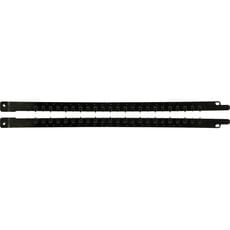
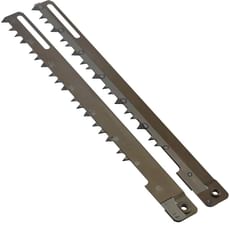
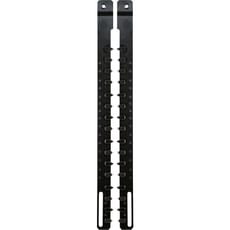
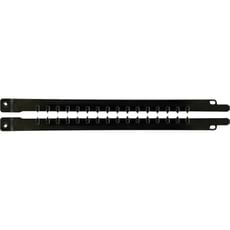
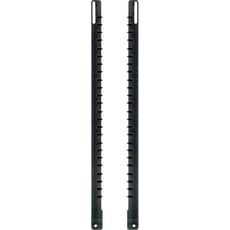
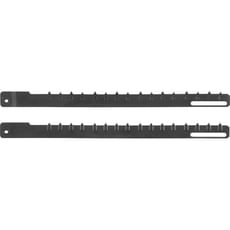
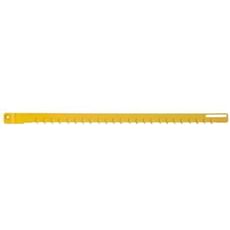
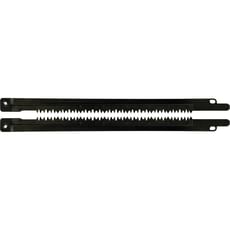
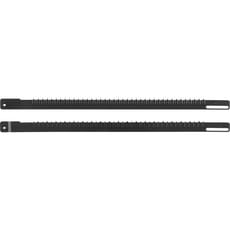
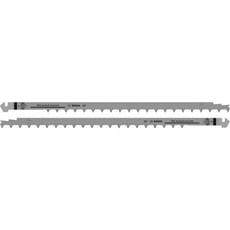
 Loading...
End of content
Error - No more pages to load
About Alligator Saw Blades
Alligator saw blades are specialist cutting accessories engineered for use with alligator saws (also known as reciprocating twin-blade or tandem saws). These powerful cutting tools feature two parallel blades that move in opposing directions, creating a scissor-like action that delivers exceptionally clean, precise cuts through demanding construction materials. The innovative dual-blade design substantially reduces vibration and blade deflection compared to standard single-blade reciprocating saws, making them the preferred choice for cutting aerated concrete blocks, Poroton bricks, building blocks, solid timber, plywood, chipboard, MDF and numerous other construction materials encountered on UK building sites.
Tooled-Up.com stocks an extensive selection of alligator saw blades from industry-leading manufacturers including DeWalt, Bosch Professional and Stanley. The range encompasses both HSS (High-Speed Steel) blades optimised for cutting timber and wood-based materials, and TCT (Tungsten Carbide Tipped) blades specifically engineered for masonry applications such as Poroton blocks, gas beton and various classes of building blocks. Available in multiple lengths including 275mm, 295mm, 425mm and 430mm, these professional-grade blades cater to different cutting depths and application requirements across residential, commercial and civil construction projects.
Whether you're a professional bricklayer cutting through Class 12 or Class 20 Poroton blocks, a carpenter making precision cuts in hardwood beams, or a general builder working with mixed materials during renovation work, selecting the appropriate alligator saw blade ensures clean cuts with minimal dust generation and improved productivity on site. The tandem blade system delivers superior cutting performance whilst significantly reducing operator fatigue during extended use, making these blades essential equipment for demanding tradespeople across the UK construction industry.
Jargon Buster
- TCT (Tungsten Carbide Tipped): Blades featuring tungsten carbide teeth brazed onto the cutting edge, specifically designed for cutting abrasive masonry materials including concrete blocks, Poroton bricks and aerated concrete. These blades offer exceptional durability and maintain cutting sharpness considerably longer than standard steel when working with hard construction materials.
- HSS (High-Speed Steel): Blades manufactured from hardened high-speed steel, ideal for cutting timber, plywood, chipboard and similar wood-based materials. Available in fine-cutting or rough-cutting configurations depending on the required finish quality and cutting speed.
- Poroton/Gas Beton: Lightweight aerated concrete building blocks widely used throughout UK construction. Different classes (Class 12, Class 20) indicate density and compressive strength characteristics, with each requiring specific blade types for optimal cutting performance and blade longevity.
- HCS (High Carbon Steel): A blade material offering flexibility and resistance to breakage, particularly suited to cutting wood and softer materials where impact resistance is important during demanding site applications.
- Tandem Saw/Alligator Saw: A power tool featuring two parallel blades that move in opposite directions, creating a scissor-like cutting action that dramatically reduces vibration and produces cleaner, more accurate cuts than single-blade reciprocating saw alternatives.
- Cutting Depth: The maximum material thickness that can be cut, determined by blade length. Common alligator blade lengths range from 275mm to 430mm, with effective cutting depth being slightly less than the overall blade length due to mounting requirements.
Who Uses Alligator Saw Blades?
- Bricklayers and Blocklayers: Cutting Poroton blocks, aerated concrete and traditional building blocks to precise dimensions on construction sites
- Carpenters and Joiners: Making accurate cuts in hardwood, softwood, plywood and engineered wood products during structural and finishing work
- General Builders: Mixed material cutting during renovation, extension and new-build projects requiring versatile cutting solutions
- Groundworkers: Cutting building materials during foundation work, drainage installations and substructure construction
- Roofing Contractors: Trimming timber rafters, plywood sheathing and structural roof components to specification
- Shopfitters: Cutting MDF, chipboard and composite materials for retail installations, display units and interior fit-outs
- Plant Hire Companies: Maintaining alligator saw equipment and replacing blades for rental tool fleets
- DIY Enthusiasts: Tackling home extension, garden wall construction and renovation projects requiring precise material cutting capabilities
How to Choose the Right Alligator Saw Blades
Material Compatibility: The primary consideration is matching blade type to your cutting material. TCT blades are essential for masonry applications including Poroton blocks, gas beton and building blocks, whilst HSS blades suit timber, plywood and chipboard. Using incorrect blade types results in poor cutting performance, rapid blade wear and potential safety hazards on site.
Blade Length Selection: Choose a blade length appropriate to your cutting depth requirements. Common sizes include 275mm for shallower cuts, 295mm for standard applications, and 425-430mm for deeper cutting tasks encountered in structural work. Always verify your alligator saw is compatible with the blade length selected, as different models accept specific blade sizes.
Material Class and Density: For masonry cutting, consider the specific class of material. Class 12 and Class 20 Poroton blocks have different densities and require appropriately specified TCT blades. Using a blade designed for lower-density materials on harder blocks accelerates wear and reduces cutting efficiency, increasing consumable costs.
Cutting Finish Requirements: HSS blades are available in both fine and rough cutting configurations. Fine-cutting blades produce smoother edges ideal for visible timber work in joinery applications, whilst rough-cutting blades remove material more aggressively for structural applications where finish quality is less critical.
Brand Compatibility: Whilst many alligator saw blades follow standard sizing conventions, always verify compatibility with your specific tool model. The Tooled-Up range includes blades from DeWalt, Bosch Professional and Stanley, with DeWalt blades being particularly popular for use with DeWalt alligator saws extensively used across UK construction sites.
Quantity and Value: For high-volume professional use, consider purchasing blade sets which often provide better value than individual blades. Bosch offers convenient blade sets for tandem saws, whilst DeWalt provides an extensive range of individual blades for specific applications, allowing tradespeople to stock exactly what they need.
Popular Accessories
- Replacement Alligator Saws: DeWalt and Bosch alligator saws and tandem saw systems compatible with the blade range
- Blade Storage Cases: Protective cases preventing blade damage and ensuring safe transportation between job sites
- Measuring and Marking Tools: Tape measures, carpenter's squares and marking pencils for accurate cut layout and measurement
- Dust Extraction Equipment: Vacuum systems to manage dust generation when cutting masonry and wood materials, ensuring COSHH compliance
- Personal Protective Equipment: Safety glasses, dust masks, hearing protection and cut-resistant gloves from brands including Portwest and Scruffs
- Workbenches and Sawhorses: Stable work support systems ensuring safe material cutting and accurate positioning
- Extension Leads: Heavy-duty 110v or 240v extension cables providing power flexibility for site work locations
Safety Information
When using alligator saw blades, adherence to HSE guidelines and safe working practices is essential for operator protection. Always wear appropriate PPE including safety glasses or goggles, hearing protection, dust masks rated for the material being cut (FFP2 or FFP3 for masonry work), and suitable cut-resistant work gloves. Ensure blades are correctly fitted and tensioned according to the manufacturer's instructions before commencing any cutting operations.
Inspect blades thoroughly before each use for signs of damage, including cracked or missing teeth, bent sections or excessive wear patterns. Damaged blades must be replaced immediately as they present serious safety risks including blade breakage during operation. When cutting masonry materials, be aware of significant dust generation and implement appropriate dust control measures in accordance with COSHH regulations to protect respiratory health.
Maintain a stable working position and secure workpieces properly before cutting to prevent movement. Never force the saw through materials – allow the blade to cut at its own pace to prevent blade damage and kickback. Always disconnect power tools from the 240v mains supply before changing blades, and store blades safely when not in use to prevent accidental contact with sharp teeth. Keep blades away from moisture to prevent corrosion, particularly important for HSS blades which are susceptible to rust.
Frequently Asked Questions
What's the difference between TCT and HSS alligator saw blades?
TCT (Tungsten Carbide Tipped) blades feature extremely hard carbide teeth designed for cutting abrasive masonry materials including Poroton blocks, aerated concrete and building blocks. HSS (High-Speed Steel) blades are manufactured from hardened steel and are specifically designed for cutting timber, plywood, chipboard and similar wood-based materials. Using the correct blade type for your material is essential for optimal performance, blade longevity and cost-effective operation on site.
How long do alligator saw blades typically last?
Blade lifespan varies significantly depending on material being cut, blade quality, cutting technique and frequency of use. TCT blades cutting masonry typically last longer than HSS blades cutting timber, though exact lifespan depends on material hardness and daily cutting volume. Professional tradespeople cutting daily may replace blades weekly or monthly depending on workload, whilst occasional users might find blades last considerably longer. Always inspect blades regularly and replace when cutting performance deteriorates or teeth show excessive wear.
Can I use any brand of blade with my alligator saw?
Whilst many alligator saw blades follow standard sizing conventions, it's important to verify compatibility with your specific saw model before purchasing. Check the blade length your tool accepts (275mm, 295mm, 425mm or 430mm) and confirm the fitment system matches your saw's blade mounting arrangement. DeWalt blades are designed specifically for DeWalt alligator saws, whilst Bosch blades suit Bosch tandem saws. Consult your tool's manual or contact Tooled-Up for compatibility advice if uncertain.
Why are tandem blades better than standard reciprocating saw blades?
Alligator or tandem saw blades work in pairs with opposing motion, creating a scissor-like cutting action that significantly reduces vibration compared to standard single-blade reciprocating saws. This results in cleaner, more accurate cuts with substantially less operator fatigue during extended use on demanding job sites. The dual-blade system also prevents blade deflection, particularly beneficial when cutting thicker materials or working at awkward angles common in renovation and construction work.
What blade length do I need for cutting standard building blocks?
For cutting standard UK building blocks (typically 100mm thick), a 275mm or 295mm TCT blade provides adequate cutting depth for most applications. For thicker blocks, cavity wall construction or situations requiring deeper cuts through multiple blocks, consider 425mm or 430mm blades which offer greater cutting capacity. Remember that effective cutting depth is slightly less than the stated blade length, so allow margin when selecting blade size for your specific application requirements.