

Alligator & Tyrannosaw Saw Blades
Pay in 3 interest-free payments on purchases from £30-2000 with  . Learn more.
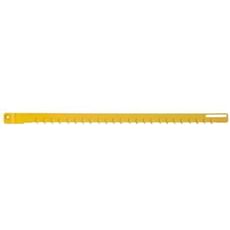
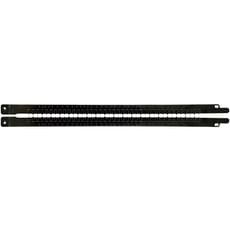
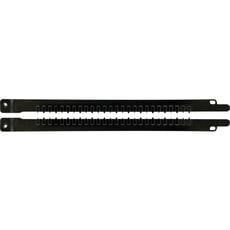
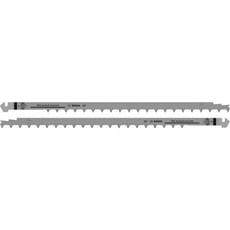
 Loading...
End of content
Error - No more pages to load
About Alligator & Tyrannosaw Saw Blades
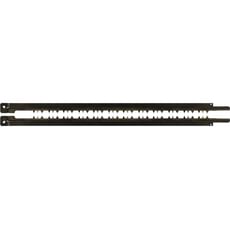
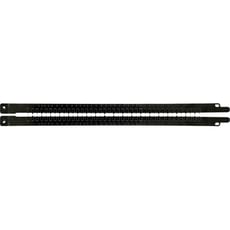
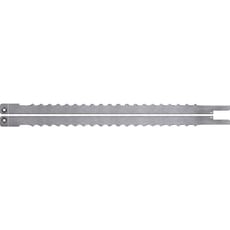
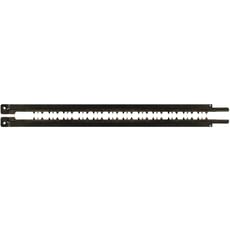
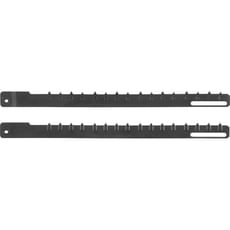
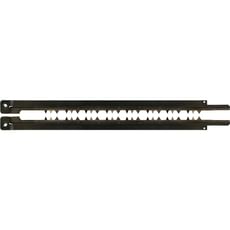
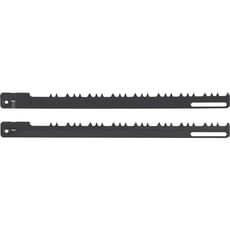
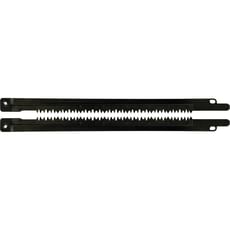
Alligator and Tyrannosaw saw blades represent a specialised category of cutting accessories engineered for counter-oscillating power tools used extensively in demolition, construction, emergency rescue, and arboricultural applications. Unlike conventional reciprocating saw blades, these distinctive twin-blade systems feature two parallel cutting edges that move in opposite directions simultaneously, creating a gripping action that reduces kickback and delivers exceptional control when cutting through challenging mixed materials. This innovative design makes them particularly valuable for professional tradespeople who regularly encounter wood with embedded nails, plastic pipes, composite materials, and light metals on site.
The counter-oscillating mechanism provides several advantages over traditional single-blade cutting tools. The opposing blade movement creates a safer cutting experience with significantly reduced vibration and kickback, allowing operators to maintain better control during demanding cutting operations. Alligator saw blades are specifically manufactured for Black & Decker's Alligator saw range, whilst Tyrannosaw blades are designed for compatible counter-oscillating models from various manufacturers. Both types deliver aggressive cutting performance ideal for site work, garden maintenance, renovation projects, and emergency response situations where speed and reliability are paramount.
Tooled-Up.com stocks a comprehensive selection of replacement blades engineered for diverse applications, from general-purpose cutting through timber and plastics to specialised pruning blades for green wood and arboricultural work. Premium carbide-tipped options provide extended service life when cutting abrasive materials or reclaimed timber with hidden fixings, whilst standard high-carbon steel blades offer economical performance for occasional DIY users. Available in various lengths from 150mm to 240mm and different tooth configurations, these blades cater to everyone from professional demolition contractors and landscape gardeners to serious DIY enthusiasts tackling home renovation and garden projects.
Jargon Buster
- Counter-Oscillating Action: A cutting mechanism where two parallel blades move in opposite directions simultaneously, creating a gripping effect that significantly reduces kickback and provides superior control compared to traditional single-blade reciprocating saws.
- TPI (Teeth Per Inch): The measurement of blade tooth density that determines cutting speed and finish quality. Lower TPI (6-8) provides faster, more aggressive cuts ideal for demolition and rough carpentry, whilst higher TPI (10-12) delivers smoother cuts for precision work.
- Carbide-Tipped Blades: Premium cutting blades featuring tungsten carbide cutting edges that maintain sharpness considerably longer than standard steel blades, particularly when cutting abrasive materials, composites, or wood containing embedded nails and screws.
- Pruning Blades: Specialised blades with aggressive tooth patterns and wider gullets specifically designed for cutting green wood, branches, and fibrous materials without clogging from sap and debris.
- Universal Fitting: Blade mounting systems engineered to fit multiple brands and models of counter-oscillating saws, providing compatibility across different manufacturers' tools, though always verify fit with your specific saw model.
- Kerf Width: The thickness of material removed by the blade during cutting. Twin-blade designs typically produce wider kerfs than standard saw blades, requiring more power but delivering greater stability and reduced wandering during cutting operations.
Who Uses Alligator & Tyrannosaw Saw Blades?
These specialist counter-oscillating blades are essential tools for a diverse range of professionals and trades:
- Demolition Contractors: Rapid cutting through mixed materials during strip-out projects and building demolition work
- General Builders: Site cutting of joists, studwork, and materials with embedded fixings encountered during renovation and construction
- Emergency Services: Fire and rescue personnel requiring reliable cutting tools for vehicle extrication and emergency access operations
- Landscape Gardeners and Arborists: Tree surgery, branch removal, hedge maintenance, and general arboricultural work
- Plumbers and Heating Engineers: Cutting through plastic and copper pipework during installation and renovation projects
- Carpenters and Joiners: Quick cutting of timber in renovation work where hidden nails and screws may be present
- Fencing Contractors: Cutting fence posts, rails, and panel materials on-site during installation and repair work
- Property Maintenance Teams: General cutting tasks across residential and commercial maintenance contracts
- Roofing Contractors: Cutting through roof timbers, sarking boards, and mixed materials during repair and replacement work
- DIY Enthusiasts: Home renovation projects, garden maintenance, and general property improvements
How to Choose the Right Alligator & Tyrannosaw Saw Blades
Material Compatibility: Identify the primary materials you'll be cutting to select the appropriate blade specification. General-purpose blades handle clean softwood and plastics adequately, but if you're regularly cutting through reclaimed timber with embedded nails, demolition materials, or abrasive composites, invest in carbide-tipped blades for extended service life and consistent performance. For green wood, branches, and garden applications, pruning-specific blades prevent clogging and deliver cleaner cuts through fibrous materials.
Blade Length: Counter-oscillating blades typically range from 150mm to 240mm lengths. Select blade length based on the maximum depth of cut required for your typical applications. Remember that your saw's capacity will limit the effective cutting depth, so consult your tool's specifications before purchasing extended-length blades. Longer blades suit cutting through fence posts and larger timber sections, whilst shorter blades provide better manoeuvrability in confined spaces.
Tooth Configuration and TPI: Consider the tooth pattern and TPI count relative to your work requirements. Aggressive, low-TPI blades (6-8 TPI) excel at rapid demolition cutting and branch removal but produce rougher edges. Medium TPI blades (8-10 TPI) offer versatility for general construction and renovation work. Higher TPI configurations suit applications where cut quality matters, though they cut more slowly through thick materials.
Brand Compatibility: Whilst many blades feature universal fittings designed to work across multiple brands, always verify compatibility with your specific saw model before purchasing. Black & Decker Alligator saws may have proprietary blade mounting systems requiring genuine or specifically designed replacement blades. Check the manufacturer's compatibility information or consult the product specifications available at Tooled-Up.com to ensure correct fitment.
Application Environment and Frequency: For professional site work where blade changes are impractical and downtime costly, premium carbide-tipped options provide reliable performance throughout extended cutting sessions and deliver better value through extended lifespan. Tradespeople working with demolition materials, reclaimed timber, or mixed construction waste will benefit significantly from carbide performance. DIY users with occasional cutting needs may find standard high-carbon steel blades offer adequate performance at lower initial cost.
Pack Quantity and Value: Blades are available individually or in multi-packs. Professional tradespeople benefit from purchasing multi-packs for better value and ensuring spare blades are always available on-site, preventing costly project delays. Consider your typical blade consumption rate when selecting pack sizes.
Popular Accessories
Complement your counter-oscillating saw blades with these essential accessories and complementary products:
- Blade Storage Cases: Protective cases and pouches to organise and transport blades safely, preventing damage to cutting edges and ensuring safe handling
- Safety Goggles and Face Shields: Essential PPE from brands like Portwest and Scruffs for protection against flying debris and dust during cutting operations
- Cut-Resistant Work Gloves: High-quality gloves from Portwest, DeWalt, or Scruffs for safe blade handling during installation and removal
- Hearing Protection: Ear defenders or plugs to protect against prolonged noise exposure during extended cutting sessions
- Measuring and Marking Tools: Stanley tape measures, spirit levels, and marking pencils for accurate cut planning and layout
- Workbenches and Sawhorses: Stable work surfaces from Stanley and other manufacturers for safe, controlled cutting operations
- Dust Extraction Equipment: Vacuum systems and dust collection accessories to manage cutting dust, particularly important when working with treated timber
- Cable and Pipe Detectors: Essential detection equipment to identify hidden services before cutting into walls and floors
- Blade Maintenance Products: Cleaning solutions and lubricants to extend blade service life and maintain optimal cutting performance
- Tool Bags and Storage: Stanley FatMax, DeWalt TSTAK, or Milwaukee PACKOUT systems for organised tool and accessory transport
Safety Information
Personal Protective Equipment: Always wear appropriate safety glasses or face shields to protect against flying debris when operating counter-oscillating saws. Use hearing protection during extended cutting sessions, as these tools generate significant noise levels that can damage hearing over time. Wear cut-resistant gloves when handling and changing blades, but never whilst the tool is operating, as gloves can become caught in moving parts.
Blade Installation and Inspection: Ensure the saw is completely disconnected from the 240v mains supply before changing blades. For cordless models, remove the battery pack entirely. Verify that replacement blades are correctly seated and secured according to the manufacturer's instructions—incorrectly fitted blades can detach during operation with serious consequences. Inspect blades before each use for damage, cracks, missing teeth, or excessive wear that could cause blade failure during cutting operations.
Material Assessment and Hidden Hazards: Before cutting, always check for hidden hazards within materials, including electrical cables, water pipes, gas lines, and structural fixings. Use cable and pipe detectors where appropriate, and exercise particular caution when cutting into walls, floors, or existing structures. When cutting materials that may contain asbestos or other hazardous substances, follow HSE guidelines and COSHH regulations strictly, including appropriate respiratory protection and containment measures.
Work Area Security and Positioning: Ensure materials are properly secured using clamps, sawhorses, or workbenches before cutting—never attempt to hold small pieces by hand whilst operating the saw. Maintain a stable, balanced stance with firm footing throughout cutting operations. Keep bystanders, particularly children, at a safe distance from the cutting area. Ensure adequate lighting and clear visibility of the cutting line and surrounding area.
Tool Maintenance and Blade Condition: Replace dull or damaged blades immediately—worn blades require excessive force, increasing the risk of loss of control and potential injury. Clean blades regularly to prevent resin and sap build-up that affects cutting performance and increases friction. Store blades in protective cases or blade guards to prevent accidental contact with sharp cutting edges. Never use blades beyond their recommended service life, as fatigued blades can fracture during operation.
Frequently Asked Questions
How long do Alligator and Tyrannosaw blades typically last?
Blade lifespan varies considerably depending on materials cut, cutting frequency, and blade quality. Standard high-carbon steel blades might deliver 20-50 cuts through typical construction timber before requiring replacement, whilst premium carbide-tipped blades can provide several hundred cuts before losing effectiveness. Cutting abrasive materials, wood with embedded nails, reclaimed timber, or dense hardwoods will reduce blade life significantly. Professional tradespeople working on demolition projects should expect to change blades frequently throughout the working day, whilst occasional DIY users may find a single blade sufficient for multiple projects. Always replace blades when cutting performance noticeably decreases or when visible damage is apparent.
Can I use standard reciprocating saw blades in an Alligator or Tyrannosaw?
No, counter-oscillating saws require specifically designed twin-blade assemblies that work with the opposing blade mechanism. Standard reciprocating saw blades are single-blade designs with completely different mounting systems, making them entirely incompatible with Alligator and Tyrannosaw-style tools. The blade mounting mechanisms, dimensions, and operational principles are fundamentally different. Attempting to adapt or force incorrect blades could result in serious tool damage, blade detachment during operation, and significant safety hazards. Always use blades specifically manufactured for your saw type and verify compatibility before purchasing.
What's the difference between Alligator saw blades and Tyrannosaw blades?
Alligator saw blades are specifically designed for Black & Decker's Alligator saw range, whilst Tyrannosaw blades refer to compatible blades for similar counter-oscillating saws from various manufacturers. Whilst the operating principle is identical—twin blades moving in opposite directions—blade mounting systems and dimensions may differ between brands and models. Some manufacturers produce universal-fit blades designed to work across multiple brands, offering greater flexibility. However, it's essential to verify compatibility with your specific saw model before purchasing to ensure proper fitment, safe operation, and optimal performance.
Which blade should I choose for cutting branches and garden waste?
For green wood and garden applications, select pruning-specific blades designed with aggressive tooth patterns and wider gullets that prevent clogging with sap, sawdust, and fibrous material. These specialised blades typically feature lower TPI counts (6-8 TPI) and tooth geometry optimised for cutting fresh, wet wood efficiently. Standard construction blades designed for seasoned timber will struggle with green wood, quickly becoming clogged and overheated, reducing cutting efficiency and potentially damaging your saw through overloading. Pruning blades also clear debris more effectively, maintaining cutting performance throughout extended gardening sessions.
Are carbide-tipped blades worth the extra cost for professional use?
For professional tradespeople and frequent users, carbide-tipped blades represent excellent value despite higher initial costs. They maintain cutting performance and sharpness significantly longer than standard steel blades, particularly when cutting materials with embedded fixings, abrasive content, or mixed demolition materials. The extended blade life reduces downtime for blade changes, improves productivity, and lowers overall consumable costs when calculated per cut. For occasional DIY use with clean, predictable materials, standard blades may prove more economical. However, anyone regularly cutting reclaimed timber, demolition materials, or working on demanding site projects will benefit substantially from the performance, durability, and consistency that carbide-tipped blades deliver.