

Aluminium Oxide Sandpaper
Pay in 3 interest-free payments on purchases from £30-2000 with  . Learn more.


 Loading...
End of content
Error - No more pages to load
About Aluminium Oxide Sandpaper
Aluminium oxide sandpaper represents the industry standard for abrasive materials across woodworking, metalworking, and surface preparation applications. Distinguished by its exceptional durability and superior cutting performance, aluminium oxide maintains its sharpness considerably longer than natural abrasives, making it the preferred choice for professional tradespeople and demanding DIY projects alike. The synthetic crystalline structure of aluminium oxide allows the abrasive grains to fracture during use, continuously exposing fresh cutting edges that sustain consistent performance throughout the product's working life.
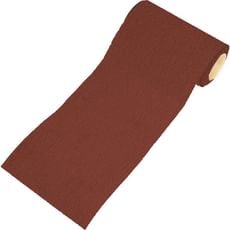
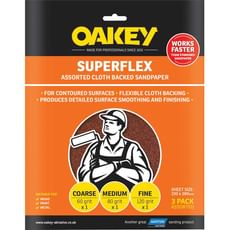
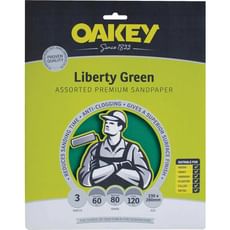
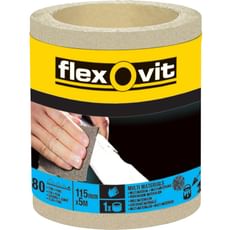
The range available from Tooled-Up.com encompasses multiple formats to suit different working requirements, from convenient pre-cut sheets to economical production rolls spanning several metres. Professional brands including Bosch, Faithfull, Flexovit, Oakey, and Sealey feature prominently, each offering distinct specifications tailored to particular applications. Whether you require heavy-duty cloth-backed rolls such as the Faithfull Aluminium Oxide Sanding Cloth Roll for curved surfaces and edges, or specialist floor sanding sheets for timber floor refinishing, this category delivers comprehensive coverage across grit sizes from aggressive 40-grit for material removal through to fine 400-grit for finishing work.
Aluminium oxide excels across diverse substrates including hardwoods, softwoods, painted surfaces, bare metal, and composite materials. Its versatility stems from the controlled friability of the abrasive grains, which ensures optimal cutting action whether hand sanding timber joinery or power sanding automotive panels. Available in both open coat configurations that resist clogging when working with resinous materials, and closed coat options that maximise cutting speed on bare substrates, aluminium oxide sandpaper provides the performance consistency and cost-effectiveness that UK workshops demand for production environments and precision finishing alike.
Jargon Buster
- Grit Size: The numerical classification indicating abrasive coarseness, with lower numbers (40-80) representing coarse grades for heavy stock removal, medium grits (100-150) suited to general smoothing, and fine grits (180-400+) reserved for finishing work and between-coat preparation. The grit number corresponds to the mesh size used to grade the abrasive particles.
- Aluminium Oxide: A synthetic abrasive material manufactured by fusing bauxite at elevated temperatures, producing tough crystalline structures considerably harder and longer-lasting than natural abrasives such as garnet. Its superior durability makes it particularly suited to power sanding and applications demanding consistent performance.
- Backing Material: The substrate supporting the abrasive grains, typically paper (designated A, C, D, or E weight indicating increasing thickness), cloth (J or X weight), or combination backings. Cloth substrates offer enhanced flexibility and tear resistance essential for contoured surfaces and edge work.
- Open Coat vs Closed Coat: Open coat sandpaper features abrasive grains covering approximately 50-70% of the backing surface, creating spaces that reduce clogging when sanding softwoods, painted surfaces, or materials generating sticky residue. Closed coat products achieve 100% grain coverage, delivering faster cutting action on bare hardwoods and metal.
- Friability: The controlled fracturing characteristic of abrasive grains that exposes fresh cutting edges during use. Aluminium oxide exhibits excellent friability, ensuring the abrasive maintains sharpness throughout its operational life rather than dulling progressively.
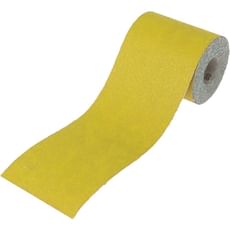
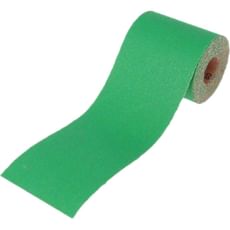
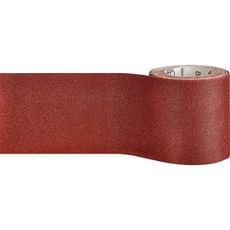
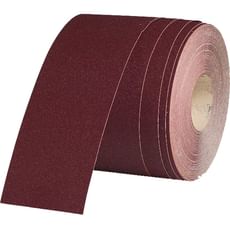
- Production Roll: Large-format sanding rolls, typically 115mm wide and extending several metres in length, enabling users to cut bespoke lengths for specific applications whilst minimising waste and reducing cost per metre compared to pre-cut sheets.
Who Uses Aluminium Oxide Sandpaper?
- Carpenters and Joiners: Surface preparation of structural timber, smoothing joinery assemblies, and achieving finishing standards on architectural woodwork and bespoke furniture
- Cabinet Makers: Fine finishing of hardwood components and veneered surfaces, preparing substrates for staining, lacquering, and specialist decorative finishes
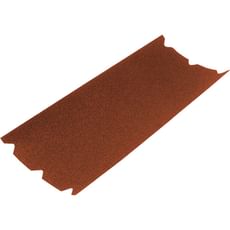
- Floor Fitters: Preparing solid wood flooring installations and refinishing established timber floors using specialist floor sanding sheets compatible with drum and orbital floor sanders
- Decorators and Painters: Flatting between paint coats, preparing previously painted surfaces, keying glosswork prior to repainting, and achieving smooth substrates for premium finishes
- Metalworkers and Fabricators: Deburring machined components, removing surface oxidation and rust, and preparing metal surfaces for welding, powder coating, or wet paint systems
- Automotive Bodyshops: Preparing panels for refinishing, flatting primer applications, cutting back lacquer coats, and achieving factory-standard surface preparation
- Furniture Restorers: Stripping degraded finishes from antique pieces, preparing restoration projects for refinishing, and achieving sympathetic surface preparation on period furniture
- General Maintenance Professionals: Commercial property maintenance, repair operations, and surface preparation across multiple substrate types in diverse environments
- DIY Enthusiasts: Home improvement projects, furniture upcycling, workshop tasks, and general maintenance requiring professional-standard abrasive materials
How to Choose the Right Aluminium Oxide Sandpaper
Consider Your Substrate: Whilst aluminium oxide delivers excellent performance across multiple materials, it proves particularly effective on timber, painted surfaces, and ferrous metals. For demanding applications involving hardwoods or continuous production work, premium offerings from Bosch Professional or Flexovit High Performance ranges justify the investment through extended working life and consistent performance.
Select Appropriate Grit Progression: Begin with 40-60 grit for aggressive material removal and paint stripping, progress through 80-120 grit for general smoothing operations, and complete finishing with 180-240 grit before applying stains or topcoats. For flatting between paint or varnish coats, specify 320 grit or finer to achieve adequate key without cutting through previous applications.
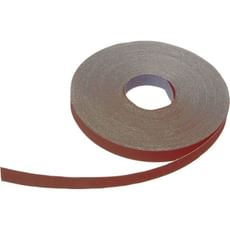
Choose Your Format Strategically: Production rolls available at Tooled-Up.com offer superior value for high-volume users and permit custom sizing for specific applications, reducing waste substantially. Pre-cut sheets suit hand sanding blocks and certain power tool requirements, particularly third-sheet and quarter-sheet orbital sanders. Cloth-backed options such as the Faithfull Aluminium Oxide Sanding Cloth Roll provide essential flexibility for curved surfaces, mouldings, and edge work where paper-backed products would tear.
Backing Weight Considerations: Heavier backing substrates (D or E weight paper, X weight cloth) deliver necessary durability for aggressive machine sanding and production environments, whilst lighter backing weights offer flexibility advantageous for hand sanding and contoured workpiece profiles.
Open Versus Closed Coat Selection: Specify open coat sandpaper when working softwoods, painted surfaces, or materials generating sticky residue to minimise loading and extend working life. For bare hardwoods and metal substrates, closed coat configurations deliver superior cutting speed and material removal rates.
Brand Quality Matters: Professional brands including Bosch, Flexovit, and Oakey employ precisely graded abrasive particles and superior bonding resins, ensuring consistent performance and extended operational life that offset the modest premium over budget alternatives through reduced product consumption.
Popular Accessories
- Sanding Blocks: Cork, rubber, and profiled blocks ensuring even pressure distribution during hand sanding operations and preventing surface irregularities
- Orbital Sanders: Electric palm sanders and random orbital sanders from Makita, DeWalt, and Bosch for efficient power sanding with dust extraction compatibility
- Sanding Frames: Floor sanding pole tools and ergonomic frames facilitating large-area preparation whilst minimising operator fatigue
- Dust Extraction Systems: Workshop vacuum extractors and dedicated dust collection units maintaining clean working environments and supporting COSHH compliance
- Sanding Sponges: Flexible abrasive sponges accessing corners, mouldings, and intricate profiles where conventional sandpaper proves impractical
- Tack Cloths: Specialist dust-removal cloths eliminating sanding residue before applying finishes, preventing contamination and surface defects
- Safety Equipment: FFP2 and FFP3 rated dust masks, respiratory protection, and safety glasses conforming to HSE guidelines for sanding operations
- Cutting Tools: Sharp scissors or craft knives for cutting production rolls to precise custom lengths for specific applications
Safety Information
Sanding operations generate substantial quantities of fine airborne particles presenting significant respiratory hazards, particularly when working with treated timber, MDF, or painted surfaces potentially containing lead or hazardous substances. Always conduct sanding work in adequately ventilated areas and wear appropriate respiratory protection conforming to HSE guidelines. FFP2 rated disposable masks suit most general sanding applications, whilst FFP3 specification becomes mandatory when working materials potentially containing hazardous substances or when exposure levels warrant enhanced protection.
Eye protection remains mandatory throughout all sanding operations to prevent particulate matter entering eyes. Specify safety glasses as minimum protection, or preferably full-face shields when operating power sanders generating higher particle volumes. When using electrically powered sanding equipment, verify tools are properly earthed and connect dust extraction apparatus wherever possible to minimise airborne contamination. Maintain awareness of COSHH regulations concerning wood dust, classified as a substance hazardous to health when workplace exposure exceeds prescribed limits.
Inspect sandpaper regularly for wear and replace promptly when performance deteriorates to avoid excessive pressure potentially damaging workpieces or tools. When hand sanding, schedule regular breaks preventing repetitive strain injuries, and always sand following the grain direction where possible to prevent surface damage and cross-grain scratches that compromise finishing quality.
Frequently Asked Questions
What distinguishes aluminium oxide from alternative abrasive types?
Aluminium oxide delivers an optimal balance of durability, cutting speed, and cost-effectiveness for general workshop applications. It significantly outlasts garnet (a natural abrasive) whilst remaining more affordable than ceramic or zirconia alternatives, establishing it as the predominant choice for woodworking and general surface preparation. Its friable characteristics ensure superior edge retention compared to silicon carbide when applied to timber substrates.
Can aluminium oxide sandpaper effectively sand metal as well as wood?
Absolutely. Aluminium oxide performs excellently across both substrate categories, proving particularly effective on ferrous metals, aluminium alloys, brass, and all timber species. For optimal results on metal, specify closed coat paper and consider slightly coarser grit grades than equivalent woodworking applications would require.
How can I prevent premature sandpaper clogging?
Specify open coat sandpaper when working resinous softwoods, painted surfaces, or materials generating sticky dust particles. Regular cleaning using crepe rubber blocks or wire brushes extends sandpaper operational life substantially. Avoid excessive pressure during sanding, which generates heat accelerating loading. When power sanding, ensure dust extraction systems are connected and functioning effectively.
Which grit should I use for preparing timber before painting or varnishing?
For bare timber, commence with 120 grit for initial smoothing, progress through 150-180 grit, and complete final preparation with 220 grit before applying primer or finishing coats. For between-coat flatting of paint or varnish systems, employ 240-320 grit to establish adequate key without cutting through previous applications. Always remove all sanding dust using tack cloths before applying subsequent coats to prevent surface contamination.
Are production rolls more economical than pre-cut sheets?
Generally affirmative, particularly for high-volume users and established workshop environments. Production rolls permit cutting precise lengths matching specific requirements, substantially reducing waste. However, pre-cut sheets offer convenience for occasional use and guarantee consistent sizing for tools with specific dimensional requirements such as third-sheet orbital sanders or quarter-sheet palm sanders.