

Angled Paint Brushes
Pay in 3 interest-free payments on purchases from £30-2000 with  . Learn more.
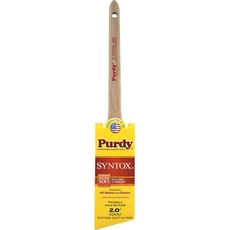
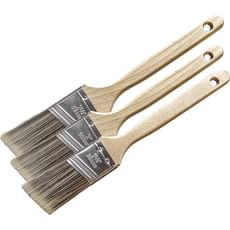
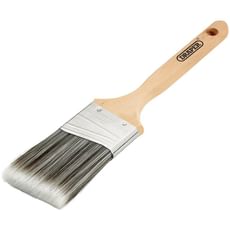
 Loading...
End of content
Error - No more pages to load
About Angled Paint Brushes
Angled paint brushes are specialist decorating tools designed with bristles cut at a precise angle, typically between 15 and 45 degrees. This distinctive shape makes them invaluable for achieving clean, professional lines when cutting in around edges, painting window frames, skirting boards, and reaching into corners that standard flat brushes simply cannot access effectively. Whether you're a professional decorator tackling large-scale projects or a DIY enthusiast perfecting your home renovation, an angled brush is an essential addition to your decorating toolkit.
The angled configuration allows for superior control and visibility, enabling you to see exactly where the paint is being applied whilst maintaining a comfortable hand position. This reduces wrist strain during extended painting sessions and significantly improves accuracy when working on detailed trim work or creating sharp lines between different coloured surfaces. Modern angled brushes feature synthetic bristles that work exceptionally well with water-based paints and woodcare products, offering excellent paint pickup and smooth, streak-free application.
Tooled-Up.com stocks angled paint brushes from trusted brands including Draper, Faithfull, Purdy, and Sealey, available in various sizes and bristle configurations to suit different applications. From compact cutting-in brushes for precision work to long-reach designs for accessing difficult areas, you'll find professional-quality tools engineered to deliver consistent, high-quality results across both trade and domestic decorating projects.
Jargon Buster
- Cutting In: The technique of carefully painting edges, corners, and boundaries where two surfaces meet, typically done before rolling larger areas. Angled brushes excel at this precise work, creating clean lines without the need for masking tape.
- Synthetic Bristles: Man-made filaments, usually nylon or polyester, designed to maintain their shape and stiffness when used with water-based paints and treatments. Unlike natural bristles, synthetic options won't absorb water and lose their spring.
- Sash Brush: A specialist brush design, often with angled bristles, originally developed for painting window sashes and frames. These brushes typically feature narrower profiles for detailed work on architectural features and joinery.
- Chisel Edge: The precise, sharp edge created by the angled cut of the bristles, which allows for fine line work and controlled paint application along edges and in tight spaces.
- Paint Pickup: The brush's ability to hold an adequate amount of paint in the bristles, reducing the frequency of reloading and improving workflow efficiency during decorating tasks.
- Flagged Bristles: Individual filaments with split ends that increase paint holding capacity and create a smoother finish with fewer visible brush marks on the painted surface.
Who Uses Angled Paint Brushes?
- Professional Decorators and Painters: Tradespeople who rely on angled brushes daily for cutting in, trim work, and achieving crisp lines on commercial and residential projects.
- Maintenance Teams: Facilities managers and property maintenance personnel who handle ongoing decorating and touch-up work across multiple sites.
- Joiners and Carpenters: Woodworking professionals who need to apply stains, varnishes, and protective coatings to finished joinery and architectural features.
- Shop Fitters: Specialists who require precision painting tools when finishing retail spaces and commercial interiors to exacting standards.
- DIY Enthusiasts: Home improvers tackling interior decorating projects who want professional-quality results when painting rooms, doors, and woodwork.
- Furniture Restorers: Craftspeople applying finishes and paints to antique and bespoke furniture pieces where precision and control are paramount.
- Sign Writers and Artists: Creative professionals who use angled brushes for detailed work and creating clean lines in their craft.
How to Choose the Right Angled Paint Brushes
Brush Width: Consider the scale of your work. Smaller brushes (25-38mm) excel at intricate cutting in and detailed trim work, whilst wider options (50-63mm) cover more ground when painting larger sections of skirting, door frames, and fascia boards. Professional decorators often keep several sizes to hand for different applications.
Bristle Type: Synthetic bristles are the modern standard for water-based paints, emulsions, and woodcare products, maintaining their shape and stiffness throughout use. They're also easier to clean and longer-lasting than natural alternatives. Look for quality synthetic filaments from established brands like Purdy and Draper for consistent performance.
Handle Design: Wooden handles offer traditional comfort and balance, whilst some brushes feature ergonomic designs for extended use without hand fatigue. Long-reach handles are invaluable when painting skirting boards or high-level trim work, reducing the need for constant bending or stretching.
Angle Degree: Most angled brushes feature angles between 15 and 45 degrees. Sharper angles provide greater precision for detailed cutting in, whilst more moderate angles offer versatility across various applications. Consider your typical projects when selecting the angle that best suits your needs.
Build Quality: Professional-grade brushes feature secure ferrules (the metal band holding bristles to the handle) that prevent bristle loss during use. Check that bristles are firmly set and the construction feels solid – quality brushes represent better value over time, maintaining performance through multiple projects and thorough cleanings.
Popular Accessories
- Paint Kettles and Scuttles: Convenient containers for decanting paint, making it easier to load your brush without contaminating the main tin.
- Brush Cleaning Solutions: Specialist cleaners that remove paint residue and maintain bristle condition, extending brush lifespan significantly.
- Brush Combs and Spinners: Tools designed to clean between bristles and remove excess paint and water after washing.
- Decorating Dust Sheets: Essential protection for floors and furniture when cutting in and painting trim work.
- Masking Tape: High-quality decorating tape for protecting surfaces, though a skilled hand with an angled brush can often eliminate the need.
- Paint Roller Sets: Complementary tools for covering larger wall areas after cutting in with your angled brush.
- Brush Storage Pouches: Protective cases that keep brushes clean, maintain bristle shape, and organise your decorating toolkit.
- Stepladders and Hop-Ups: Safe access equipment for reaching high-level trim work and ceiling lines.
Frequently Asked Questions
How do I clean and maintain my angled paint brushes?
For water-based paints, rinse brushes thoroughly under running water immediately after use, working the bristles with your fingers to remove all paint residue. Use a brush comb to separate the filaments and ensure complete cleaning. For stubborn paint, use a dedicated brush cleaning solution. Once clean, reshape the bristles to their original angle and hang or lay flat to dry. Never leave brushes standing on their bristles, as this will permanently deform the chisel edge and ruin the brush's precision.
Can I use angled brushes with oil-based paints and varnishes?
Whilst synthetic angled brushes work adequately with solvent-based products, they're specifically engineered for water-based paints, stains, and woodcare treatments. The synthetic filaments maintain their stiffness and shape when wet, making them ideal for modern decorating products. After using with oil-based materials, clean thoroughly with white spirit or appropriate solvent, followed by warm soapy water to remove all traces before storage.
What size angled brush should I buy for cutting in around ceilings?
For cutting in along ceiling lines and around room perimeters, a 50mm (2-inch) angled brush offers the best balance of coverage and control for most users. This size holds sufficient paint to minimise reloading whilst remaining manoeuvrable enough for accurate work. Professional decorators often favour this size for general cutting in, keeping smaller 25-38mm brushes for window frames and detailed trim work.
How long should a quality angled paint brush last?
With proper care and cleaning, a professional-quality angled brush from brands available at Tooled-Up should remain effective through numerous projects spanning several years. The key is thorough cleaning immediately after each use and proper storage to maintain the bristle shape. Budget brushes may only survive a few projects before bristle loss and shape deterioration compromise performance, making quality options more economical long-term.
Do I really need an angled brush, or will a standard flat brush suffice?
Whilst you can attempt cutting in with a flat brush, the angled design provides significantly better visibility of your work line, improved control, and reduced wrist strain during extended sessions. The chisel edge created by the angle allows you to achieve much sharper, cleaner lines with less effort. For anyone undertaking regular decorating work, whether professionally or domestically, an angled brush quickly proves indispensable and dramatically improves finish quality whilst reducing project time.