

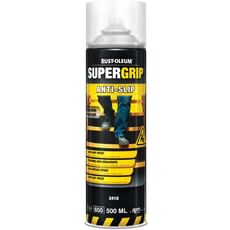
Antislip Aerosol Floor Paint
Pay in 3 interest-free payments on purchases from £30-2000 with  . Learn more.
 Loading...
End of content
Error - No more pages to load
About Antislip Aerosol Floor Paint
Antislip aerosol floor paint delivers a fast, convenient solution for creating safer walking surfaces in workshops, warehouses, commercial kitchens, and industrial environments. These specialist spray paints combine durable floor coating technology with integrated slip-resistant particles, providing excellent traction underfoot whilst protecting concrete, metal, and wooden floor surfaces from wear and tear. The aerosol format eliminates the need for brushes, rollers, or extensive preparation equipment, making it ideal for spot repairs, hazard zone marking, and treating awkward spaces where traditional application methods prove impractical.
Designed for professional tradespeople and facility managers, products like the Rust Oleum Hard Hat range deliver industrial-strength performance in a user-friendly spray can format. These formulations typically feature fast-drying acrylic-modified alkyd resins that cure to form hard-wearing, textured finishes meeting HSE requirements for slip resistance in workplace environments. The aerosol delivery system proves particularly valuable for refreshing high-traffic areas, marking pedestrian routes, and addressing slip hazards identified during risk assessments without disrupting operations for extended periods.
Unlike standard floor paints, these specialist coatings incorporate fine aggregate particles or chemical texturing agents that create a roughened surface profile without compromising visual appearance. Tooled-Up.com stocks formulations engineered to withstand constant foot traffic, forklift wheels, trolleys, and harsh cleaning regimes typical of commercial and industrial settings, making them essential for maintaining safe working environments across diverse sectors from manufacturing facilities to retail premises.
Jargon Buster
- Slip Resistance Rating (PTV)
- Measured using the pendulum test method, this indicates how much grip a surface provides underfoot. The HSE recommends a minimum Pendulum Test Value of 36 for most workplace environments to reduce slip hazards effectively.
- Aggregate Particles
- Fine grit materials such as silica sand, aluminium oxide, or synthetic polymers mixed into the paint formulation to create a textured, non-slip surface that increases traction and prevents accidents in wet or contaminated conditions.
- Cure Time
- The period required for the paint film to fully harden and achieve maximum durability and chemical resistance properties. This differs from touch-dry time, which only indicates when the surface can be lightly handled without damage.
- Substrate
- The underlying material being painted, such as concrete, metal, wood, or previously painted surfaces. Proper substrate preparation through cleaning, degreasing, and abrading is essential for achieving good adhesion and long-lasting results.
- VOC Content
- Volatile Organic Compounds are solvents that evaporate during the drying process. Lower VOC formulations are preferred for indoor use, complying with environmental regulations whilst reducing odour and health risks in occupied buildings.
- Coverage Rate
- The surface area that can be coated per aerosol can, typically measured in square metres. Coverage varies depending on substrate porosity, application technique, desired film thickness, and the number of coats applied.
Who Uses Antislip Aerosol Floor Paint?
- Facilities managers maintaining safety standards in commercial buildings, warehouses, and public spaces
- Health and safety officers addressing slip hazards identified during workplace risk assessments
- Factory maintenance teams treating high-traffic walkways and production floor areas
- Warehouse operatives marking loading bays, ramps, and pedestrian routes
- Kitchen fitters and catering managers improving slip resistance in commercial food preparation areas
- Shopfitters creating safe customer environments in retail settings
- Garage owners and mechanics treating workshop floors exposed to oils and fluids
- Marine engineers coating boat decks, jetties, and dock areas
- Property maintenance contractors conducting repairs and refurbishments across diverse sites
- Schools and leisure facilities maintaining safe flooring in changing rooms and pool areas
- DIY enthusiasts improving safety on garage floors, external steps, and outdoor surfaces
How to Choose the Right Antislip Aerosol Floor Paint
Substrate Compatibility: Ensure the product suits your floor material. Most antislip aerosols work on concrete, metal, and wood, but always verify manufacturer specifications. Previously painted surfaces may require light abrasion or priming for optimal adhesion, particularly if the existing coating is glossy or heavily contaminated.
Interior or Exterior Use: Outdoor applications require formulations with UV resistance and weatherproofing properties to prevent premature chalking and colour fade. Interior products may offer faster drying times and lower odour levels but won't withstand prolonged exposure to sunlight and rain.
Traffic Level: Consider the intensity of use your floor receives. Heavy industrial environments with forklift traffic demand more robust formulations than light pedestrian areas. Check manufacturer guidance on expected durability and recoating intervals to maintain slip resistance over time.
Colour Options: Whilst functionality remains paramount, colour choice matters for safety marking and aesthetics. High-visibility yellows prove ideal for hazard zones, whilst greys and blacks suit general floor areas. Some environments may require specific colour coding for compliance with workplace safety regulations.
Drying and Cure Times: Fast-drying formulations minimise disruption in operational environments. Products available from Tooled-Up.com typically offer foot traffic resistance within hours and full cure within 24-72 hours. Consider whether you can isolate the area during application and curing, particularly in 24-hour operations.
Chemical Resistance: If your floor will be exposed to oils, solvents, cleaning chemicals, or automotive fluids, verify that the coating offers appropriate resistance to prevent premature breakdown and maintain slip resistance properties throughout its service life.
Popular Accessories
- Surface Preparation Products: Degreasing agents, concrete etching solutions, and industrial-strength cleaning compounds to ensure proper adhesion and coating performance
- Masking Tape and Sheeting: For protecting adjacent surfaces and creating clean, professional edges during application in occupied premises
- Floor Stencils: For marking safety zones, directional arrows, and hazard warnings in consistent, professional lettering that complies with HSE guidance
- Aerosol Spray Handles: Trigger attachments that reduce finger fatigue during extended application sessions, improving comfort and control
- Respirators and Face Masks: Appropriate PPE for safe application in enclosed spaces, meeting HSE respiratory protection standards for organic vapour exposure
- Disposable Gloves: Nitrile or latex gloves to protect hands during surface preparation and application from solvents and chemicals
- Wire Brushes and Abrasive Pads: For removing loose material, rust, and preparing surfaces to achieve mechanical key for coating adhesion
- Floor Primer: For challenging substrates or heavily worn surfaces requiring additional preparation to ensure long-term performance
- Anti-Slip Tape: For supplementary grip on steps, edges, and small areas where spray application isn't practical or economical
Safety Information
Antislip aerosol floor paints contain flammable solvents and must be used with appropriate precautions in accordance with COSHH regulations. Always work in well-ventilated areas or use mechanical ventilation to prevent solvent vapour accumulation. Eliminate all ignition sources including naked flames, pilot lights, cigarettes, and electrical equipment that could create sparks during application and drying periods.
Wear suitable respiratory protection conforming to HSE guidance, particularly when working indoors or in confined spaces. A half-mask respirator with organic vapour cartridges provides appropriate protection for most applications. Eye protection and nitrile gloves should be worn throughout to prevent skin and eye contact with the product, which may cause irritation or allergic reactions.
Obtain the product safety data sheet and conduct a proper risk assessment before commencing work. Keep aerosol cans away from heat sources and never puncture or incinerate, even when empty. Store in a cool, dry location away from direct sunlight and frost, ensuring temperatures remain below 50°C to prevent pressure build-up.
Allow adequate drying time before permitting foot traffic, and ensure the area is fully cured before subjecting it to heavy loads or cleaning regimes. Display appropriate warning signage during application and curing periods to prevent accidents. Dispose of empty aerosol cans responsibly according to local authority guidelines for hazardous waste.
Frequently Asked Questions
How long does antislip aerosol floor paint take to dry?
Most quality antislip aerosol floor paints are touch-dry within 30-60 minutes and ready for light foot traffic after 4-6 hours. However, full cure typically takes 24-72 hours depending on temperature, humidity, and ventilation. Avoid heavy use or cleaning until the coating has fully cured to ensure maximum durability, adhesion, and slip resistance performance.
Can I apply antislip aerosol paint over existing floor coatings?
Yes, provided the existing coating is sound, clean, and properly prepared. Remove any loose or flaking paint, degrease the surface thoroughly using appropriate solvents, and lightly abrade with a wire brush or abrasive pad to provide a mechanical key for the new coating. Test a small inconspicuous area first to ensure compatibility and adhesion before proceeding with the full application.
How much area will one aerosol can cover?
Coverage varies by product and application method, but typically expect 1-2 square metres per 500ml aerosol can with a single coat. Porous substrates like bare concrete will require more product than sealed or previously painted surfaces. Always apply multiple thin coats rather than one heavy coat for best results, optimal slip resistance properties, and to avoid runs or sags.
Is antislip aerosol floor paint suitable for outdoor use?
Some formulations are specifically designed for exterior applications and offer UV resistance and weatherproofing. Check the product specifications carefully, as interior-only products will deteriorate rapidly when exposed to sunlight and rain. Exterior-grade products like those in the Rust Oleum Hard Hat range provide excellent durability on outdoor walkways, steps, loading areas, and exposed platforms.
How do I maintain the slip-resistant properties over time?
Regular cleaning with appropriate pH-neutral detergents prevents the build-up of oils, grease, and contaminants that reduce slip resistance. Avoid harsh scouring or abrasive cleaning methods that could wear away the textured surface and aggregate particles. Inspect high-traffic areas periodically and apply touch-up coats as needed to maintain both the protective coating and the antislip properties. Properly maintained antislip coatings can last several years in moderate-traffic environments.