

Anvils
Pay in 3 interest-free payments on purchases from £30-2000 with  . Learn more.
 Loading...
End of content
Error - No more pages to load
About Anvils
Anvils are fundamental metalworking tools that have remained largely unchanged for centuries, providing blacksmiths, farriers, and metalworkers with a solid, stable surface for shaping, forging, and manipulating metal through hammer strikes. A quality anvil features a hardened steel face capable of withstanding repeated heavy impacts whilst allowing precise control over the workpiece. Modern anvils range from compact workshop models weighing just a few kilograms to substantial cast iron and steel anvils exceeding 50kg for professional forge work.
The selection at Tooled-Up.com includes anvils from trusted manufacturers such as Draper, Faithfull, and Sealey, covering traditional pattern anvils with the classic horn design as well as specialist bick anvils for jewellery making and lighter metalwork. Whether you're a professional blacksmith requiring a heavy-duty forging anvil for your workshop, a farrier needing a portable anvil for shoeing horses on-site, or a hobbyist metalworker setting up a home forge, there are anvils suitable for every application and budget.
Cast iron anvils offer excellent value for occasional use and lighter work, whilst steel-faced models provide superior durability and rebound characteristics for intensive professional applications. Many anvils feature pre-drilled mounting holes for secure workbench or stand installation, ensuring stability during use and compliance with workshop safety requirements. The working surface typically measures between 100mm to 150mm in length, providing adequate space for most general metalworking tasks.
Jargon Buster
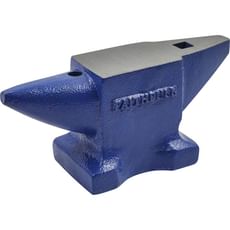
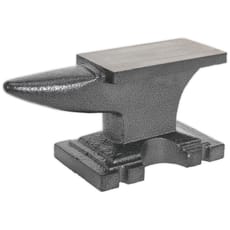
- Face: The flat top working surface of the anvil where most hammering and shaping operations take place. A hardened steel face provides durability and proper rebound for efficient metalworking.
- Bick (or Horn): The tapered, conical projection extending from one end of the anvil, used for bending metal, forming curves, and creating rings or rounded shapes in the workpiece.
- Hardy Hole: The square hole in the face of the anvil designed to hold various hardy tools such as cutting chisels, bending forks, and other anvil tools that assist with specific metalworking operations.
- Pritchel Hole: A smaller round hole near the hardy hole, typically used for punching holes in metal or as a clearance hole when drifting punches through workpieces.
- Rebound: The amount of "spring" or bounce an anvil face provides when struck with a hammer. Better rebound (typically 80-90% on quality steel anvils) indicates harder material and more efficient energy transfer during forging.
- Spheroidal Graphite Iron (SG Iron): An improved form of cast iron with enhanced strength and durability compared to standard grey cast iron, offering better resistance to cracking under impact.
Who Uses Anvils?
- Blacksmiths: Professional and hobbyist smiths use anvils for forging tools, decorative ironwork, gates, railings, and custom metalwork projects
- Farriers: Horse shoeing specialists require portable and workshop anvils for shaping horseshoes and corrective shoeing work
- Jewellery Makers: Jewellers and silversmiths use smaller anvils and bick anvils for forming, texturing, and shaping precious metals
- Metalwork Restoration Specialists: Heritage craftspeople working on historic building restoration and antique metalwork repairs
- Tool and Die Makers: Engineering professionals who shape and modify metal components and tooling
- Agricultural Engineers: Farm maintenance professionals who repair and fabricate metal components for agricultural machinery
- Automotive Restorers: Classic car enthusiasts and professionals who fabricate custom metal panels and components
- Metal Sculptors and Artists: Artists creating decorative and functional pieces from various metals
- DIY Enthusiasts: Home metalworkers developing forge skills or undertaking metal fabrication projects in their workshops
How to Choose the Right Anvils
Weight and Size: Anvil weight is crucial for stability and performance. Heavier anvils (25kg+) absorb impact better and provide more stability for serious forging work, whilst lighter models (4-15kg) suit jewellery making, light metalwork, or portable applications. As a general rule, your anvil should weigh at least 50 times heavier than your hammer for efficient working.
Material Construction: Cast iron anvils, including those manufactured from spheroidal graphite iron, offer economical entry points for hobbyists and occasional users. Steel or steel-faced anvils provide superior longevity and performance for regular use. Check that the face is properly hardened (typically 50-60 HRC) to resist deformation and provide good rebound characteristics essential for efficient metalworking.
Face Condition and Size: Inspect the working face for flatness and smoothness. A clean, flat face measuring at least 100mm x 65mm provides adequate working area for most general metalworking tasks, whilst larger faces suit bigger projects. Any dips, chips, or damage will transfer to your workpieces.
Bick Design: Traditional anvils feature a conical bick (or horn) for bending and forming curves. Consider whether you need a bick for your specific applications – jewellers might prefer a small bick anvil, whilst blacksmiths typically require a full-sized horn for diverse forming operations. Single bick anvils are most common and provide versatility for various metalworking tasks.
Mounting Options: Check for pre-drilled holes or suitable base design for secure mounting. Professional workshop anvils should be firmly mounted on a substantial wooden block, stand, or workbench at a comfortable working height (typically with the face at knuckle height when standing upright). Bolt-down patterns ensure maximum stability during use.
Hardy and Pritchel Holes: These holes expand your anvil's versatility considerably. If you plan to use specialist hardy tools for cutting, bending, or forming operations, ensure your chosen anvil includes appropriately sized holes. Not all smaller anvils include these features, so check specifications if they're required for your work.
Popular Accessories
- Anvil Stands: Purpose-built steel or wooden stands to mount your anvil at the correct working height and provide stability
- Hardy Tools: Cutting chisels, bending forks, fullers, and swages that insert into the hardy hole for specialist operations
- Blacksmith Hammers: Cross-pein, ball-pein, and engineer's hammers in various weights for different metalworking tasks
- Metalworking Tongs: Essential for safely gripping and manipulating hot metal during forging operations
- Protective Covers: Canvas or leather covers to protect your anvil face from rust and damage when not in use
- Bench Vices: Complementary holding tools for metalwork that doesn't require hammering
- Metalworking Files: For finishing and refining workpieces after forging operations
- Wire Brushes: Essential for cleaning scale and debris from workpieces and the anvil face
- Cold Chisels and Punches: Cutting tools for various metalworking operations when used with hardy hole supports
- Coach Bolts and Fixings: For securely mounting your anvil to a wooden block or workbench
Safety Information
Secure Mounting: Always ensure your anvil is firmly mounted or positioned on a stable base before use. An anvil that moves or tips during hammering operations presents serious injury risks. Professional installations should secure anvils weighing over 15kg to prevent displacement during heavy work. Use appropriate coach bolts through pre-drilled mounting holes where provided.
Eye Protection: Always wear appropriate safety glasses or face shields when working with an anvil. Metal fragments, scale, and sparks can cause serious eye injuries. This is particularly important when using chisels, punches, or working with hot metal that produces scale.
Hearing Protection: Repeated hammer strikes on anvils produce high-decibel impacts that can damage hearing over time. Wear appropriate ear defenders, especially during extended metalworking sessions in enclosed workshop environments, in accordance with HSE workplace noise exposure guidelines.
Hot Metal Precautions: When forging, remember that metal retains heat and may not show visible colour changes at temperatures still capable of causing serious burns. Always use appropriate tongs or holders, and maintain a clear workspace free from flammable materials. Ensure adequate ventilation in your workshop.
Proper Technique: Use controlled, accurate hammer strikes rather than wild swings. Missed strikes that hit the anvil edge or bick can cause hammer handle failure or send metal fragments flying. Maintain good posture and stable footing to ensure accurate strikes and prevent repetitive strain injuries.
Workspace Organisation: Keep your anvil area clear of clutter, ensure adequate lighting, and maintain good ventilation if working with hot metal. Store hardy tools and accessories safely when not in use to prevent tripping hazards around your workspace. Consider wearing steel toe-capped boots in case of dropped workpieces.
Frequently Asked Questions
What size anvil do I need for general metalworking?
For general blacksmithing and metalworking, an anvil weighing between 25-50kg provides an excellent balance of stability and versatility. This weight range offers sufficient mass to absorb hammer impacts effectively whilst remaining manageable for workshop positioning. Lighter models (4-15kg) work well for jewellery work, knife making, or situations requiring portability. Heavier anvils (50kg+) suit professional forge work where maximum stability is essential.
What's the difference between cast iron and steel anvils?
Cast iron anvils, including those made from spheroidal graphite iron, are more affordable and suitable for occasional light metalwork, forming softer metals, and hobbyist applications. However, they have lower rebound efficiency (typically 50-60%), greater susceptibility to chipping under heavy use, and reduced face hardness. Steel or steel-faced anvils provide better rebound (80-90%), superior durability, and are preferred for regular blacksmithing or professional work where longevity and performance matter.
How should I mount my anvil securely?
The traditional method involves mounting your anvil on a substantial hardwood block (typically oak or elm) that's approximately the same weight as the anvil itself. Secure the anvil using coach bolts through pre-drilled mounting holes, or use metal strapping for anvils without mounting holes. The block should be solidly positioned or secured to prevent movement. Alternatively, purpose-built steel anvil stands provide excellent stability and adjustable height options for different users. The face should sit at approximately knuckle height when standing upright.
Do I need hardy and pritchel holes on my anvil?
Hardy and pritchel holes significantly expand your anvil's capabilities but aren't essential for basic forming work. The hardy hole accepts square-shanked tools including cutting chisels, bending forks, and various forming tools that greatly enhance your metalworking options. The pritchel hole provides clearance for punching operations and drifting holes through workpieces. These features prove invaluable as your skills develop and projects become more complex, but beginners can start with a simpler design and upgrade later.
How do I maintain my anvil and prevent rust?
Keep the face clean and free from rust by wiping with a light oil (such as 3-in-One oil or WD-40) after use. Remove any scale, debris, or metal fragments promptly using a wire brush. Never strike the anvil face directly with hardened tools – use appropriate hardy tools in the hardy hole instead. Minor surface rust can be removed with fine emery cloth, but avoid aggressive grinding which might damage the hardened face. Store your anvil covered in a dry environment when not in regular use, and periodically check mounting bolts remain secure.