

Arbors

Pay in 3 interest-free payments on purchases from £20-£3000 with  . Learn more.
 Loading...
End of content
Error - No more pages to load
About Arbors
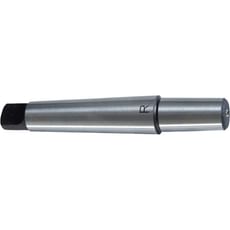
Arbors, also known as drill chuck arbors or spindle arbors, are precision-engineered components that form the vital connection between drilling equipment and cutting tools. These accurately machined adapters enable drill chucks to be securely mounted onto machine spindles, pillar drills, and magnetic drilling machines, ensuring perfect alignment and reliable tool holding during operation. Whether you're working in a professional engineering workshop or on a construction site with a mag drill, having the correct arbor is fundamental to achieving accurate results and maintaining safe working practices.
The arbor selection at Tooled-Up.com includes precision-machined drill chuck arbors designed for demanding professional applications, from standard workshop drilling to specialised tasks like annular cutting with magnetic drills. Quality manufacturers such as Rohm and Rotabroach produce arbors engineered to exacting tolerances, ensuring minimal run-out and maximum concentricity during operation. These components are manufactured from high-grade tool steel and precisely ground to ensure a perfect taper fit, whether you're working with Morse taper systems or threaded connections common on portable magnetic drilling equipment.
Modern arbors are available in various configurations to suit different equipment types and applications, from full-sized industrial drill chucks used on pillar drills and lathes to compact mini cutter arbors used in tight spaces or for precision metalworking. Selecting the correct arbor specification – including taper size, thread pitch, and overall length – is crucial for safe and effective operation of your drilling equipment. Using an incorrect arbor or one that's worn beyond acceptable tolerances can result in poor drilling accuracy, tool slippage, excessive vibration, and potentially hazardous situations in the workshop or on site.
Jargon Buster
- Morse Taper: A self-holding tapered connection system used to secure arbors into machine spindles. Common sizes include MT1, MT2, and MT3, with the number indicating the taper dimensions. The slight taper angle creates a friction fit that holds the arbor securely during operation without additional fasteners.
- Run-out: The amount of wobble or deviation from true centre when a tool rotates. High-quality arbors minimise run-out to ensure accurate drilling and reduce vibration, which is particularly important for precision engineering work and achieving good surface finishes.
- JT Taper (Jacobs Taper): A specific taper system commonly used for mounting drill chucks onto arbors. JT taper sizes are designated by numbers such as JT6 or JT33, with different sizes suited to various chuck capacities and applications in industrial and workshop environments.
- Tang: The flattened end on a Morse taper arbor that fits into a corresponding slot in the machine spindle. This prevents the arbor from rotating independently within the taper during heavy cutting operations and assists with removal using an arbor drift.
- Shank: The portion of the arbor that fits into the machine spindle or chuck. This may be tapered (such as Morse taper) or parallel with a threaded section, depending on the equipment type and manufacturer's specifications.
- Thread Pitch: The distance between threads on a threaded arbor, typically specified in metric measurements for UK and European equipment. Common specifications include M12 x 1.25mm or M14 x 1.5mm threads used on magnetic drilling machines and portable equipment.
Who Uses Arbors?
Arbors are essential components for various trades and industries where precision drilling and metalworking is required:
- Engineers and Machinists: For mounting drill chucks on pillar drills, milling machines, and lathes in workshops and manufacturing facilities
- Fabricators and Metalworkers: When using magnetic drilling machines for structural steelwork, pressure vessels, and heavy fabrication projects
- Maintenance Fitters: For equipment repair and maintenance work requiring precision drilling in industrial settings and production environments
- Steel Erectors: Using magnetic drills with annular cutters on construction sites and structural steel projects where accurate hole placement is critical
- Tool Room Technicians: Maintaining and configuring drilling equipment in production environments and quality control departments
- Pipeline and Ductwork Installers: Drilling precise holes in metal ducting, pipework, and pressure vessels in industrial and commercial installations
- Agricultural Engineers: Repair and fabrication work on farm machinery and equipment requiring reliable drilling capabilities
- Serious DIY Enthusiasts: Home workshop owners with pillar drills or magnetic drilling equipment requiring proper tooling setup for metalworking projects
How to Choose the Right Arbors
Selecting the correct arbor requires careful consideration of several key factors to ensure compatibility and safe operation:
Machine Spindle Type: Identify your equipment's spindle connection – whether it uses a Morse taper (and which size: MT1, MT2, MT3, etc.), a threaded spindle, or another connection system. Check your machine's manual or measure the existing arbor if replacing worn components. The spindle taper must match the arbor taper exactly for safe operation.
Chuck Connection: Determine how your drill chuck connects to the arbor. Common systems include JT taper connections (available in various sizes) or threaded mounts. The arbor must match both the chuck fitting and the machine spindle to ensure secure mounting and prevent dangerous tool ejection during operation.
Application Requirements: Consider whether you need a standard drill chuck arbor for general drilling or a specialised arbor for mini cutters or annular cutting systems. Rotabroach-style magnetic drills often require specific arbors designed for annular cutter compatibility, whilst workshop pillar drills typically use Morse taper arbors with JT connections for standard drill chucks.
Quality and Precision: Professional-grade arbors from manufacturers like Rohm offer superior precision machining with minimal run-out, essential for accurate work and reducing vibration that can damage workpieces or cutting tools. Whilst budget options exist, precision engineering applications demand high-quality arbors ground to tight tolerances for consistent performance.
Material and Durability: Quality arbors available from Tooled-Up are manufactured from hardened and ground alloy tool steel for long service life. Check that the arbor's material specification suits your working environment, particularly if exposed to cutting coolants or working with abrasive materials that could cause premature wear.
Length Considerations: Ensure the arbor length provides adequate clearance for your intended applications whilst not creating excessive overhang that could cause vibration or reduced rigidity during drilling operations. This is particularly important when using magnetic drills in confined spaces or working with long annular cutters.
Popular Accessories
To get the most from your arbors and drilling equipment, consider these complementary products:
- Drill Chucks: Keyless and keyed drill chucks from quality manufacturers like Rohm for secure bit holding across various capacities
- Annular Cutters: Also known as core drills or broach cutters, for creating large diameter holes in metalwork with magnetic drilling machines
- Arbor Drift: Specialised tool for safely removing Morse taper arbors from machine spindles without damaging the taper surfaces
- Twist Drills and Drill Bit Sets: HSS and cobalt drill bits for use with your chuck and arbor setup in various materials
- Cutting Lubricants: Thread cutting oils and drilling fluids to extend cutter life, improve finish quality, and reduce heat generation
- Magnetic Drilling Machines: Portable mag drills that require appropriate arbors for different cutter types and applications
- Precision Measuring Tools: Verniers, micrometers, and dial indicators for checking arbor condition and run-out measurements
- Machine Cleaning Products: Taper cleaners, degreasing agents, and lint-free cloths to maintain proper seating of tapered arbors
Safety Information
Working with arbors and drilling equipment requires adherence to important safety practices:
Proper Installation: Always ensure arbors are fully seated in the machine spindle with the tang properly located in its slot. A partially seated Morse taper can eject dangerously during operation, potentially causing serious injury. Clean both the arbor taper and spindle socket thoroughly with a suitable solvent before installation to ensure proper seating and maximum holding power.
Regular Inspection: Check arbors regularly for wear, scoring, or burring that could affect their grip or cause run-out. Damaged arbors should be replaced immediately as they compromise both safety and work quality. HSE guidelines emphasise the importance of maintaining equipment in safe working condition and keeping accurate maintenance records.
Correct Removal: Never hammer directly on an arbor to remove it from a spindle. Use a proper arbor drift or wedge designed for the purpose, following the equipment manufacturer's instructions carefully. Improper removal techniques can damage both the arbor taper and machine spindle, leading to dangerous run-out and potential tool failure.
Speed Ratings: Ensure your arbor and chuck combination is suitable for the operating speeds of your machine. Exceeding rated speeds can cause chuck jaw ejection or arbor failure, creating serious hazards in the workshop. Always consult manufacturer specifications before operation, particularly with high-speed drilling equipment.
Personal Protective Equipment: Always wear appropriate PPE including safety glasses or face shields when operating drilling equipment. Loose clothing, jewellery, and long hair should be secured to prevent entanglement with rotating components. Steel-toe boots are recommended when working with heavy drilling equipment and workpieces.
Frequently Asked Questions
What's the difference between a Morse taper and a threaded arbor?
A Morse taper arbor uses a precisely ground tapered shank that wedges into a matching tapered socket in the machine spindle, holding by friction and requiring no additional fasteners. Threaded arbors screw into a threaded spindle and are secured with a locking mechanism or draw bolt. Morse tapers are more common on traditional pillar drills, lathes, and industrial equipment, whilst threaded connections are often found on magnetic drilling machines and some portable equipment. Each system has advantages depending on the application and equipment type.
How do I know which Morse taper size I need?
Check your machine's specification plate, nameplate, or instruction manual for the spindle taper size (MT1, MT2, MT3, etc.). If this information isn't available, you can measure the large diameter of your existing arbor's taper and compare against standard Morse taper dimensions readily available online or in engineering reference materials. Alternatively, consult with the equipment manufacturer or a specialist machinery dealer. Using the incorrect taper size is extremely dangerous and will not hold securely during operation.
Why is my drill chuck wobbling even with a new arbor?
Wobble or run-out can result from several issues: dirt, swarf, or damage on the mating surfaces, incorrect taper size, a worn machine spindle, or a damaged chuck with worn jaws. Thoroughly clean both the arbor taper and spindle socket with a suitable degreasing solvent and lint-free cloth, checking carefully for burrs or damage. If the problem persists after cleaning, the machine spindle may need professional assessment or regrinding, or the chuck itself could be worn beyond acceptable tolerances and require replacement.
Can I use any drill chuck with any arbor?
No – the chuck and arbor must have matching connection systems for safe and effective operation. Common systems include JT (Jacobs Taper) connections in various sizes (JT6, JT33, etc.), or threaded connections with specific thread pitches such as M12 or M14. Check both the chuck's mounting specification (usually stamped on the chuck body) and the arbor's connection type to ensure compatibility. Mismatched components won't seat properly and create extremely dangerous working conditions with risk of tool ejection.
How often should arbors be replaced?
Quality arbors can last many years with proper care and maintenance, but should be replaced when showing signs of wear such as scoring on the taper surface, damaged threads, bent shanks, or excessive run-out. In high-use industrial environments, periodic inspection and measurement against manufacturer tolerances helps determine when replacement is necessary. Always replace arbors that have been dropped or subjected to impact damage, as internal stress fractures or distortion may not be immediately visible but can lead to sudden failure during operation.