

Automotive Analysers
Pay in 3 interest-free payments on purchases from £30-2000 with  . Learn more.
 Loading...
End of content
Error - No more pages to load
About Automotive Analysers
Automotive analysers are indispensable diagnostic tools that enable mechanics, technicians, and vehicle enthusiasts to rapidly identify and troubleshoot electrical and mechanical issues in modern vehicles. These sophisticated devices connect to a vehicle's onboard computer system through the OBD-II (On-Board Diagnostics) port, reading fault codes and live data to pinpoint problems ranging from engine management issues to emission system faults. With advances in automotive technology, today's vehicles contain increasingly complex electronic systems that require professional-grade diagnostic equipment to properly service and maintain.
The selection at Tooled-Up.com includes EOBD code readers, comprehensive diagnostic tools, and multi-function automotive analysers that combine electrical testing capabilities with code reading functions. From basic fault code readers perfect for small garages and mobile mechanics, to advanced diagnostic tools capable of performing MOT readiness checks and live data streaming, these instruments are indispensable for anyone working on modern vehicles. Many units also feature oil service reset functions, allowing technicians to clear service indicators after routine maintenance, whilst digital automotive analysers often incorporate multimeter functions for comprehensive electrical testing.
Whether you're running a busy workshop, operating as a mobile mechanic, or maintaining a fleet of vehicles, automotive analysers dramatically reduce diagnostic time and eliminate guesswork. By providing accurate fault identification and system information, these tools help professionals work more efficiently whilst ensuring repairs are carried out correctly the first time, saving both time and money for workshop and customer alike. The Sealey range available from Tooled-Up includes both entry-level EOBD code readers and sophisticated multi-function analysers suitable for professional automotive diagnostics.
Jargon Buster
- EOBD (European On-Board Diagnostics) – The European standard for vehicle diagnostic systems, mandatory on all petrol vehicles from 2001 and diesel vehicles from 2004. EOBD allows diagnostic tools to communicate with a vehicle's computer system to retrieve fault codes and monitor emissions-related systems.
- DTC (Diagnostic Trouble Code) – Alphanumeric codes stored by a vehicle's computer when a fault is detected. These codes identify specific problems within various vehicle systems, helping technicians quickly locate the source of issues without time-consuming manual testing.
- Live Data Streaming – The ability to view real-time sensor readings and system parameters whilst the engine is running, allowing technicians to observe vehicle behaviour under different operating conditions and identify intermittent faults.
- Freeze Frame Data – A snapshot of vehicle operating conditions (engine speed, temperature, fuel trim, etc.) captured at the exact moment a fault code was triggered, providing valuable context for diagnosing the root cause of problems.
- OBD-II Port – The standardised 16-pin diagnostic connector found in all modern vehicles, typically located beneath the dashboard. This port provides the physical connection between diagnostic tools and the vehicle's computer system.
- Readiness Monitors – Self-diagnostic routines that vehicles perform to ensure emissions systems are functioning correctly. Checking readiness monitor status is essential for MOT preparation, as incomplete monitors can result in test failure.
Who Uses Automotive Analysers?
- Independent Garages and Workshops – Professional mechanics rely on diagnostic tools for efficient fault-finding and repair verification across all vehicle makes
- Mobile Mechanics – Self-employed technicians who need portable diagnostic capabilities for roadside repairs and customer visits
- MOT Testing Stations – Facilities requiring pre-test diagnostics and emissions system verification before conducting official MOT tests
- Fleet Maintenance Teams – Companies managing multiple vehicles need diagnostic tools to maintain their fleet and minimise downtime
- Vehicle Recovery Operators – Breakdown services use analysers to quickly diagnose problems and determine whether roadside repair is possible
- Auto-Electricians – Specialists who combine diagnostic code reading with electrical circuit testing to resolve complex wiring and sensor faults
- Agricultural and Plant Engineers – Technicians servicing modern farming equipment and construction machinery with OBD-compliant engines
- Classic Car Restorers – Enthusiasts working on newer classic vehicles with electronic management systems
- Serious DIY Enthusiasts – Home mechanics who prefer to diagnose and repair their own vehicles rather than paying for garage diagnostics
How to Choose the Right Automotive Analysers
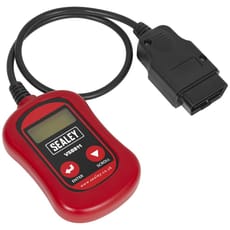
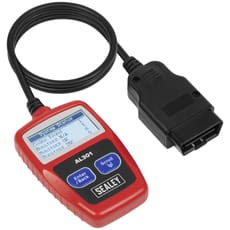
Selecting the appropriate automotive analyser depends on your specific requirements and the types of vehicles you'll be working with. Entry-level EOBD code readers are ideal for basic fault code reading and clearing, perfect for small workshops or DIY users who need straightforward diagnostics without advanced features. These budget-friendly units typically display generic OBD-II codes and provide basic freeze frame data, with models like the Sealey AL301 offering excellent value for occasional diagnostic work.
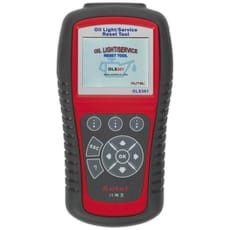
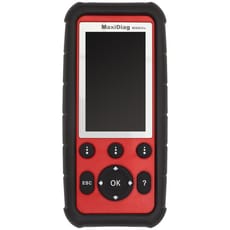
Mid-range diagnostic tools offer enhanced functionality including live data streaming, readiness monitor checks, and oil service reset capabilities. These units are well-suited to busy independent garages handling a variety of routine services and repairs. The Sealey Autel range combines comprehensive diagnostic functions with user-friendly interfaces, speeding up diagnostic procedures in professional workshop environments. Look for models with clear, backlit displays and intuitive menu navigation to maximise efficiency.
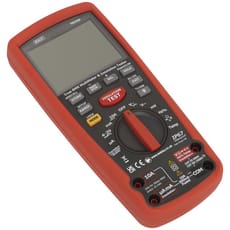
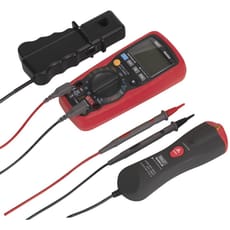
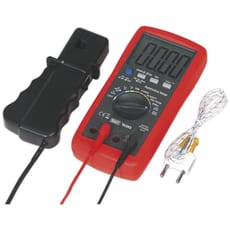
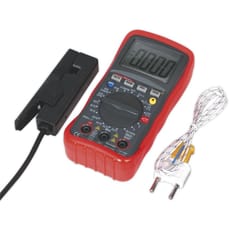
Consider whether you need multi-function analysers that combine diagnostic capabilities with automotive electrical testing. Units like the Sealey TA series feature multimeter functions, voltage testing, and circuit analysis, eliminating the need for multiple separate tools. This proves particularly valuable for auto-electricians and technicians who frequently diagnose electrical faults alongside engine management issues. Models with insulation testing capabilities provide additional functionality for comprehensive electrical diagnostics.
Vehicle coverage is crucial – ensure your chosen analyser supports the makes and models you work with most frequently. Whilst basic EOBD functions are standardised across European vehicles, manufacturer-specific codes and advanced functions may require particular compatibility. Some professional-grade units offer updateable software to maintain compatibility with newer vehicles, protecting your investment as automotive technology evolves.
For mobile mechanics and roadside repair services, portability and durability matter significantly. Look for compact designs with protective rubberised housings that can withstand workshop conditions and transportation. Battery-powered units offer greater flexibility than those requiring external 240v power sources, essential for technicians working away from mains electricity supplies.
Popular Accessories
- OBD Extension Cables – Provide additional reach when the diagnostic port is in an awkward location, making it easier to position the analyser where you can view it whilst working
- Protective Carry Cases – Keep your diagnostic equipment safe during transportation and storage, essential for mobile mechanics
- Software Update Subscriptions – Maintain compatibility with the latest vehicle models and access expanded diagnostic functions
- Temperature Probes – For analysers with thermal testing capabilities, additional probes expand diagnostic possibilities for cooling system and sensor testing
- Automotive Multimeters – Complement your diagnostic analyser with dedicated electrical testing equipment for comprehensive fault-finding
- Circuit Testers and Test Lights – Essential hand tools for verifying electrical circuits identified through diagnostic scans
- Battery Testers – Rule out battery and charging system issues before investigating more complex electrical faults
- Workshop Manuals and Technical Data Subscriptions – Interpret diagnostic codes accurately with manufacturer-specific repair information and wiring diagrams
Frequently Asked Questions
Q: Will an EOBD code reader work on all vehicles?
A: EOBD code readers work on all petrol vehicles registered after 2001 and diesel vehicles from 2004 onwards that are sold in the UK and Europe. Earlier vehicles may use different diagnostic systems. The OBD-II standard is mandatory across these vehicles, ensuring basic diagnostic compatibility, though some manufacturer-specific functions may require dedicated diagnostic equipment. Most commercial vehicles and motorcycles with electronic management systems also feature OBD-II ports.
Q: Can I use an automotive analyser to turn off my check engine light?
A: Whilst automotive analysers can clear fault codes and extinguish the check engine light, this only addresses the symptom, not the underlying problem. Unless you've actually repaired the fault causing the warning light, it will simply return once the vehicle's computer detects the problem again. Professional diagnostics should always identify and fix the root cause before clearing codes, particularly before MOT testing where the fault will be detected.
Q: Do I need different analysers for petrol and diesel vehicles?
A: Modern EOBD-compliant diagnostic tools work with both petrol and diesel vehicles through the standardised OBD-II port. However, diesel vehicles often have additional systems (DPF, EGR, fuel injection) that may require more advanced diagnostic functions. Check your analyser's specifications to ensure it supports diesel-specific diagnostics if you regularly work on diesel engines, particularly for regeneration procedures and exhaust system monitoring.
Q: What's the difference between generic and manufacturer-specific codes?
A: Generic codes (P0xxx, B0xxx, C0xxx, U0xxx) are standardised across all EOBD-compliant vehicles and can be read by any diagnostic tool. Manufacturer-specific codes (P1xxx, P3xxx, etc.) provide more detailed information about proprietary systems and may require brand-specific diagnostic equipment or advanced analysers with expanded code libraries to interpret correctly. Basic code readers display generic codes, whilst professional diagnostic tools often access manufacturer-specific codes.
Q: How often should I update my diagnostic tool's software?
A: For professional workshop use, updating your diagnostic tool annually ensures compatibility with the latest vehicle models and access to new diagnostic protocols. Mobile mechanics and those working primarily on older vehicles may update less frequently. Always check for updates before working on particularly new vehicles or when you encounter compatibility issues. Many manufacturers offer free updates for a period after purchase, with subscription services available thereafter.