

Automotive Diagnostic & Electrical Leads

Pay in 3 interest-free payments on purchases from £20-£3000 with  . Learn more.




 Loading...
End of content
Error - No more pages to load
About Automotive Diagnostic & Electrical Leads
Automotive diagnostic and electrical leads are essential tools for anyone working on vehicle electrical systems, from professional auto electricians to DIY mechanics maintaining their own cars. This comprehensive category includes everything needed to safely test, diagnose, and repair automotive electrical circuits, including diagnostic test lead kits, circuit testers, automotive wiring cable, battery starter cables, and specialist connectors. Whether tracing an intermittent fault, testing circuits, or installing new electrical components, having the right diagnostic leads and electrical cables ensures accurate readings and safe, reliable connections that comply with automotive electrical standards.
The automotive electrical environment presents unique challenges, with systems operating at both 12V and 24V depending on the vehicle type, and requiring components that can handle high current loads, vibration, temperature extremes, and exposure to oils and chemicals. Quality automotive electrical leads are specifically designed to withstand these demanding conditions, featuring robust insulation, secure connectors, and appropriate current ratings for different applications. Professional-grade products from manufacturers like Sealey and Draper Expert deliver the durability and accuracy required for workshop environments and mobile mechanics alike.
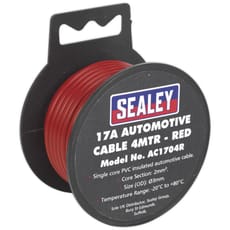
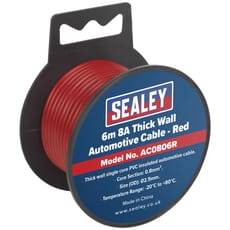
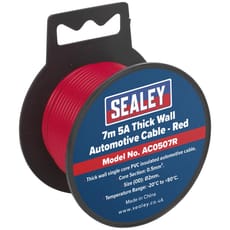
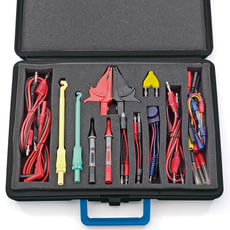
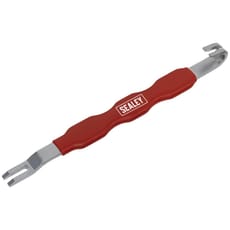
The selection at Tooled-Up.com includes complete diagnostic test lead kits with multiple adapters and probes for comprehensive electrical testing, individual automotive cable spools in various amperage ratings (5amp, 8amp, 17amp, 27amp) for custom wiring projects, heavy-duty 300A battery starter cables for jump-starting and battery testing, and practical accessories like quick splice connectors, electrical connector separators, and remote starter switches. These products enable both diagnostic work and repair installations, making them invaluable for anyone serious about automotive electrical work.
Jargon Buster
- Current Rating (Amperage) - The maximum electrical current (measured in amps) that a cable or lead can safely carry without overheating. Automotive cables are rated at different amperages (5A, 8A, 17A, 27A) depending on the circuit they're designed for, with higher ratings required for heavier loads like starter motors and alternators.
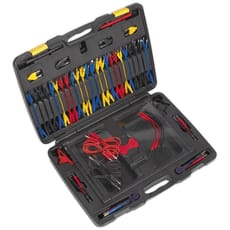
- Circuit Test Lead - A specialised diagnostic tool with probes and clips designed to safely connect to automotive electrical circuits for testing voltage, continuity, and current flow. Professional kits include multiple probe types and lengths for accessing difficult locations.
- Quick Splice Connector - A time-saving electrical connector that allows wires to be joined without cutting or stripping, using a metal blade that pierces the insulation when crimped. Ideal for tapping into existing circuits for accessories or diagnostics.
- Remote Starter Switch - A diagnostic tool that allows the engine starter motor to be engaged from outside the vehicle, enabling compression tests, timing adjustments, and electrical diagnostics without an assistant in the driver's seat.
- Battery Starter Cable - Heavy-duty electrical cable rated for high current loads (typically 200A-400A) used for jump-starting vehicles or connecting battery testers. These cables require thick conductors and robust insulation to handle the extreme current safely.
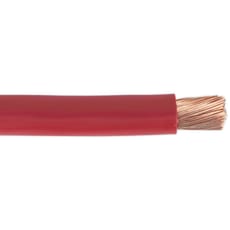
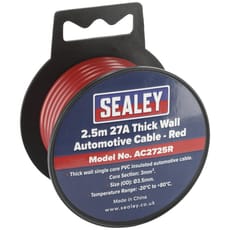
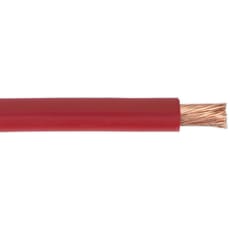
- Automotive Single Core Cable - Flexible electrical cable with a single conductor core and protective insulation, sold on spools in various amperage ratings. Used for custom wiring installations, repairs, and modifications throughout the vehicle's electrical system.
Who Uses Automotive Diagnostic & Electrical Leads?
- Auto Electricians - Specialist tradespeople who diagnose and repair vehicle electrical systems, requiring comprehensive test equipment and quality wiring materials
- Mobile Mechanics - Independent mechanics providing on-site vehicle repairs who need portable diagnostic equipment and starter cables for roadside assistance
- MOT Testing Stations - Garages conducting vehicle inspections that require reliable diagnostic tools for electrical system testing
- Vehicle Technicians - Workshop-based mechanics performing routine maintenance, repairs, and diagnostics on cars, vans, and light commercial vehicles
- HGV and Plant Maintenance Engineers - Professionals working on heavy goods vehicles and construction equipment, often dealing with 24V systems requiring appropriate test leads
- Agricultural Engineers - Technicians maintaining farm machinery and tractors with complex electrical systems
- DIY Mechanics and Car Enthusiasts - Home mechanics performing their own vehicle maintenance, modifications, and electrical fault-finding
- Recovery and Breakdown Services - Professionals requiring heavy-duty starter cables and diagnostic equipment for roadside assistance
- Fleet Maintenance Teams - In-house mechanics maintaining company vehicle fleets requiring reliable diagnostic and repair tools
How to Choose the Right Automotive Diagnostic & Electrical Leads
Determine Your Application Requirements - Consider whether you need diagnostic testing equipment, wiring cable for installations, or heavy-duty starter cables. Professional automotive electricians benefit from comprehensive diagnostic kits with multiple probe types and adapters, whilst DIY users might start with a basic test lead set and individual cable spools in commonly-needed amperage ratings. If you frequently work on multiple vehicle types, ensure your diagnostic leads include adapters for both 12V and 24V systems.
Check Current Ratings and Cable Specifications - Always select automotive cable with an amperage rating appropriate for the circuit you're working on. Lighting circuits typically require 5A-8A cable, whilst more demanding applications like heated rear windows need 17A cable, and high-current accessories may require 27A or higher. For battery starter cables, look for ratings of at least 200A-300A for reliable jump-starting and battery testing. Using underrated cable creates serious fire risks and can damage vehicle electrical systems.
Consider Build Quality and Durability - Professional-grade automotive electrical leads from manufacturers like Sealey and Draper Expert feature reinforced insulation resistant to oils, chemicals, and temperature extremes. Look for flexible cable that remains pliable in cold conditions, secure crimp connections that won't work loose with vibration, and robust probe tips that maintain good electrical contact. For workshop use, organised storage solutions like cable spools with wall hangers keep your workspace tidy and prevent cable damage.
Assess Kit Completeness vs Individual Components - Comprehensive diagnostic test lead kits (such as 28-piece or 90-piece sets) provide excellent value for professional use, including multiple probe types, alligator clips, piercing probes, and extension leads in an organised case. However, if you only need specific items, purchasing individual cable spools or specialist tools like remote starter switches may be more cost-effective. Consider your typical workload when deciding between complete kits and individual components.
Look for Practical Features - Features like colour-coded insulation help prevent connection errors, clearly marked cable ratings ensure you select the correct wire for each job, and labelled storage cases speed up workflow. Quick splice connectors save time on accessory installations, whilst electrical connector separator tools prevent damage when removing tight-fitting plugs. If you work mobile, prioritise compact kits with robust cases that protect equipment during transportation.
Popular Accessories
- Multimeters and Voltage Testers - Essential diagnostic instruments for measuring voltage, current, and resistance in automotive circuits
- Wire Strippers and Crimping Tools - Specialist hand tools for preparing cable ends and attaching connectors securely
- Electrical Tape and Heat Shrink Tubing - Insulation materials for protecting connections and cable repairs
- Terminal and Connector Assortments - Boxes of various automotive electrical connectors, spade terminals, and ring terminals
- Fuse Testers and Fuse Assortments - Tools and replacement fuses for diagnosing and repairing blown fuses
- Battery Testers and Charging Equipment - Devices for assessing battery condition and maintaining charge levels
- Cable Ties and Wiring Looms - Organisational products for securing and routing automotive wiring neatly
- Circuit Breakers and Inline Fuse Holders - Protection devices for custom electrical installations
- Soldering Irons and Solder - Equipment for creating permanent, reliable electrical connections
- Workshop Lighting and Inspection Tools - LED work lights and inspection mirrors for accessing difficult areas
Safety Information
Electrical Safety Precautions - Always disconnect the vehicle battery before working on electrical systems unless specifically testing live circuits. When working with live systems, use insulated tools and test leads with proper safety ratings. Automotive electrical systems may appear low-voltage, but starter motors and alternators can generate extremely high currents capable of causing severe burns, welding metal objects to terminals, or igniting flammable materials. Never wear jewellery or watches when working on vehicle electrics.
Battery and Starter Cable Safety - Exercise extreme caution when jump-starting vehicles or working with battery starter cables. Incorrect connections can cause battery explosion, severe electrical arcing, or damage to sensitive electronic systems. Always connect positive to positive and negative to a suitable earth point, never directly to the negative terminal of a discharged battery. Ensure cables are rated appropriately for the application and inspect insulation regularly for damage that could cause dangerous short circuits.
Fire Prevention - Using undersized automotive cable creates serious fire risks. Always select cable with current ratings exceeding the expected load, and protect all circuits with appropriate fuses. Route cables away from hot exhaust components, sharp edges that might damage insulation, and moving parts. Secure wiring properly to prevent chafing and vibration damage. Keep a suitable fire extinguisher readily available when working on vehicle electrical systems, particularly during welding or soldering operations.
Personal Protective Equipment - Wear safety glasses when working under vehicles or in engine bays to protect against falling debris and acid splashes from batteries. Insulated gloves provide additional protection when working on live circuits. Ensure adequate ventilation when working on batteries, as they emit hydrogen gas which is highly explosive. Follow HSE guidance for working in confined spaces if accessing electrical systems in enclosed areas.
Frequently Asked Questions
What amperage automotive cable do I need for different applications?
The required cable amperage depends on the electrical load. Lighting circuits typically use 5A-8A cable, whilst heated rear windows and demister systems need 17A cable. High-current accessories like additional spotlights or winches require 27A or higher. Always check the current draw of the device you're installing and select cable rated at least 25% above this figure for safety. When in doubt, consult the vehicle's wiring diagram or use a higher-rated cable, as there's no safety issue with over-specification, only with undersizing.
Can I use standard electrical wire for automotive applications?
No, always use automotive-specific cable for vehicle electrical work. Standard household electrical wire isn't designed for the vibration, temperature extremes, chemical exposure, and flexing that automotive environments demand. Automotive cable features stranded copper conductors for flexibility, specialised insulation resistant to oils and fuels, and appropriate ratings for 12V/24V DC systems. Using incorrect cable types can lead to failures, electrical fires, and MOT failures.
How do I diagnose electrical faults in my vehicle?
Start with a visual inspection of wiring, connectors, and fuses for obvious damage or corrosion. Use a multimeter or circuit test leads to check for voltage at various points in the circuit, working from the power source towards the component. Test for continuity in suspect wires and check earth connections, as poor earths cause many automotive electrical problems. Browse the diagnostic test lead kits at Tooled-Up.com with various probe types to help access difficult connection points. For complex issues, consult the vehicle's wiring diagram to understand circuit routing and component locations.
What's the difference between a 28-piece and 90-piece diagnostic test lead kit?
Larger diagnostic kits include more probe types, longer extension leads, and additional adapters for accessing different connector types and testing points. A 28-piece kit typically covers most common diagnostic tasks for DIY mechanics, whilst a 90-piece professional kit provides comprehensive coverage for varied vehicle types, including specialist probes for piercing insulation, back-probing connectors without damage, and testing in confined spaces. Professional auto electricians working across multiple vehicle makes benefit from the versatility of larger kits, whilst home mechanics may find smaller sets perfectly adequate.
How do I safely jump-start a vehicle using starter cables?
Use heavy-duty starter cables rated for at least 200A-300A. Connect the red positive lead to the positive terminal of the discharged battery first, then to the positive terminal of the donor battery. Connect the black negative lead to the donor battery's negative terminal, then to a solid metal earth point on the vehicle with the flat battery (not directly to the negative terminal). Start the donor vehicle, wait a few minutes, then attempt to start the discharged vehicle. Remove cables in reverse order. Always consult both vehicles' handbooks first, as some modern vehicles with sensitive electronics require specific jump-starting procedures.