

Automotive Pliers
Pay in 3 interest-free payments on purchases from £30-2000 with  . Learn more.
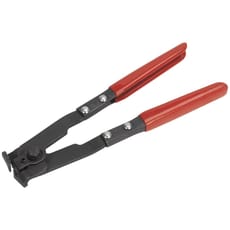
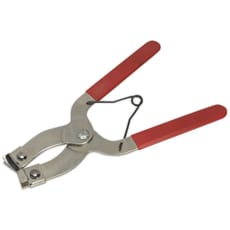
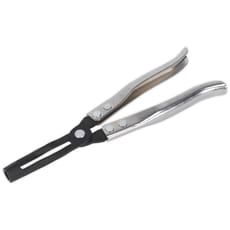

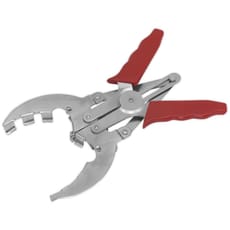
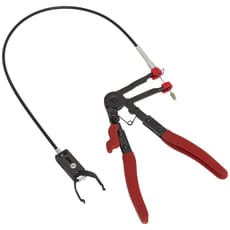
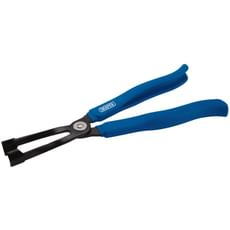
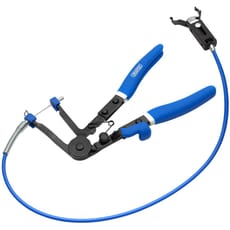
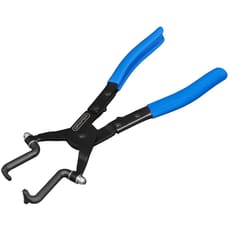
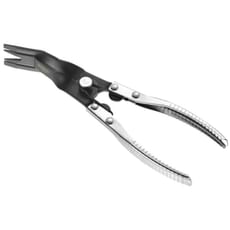
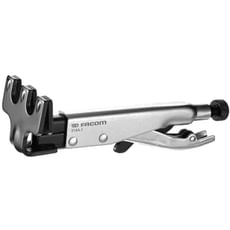
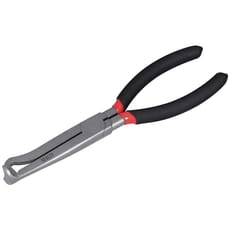
 Loading...
End of content
Error - No more pages to load
About Automotive Pliers
Automotive pliers are precision-engineered hand tools designed specifically for the demanding requirements of vehicle maintenance, repair, and modification work. Unlike standard workshop pliers, these specialist tools feature carefully designed jaw configurations, angled heads, and purpose-built mechanisms that allow mechanics and technicians to access confined engine bays, manipulate delicate components, and work with vehicle-specific fasteners that conventional tools simply cannot handle effectively. From extracting stubborn trim clips and installing piston rings to cutting exhaust pipes and crimping electrical connectors, automotive pliers represent essential equipment for anyone working on cars, vans, motorcycles, or commercial vehicles.
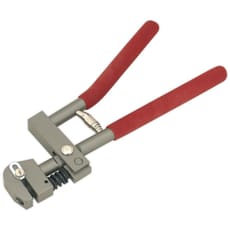
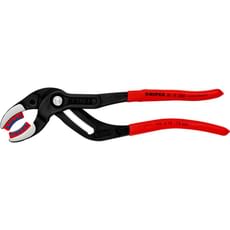
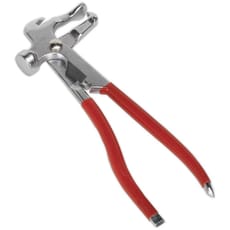
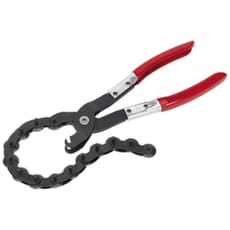
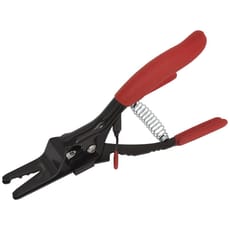
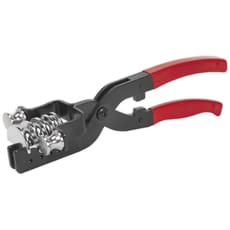
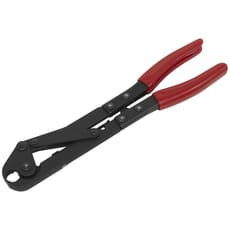
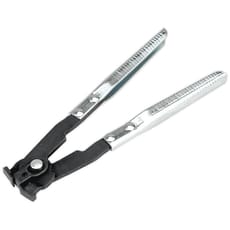
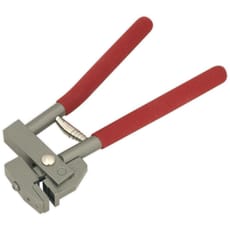
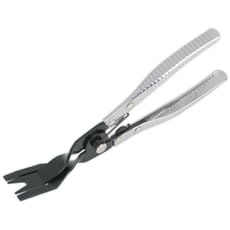
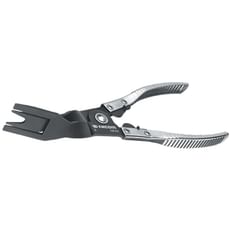
The automotive pliers category at Tooled-Up.com encompasses a diverse range of specialist tools including trim clip removal pliers, ear-type clip pliers for CV joint boots, valve stem seal pliers, exhaust pipe cutters, connector pliers for electrical work, and joggler flanging tools for bodywork fabrication. Many of these tools feature specially shaped jaws with protective tips to prevent component damage, offset or angled heads for improved access, and ergonomic handles that reduce hand fatigue during lengthy repair sessions. Leading manufacturers such as Sealey, Knipex, Facom, and Draper have developed these tools using hardened chrome vanadium steel construction and innovative designs that reflect decades of workshop experience and professional feedback.
Whether you're a professional motor technician working in a busy garage environment, a mobile mechanic attending roadside breakdowns, or a DIY enthusiast tackling weekend restoration projects, having the right automotive pliers transforms frustrating tasks into straightforward procedures. These specialist tools not only save considerable time but also prevent damage to expensive vehicle components that commonly occurs when using makeshift alternatives or general-purpose pliers unsuited to automotive applications. The investment in proper automotive pliers quickly pays for itself through improved efficiency and avoided component replacement costs.
Jargon Buster
- Trim Clip Removal Pliers: Specialist pliers featuring shaped tips designed to extract plastic clips and fasteners used in vehicle interior panels, door cards, and body trim without breaking the clips or damaging surrounding paintwork and surfaces.
- Ear-Type Clip Pliers: Tools specifically designed to squeeze and close single-use metal clamps with protruding "ears" that secure hoses, CV joint boots, and cooling system connections. These pliers compress the ears permanently to create a secure, leak-proof seal.
- CV Joint (Constant Velocity Joint): A component in vehicle drive shafts protected by rubber boots secured with specialised hose clips. Ear-type clip pliers are required to install and remove these security clamps correctly without distorting the metal or damaging the boot.
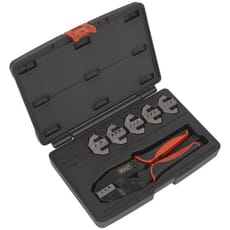
- Deutsch Connectors: Heavy-duty waterproof electrical connectors commonly used in automotive wiring, particularly in commercial vehicles, performance applications, and modern vehicle electrical systems. Specific connector pliers with interchangeable dies are required for proper crimping and assembly.
- Valve Stem Seal Pliers: Long-reach precision pliers designed to compress and install valve stem oil seals during engine rebuilds without damaging the delicate rubber components or scratching valve stems.
- Joggler Flanging Tool: A specialised plier-type tool used in panel fabrication and bodywork repair to create stepped flanges in sheet metal, allowing panels to overlap neatly for welding, bonding, or riveting operations.
Who Uses Automotive Pliers?
- Motor Technicians and Mechanics: Professional garage workers performing routine servicing, diagnostics, and repairs across all vehicle types and manufacturers
- Mobile Mechanics: Self-employed technicians attending breakdowns and carrying out on-site repairs requiring specialist hand tools in portable tool kits
- Vehicle Body Shop Technicians: Professionals working on panel repairs, trim removal, dent repair, and bodywork restoration projects
- MOT Testers: Technicians requiring quick access to vehicle components during inspection and testing procedures without causing damage
- Fleet Maintenance Engineers: Professionals maintaining commercial vehicle fleets, buses, heavy goods vehicles, and company car pools
- Agricultural and Plant Mechanics: Technicians servicing tractors, harvesters, construction equipment, and plant machinery with similar connector and hose systems
- Motorcycle Mechanics: Specialists working on bikes, scooters, and performance motorcycles requiring precise component handling in confined spaces
- Automotive Enthusiasts and DIY Mechanics: Home mechanics undertaking their own vehicle maintenance, performance modifications, and repair projects
- Classic Car Restorers: Specialists working on vintage and classic vehicles where careful component removal and installation is paramount to preserve originality
- Auto Electricians: Technicians specialising in vehicle electrical systems requiring proper connector crimping and wiring tools
How to Choose the Right Automotive Pliers
Identify Your Primary Tasks: Different automotive jobs require specific plier types. Trim removal work demands clip pliers with shaped tips to avoid damaging plastic fasteners, whilst engine work might require valve stem seal pliers or piston ring installation tools. Consider which vehicle systems you work on most frequently—bodywork, engine internals, exhaust systems, or electrical connections—and prioritise tools accordingly. A professional garage handling diverse work may need multiple specialist types, whilst DIY mechanics might focus on common maintenance tasks.
Material Quality and Construction: Look for automotive pliers manufactured from hardened chrome vanadium steel or similar high-grade materials that resist wear, deformation, and corrosion from automotive fluids. Drop-forged construction generally offers superior strength and longevity compared to cast tools. Brands like Knipex, Facom, and Sealey are known throughout the trade for producing durable professional-grade tools that withstand daily workshop use. Check for smooth jaw operation, secure pivot points that won't develop play over time, and precision-ground gripping surfaces.
Handle Design and Ergonomics: Automotive work often involves repetitive actions in awkward positions under bonnets or beneath vehicles, so comfortable handles with cushioned grips significantly reduce hand fatigue and improve control. Look for handles with non-slip coating that maintains grip even when contaminated with engine oil, brake fluid, or other automotive fluids. Consider the handle length—longer handles provide greater leverage for stubborn fasteners and seized clips, whilst compact designs access tighter spaces around engine components.
Jaw Configuration and Access: The jaw shape determines what components you can effectively grip without causing damage. Ultra-wide nose pliers suit bodywork and panel gripping tasks, angled jaws reach around obstructions in engine bays, and narrow pointed jaws access confined areas behind dashboards or in door cavities. Some specialist automotive pliers feature offset or bent noses specifically designed to reach past engine components, chassis members, or suspension parts where straight tools cannot access.
Professional vs DIY Use: Professional motor technicians investing in daily-use tools should prioritise premium brands offering lifetime guarantees and superior durability that withstands constant workshop use. The selection available from Tooled-Up includes both professional-grade options and value ranges. DIY mechanics working on their own vehicles occasionally may find mid-range options from Draper or Sealey provide excellent value whilst still delivering reliable performance. Consider multi-purpose tools or combination sets that cover several common automotive tasks to maximise value.
Compatibility with Fastener Types: Ensure the pliers match the specific fasteners and components you'll encounter. Deutsch connector sets should include multiple die sizes for different connector types, whilst ear-type clip pliers must match the clip sizes commonly used on your vehicle models. Check manufacturer specifications for capacity ranges, maximum material thickness, and compatible applications. Some vehicles use proprietary fastener systems that may benefit from brand-specific tools.
Popular Accessories
- Tool Storage Solutions: Foam tool drawer inserts, shadow boards, or portable tool rolls to organise and protect your specialist automotive pliers collection in workshops or mobile vans
- Replacement Trim Clips: Assorted plastic fastener sets in various sizes and styles for when original clips break during removal, ensuring you can complete reassembly without delays
- Hose Clamps and Clips: Various sizes of ear-type clips, worm-drive clamps, and CV boot clamps to use with your installation pliers during repairs and servicing
- Electrical Connectors: Deutsch connector kits, spade terminals, bullet connectors, and automotive-grade crimp connectors for use with connector pliers
- Penetrating Lubricants: Quality release sprays and penetrating oils to help free seized fasteners and clips before using removal pliers
- Work Lights and Inspection Lamps: Rechargeable LED torches, magnetic work lights, and inspection lamps to illuminate confined automotive work areas
- Mechanics Gloves: Protective hand wear that maintains dexterity whilst protecting against sharp edges, hot components, and automotive fluids
- Panel Protection Materials: Masking tape, protective film, and trim guards to prevent scratching paintwork during trim removal operations
- Tool Cleaning Products: Degreasers, maintenance sprays, and lubricants to keep pliers functioning smoothly and prevent corrosion from automotive fluids
- Piston Ring Compressors: Complementary tools that work alongside piston ring installation pliers during engine rebuilds
Safety Information
Personal Protection: Always wear appropriate safety glasses when using automotive pliers, particularly during clip removal, cutting operations, or working under vehicles where components may spring free unexpectedly. Mechanics gloves protect against sharp edges, hot exhaust components, and pinch points, though ensure they don't compromise grip or dexterity when handling small components. Remove watches and jewellery that could become trapped or cause short circuits when working on electrical systems.
Vehicle Safety Precautions: Ensure vehicles are properly supported on axle stands or ramps before working underneath—never rely solely on hydraulic jacks which can fail. Disconnect the battery negative terminal before working on electrical systems with connector pliers to prevent short circuits, airbag deployment, or electronic control unit damage. Allow exhaust systems to cool completely before using exhaust pipe cutters or clip pliers near hot components. Follow HSE guidance for working with vehicles in workshop environments.
Tool Condition and Use: Inspect pliers before each use for worn jaws, loose pivots, cracked handles, or damaged gripping surfaces that could cause slippage or component damage. Use tools only for their intended automotive purpose—makeshift applications can damage both tool and vehicle. When working with pressurised systems like fuel lines, cooling hoses, or air conditioning pipes, relieve pressure before attempting clip or fastener removal with pliers. Never use pliers as hammers or pry bars, which damages jaws and pivot mechanisms.
Work Environment: Maintain adequate ventilation when working with vehicles, particularly in confined spaces or when cutting exhaust components that may release harmful particles. Ensure proper lighting to see clearly when using precision tools in dark engine bays or under vehicle chassis. Store automotive pliers securely in tool drawers or hanging storage to prevent them becoming trip hazards in busy workshop environments. Keep work areas clean and organised to prevent slipping on oil spills or dropped components.
Frequently Asked Questions
Can I use regular pliers instead of specialist automotive pliers?
Whilst standard pliers might seem adequate for simple tasks, they often damage delicate plastic trim clips, scratch painted surfaces, or fail to access confined automotive spaces effectively. Specialist automotive pliers feature precisely shaped jaws with protective tips and slim profiles designed specifically for vehicle components, saving considerable time and preventing costly damage to parts that can be expensive to replace. The investment quickly pays for itself through avoided damage and improved efficiency.
What's the difference between ear-type and worm-drive hose clip pliers?
Ear-type clip pliers are designed to squeeze and permanently close single-use ear clamps commonly found on CV boots, cooling system hoses, and fuel lines. They compress the protruding "ears" to secure the clamp with a permanent, leak-proof seal. Worm-drive clips use a screw mechanism tightened with a screwdriver and don't require specialist pliers. Ear-type clips provide more secure, tamper-evident clamping in critical applications but require the correct pliers for proper installation without distorting the metal.
Do I need different trim clip removal pliers for different vehicle makes?
Most quality trim clip removal pliers feature universal designs that work across multiple vehicle manufacturers including European, Japanese, and American models. However, some premium European vehicles use proprietary fastener systems that may benefit from brand-specific tools. For general garage work covering various makes, a good quality universal trim clip plier from brands like Facom or Sealey handles the vast majority of applications effectively without needing manufacturer-specific variants.
How do I maintain automotive pliers to ensure longevity?
Clean pliers after each use to remove engine oil, grease, brake fluid, and road grime using appropriate degreaser or cleaning spray. Apply a light machine oil or tool lubricant to pivot points periodically to maintain smooth operation and prevent corrosion. Store in a dry environment—preferably in tool drawer foam, hanging storage, or tool rolls—to prevent rust. Avoid using pliers as hammers, pry bars, or for applications beyond their design limits, which damages jaws and pivot mechanisms. Quality brands like Knipex and Facom often offer refurbishment services for professional tools.
Are automotive pliers suitable for other applications beyond vehicle work?
Many automotive pliers prove useful in other trades requiring precision work in confined spaces. Trim clip pliers work well for furniture assembly, appliance repair, and caravan maintenance, whilst connector pliers suit marine electrical work and agricultural equipment repair. Joggler flanging tools transfer to general sheet metal fabrication and HVAC ductwork. However, purchasing tools specifically designed for your primary trade usually provides better value than adapting automotive tools, as they're optimised for the specific materials, fastener types, and working conditions found in motor repair environments.