

Automotive Thermometers

Pay in 3 interest-free payments on purchases from £20-£3000 with  . Learn more.
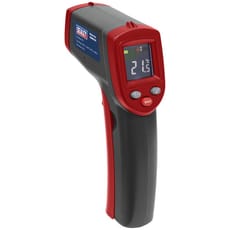
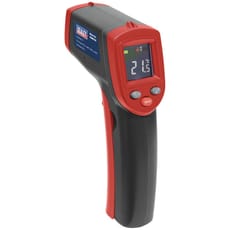
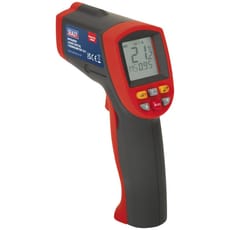
 Loading...
End of content
Error - No more pages to load
About Automotive Thermometers
Automotive thermometers are precision diagnostic instruments designed to measure temperature across vehicle components and systems quickly, safely, and accurately. These specialist tools are predominantly infrared laser digital thermometers that enable non-contact temperature measurement—essential when working with hot engines, exhaust systems, brakes, and electrical components. Whether diagnosing overheating issues, checking brake performance, monitoring air conditioning efficiency, or identifying electrical hotspots, automotive thermometers deliver instant, reliable readings without the risks associated with contact measurement methods.
Modern infrared automotive thermometers utilise advanced sensor technology to detect thermal energy emitted from surfaces, converting this data into precise temperature readings displayed on clear digital screens. The integrated laser targeting feature allows mechanics and technicians to pinpoint exact measurement locations—particularly valuable in crowded engine bays where precision matters. Typical temperature ranges span from -50°C to +550°C or higher, covering everything from frozen components and air conditioning diagnostics through to extreme exhaust manifold and turbocharger temperatures. This versatility makes them indispensable across professional workshops, mobile mechanics' toolkits, and well-equipped home garages.
The automotive thermometer selection at Tooled-Up.com features quality instruments from trusted manufacturers like Sealey, engineered specifically for the demanding environment of vehicle maintenance and repair. From straightforward infrared thermometers for general temperature checks to sophisticated thermal detectors capable of scanning larger areas to identify problem zones across entire vehicle systems, these tools deliver the accuracy and reliability that professional tradespeople demand whilst remaining accessible for serious DIY mechanics tackling their own diagnostics and preventative maintenance.
Jargon Buster
- Infrared Thermometer: A non-contact temperature measuring device that detects infrared energy (heat radiation) emitted from a surface and converts it into an accurate temperature reading. Essential for safely measuring hot components like exhaust manifolds, brake discs, and running engines without risk of burns or instrument damage.
- Emissivity: The measure of a material's ability to emit infrared energy, expressed as a value between 0 and 1. Different automotive surfaces—polished metal, painted bodywork, rubber hoses, plastic components—have varying emissivity values. Adjustable emissivity settings on quality thermometers ensure accurate readings across diverse materials commonly found in vehicle systems.
- Distance-to-Spot Ratio (D:S): Indicates the diameter of the measurement area relative to the distance from the target surface. For example, a 12:1 ratio means that at 12 inches distance, you're measuring a circular spot 1 inch in diameter. Higher ratios (such as 20:1) allow more precise measurements of smaller components from greater distances—particularly useful in confined engine bays.
- Laser Targeting: A visible laser pointer (typically red) that indicates the approximate centre of the measurement area, helping you aim the thermometer accurately at specific components you wish to measure. Note that the laser is for targeting only—the actual measurement area is typically larger than the laser dot, determined by the distance-to-spot ratio.
- Thermal Detector: An advanced infrared thermometer designed to scan larger areas and identify temperature variations across vehicle systems. Particularly valuable for detecting heat build-up in electrical circuits, uneven brake temperatures, coolant flow issues, or blocked catalytic converters where comparative temperature readings reveal underlying problems.
- Response Time: The speed at which the thermometer detects and displays a temperature reading, typically measured in milliseconds. Fast response times (500ms or less) are crucial when scanning multiple components quickly or tracking rapidly changing temperatures during test drives or dynamic diagnostics.
Who Uses Automotive Thermometers?
- Professional Mechanics and Technicians: For comprehensive vehicle diagnostics, fault-finding, and preventative maintenance across all vehicle systems in independent garages and franchise workshops
- MOT Testers: Checking brake temperatures for balance and efficiency, exhaust system performance, and identifying potential safety concerns during statutory vehicle inspections
- Mobile Mechanics: Portable diagnostic equipment essential for on-site vehicle repairs, breakdown assistance, and troubleshooting at customers' homes or roadside locations
- Racing Teams and Motorsport Engineers: Monitoring tyre temperatures across the tread for optimal pressure and camber settings, brake performance under racing conditions, and engine cooling system efficiency for competitive advantage
- Fleet Maintenance Technicians: Regular temperature checks across multiple commercial vehicles to prevent costly breakdowns, maintain operational efficiency, and extend component lifespan through predictive maintenance programmes
- Air Conditioning and Climate Control Specialists: Measuring temperature differentials in HVAC systems to diagnose refrigerant charge levels, compressor performance, evaporator efficiency, and airflow distribution issues
- Auto Electricians: Identifying overheating electrical components, alternator issues, starter motor problems, and detecting high-resistance connections before they cause failures
- DIY Enthusiasts and Home Mechanics: Troubleshooting overheating problems, checking cooling system efficiency, diagnosing thermostat operation, and performing routine maintenance checks on their own vehicles
- Vehicle Restoration Specialists: Ensuring proper engine running temperatures in rebuilt powertrains, identifying issues in modified cooling systems, and verifying correct operation of classic vehicle components
How to Choose the Right Automotive Thermometers
Temperature Range: Consider the maximum and minimum temperatures you'll encounter in your typical work. Basic models covering -50°C to +380°C suit most general automotive diagnostics—coolant systems, brakes, tyres, and engine components. However, professional workshops dealing with exhaust systems, turbochargers, and diesel particulate filters benefit from extended ranges up to +550°C or higher. Ensure your chosen instrument covers the full spectrum of your anticipated applications to avoid measurement limitations.
Accuracy and Resolution: Professional automotive diagnostics demand precision. Look for thermometers offering accuracy within ±1.5°C or better, with resolution of 0.1°C for detailed comparative measurements. Higher accuracy proves particularly important when diagnosing subtle temperature differentials in cooling systems (indicating blocked radiators or failed thermostats), comparing cylinder head temperatures, or detecting early warning signs of bearing failure or brake binding.
Distance-to-Spot Ratio: A higher D:S ratio allows accurate measurement of smaller components from safer distances. For general automotive use, a 12:1 ratio typically suffices for measuring radiator hoses, brake discs, and accessible components. However, engine bay work in modern vehicles with densely packed components benefits from ratios of 20:1 or higher, enabling precise targeting of specific sensors, injectors, or hoses in confined spaces without measuring surrounding components simultaneously.
Response Time: Fast response times (500 milliseconds or less) prove crucial when scanning multiple components rapidly or measuring changing temperatures. This capability becomes particularly valuable when checking individual cylinder temperatures across an engine, comparing brake temperatures across all four wheels immediately after a test drive, or monitoring temperature changes during cooling system diagnostics where thermal patterns reveal blockages or airflow issues.
Additional Features: Consider models with adjustable emissivity settings for accurate readings across different surface materials commonly encountered in automotive work—cast iron, aluminium, painted surfaces, rubber, and plastics all emit infrared energy differently. Backlit displays improve usability in dimly lit engine bays and underneath vehicles. Maximum/minimum/average temperature recording functions help track temperature trends during extended tests. Data hold functions allow you to record measurements whilst focusing on the work area. Some advanced thermal detectors offer colour-coded displays or audible alarms when temperatures exceed preset thresholds—valuable for identifying overheating conditions quickly.
Build Quality and Durability: Workshop environments demand robust tools. Choose thermometers with protective rubber housings to withstand inevitable knocks and drops, ergonomic grip designs for comfortable extended use, and consideration for IP-rated protection against dust and moisture—particularly important for mobile mechanics working in varied conditions. Instruments from established brands like Sealey, available through Tooled-Up, offer reliability backed by proper warranty support and UK-based service, ensuring your investment remains productive for years of diagnostic work.
Popular Accessories
- Protective Carrying Cases: Hard cases and padded pouches to protect your infrared thermometer from workshop knocks, drops, and environmental contamination during storage and transport
- Replacement Batteries: Spare AAA or 9V batteries to ensure uninterrupted diagnostics—particularly important for mobile mechanics who can't easily access replacements during callouts
- Contact Temperature Probes: Thermocouple or RTD probes for measuring internal temperatures in fluids or when infrared measurement isn't suitable due to surface reflectivity or access constraints
- Emissivity Reference Charts: Quick-reference guides detailing correct emissivity values for different automotive materials—metals, paints, rubbers, and plastics—ensuring accurate readings across diverse surfaces
- Reflective Tape or Markers: Matt black heat-resistant tape for applying to highly reflective surfaces to improve infrared measurement accuracy when adjusting emissivity isn't sufficient
- Diagnostic Code Readers and Scan Tools: Complementary diagnostic equipment that works alongside temperature measurements for comprehensive vehicle fault-finding and system analysis
- Thermal Imaging Cameras: Advanced diagnostic tools for visualising temperature distribution across entire systems—ideal for identifying hotspots in electrical systems or coolant flow patterns in complex cooling circuits
- Calibration Services: Professional calibration verification and certification services to maintain measurement accuracy for critical applications or quality standard compliance
Safety Information
Whilst automotive thermometers are inherently safe diagnostic instruments, proper usage ensures accurate results and personal safety. Never look directly into the laser beam—even though it's low-powered, direct eye exposure can cause damage. The laser serves as a targeting aid only, not a toy. Always ensure children and untrained persons cannot access laser-equipped instruments in the workshop environment.
When measuring extremely hot surfaces such as exhaust manifolds, turbochargers, or brake components immediately after heavy use, maintain a safe distance and remain aware that components may reach temperatures significantly higher than visual appearance suggests. Remember that infrared thermometers measure surface temperature only—internal component temperatures may be considerably different, and materials conduct heat at varying rates. Never rely solely on surface temperature readings to diagnose potentially serious safety issues.
Be particularly cautious when working around running engines. Keep hands, tools, clothing, and thermometer cables clear of moving parts including belts, fans, and pulleys. Reflective surfaces like polished metal can produce inaccurate readings by reflecting infrared energy from other sources—adjust emissivity settings or temporarily apply matt tape to the measurement spot for reliable results. Always follow the manufacturer's specified measurement distance and angle for optimal accuracy.
In professional workshop settings, ensure adequate ventilation when running engines indoors, and follow HSE guidelines for working with vehicles including proper use of vehicle supports, wheel chocks, and safe jacking procedures. When diagnosing cooling systems, allow sufficient time for pressure to dissipate before removing caps or hoses—steam burns from pressurised coolant systems can cause serious injury. Always follow proper diagnostic procedures outlined in technical service information rather than relying on temperature readings alone.
Frequently Asked Questions
Can I use an automotive thermometer to check my engine coolant temperature accurately?
Yes, but with important caveats. An infrared thermometer measures surface temperature of external components like radiator hoses or the engine block, not the internal coolant temperature directly. For indicative readings, measure the upper radiator hose when the engine reaches normal operating temperature—results will typically read slightly lower than actual internal coolant temperature due to heat loss through the hose material. For precise internal coolant temperature, use a contact probe thermometer inserted into the coolant system or rely on the vehicle's dashboard temperature gauge which measures coolant directly via the engine management system sensor.
Why do I get different readings when measuring from different angles or distances?
This variation typically results from the distance-to-spot ratio affecting the measured area size. At greater distances, you're measuring a larger surface area that may include multiple components at different temperatures, producing an averaged reading. Measurement angle affects results on reflective surfaces where infrared energy from surrounding hot components may reflect into the sensor, causing artificially high readings. For consistent, reliable results, always measure from the same distance and angle, ideally perpendicular to the surface, and ensure you're within the manufacturer's specified optimal measurement distance for your instrument's distance-to-spot ratio.
How do automotive infrared thermometers compare to traditional contact thermometers for accuracy?
Quality infrared thermometers offer excellent accuracy (typically ±1-2% or ±1.5°C) when used correctly with appropriate emissivity settings for the material being measured. However, they measure surface temperature exclusively, whilst contact thermometers measure the temperature of whatever they physically touch—which may be different due to heat transfer, insulation, or internal conditions. For automotive diagnostics, infrared thermometers excel at rapid comparative measurements and safely scanning multiple points, making them ideal for identifying temperature differentials and hotspots across vehicle systems without the time required for contact measurements to stabilise or risks associated with touching hot components.
What's the practical difference between a basic infrared thermometer and a thermal detector?
Basic infrared thermometers provide a single-point temperature reading at the location where you aim the laser targeting point. Thermal detectors are more sophisticated instruments designed to scan larger areas with enhanced sensitivity for detecting subtle temperature differences across components and systems. They often feature additional diagnostic capabilities such as colour-coded displays indicating temperature ranges, enhanced measurement resolution, or faster response times for dynamic scanning. Both types use fundamentally similar infrared sensing technology, but thermal detectors are optimised for identifying problem areas across entire systems rather than spot measurements—particularly valuable for electrical fault-finding or coolant flow diagnostics.
Do I need to calibrate my automotive thermometer regularly?
For general workshop use, annual calibration verification typically suffices to ensure continued accuracy. Professional calibration services can verify measurement precision and provide certification if required for insurance purposes, quality management systems (ISO standards), or warranty documentation. You can perform basic accuracy checks yourself using ice water (0°C) or boiling water (100°C at sea level) as reference points, comparing infrared readings against a calibrated contact thermometer. If your instrument consistently reads outside its stated accuracy tolerance (usually ±1.5°C to ±2°C), it may require professional calibration or replacement. Instruments subjected to drops, impacts, or extreme environmental conditions warrant more frequent verification.