

Backing Pads for Grinders

Pay in 3 interest-free payments on purchases from £20-£3000 with  . Learn more.
 Loading...
End of content
Error - No more pages to load
About Backing Pads for Grinders
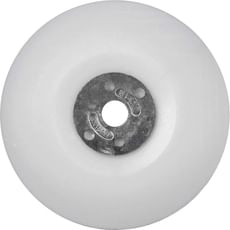
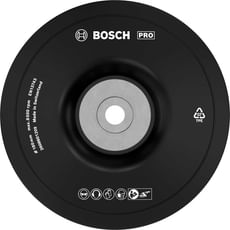
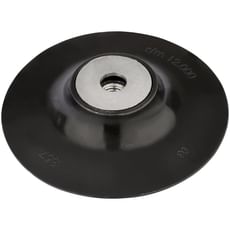
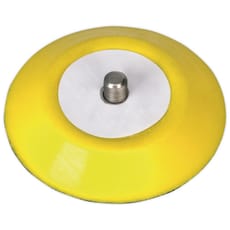
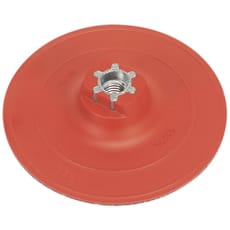
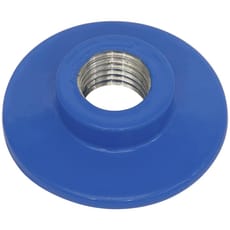
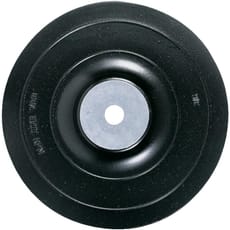
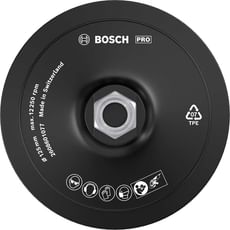
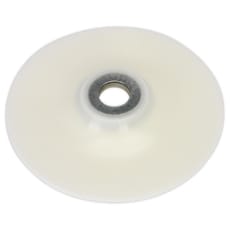
Backing pads for grinders are precision-engineered accessories that create the crucial interface between your angle grinder and abrasive discs, sanding sheets, or polishing pads. These essential components provide a stable, flat mounting surface that ensures even pressure distribution across the work surface, preventing premature disc wear and delivering professional-quality results. Whether you're smoothing welds on fabrication projects, preparing surfaces for painting, or polishing automotive bodywork, selecting the correct backing pad significantly impacts both finish quality and productivity. The range available at Tooled-Up.com includes options from leading manufacturers such as Bosch Professional, Flexipad, Makita, and Sealey.
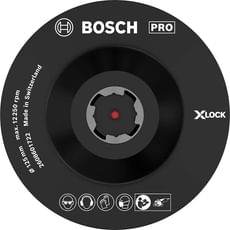
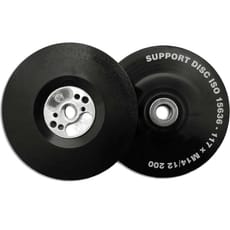
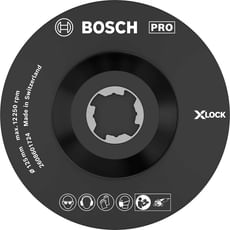
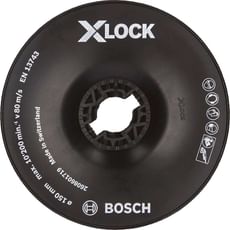
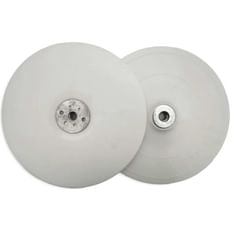
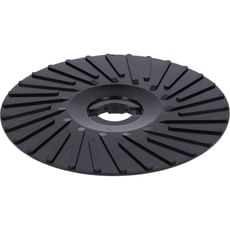
Available in various configurations including M14 threaded connections, hook and loop (Velcro-style) attachments, and the innovative Bosch X-LOCK system, backing pads come in different hardness grades to suit specific applications. Soft pads conform to curved or contoured surfaces such as pipework and automotive panels, medium pads offer versatility for general-purpose work, and hard pads provide rigid support for aggressive material removal on flat surfaces. Standard diameters ranging from 115mm to 180mm match common angle grinder specifications, ensuring compatibility with both compact 4.5-inch models and larger 7-inch machines.
Quality backing pads feature balanced construction to minimise vibration at high speeds, heat-resistant materials to withstand continuous use, and durable backing plates that resist warping under demanding conditions. Whether you're a professional fabricator, automotive refinisher, or DIY enthusiast tackling restoration projects, investing in the correct backing pad protects your grinder's spindle, extends the life of your abrasive consumables, and ensures consistent results across all your grinding, sanding, and polishing tasks.
Jargon Buster
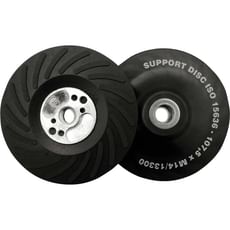
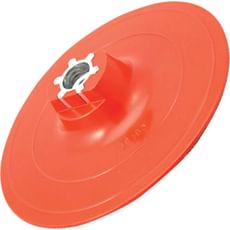
- M14 Thread: The standard threaded spindle connection found on most angle grinders in the UK and Europe. The M14 x 2.0 thread pitch securely attaches backing pads directly to the grinder spindle, locked in place with a spindle nut and spanner.
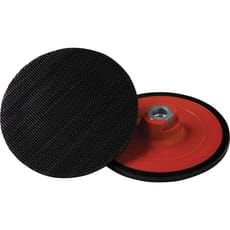
- Hook and Loop: A Velcro-style attachment system that allows quick changes of sanding discs without tools. The hooks on the backing pad grip the loops on specially designed abrasive discs, enabling rapid disc swaps for improved productivity on site.
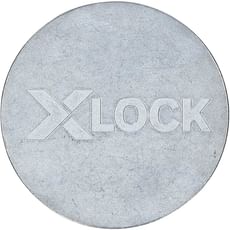
- X-LOCK System: Bosch's innovative tool-free mounting system that allows backing pads and accessories to be changed in seconds with a simple twist-lock mechanism, eliminating the need for spanners or locking pins and reducing downtime between tasks.
- Pad Hardness: Backing pads are graded as soft, medium, or hard based on their flexibility. Soft pads compress to follow contours, medium pads suit general applications, and hard pads provide rigid support for flat surface work.
- Maximum RPM: The highest safe rotational speed for a backing pad, typically ranging from 8,500 to 12,000 RPM. Always ensure your backing pad's maximum RPM rating exceeds your grinder's no-load speed for safe operation.
- Dust Extraction Holes: Perforations in backing pads that allow dust to be drawn through the abrasive disc into an extraction system, essential for COSHH-compliant operation when sanding materials that produce hazardous dust.
Who Uses Backing Pads for Grinders?
- Metal Fabricators and Welders: For smoothing welds, removing scale, blending joints, and finishing stainless steel and mild steel components to professional standards
- Automotive Body Repairers: Essential for paint preparation, filler sanding, flatting primers, and achieving show-quality finishes on vehicle bodywork and restoration projects
- Joiners and Carpenters: Used with appropriate discs for sanding wood surfaces, removing old finishes, preparing timber for staining, and achieving smooth surfaces on joinery
- Maintenance Engineers: For surface preparation, rust removal, cleaning welds, and general maintenance tasks across industrial facilities and manufacturing plants
- Stone Masons and Tilers: Preparing concrete surfaces, smoothing stone edges, polishing natural stone installations, and finishing tile edges on high-end projects
- General Builders: All-round tradespeople requiring versatile surface preparation capabilities on site for metalwork, woodwork, and general fabrication tasks
- Marine Engineers: Maintaining boats and marine equipment, particularly for gelcoat repair, stainless steel polishing, and antifouling preparation
- DIY Enthusiasts: Home improvers tackling restoration projects, metalwork, furniture refinishing, and vehicle maintenance requiring professional-quality results
How to Choose the Right Backing Pads for Grinders
Spindle Connection Type: First, identify your grinder's attachment system. Most UK angle grinders use an M14 threaded spindle, but Bosch X-LOCK grinders require specific X-LOCK backing pads. Check your grinder's manual or existing accessories to confirm compatibility before purchasing. The Bosch X-LOCK system offers significantly faster accessory changes but requires a compatible grinder body.
Pad Diameter: Match the backing pad diameter to your grinder size. Common sizes include 115mm for compact 4.5-inch grinders, 125mm for 5-inch models, and 180mm for larger 7-inch machines. Never use an oversized pad that exceeds your grinder's rated disc capacity, as this creates serious safety risks and may cause the motor to overload.
Hardness Grade: Select pad hardness based on your typical applications. Soft pads excel at following curved surfaces like pipework and automotive panels, allowing the abrasive to maintain even contact. Medium-density pads offer versatility for mixed work. Hard pads from brands like Flexipad provide maximum stability for aggressive flat surface grinding and material removal where rigidity is essential.
Attachment Method: Hook and loop backing pads offer the quickest disc changes and work brilliantly with pre-punched sanding discs in various grits. Standard adhesive-backed pads suit applications where disc changes are less frequent. Consider your workflow and whether time saved during disc changes justifies the slightly higher cost of hook and loop systems, particularly on production work.
Brand Quality: Professional-grade backing pads from manufacturers like Bosch Professional, Makita, and Flexipad feature balanced construction that reduces vibration and extends bearing life in your grinder. Budget pads may seem economical initially but often wear quickly, run out of true, and can damage your grinder's spindle through excessive vibration. Tooled-Up stocks quality brands that deliver reliable performance and longevity.
Maximum Speed Rating: Always verify the backing pad's maximum RPM rating exceeds your grinder's no-load speed. UK-market angle grinders typically operate between 8,000 and 12,000 RPM. Using an under-rated pad risks catastrophic failure at operating speed, creating serious injury hazards and potentially damaging your power tool.
Popular Accessories
- Hook and Loop Sanding Discs: Available in grits from 40 to 320 for various surface preparation and finishing tasks, with pre-punched holes for dust extraction
- Polishing Bonnets: Wool and synthetic polishing attachments for metal finishing, stainless steel brightening, and automotive detailing work
- Foam Polishing Pads: Graduated density foam pads for multi-stage paint correction, polishing, and achieving mirror finishes on automotive paintwork
- Flap Discs: Overlapping abrasive flaps for aggressive stock removal, weld blending, and surface preparation operations on ferrous and non-ferrous metals
- Wire Cup Brushes: For rust removal, paint stripping, surface cleaning, and preparing steel for welding or coating applications
- Grinding Discs: Depressed centre discs for metal grinding, cutting operations, and heavy stock removal on fabrication projects
- Dust Extraction Shrouds: Essential for COSHH-compliant dust control when sanding, particularly with materials producing hazardous dust like MDF or silica-containing products
- Spindle Adapters: Convert between different thread types when using multiple grinder brands or working with imported accessories
Safety Information
Maximum Speed Compliance: Never exceed the maximum RPM rating marked on your backing pad. Operating above rated speed can cause pad disintegration and serious injury. Always check your grinder's no-load speed on the identification plate and ensure your backing pad is rated higher. This is particularly important when using older grinders with higher speeds.
Secure Mounting: Ensure backing pads are tightened securely to the grinder spindle according to manufacturer instructions. Loose pads can detach during operation, creating projectile hazards. Use the correct spanner or locking tool for your grinder type, and on X-LOCK systems, confirm the pad is properly engaged before operation.
Regular Inspection: Before each use, examine backing pads for cracks, excessive wear, warping, or damage to the mounting thread. Replace damaged pads immediately – a compromised backing pad can fail catastrophically at operating speeds. Check the hook and loop surface for contamination or wear that might allow discs to detach.
PPE Requirements: Always wear appropriate personal protective equipment when using angle grinders with backing pads, including safety glasses or face shield, hearing protection, dust mask or respirator (particularly when dry sanding), and protective gloves. The HSE recommends dust extraction for extended sanding operations to comply with workplace exposure limits and Control of Substances Hazardous to Health regulations.
Dust Control: When sanding materials that produce hazardous dust (particularly timber, MDF, or materials containing silica), use backing pads with dust extraction holes connected to a suitable 240v vacuum system. This is essential for COSHH compliance and protecting respiratory health on site. Consider investing in a dust shroud attachment for improved extraction efficiency.
Disc Compatibility: Only use abrasive discs that match your backing pad diameter and attachment type. Oversized discs or incompatible mounting systems create serious safety hazards, may cause the grinder to bind, and will void your grinder's warranty. Always check compatibility before fitting new accessories.
Frequently Asked Questions
What's the difference between M14 and X-LOCK backing pads?
M14 backing pads use a traditional threaded connection requiring a spanner to tighten the spindle nut, whilst Bosch X-LOCK pads feature a twist-and-lock mechanism allowing tool-free changes in seconds. X-LOCK pads only fit Bosch grinders with the X-LOCK system, whereas M14 is the universal standard fitting most UK and European angle grinders from brands like Makita, DeWalt, and Milwaukee. The X-LOCK system significantly reduces changeover time on production work.
Can I use hook and loop sanding discs on a standard backing pad?
No, hook and loop sanding discs require a backing pad with the corresponding loop (Velcro-style) surface to grip properly. Standard backing pads with smooth surfaces only work with adhesive-backed (PSA) discs. You'll need to fit a hook and loop backing pad to your grinder before using these quick-change sanding discs. The investment is worthwhile for applications requiring frequent grit changes.
Why does my backing pad vibrate excessively?
Excessive vibration typically indicates an unbalanced or worn backing pad, a loose mounting to the grinder spindle, or debris build-up on the pad face or thread. First, ensure the pad is tightened securely using the correct spanner. Clean the pad surface and mounting thread, checking for wear, cracks, or warping. If problems persist after remounting, replace the backing pad as continued use will damage your grinder's bearings and create an unsafe working condition.
How do I know which hardness backing pad to choose?
Select soft backing pads for curved or contoured surfaces where the pad needs to flex and conform to the workpiece shape – ideal for automotive bodywork, pipework, and rounded profiles. Choose medium-density pads for general-purpose work offering versatility across applications. Hard backing pads suit flat surface work where maximum rigidity prevents the pad compressing under pressure, delivering aggressive material removal and preventing uneven wear patterns on the abrasive disc.
Do backing pads wear out and need replacing?
Yes, backing pads are consumable items that wear over time. The hook and loop surface becomes contaminated with dust and loses grip, the pad can warp from heat, and the centre mounting becomes worn. Replace backing pads when you notice excessive vibration, difficulty keeping discs attached, visible warping, or damage to the mounting thread. Professional tradespeople typically replace backing pads every few months depending on usage intensity, whilst DIY users may get years of service from a quality pad.