

Backpack & Rucksacks
Pay in 3 interest-free payments on purchases from £30-2000 with  . Learn more.
 Loading...
End of content
Error - No more pages to load
About Backpack & Rucksacks
Professional backpacks and rucksacks are essential gear for tradespeople, site workers, and serious DIY enthusiasts who need to transport tools, equipment, and personal items safely and comfortably. Unlike standard leisure rucksacks, professional-grade backpacks are built to withstand the rigours of construction sites, workshops, and outdoor work environments, featuring reinforced stitching, durable materials, and practical design elements tailored to the demands of manual work. From high-visibility models that meet EN ISO 20471 standards to specialist cooling solutions, these purpose-built bags help professionals stay organised, compliant, and efficient throughout the working day.
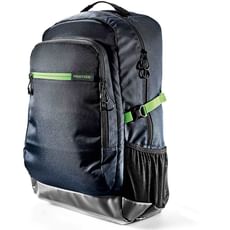
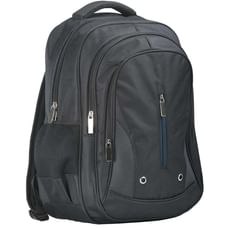
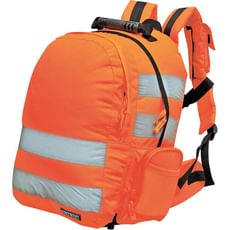
The selection at Tooled-Up.com includes high-visibility rucksacks from Portwest, designed to keep you safe and visible on busy work sites whilst providing ample storage for hand tools, safety equipment, and personal belongings. Options range from the Portwest Triple Pocket General Purpose Backpack for everyday tool transport to the Portwest Quick Release Hi Vis Rucksack with safety mechanisms for hazardous environments. Specialist solutions such as the Festool Fan Backpack cater to professionals who need portable cooling during demanding tasks, featuring moisture-resistant bases, padded laptop compartments, and height-adjustable chest and waist straps for optimal comfort.
Modern professional backpacks incorporate ergonomic features including padded shoulder straps, breathable back panels, and adjustable chest and waist straps to distribute weight evenly during transport. Many models feature quick-release mechanisms, water-resistant materials typically rated at 600D polyester or higher, and reflective strips that enhance both functionality and safety compliance on UK construction sites and roadside work environments. With capacities ranging from compact 15-litre models to spacious 35-litre designs, there's a professional rucksack suited to every trade and working condition.
Jargon Buster
- Hi-Vis (High Visibility): Backpacks featuring fluorescent colours (typically orange or yellow) and reflective strips that comply with EN ISO 20471 standards, ensuring the wearer remains visible in low-light conditions or on busy work sites where PPE requirements apply.
- Quick Release System: A safety mechanism that allows the backpack to be rapidly removed in emergency situations, particularly important for workers in hazardous environments where entanglement risks exist, such as near machinery or in confined spaces.
- Load Distribution: The design features including padded straps, hip belts, and back panels that spread the weight of carried items across shoulders, back, and hips to reduce strain and fatigue during extended wear, crucial for HSE-compliant manual handling.
- Denier Rating: The measurement of fabric thread thickness expressed as 'D' (e.g., 840D polyester), with higher denier numbers indicating more robust, tear-resistant materials suitable for industrial use and daily site wear.
- Water-Resistant Rating: A measure of how well the backpack material repels moisture, crucial for protecting tools and equipment in typical British weather conditions on outdoor sites. Often achieved through PUR laminated materials that resist light rain and splashes.
- Compartmentalisation: The internal and external pocket organisation system that allows separation of tools, fixings, personal items, and safety equipment for quick access and improved load management throughout the working day.
Who Uses Backpack & Rucksacks?
Professional backpacks and rucksacks serve a diverse range of trades and users, including:
- Construction Workers: Site labourers, general builders, and contractors who need hands-free transport of hand tools, safety gear, and lunch between job locations across large construction sites.
- Electricians (Sparkies): Professionals carrying testing equipment, cable accessories, smaller power tools, and documentation to domestic and commercial installations throughout the day.
- Plumbers and Heating Engineers: Tradespeople transporting hand tools, pipe cutters, consumables, and diagnostic equipment across multiple job sites, particularly for service and maintenance work.
- Carpenters and Joiners (Chippies): Woodworkers needing to carry measuring tools, hand saws, chisels, and fixings between workshop and installation sites whilst keeping hands free for safety.
- Maintenance Technicians: Facilities management professionals requiring organised transport of diagnostic equipment, repair tools, and spare parts across commercial premises or industrial estates.
- Landscapers and Groundworkers: Outdoor workers carrying protective equipment, marking tools, and accessories across large sites where vehicle access may be restricted.
- Highway Workers: Road maintenance crews who require hi-vis compliant bags meeting EN ISO 20471 standards for safe roadside operations and traffic management duties.
- Site Managers and Supervisors: Professionals needing padded laptop compartments, documentation folders, and organised storage for tablets, cameras, and site inspection equipment.
- DIY Enthusiasts: Home improvers who want professional-grade storage for their growing tool collections during renovation projects and weekend building work.
How to Choose the Right Backpack & Rucksacks
Capacity and Size: Assess your typical load requirements carefully. Compact rucksacks (15-20 litres) suit light tool loads and daily essentials, whilst larger models (25-35 litres) accommodate bulkier equipment, clothing layers, and packed lunches for full-day site work. The Festool Fan Backpack offers approximately 25 litres, ideal for professionals carrying mixed equipment. Consider whether you need space for specific items like laptop compartments for site managers or dedicated pockets for documentation folders and safety certificates.
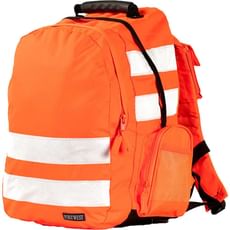
Safety Compliance: If you work on construction sites, highways, or environments with mandatory PPE requirements, ensure your backpack meets EN ISO 20471 high-visibility standards. The Portwest PW3 Hi Vis Rucksack and similar models provide compliance whilst maintaining professional functionality. Check whether your employer or site regulations specify particular visibility classes (Class 1, 2, or 3) that dictate the amount of fluorescent and reflective material required. Remember that a hi-vis backpack typically supplements rather than replaces your hi-vis vest or jacket.
Comfort and Ergonomics: Look for padded, adjustable shoulder straps and breathable back panels, especially if you'll be wearing the backpack for extended periods or carrying heavy loads. Height-adjustable chest straps and waist belts significantly improve weight distribution and reduce shoulder strain during long walks across large sites or between parking areas and work locations. Ergonomic features become increasingly important when carrying loads over 5kg, helping you comply with HSE manual handling guidelines.
Durability and Weather Resistance: Professional-grade backpacks should feature robust materials, with the Festool backpack using 840D two-tone polyester laminated with PUR for superior durability. Reinforced bases protect against abrasion when placing bags on concrete or gravel, whilst heavy-duty zips withstand daily site wear. Water-resistant coatings protect your tools and electronics during British weather conditions, though moisture-resistant bases offer particular protection when working in wet environments or storing bags outdoors temporarily.
Organisation Features: Multiple compartments, external tool loops, and internal dividers help separate clean clothes from dirty items, keep fixings contained, and provide quick access to frequently used tools. The Portwest Triple Pocket General Purpose Backpack exemplifies practical organisation for mixed trades. Some models include dedicated padded pockets for mobile phones, tablets, and documentation that require protection from workshop debris and accidental impact. Light-coloured interiors help you quickly locate contents in poorly lit conditions.
Safety Mechanisms: Consider whether you work in environments where quick-release systems are necessary. The Portwest Quick Release Hi Vis Rucksack provides rapid removal capability, essential in situations where entanglement hazards exist near machinery, scaffolding, or in confined spaces.
Brand Reputation: Established workwear brands like Portwest have proven track records in professional environments, offering reliability and often better warranty support. Specialist tool manufacturers like Festool design backpacks that integrate with their wider system solutions for professionals invested in particular ecosystems, featuring compatible storage for brand-specific accessories and equipment.
Popular Accessories
Enhance your professional backpack setup with these complementary products available from Tooled-Up:
- Tool Pouches and Organisers: Smaller bags, rolls, and pouches that fit inside your rucksack to separate screws, drill bits, and small hand tools from Stanley, Makita, and Milwaukee.
- Water Bottles and Flasks: Essential hydration solutions with insulated options for hot drinks during outdoor winter work, helping you maintain energy levels throughout the day.
- Padlocks and Security Cables: Protect your backpack and valuable contents when working in public spaces, shared site facilities, or leaving bags in vehicles.
- Rain Covers: Waterproof covers that slip over your backpack during heavy downpours to protect contents and extend bag lifespan in typical British weather.
- LED Head Torches: Hands-free lighting solutions that complement your portable tool kit for early starts, late finishes, or work in poorly lit areas and confined spaces.
- First Aid Kits: Compact workplace-appropriate medical supplies that fit easily in backpack compartments, ensuring HSE compliance for mobile workers.
- Reflective Accessories: Additional hi-vis armbands, clips, or strips to enhance visibility in changing light conditions or when backpack is temporarily removed.
- Carabiners and Clips: Attachment points for securing additional items externally or clipping your bag to scaffolding, ladders, or work platforms for security.
- Tool Belt Systems: Complementary waist-worn storage from Snickers or DeWalt for frequently accessed items whilst your backpack stores reserve tools and equipment.
- Laptop Sleeves and Tablet Cases: Additional padded protection for expensive electronics carried in backpack compartments, particularly for site managers and supervisors.
Safety Information
Weight Limits and Load Distribution: The HSE recommends keeping manual handling loads reasonable and avoiding overloading backpacks, which can cause musculoskeletal injuries and long-term back problems. Distribute weight evenly within the bag, placing heavier items closest to your back and centred vertically for optimal balance. Never exceed the manufacturer's recommended load capacity, and consider using wheeled tool bags or making multiple trips for particularly heavy loads exceeding 10-15kg. Adjust shoulder straps so the backpack sits high on your back rather than sagging low, which increases strain.
High-Visibility Requirements: On construction sites, highways, and other regulated environments, wearing a hi-vis backpack alone does not fulfil complete PPE requirements. Ensure your rucksack complements rather than obscures your hi-vis vest or jacket, particularly the reflective strips at shoulder and waist height that are critical for vehicle operator visibility. Quick-release systems are particularly important in environments where entanglement hazards exist, such as near rotating machinery, in confined spaces, or when working at height where rapid removal might be necessary.
Tool Security and Safe Packing: Never carry unsecured sharp tools, blades, or pointed implements loose in your backpack where they could cause injury when reaching inside. Use dedicated tool rolls, blade guards, or rigid cases for items like chisels, Stanley knives, and saw blades. Ensure heavy items such as hammers or power tools cannot shift during transport and potentially damage more delicate equipment or create imbalanced loads that affect your stability on uneven ground or when climbing ladders.
Chemical and Material Compatibility: If transporting materials regulated under COSHH, ensure they're properly sealed in approved containers and that your backpack material is compatible with any substances you carry. Keep safety data sheets accessible and never mix incompatible materials in the same compartment. Solvents, adhesives, and cleaning chemicals should be stored upright in sealed containers within dedicated compartments to prevent leakage that could damage both the bag and other contents.
Fire Safety Considerations: Avoid storing oily rags, used abrasive materials, or combustible waste in your backpack for extended periods. If carrying batteries for cordless power tools, ensure they're not in contact with metal objects that could cause short circuits. Never store backpacks near heat sources or in direct sunlight in vehicles where temperatures can cause battery damage or material degradation.
Frequently Asked Questions
Do I need a hi-vis backpack for construction site work?
This depends on your site's specific safety requirements and your role. Many UK construction sites mandate high-visibility PPE for all personnel in certain zones, particularly where vehicle movements occur or in areas with poor natural lighting. A hi-vis backpack meeting EN ISO 20471 standards provides an additional visibility element, though it typically supplements rather than replaces a compliant hi-vis vest or jacket. The Portwest range at Tooled-Up offers various EN ISO 20471 compliant options suitable for different site requirements. Check with your site manager or health and safety officer regarding specific PPE policies before purchase, as some sites may specify particular visibility classes or have restrictions on backpack use in certain areas.
What capacity backpack do I need for daily tool transport?
Most tradespeople find that 20-30 litre capacity backpacks suit daily requirements, providing sufficient space for essential hand tools, safety equipment, packed lunch, and personal items without becoming unwieldy. Electricians and lighter trades often manage with 15-20 litres, whilst general builders or maintenance technicians who carry more varied equipment may prefer 25-35 litre models like the Festool Fan Backpack with its 25-litre capacity. Consider your typical daily load and whether you'll also carry spare clothing layers, particularly during British winter months when additional thermal wear, waterproofs, and insulated flasks become necessary. Remember that larger capacity doesn't mean you should carry heavier loads – HSE guidelines still apply regardless of bag size.
Are professional work backpacks waterproof?
Most professional work backpacks are water-resistant rather than fully waterproof, meaning they'll withstand light rain and splashes but may not protect contents during prolonged heavy downpours. The Festool backpack uses 840D polyester laminated with PUR for moisture resistance, whilst Portwest models typically feature water-resistant coatings on quality materials. These provide adequate protection for typical British weather when moving between vehicles and work locations or during brief outdoor exposure. For complete waterproofing of valuable electronics, testing equipment, or important documentation, look for bags with sealed seams and roll-top closures, or invest in separate waterproof pouches for sensitive items. Rain covers offer an affordable solution for additional protection during particularly wet conditions and help extend your backpack's working life.
Can I carry power tools in a backpack?
Whilst backpacks can accommodate smaller cordless power tools like compact drills or impact drivers, they're generally better suited to hand tools, accessories, and consumables. Dedicated tool bags or hard cases from manufacturers like DeWalt TSTAK, Milwaukee PACKOUT, or Makita MakPac offer superior protection for expensive power tools and better organisation for batteries, chargers, and accessories. If you do carry compact power tools in a backpack, ensure they're switched off, batteries are removed where possible, and they're secured in padded compartments to prevent damage during transport and protect you from accidental activation. Heavy power tools also quickly exceed comfortable carrying weights for extended periods, making wheeled tool storage systems more appropriate for comprehensive kits.
How should I maintain my work backpack to extend its lifespan?
Regular maintenance extends your backpack's working life considerably. Empty and brush out debris weekly to prevent dust, sawdust, and loose fixings from abrading internal materials and jamming zips. Spot-clean stains promptly with mild detergent and warm water, avoiding harsh chemicals or solvents that might degrade water-resistant coatings or weaken stitching. Periodically check stitching, zips, and straps for wear, addressing minor repairs before they worsen – a small stitch repair costs far less than replacing the entire bag. Allow your backpack to dry thoroughly after wet conditions, storing it in a well-ventilated area rather than in damp vehicle boots or sheds where mould can develop. Most professional backpacks shouldn't be machine washed unless explicitly stated by the manufacturer, as this can damage structural elements, padding, and protective coatings that are crucial to performance.