

Ball Pein Hammers

Pay in 3 interest-free payments on purchases from £20-£3000 with  . Learn more.



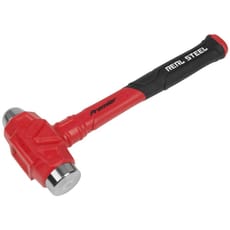
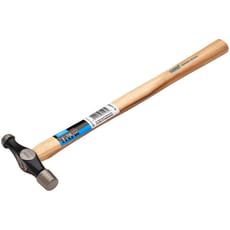
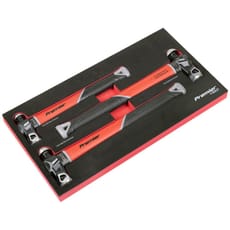
 Loading...
End of content
Error - No more pages to load
About Ball Pein Hammers
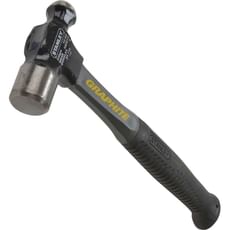
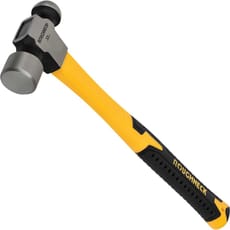
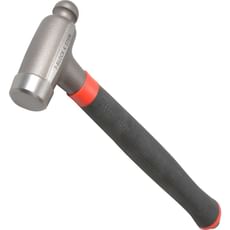
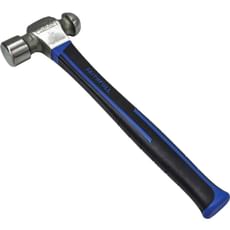
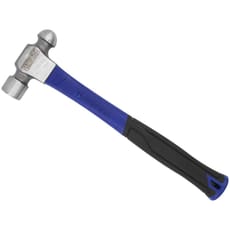
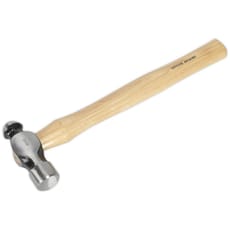
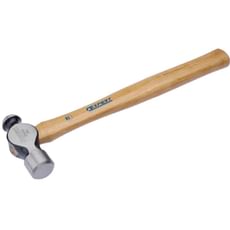
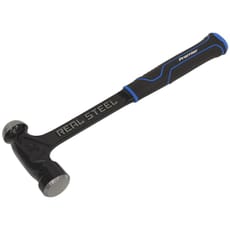
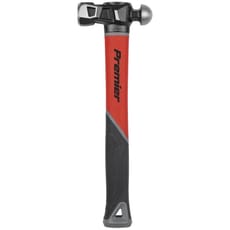
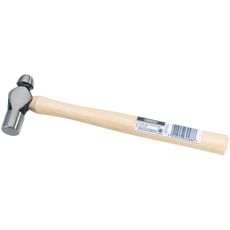
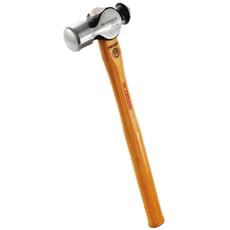
Ball pein hammers are essential metalworking tools, instantly recognisable by their distinctive dual-head design featuring a flat striking face on one end and a rounded, dome-shaped pein on the other. Also known as engineer's hammers or machinist's hammers, these versatile tools have been fundamental to metalworking trades for generations. The flat face is used for general striking tasks, whilst the rounded pein is specifically designed for shaping metal, closing rivets, and creating rounded impressions in softer materials.
Tooled-Up.com stocks a comprehensive range of ball pein hammers from trusted brands including Sealey, Draper, Facom, Stanley, Faithfull, and Hultafors. Available in various weights typically ranging from 4oz pin hammers for delicate work through to robust 32oz and 48oz models for heavy-duty metalworking, these tools cater to both professional engineers and DIY enthusiasts. Many models feature fibreglass or hardwood handles designed to absorb shock and reduce user fatigue during extended use, whilst one-piece forged steel designs offer exceptional durability for demanding workshop environments.
Whether you're working in automotive repair, general engineering, fabrication, or jewellery making, choosing the right ball pein hammer is crucial for achieving professional results. The selection available includes specialist options such as non-sparking hammers for use in potentially explosive atmospheres, premium sets offering multiple weights for versatility, and expert-grade tools designed to withstand the rigours of daily professional use on the workbench or on-site.
Jargon Buster
- Pein (or Peen): The rounded, ball-shaped end of the hammer head, used for shaping metal, riveting, and rounding off edges. The spelling 'pein' is traditionally preferred in British English.
- Strike Face: The flat, circular surface on the opposite end from the pein, hardened and precisely machined for accurate striking of punches, chisels, and direct metalwork.
- Cross Pein Hammer: Often confused with ball pein hammers, these feature a wedge-shaped pein running perpendicular to the handle rather than a rounded ball, used for different metalworking applications.
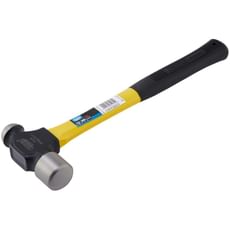
- Fibreglass Shaft: A modern handle material offering excellent shock absorption, durability, and resistance to weathering compared to traditional wooden handles.
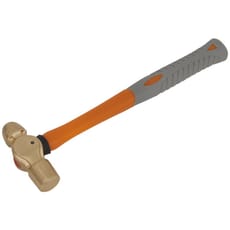
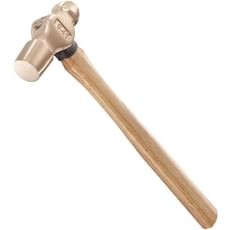
- Non-Sparking: Hammers manufactured from copper-beryllium or aluminium-bronze alloys that won't create sparks when striking, essential for work in environments with flammable gases or vapours.
- Heat Treatment: The process of hardening and tempering the hammer head to achieve optimal hardness on the striking surfaces whilst maintaining toughness in the body to prevent shattering during use.
Who Uses Ball Pein Hammers?
Ball pein hammers are indispensable tools across numerous trades and industries:
- Mechanical Engineers - for general metalworking, assembly, and component fitting in workshops and manufacturing environments
- Automotive Technicians - for bodywork repairs, panel beating, and mechanical assembly tasks
- Fabricators and Welders - for shaping metal, closing rivets, and preparing materials for joining
- Blacksmiths and Metalworkers - for traditional forging, shaping hot and cold metal, and decorative ironwork
- Maintenance Engineers - for routine repairs, equipment maintenance, and on-site metalwork adjustments
- Jewellers and Silversmiths - using lighter pin hammers for delicate metalwork, texturing, and forming precious metals
- Sheet Metal Workers - for shaping, forming, and finishing ductwork and architectural metalwork
- Agricultural Engineers - for farm machinery repairs and general maintenance work in rural environments
- DIY Enthusiasts - for home workshop projects, metal repairs, and general maintenance tasks
How to Choose the Right Ball Pein Hammers
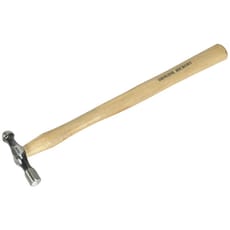
Weight Selection: Ball pein hammers typically range from 4oz to 48oz. Light pin hammers (4-8oz) suit precision work and jewellery making, medium weights (12-16oz) handle general engineering tasks, whilst heavy models (24-48oz) are essential for substantial metalwork and riveting. Consider having multiple weights for versatility across different applications.
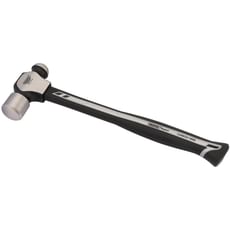
Handle Material: Traditional hickory or ash handles offer excellent shock absorption and a classic feel preferred by many craftspeople. Modern fibreglass shafts provide superior durability, weather resistance, and consistent performance without the maintenance requirements of wood. One-piece forged steel hammers eliminate handle breakage entirely and are ideal for heavy industrial use.
Head Quality: Look for drop-forged carbon steel heads with proper heat treatment ensuring the striking faces are hardened to prevent mushrooming whilst the body remains tough enough to resist fracturing. Premium brands like Facom and Stanley offer precision-ground faces that remain flat and true over years of use.
Handle Length and Grip: Standard lengths range from 250mm to 350mm. Longer handles provide greater striking force but reduce control in confined spaces. Ergonomic grips with contoured shapes and non-slip surfaces reduce fatigue during extended use and improve accuracy.
Specialist Requirements: For work in petrochemical facilities, refineries, or environments with explosive atmospheres, non-sparking ball pein hammers manufactured to HSE guidelines are essential. These copper-beryllium or aluminium-bronze tools meet safety regulations whilst providing reliable performance.
Set Options: Multi-piece sets from manufacturers like Sealey offer excellent value and versatility, typically including three popular weights (8oz, 16oz, 24oz) in a convenient storage case, ideal for mobile engineers and comprehensive workshop setups.
Popular Accessories
- Ball Pein Hammer Sets - multi-weight collections providing versatility for varied metalworking tasks
- Engineer's Tool Rolls - organised storage for hammers and related metalworking tools during transport
- Replacement Handles - wooden shafts for maintaining traditional hammers and extending tool life
- Metal Working Punches - centre punches, pin punches, and drift punches used in conjunction with ball pein hammers
- Cold Chisels - for cutting and shaping metal when struck with the hammer's flat face
- Anvils and Steel Blocks - essential work surfaces for effective metalworking and riveting
- Safety Glasses - crucial eye protection when striking metal, preventing injury from flying fragments
- Work Gloves - padded options reducing vibration transmission and preventing blisters during extended use
- Tool Storage Systems - from Stanley FatMax organisers to professional tool cabinets for workshop organisation
Safety Information
Proper use of ball pein hammers is essential for preventing workplace injuries. Always wear appropriate PPE including safety glasses or a face shield to protect against flying metal fragments, which are a common hazard when striking hardened materials. Work gloves should be worn to improve grip and reduce vibration, though ensure they fit properly to maintain control.
Inspect your hammer before each use, checking for cracks in the head, loose handles, or mushrooming on the striking faces. Mushroomed striking surfaces should be ground back to prevent dangerous fragments breaking off during use. According to HSE guidelines, damaged hammers must be removed from service immediately. Never strike one hammer against another, as both hardened faces can chip or shatter.
Ensure your work piece is properly secured in a vice or against a suitable anvil before striking. Maintain a firm, controlled grip on the handle and strike squarely to avoid glancing blows that may damage the work piece or cause the hammer to slip. When working with non-sparking hammers in potentially explosive atmospheres, follow COSHH regulations and ensure all personnel are aware of the hazardous environment protocols.
Store ball pein hammers in a dry location to prevent handle deterioration and rust on metal components. Keep handles clean and free from oil or grease that could cause the hammer to slip during use, potentially causing injury.
Frequently Asked Questions
What's the difference between a ball pein hammer and a claw hammer?
Ball pein hammers feature a rounded pein designed specifically for metalworking tasks such as shaping metal and closing rivets, whilst claw hammers have a two-pronged claw for extracting nails and are designed for carpentry. Ball pein hammers have hardened striking faces suitable for hitting metal tools and materials, whereas claw hammers are optimised for driving and removing nails from wood.
What weight ball pein hammer do I need for general engineering work?
For general workshop and engineering applications, a 16oz (450g) ball pein hammer is the most versatile choice, handling the majority of everyday metalworking tasks comfortably. Many professional engineers keep a set including 8oz, 16oz, and 24oz hammers to cover light precision work through to heavier riveting and forming tasks.
Can I replace the handle on my ball pein hammer?
Traditional wooden-handled ball pein hammers can have their handles replaced when worn or damaged. Replacement hickory or ash shafts are available at Tooled-Up and can be fitted with basic tools. However, fibreglass-handled and one-piece forged models cannot have handles replaced and must be replaced entirely if damaged, though these designs typically offer greater durability.
Why do some ball pein hammers cost significantly more than others?
Premium ball pein hammers from brands like Facom and Hultafors use superior materials, precise manufacturing processes, and rigorous quality control. They feature better heat treatment for longer-lasting striking faces, more comfortable ergonomic handles, and improved balance. Professional-grade tools maintain their accuracy and performance through years of daily use, justifying the higher initial investment for tradespeople who rely on their tools.
Do I need a non-sparking ball pein hammer?
Non-sparking hammers are essential when working in environments with flammable gases, vapours, or combustible dusts, such as petrochemical facilities, refineries, or grain stores. Standard steel hammers can create sparks when striking metal, potentially causing explosions or fires in these atmospheres. If your work involves such environments, non-sparking tools manufactured from copper-beryllium or aluminium-bronze alloys are a legal requirement under HSE regulations.