

Bandsaw Blades
Pay in 3 interest-free payments on purchases from £30-2000 with  . Learn more.
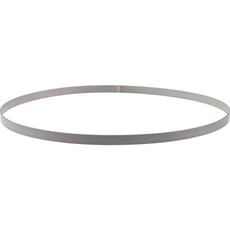
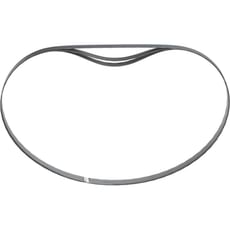
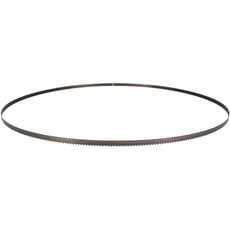
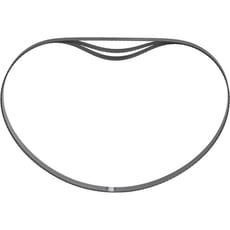
 Loading...
End of content
Error - No more pages to load
About Bandsaw Blades
Bandsaw blades are precision-engineered consumable components designed to fit portable and stationary bandsaws, delivering accurate cutting capabilities across diverse materials including metals, timber, plastics, and composites. Whether you're slicing through structural steel on construction sites or cutting timber sections in the workshop, selecting the appropriate blade ensures clean, precise cuts whilst maximising both blade lifespan and bandsaw performance. The selection at Tooled-Up.com encompasses replacement blades compatible with all major cordless and mains-powered bandsaw models from leading manufacturers including Milwaukee, Makita, DeWalt, Bosch Professional, and Starrett.
Modern bandsaw blades are specifically engineered for distinct cutting applications, with variations in tooth configuration (TPI), blade width, material composition, and tooth geometry tailored to different materials and cutting requirements. Fine-toothed metal cutting blades with 14-24 TPI are optimised for steel, aluminium, copper pipes, and stainless steel, delivering smooth, burr-free cuts in ferrous and non-ferrous metals. Conversely, aggressive wood-cutting blades feature larger tooth pitch (3-6 TPI) for rapid stock removal in softwoods, hardwoods, and manufactured boards. Professional tradespeople frequently maintain multiple blade types to handle varied cutting tasks throughout the working day.
Most professional-grade replacement bandsaw blades feature bi-metal construction, combining high-speed steel cutting edges welded to flexible spring steel backing for superior durability and breakage resistance. Blades are typically supplied in convenient multi-packs offering excellent value whilst ensuring spare blades are always available on site or in the workshop. With dedicated blade ranges specifically designed for popular cordless platforms such as the Milwaukee M18 and M12 series, DeWalt DCS range, and Makita 18V LXT system, maintaining peak cutting performance across your cordless tool collection is straightforward.
Jargon Buster
- TPI (Teeth Per Inch): The number of teeth within one inch of blade length, determining cut quality and material suitability. Higher TPI counts (14-24) provide smoother cuts in thin materials and metals, whilst lower TPI (3-6) enables faster cutting in thicker sections and aggressive material removal in timber.
- Bi-Metal Construction: A blade manufacturing technique combining a high-speed steel cutting edge welded to a flexible spring steel backing, providing sharp, wear-resistant teeth alongside excellent blade flexibility to resist breakage during demanding applications.
- Blade Width: The measurement from the back edge to the tooth tips, typically ranging from 12mm to 20mm for portable bandsaws. Wider blades deliver straighter cuts with superior beam strength, whilst narrower blades permit tighter radius curves.
- Set: The outward bending of teeth alternately left and right from the blade body, creating a kerf (cut width) wider than the blade thickness to prevent binding and enable smooth cutting action through materials.
- Gullet: The curved valley between teeth that carries away swarf (cut material) during the cutting process. Deeper gullets are essential for cutting thicker materials as they provide greater chip clearance capacity.
- Hook Angle: The forward or backward lean of the tooth face, affecting cutting aggression and finish quality. Positive hook angles cut faster but may produce rougher edges, whilst neutral or negative angles provide smoother finishes with greater control.
Who Uses Bandsaw Blades?
Bandsaw blades are essential consumables for diverse trades and industries:
- Plumbers and Heating Engineers: Cutting copper pipes, steel radiator pipes, plastic waste systems, and various plumbing materials on site installations and maintenance work
- Electricians and Electrical Contractors: Sectioning cable tray, steel conduit, containment systems, and metal back boxes during installation projects
- Metalworkers and Fabricators: Precision cutting of mild steel sections, stainless steel, angle iron, box section, and metal stock in fabrication workshops
- Carpenters and Joiners: Cutting timber beams, manufactured boards, and wooden components where portability and precision are required on site
- Maintenance Engineers: General cutting tasks across facilities management, plant maintenance, and building services applications
- Steel Erectors and Construction Workers: Cutting structural steel, rebar, threaded rod, and metal fixings on construction and civil engineering sites
- Motor Vehicle Technicians: Cutting exhaust systems, chassis components, suspension parts, and metal sections during repair and modification work
- Agricultural and Farm Workers: General-purpose cutting of metal fencing, gates, agricultural machinery parts, and equipment repair tasks
- Shopfitters and Retail Installers: Cutting metal framework, display systems, and architectural metalwork during retail fit-outs
- DIY Enthusiasts: Home improvement projects requiring accurate cuts in various materials from garden projects to home renovations
How to Choose the Right Bandsaw Blades
Compatibility with Your Bandsaw Model: The most critical factor is ensuring the blade matches your specific bandsaw model precisely. Blade length and width are engineered for each tool, so always verify your bandsaw's model number (such as Milwaukee M18 CBS125, DeWalt DCS377, Makita DPB180, or Bosch GCB 18V-63) and select blades specifically designed for that machine. Incorrect blade dimensions will not fit or may create dangerous operating conditions.
Material Being Cut: Different materials demand different tooth configurations. Metal-cutting blades feature high TPI counts (typically 14-24 TPI) with fine tooth geometry for smooth cuts through steel, aluminium, copper, cast iron, and stainless steel. Wood-cutting blades incorporate fewer, larger teeth (3-6 TPI) for rapid stock removal in timber and manufactured boards. Universal blades offer versatility but compromise optimal performance in specialised applications.
Material Thickness: Match the blade's TPI to your typical material thickness. The general rule suggests maintaining at least three teeth in contact with the material simultaneously. For thin-wall tubing, sheet metal, and pipe under 3mm, use higher TPI blades (18-24 TPI). For thick sections, structural steel, and beams, lower TPI blades (6-10 TPI) with larger gullets provide superior chip clearance and faster cutting speeds.
Blade Construction Quality: Bi-metal blades offer the optimal balance of durability and flexibility for professional tradespeople, combining wear-resistant high-speed steel teeth with flexible backing that resists breakage during demanding site work. These represent excellent value for regular users who demand reliability and consistent performance.
Pack Quantity and Value: Consider purchasing multi-packs from Tooled-Up for superior value, particularly if you regularly use your bandsaw professionally. Having spare blades readily available prevents costly downtime when a blade becomes dull or damaged mid-job. Professional tradespeople often calculate cost-per-cut rather than simply initial purchase price.
Tooth Configuration: Beyond basic TPI, consider tooth set patterns. Standard set (alternating left-right teeth) suits general-purpose cutting. Wavy set (teeth arranged in wave patterns) provides smoother cuts in thin materials. Raker set (alternating left, right, straight pattern) offers aggressive cutting in thicker sections with excellent chip clearance.
Popular Accessories
- Bandsaw Batteries and Chargers: Additional 18V battery packs for Milwaukee M18, DeWalt 18V XR, and Makita LXT systems to extend runtime during intensive site work
- Cutting Lubricants and Fluids: Specialist cutting compounds and sprays that reduce friction, extend blade life significantly, improve cut quality, and reduce heat buildup when working with metals
- Blade Storage Cases: Protective storage solutions including blade wallets and cases to keep spare blades organised and prevent tooth damage in toolboxes and vans
- Work Clamps and Vices: Portable workbenches, quick clamps, and engineer's vices essential for securing workpieces safely during cutting operations
- Measuring and Marking Tools: Tape measures, combination squares, engineers' squares, and permanent markers for accurate cut layout before sawing
- Safety Equipment: Impact-resistant eye protection, cut-resistant work gloves (for material handling only), and hearing defenders for safe bandsaw operation
- Tool Storage Systems: Milwaukee PACKOUT, DeWalt TSTAK, or Makita MakPac modular storage for organising bandsaws, spare blades, and accessories
- Deburring Tools: Hand deburring tools and files for removing sharp edges and burrs after cutting metal sections
- Replacement Guide Wheels: Spare guide wheels and bearings to maintain bandsaw accuracy and blade tracking performance
Safety Information
Personal Protective Equipment: Always wear appropriate impact-resistant safety glasses or face protection to guard against swarf, metal particles, and material fragments. Work gloves should be used when handling sharp materials and blades during installation, but must never be worn during actual cutting operations where they could become caught in moving components. Hearing protection is advisable during extended use, particularly in enclosed workshop environments where noise levels may exceed HSE recommended limits.
Blade Installation and Inspection: Always disconnect the battery pack or unplug mains-powered bandsaws (240v models) before changing blades. Ensure blades are correctly tensioned and tracked according to the manufacturer's specific instructions—both under-tensioning and over-tensioning can cause blade failure. Inspect new blades for shipping damage and used blades regularly for missing teeth, cracks, or excessive wear. Replace damaged or dull blades immediately as forcing cuts with worn blades increases the risk of catastrophic blade failure and reduces operator control.
Material Security and Workpiece Handling: Securely clamp or vice all workpieces before commencing cutting operations. Never attempt to hold small pieces, pipes, or sections by hand during cutting. Loose materials can rotate, shift, or bind, causing blade breakage, tool kickback, or serious injuries. Ensure adequate workpiece support on both sides of the cut, particularly when cutting longer sections that may sag or twist.
Appropriate Blade Selection: Using the correct blade type for your material is a safety issue as well as a performance consideration. Inappropriate blades can bind, overheat, or shatter during use, creating hazardous situations. Never use damaged, kinked, or previously broken blades. Avoid forcing cuts—allow the blade to cut at its own pace, applying only moderate, consistent pressure.
Working Environment: Ensure adequate lighting and maintain a clean, organised work area free from trip hazards and obstructions. When cutting materials that produce fine metal swarf or dust, ensure adequate ventilation and consider respiratory protection in accordance with COSHH regulations. Keep bystanders and other tradespeople at a safe distance during cutting operations.
Frequently Asked Questions
How long should a bandsaw blade last?
Blade lifespan varies significantly based on application intensity, material hardness, cutting frequency, operator technique, and whether appropriate cutting lubricant is used. Professional metalworkers cutting structural steel daily might replace blades after several hundred cuts or every few days of intensive use, whilst occasional DIY users cutting softer materials may achieve months of service from a single blade. Signs that replacement is required include noticeably slower cutting speeds, rough or ragged cut edges, excessive heat generation, burning smells, unusual vibration during use, or visible tooth damage. Maintaining proper cutting speed and using lubricant dramatically extends blade life.
Can I use wood-cutting blades for metal or vice versa?
No, wood and metal blades are specifically engineered with completely different tooth geometries, TPI counts, and set patterns for their respective materials and must not be interchanged. Metal-cutting blades feature fine teeth (high TPI) and specific tooth geometry for dealing with harder, denser materials, whilst wood blades incorporate aggressive tooth patterns with large gullets for rapid stock removal in softer materials. Using a wood blade on metal will immediately damage the teeth and risk dangerous blade failure. Using a metal blade on wood will produce extremely slow cutting speeds and poor surface finish, though it's less immediately dangerous.
Why does my bandsaw blade keep breaking prematurely?
Premature blade breakage typically results from several factors: incorrect blade tension (either excessively tight causing stress fractures, or too loose causing blade wandering and twisting), misaligned or damaged guide wheels creating uneven stress, forcing the cut by applying excessive pressure rather than allowing the blade to work at its own pace, attempting to cut materials that exceed the blade's specification, cutting curves with radii too tight for the blade width, or continuing to use dull blades that require excessive force. Always ensure your bandsaw is properly maintained with correctly aligned guides and appropriate tension, and replace blades when they become dull rather than forcing cuts.
Do I need to use cutting fluid with bandsaw blades?
When cutting metals, using appropriate cutting fluid, lubricant, or cutting spray significantly extends blade life (often by 200-300%), improves cut quality and accuracy, reduces heat buildup that can anneal teeth, and produces cleaner cuts with less burring. This is particularly important for cutting stainless steel, thick sections, cast iron, or when making multiple repetitive cuts. Wood cutting typically doesn't require lubricants and may actually be hindered by them. Many professional metalworkers consider cutting fluid essential for maintaining productivity and controlling consumable costs, with the lubricant cost being far less than premature blade replacement.
Are cordless bandsaw blades different from mains-powered model blades?
Blades are designed for specific bandsaw models based on precise dimensional requirements regardless of whether they're battery-powered or mains-powered (240v). What determines compatibility is the exact model designation—for example, Milwaukee M18 CBS125 blades differ dimensionally from Milwaukee mains-powered deep-cut models. Always check your bandsaw's complete model number (usually found on the tool's data plate or in the manual) and purchase blades specifically listed as compatible with that exact model to ensure correct blade length, width, and mounting specifications. Using incorrect blade dimensions creates dangerous operating conditions.