

Bandsaw Stands
Pay in 3 interest-free payments on purchases from £30-2000 with  . Learn more.
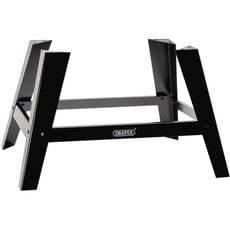
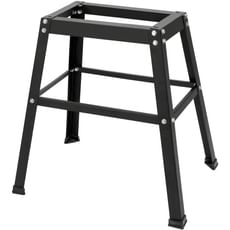
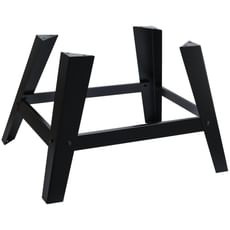
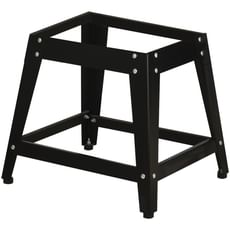
 Loading...
End of content
Error - No more pages to load
About Bandsaw Stands
Bandsaw stands are specialised support structures engineered to transform bench-top bandsaws into stable, floor-standing workshop machines. These robust steel frames elevate your bandsaw to an ergonomic working height whilst dramatically improving operational stability during demanding cutting tasks. A dedicated stand reduces vibration, enhances precision, and allows you to tackle larger workpieces with confidence – essential upgrades for professional joiners, metalworkers, and serious DIY enthusiasts alike. By mounting your bandsaw on a purpose-designed stand, you'll free up valuable bench space whilst creating a permanent, professional-grade cutting station in your workshop.
Most bandsaw stands are manufacturer-specific, precision-engineered to fit particular models with exact mounting hole patterns and optimised dimensions. The selection at Tooled-Up.com features Draper bandsaw stands designed to match corresponding Draper bandsaw models perfectly – including dedicated stands for the BS305, BS245/420SF Storm Force, BS305/750SF Storm Force, and BS350 models. These stands typically feature heavy-gauge steel construction with durable powder-coated finishes, adjustable levelling feet to compensate for uneven workshop floors, and robust cross-bracing that prevents racking during operation.
Investing in a quality bandsaw stand transforms your cutting capabilities, enabling heavier-duty work and longer cutting sessions without the limitations of bench-mounted alternatives. Floor-standing configurations provide the stability required for precision joinery, metalwork fabrication, and general building tasks where consistent, accurate cuts are non-negotiable. Whether you're setting up a professional workshop or upgrading your home workspace, the right stand makes a substantial difference to both safety and performance.
Jargon Buster
- Floor-Standing Configuration: A bandsaw setup where the machine is mounted on a dedicated stand rather than a workbench, providing superior stability and a dedicated workspace around the tool for handling larger stock.
- Adjustable Feet: Threaded levelling feet at the base of the stand that compensate for uneven workshop floors, ensuring the bandsaw sits perfectly level for accurate, consistent cuts.
- Mounting Holes: Pre-drilled holes in the stand's top plate that align precisely with the bandsaw's base fixing points, allowing secure bolt-through attachment of the machine to the stand.
- Cross-Bracing: Diagonal reinforcement bars between the stand legs that significantly improve lateral stability and prevent racking (sideways movement) during cutting operations.
- Powder-Coated Finish: A durable protective coating electrostatically applied to the steel framework that resists corrosion, chips, and workshop chemicals far better than standard paint finishes.
- Load Capacity: The maximum weight the stand is designed to support safely, which must accommodate both the bandsaw weight and the considerable forces generated during cutting operations.
Who Uses Bandsaw Stands?
- Joiners and Cabinet Makers: Professional woodworkers requiring stable platforms for precision cutting of timber components, furniture parts, and architectural millwork
- Carpenters: Tradespeople cutting structural timber, door frames, and joinery components in workshop environments where accuracy and stability are essential
- Metalworkers and Fabricators: Professionals using bandsaws for metal cutting who require solid, vibration-dampening support structures for ferrous and non-ferrous materials
- Workshop Managers: Those organising professional trade workshops and training facilities where floor-standing equipment offers superior safety and performance
- General Builders: Contractors with dedicated workshop spaces who need versatile cutting solutions for timber, plastics, and occasionally non-ferrous metals
- Maintenance Engineers: Site-based maintenance teams with workshop facilities for fabrication, repair work, and component modification
- DIY Enthusiasts: Home workshop owners upgrading from portable solutions to permanent, professional-grade setups for woodworking projects and renovations
- Educational Facilities: School workshops, colleges, and training centres providing safe, stable equipment for students learning woodworking and fabrication skills
How to Choose the Right Bandsaw Stands
Verify Compatibility First: Bandsaw stands are model-specific with mounting holes positioned to match particular machines. Check that the stand is explicitly designed for your bandsaw model – Draper stands, for instance, are engineered for specific Draper bandsaws with the ABS10 stand fitting the BS305 model, whilst different stands suit the BS245/420SF Storm Force or BS350 variants. Never assume universal fitment, as incompatible mounting creates serious safety hazards.
Construction Quality Matters: Examine the stand's construction carefully. Heavy-gauge steel with robust welded joints ensures longevity under demanding professional use. Cross-bracing between legs dramatically improves rigidity and prevents lateral movement during operation. Powder-coated finishes provide superior corrosion resistance in damp workshop environments compared to painted alternatives.
Working Height Considerations: Consider the final working height once your bandsaw is mounted. The cutting table should typically sit around 900-1000mm from the floor for comfortable operation, though preferences vary depending on your height and the type of work undertaken. Taller users and those frequently handling larger stock may prefer slightly lower configurations for better control.
Adjustability and Levelling: Choose stands with adjustable feet to compensate for uneven workshop floors – few workshop floors are perfectly level. Proper levelling is essential for accurate cuts and smooth bandsaw operation. Rubber or plastic feet also help dampen vibration transmission and protect floor surfaces from scratching.
Assess Your Workshop Space: Measure your workshop area to ensure adequate clearance around the mounted bandsaw. Allow sufficient room for handling long stock and manoeuvring workpieces safely around the blade – typically at least 1.5 metres on either side for comfortable operation with longer materials.
Storage Features: Some stands incorporate tool trays, shelves, or mounting points for accessories. These features keep blade wrenches, push sticks, and spare blades conveniently located, improving workflow efficiency and reducing time spent searching for essential tools.
Popular Accessories
- Bandsaw Blades: Replacement blades in various tooth configurations (6TPI for general work, 10-14TPI for finer cuts) for cutting timber, metals, and plastics – essential consumables for any bandsaw setup
- Mobile Bases: Wheeled platforms with locking castors that fit beneath your stand, allowing you to reposition your floor-standing bandsaw when needed whilst maintaining stability during use
- Dust Extraction Hoses: Compatible extraction hoses and adaptors to connect your bandsaw to workshop vacuum systems, essential for maintaining a clean, safe working environment
- Work Lights: Magnetic or clamp-on LED lights that illuminate the cutting area for improved precision and safety, particularly important for detailed joinery work
- Push Sticks and Blocks: Essential safety accessories for controlling workpieces whilst keeping hands clear of the blade, particularly when cutting smaller components
- Mitre Gauges: Adjustable guides for making accurate angled cuts on your bandsaw table, expanding your machine's versatility for joinery tasks
- Blade Tension Gauges: Precision tools for setting correct blade tension to optimise cutting performance, blade life, and cut accuracy
- Anti-Vibration Pads: Heavy-duty rubber mats that sit beneath stand feet to further reduce noise and vibration transmission to workshop floors
Safety Information
Secure Mounting is Critical: Always bolt your bandsaw firmly to the stand using all provided mounting points and appropriate fixings. Never operate a bandsaw that is loose or wobbling on its stand, as this creates serious safety hazards including potential kickback and produces inaccurate cuts. Check all bolts are properly tightened before first use.
Levelling and Stability: Ensure the stand is properly levelled using the adjustable feet before operating the bandsaw. Test stability by applying moderate sideways pressure – there should be absolutely no rocking or movement. An unstable stand can cause loss of control during cutting operations, particularly when handling larger workpieces.
Floor Suitability: Position your bandsaw stand on solid, level flooring capable of supporting the combined weight of stand, machine, and workpiece – typically 60-100kg total. Avoid placement on weak floors, near trip hazards, or in poorly lit areas. Ensure adequate clearance around the machine in accordance with HSE workshop safety guidelines, typically at least 1 metre on all sides.
Regular Inspection: Periodically check all bolts and fixings remain tight, particularly after moving or relocating the stand. Inspect the stand structure for cracks, damage, or corrosion that might compromise strength. Replace any damaged components immediately – never attempt repairs to structural elements with welding or temporary fixings.
Load Limits: Never exceed the stand's rated load capacity. Consider not just the static bandsaw weight but also the dynamic forces generated during cutting, particularly when working with heavy stock or making demanding cuts through hardwoods or metals. Overloading compromises both stability and safety.
Frequently Asked Questions
Can I use a generic stand with any bandsaw?
No, bandsaw stands are typically model-specific with mounting holes positioned to match particular machines. Using an incompatible stand creates serious safety risks from inadequate support and potential instability. Always choose a stand specifically designed for your bandsaw model – browse the range at Tooled-Up.com where Draper stands are precisely engineered to fit corresponding Draper bandsaw models. Attempting to adapt universal stands or drill new mounting holes compromises structural integrity.
Do I need a stand or can I keep my bandsaw on a workbench?
Whilst bench-mounting is acceptable for occasional light-duty use, a dedicated stand offers significant advantages for regular operation: dramatically improved stability for precision work, superior vibration dampening, ergonomic working height, and freed-up valuable bench space. Professional tradespeople and serious hobbyists almost universally prefer floor-standing configurations for the enhanced control and capacity they provide when cutting larger stock or working for extended periods.
How difficult is assembly and fitting?
Most bandsaw stands arrive requiring basic assembly with all fixings provided. Assembly typically takes 30-60 minutes with standard spanners and Allen keys – straightforward for anyone comfortable with basic DIY. Mounting the bandsaw involves aligning it with the pre-drilled holes and bolting it securely through the base mounting points. Always follow the manufacturer's instructions carefully and ensure all bolts are properly tightened before use.
Will a stand reduce vibration and noise from my bandsaw?
Yes, considerably. A quality stand with proper cross-bracing and adjustable feet significantly reduces vibration compared to bench-mounting. The stand's mass and rigid design dampen operational vibrations, resulting in quieter operation, smoother cuts with better surface finish, and less fatigue during extended use. Anti-vibration pads beneath the feet further improve performance, particularly important in shared workshop environments or domestic garages.
Can I move a bandsaw once it's mounted on a stand?
Floor-standing bandsaws are designed as permanent or semi-permanent installations due to their weight and stability requirements. However, you can purchase separate mobile bases with locking castors that fit beneath the stand, allowing you to reposition your bandsaw when necessary whilst maintaining stability during operation. This proves particularly useful in smaller workshops where space flexibility is important, or when you need to move the machine for cleaning or maintenance access.