

Barrel & Drum Pumps
Pay in 3 interest-free payments on purchases from £30-2000 with  . Learn more.
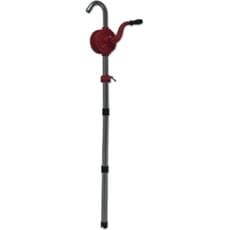
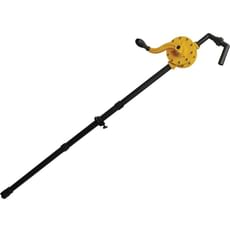
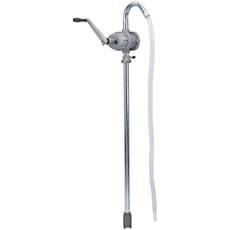
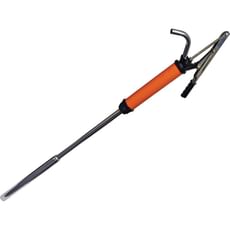
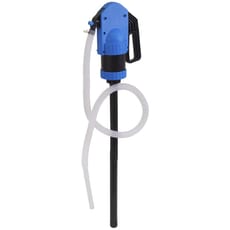
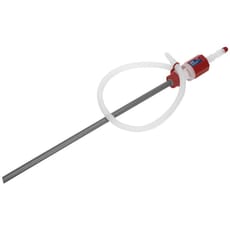
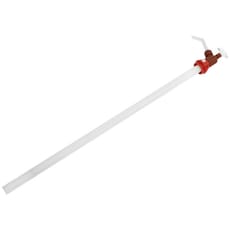
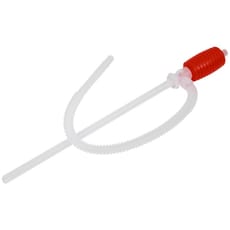
 Loading...
End of content
Error - No more pages to load
About Barrel & Drum Pumps
Barrel and drum pumps are indispensable tools for the safe and efficient transfer of liquids from large containers, drums, and barrels in workshops, garages, farms, and industrial facilities. Whether dispensing oils, lubricants, AdBlue, diesel, or chemicals, these pumps eliminate the need for tipping heavy containers, significantly reducing the risk of spillages, workplace injuries, and product waste. Designed to extract liquids from containers ranging from 20 to 200 litres, drum pumps provide a controlled, clean method of fluid handling that's essential for professional tradespeople and DIY enthusiasts alike.
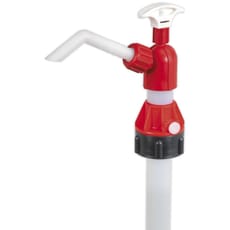
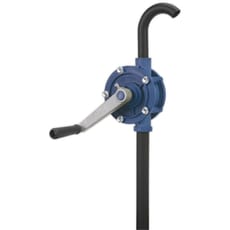
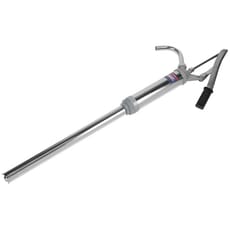
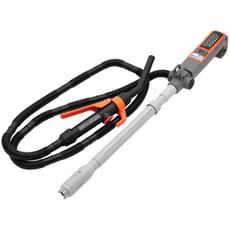
Tooled-Up.com stocks a comprehensive selection of barrel and drum pumps including manual rotary pumps, lever action models, battery-powered electric pumps, and specialist AdBlue dispensers from trusted manufacturers such as Sealey, Draper, Faithfull, and Lumatic. Manual options like cast iron rotary barrel pumps deliver reliable, maintenance-free operation without requiring power sources, whilst battery-operated models offer faster flow rates and reduced physical effort for high-volume applications. Construction materials range from chemical-resistant polypropylene for corrosive substances to robust cast iron for heavy-duty workshop use, ensuring compatibility with virtually any liquid whilst maintaining durability in demanding environments.
From economical siphon pumps for occasional DIY use to professional-grade lever action and high-flow rotary systems for busy trade environments, the range caters to all requirements and budgets. Whether you're a vehicle technician dispensing DEF/AdBlue for modern diesel engines, a farmer transferring agricultural chemicals, or a plant operator refuelling construction machinery, you'll find the appropriate solution to make liquid handling safer, cleaner, and more efficient.
Jargon Buster
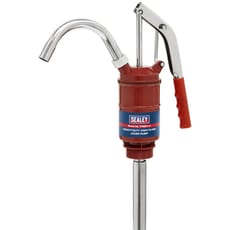
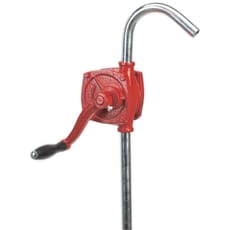
- Rotary Pump: A manual drum pump operated by turning a handle in a circular motion, creating suction to draw liquid through the pump mechanism. Ideal for oils, lubricants, and non-corrosive fluids, with cast iron models offering exceptional durability for workshop environments.
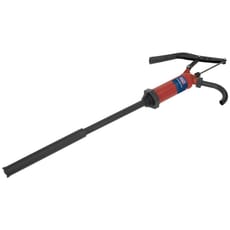
- Lever Action Pump: A hand-operated pump using an up-and-down lever motion to transfer liquids. These pumps typically deliver faster flow rates than rotary models and require less continuous effort, making them suitable for frequent use.
- AdBlue/DEF: Diesel Exhaust Fluid (marketed as AdBlue in the UK) is a urea-based solution used in modern diesel vehicles equipped with Selective Catalytic Reduction (SCR) systems to reduce harmful NOx emissions. Specialist pumps are required as standard models may contaminate this sensitive fluid.
- Flow Rate: The volume of liquid a pump can transfer per minute, measured in litres per minute (LPM). Higher flow rates mean faster dispensing but may require more effort on manual pumps or greater battery capacity on powered models.
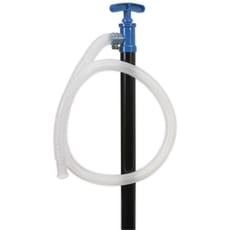
- Siphon Pump: A simple pump design that uses gravity and suction principles to transfer liquids from one container to another. Best suited for lighter fluids and occasional use where flow rate isn't critical.
- Chemical Resistant: Pumps constructed from materials such as polypropylene or specially treated metals that can safely handle corrosive chemicals, acids, and solvents without degrading, ensuring long service life and operator safety.
Who Uses Barrel & Drum Pumps?
- Mechanics and Vehicle Technicians: Dispensing oils, lubricants, AdBlue, and other automotive fluids in garages and workshops
- Agricultural Workers and Farmers: Transferring diesel, oils, and agricultural chemicals safely on farms and rural sites
- Plant Operators and Construction Site Managers: Refuelling machinery and equipment on building sites and industrial locations
- Manufacturing and Factory Maintenance Teams: Handling industrial lubricants, coolants, and process chemicals
- Haulage and Fleet Maintenance Professionals: Dispensing AdBlue and diesel for HGVs and commercial vehicle fleets
- Marine Engineers and Boat Owners: Transferring fuels, oils, and engine fluids in boatyards and marinas
- DIY Enthusiasts and Home Workshop Users: For occasional oil changes, equipment maintenance, and fluid transfers
- Chemical and Laboratory Technicians: Safely dispensing specialist chemicals and solvents in controlled environments
- Groundskeepers and Landscape Contractors: Refuelling mowers, strimmers, and other grounds maintenance equipment
How to Choose the Right Barrel & Drum Pumps
Liquid Type and Compatibility: The most critical consideration is what fluids you'll be transferring. Standard pumps from brands like Faithfull and Lumatic work well with oils and lubricants, but corrosive chemicals require chemical-resistant polypropylene models such as the Sealey Heavy Duty Polypropylene Rotary Pump, whilst AdBlue demands specially designed DEF pumps like the Draper Expert Battery Operated DEF/AdBlue Pump. Always verify the manufacturer's compatibility specifications to avoid pump damage or liquid contamination.
Manual or Powered Operation: Manual rotary and lever action pumps are cost-effective, require no power source, and offer reliable performance for occasional use or locations without electricity. Battery-operated pumps provide significantly faster flow rates and reduced physical effort, making them ideal for frequent use or high-volume applications. Consider your typical usage patterns and whether charging facilities are readily available on site.
Flow Rate Requirements: If you regularly transfer large volumes, a high-flow pump with rates of 25-40 litres per minute will dramatically reduce working time and operator fatigue. For occasional use or smaller quantities, a standard flow pump delivering 10-20 LPM may be perfectly adequate and more economical. The Draper High Flow Rotary Hand Drum Pump offers excellent performance for professional applications.
Drum Size and Pump Length: Ensure the pump tube is long enough to reach the bottom of your drums for efficient extraction. Standard pumps suit 20-50 litre drums, whilst industrial models accommodate 200-litre barrels. Measure your containers before purchasing to guarantee proper fit and function, as a pump that doesn't reach the drum bottom will leave significant product waste.
Build Quality and Materials: Cast iron rotary pumps like the Faithfull Cast Iron Rotary Pump offer exceptional durability and are ideal for permanent workshop installations, whilst lightweight polypropylene models provide portability and chemical resistance for varied applications. Heavy-duty models from Sealey and Draper Expert are engineered for professional trade use and offer extended service life under demanding conditions.
Hose Length and Nozzle Type: Consider where you'll be dispensing fluids and whether the supplied hose length is sufficient for your workspace layout. Some pumps include automatic shut-off nozzles for precise filling without overspill, whilst others have simple spouts for general pouring applications. Longer hoses provide greater flexibility but may slightly reduce flow rate.
Popular Accessories
- Replacement Hoses and Nozzles: Spare or extended hoses to increase reach, plus precision nozzles for accurate dispensing into small apertures
- Drum Bunds and Spill Trays: Essential for containing leaks and meeting HSE environmental protection requirements
- Oil Containers and Jerry Cans: For storing and transporting oils, fuels, and other liquids safely and legally
- Funnels and Drip Trays: To minimise spills and keep work areas clean during fluid transfers
- Measuring Jugs and Calibrated Containers: For accurate measurement of liquids before dispensing or mixing
- Personal Protective Equipment: Chemical-resistant gloves, safety goggles, and protective aprons for safe handling of hazardous substances
- Drum Dollies and Handlers: For moving heavy drums around workshops and storage areas safely
- Lockable Drum Caps: Security caps to prevent unauthorised access to valuable or hazardous liquids
- Battery Chargers: Spare chargers and batteries for battery-operated pumps to ensure continuous operation
Safety Information
COSHH Compliance: When handling chemicals, oils, or other potentially hazardous substances, ensure you comply with the Control of Substances Hazardous to Health (COSHH) regulations. Always consult safety data sheets for the liquids you're transferring and use appropriately rated pumps and PPE. Maintain proper records of hazardous substance handling as required by HSE guidance.
Flammable Liquids: Exercise extreme caution when pumping flammable liquids such as petrol, diesel, or solvents. Ensure adequate ventilation, eliminate ignition sources including static electricity, and use pumps specifically designed for flammable materials. Never smoke or use mobile phones near drum pumping operations involving flammable substances, and keep appropriate fire extinguishers nearby.
Environmental Protection: Use drip trays and spill containment equipment to prevent environmental contamination. Even small spills of oils or chemicals can cause significant environmental damage and may result in HSE enforcement action and substantial fines. Dispose of contaminated materials according to local authority regulations and maintain spill kits in areas where drum pumping occurs.
Equipment Maintenance: Regularly inspect pumps for wear, damage, or degradation, particularly seals and hoses which can perish over time. Clean pumps thoroughly after use, especially when switching between different liquid types, to prevent cross-contamination. Store pumps properly when not in use to maintain their condition and performance, and replace worn components promptly.
Electrical Safety: For battery-operated pumps available from Tooled-Up, ensure batteries are charged using the correct charger supplied by the manufacturer and never operate pumps with damaged electrical components. Keep electrical elements away from liquids and follow the manufacturer's instructions for safe charging and storage. Avoid using battery-operated pumps in explosive atmospheres unless specifically rated for such environments.
Frequently Asked Questions
Can I use the same pump for different types of liquids?
This depends entirely on the liquids involved. Whilst many pumps can handle various oils and lubricants without issue, you should never mix incompatible substances like AdBlue and diesel, as even trace contamination can damage expensive vehicle emissions systems. Chemical pumps designed for corrosive substances shouldn't be used for foodstuffs or potable liquids. Always clean pumps thoroughly between different liquid types, and maintain separate dedicated pumps for AdBlue, chemicals, and general workshop fluids to prevent cross-contamination and ensure compliance with health and safety regulations.
How do I know if a pump will fit my drums?
Check the pump tube length specification and compare it to your drum depth. Most standard pumps accommodate 20-50 litre drums with depths up to 600mm, whilst heavy-duty models reach the bottom of 200-litre barrels (typically 800-900mm deep). The pump's inlet should reach within 25-50mm of the drum bottom for efficient extraction and minimal waste. Measure your containers before purchasing or contact the Tooled-Up team for expert advice on selecting the correct pump length for your specific application.
Are battery-operated pumps suitable for outdoor site work?
Yes, battery-operated drum pumps are excellent for site work as they don't require mains 240v power and offer complete portability. Models from Draper Expert and Sealey feature rechargeable batteries that typically provide enough power for a full day's work, making them ideal for construction sites, farms, and remote locations. However, store the pump and batteries in a dry location when not in use to prevent weather damage, and keep spare batteries charged for continuous operation on busy sites.
Do I need a special pump for AdBlue?
Yes, AdBlue (Diesel Exhaust Fluid) absolutely requires pumps specifically designed for this purpose. Standard pumps may not be compatible with AdBlue's chemical composition and can contaminate the fluid or become damaged through chemical reaction. Dedicated AdBlue pumps feature appropriate materials and seals that maintain the purity of the fluid, which is critical for proper SCR system operation in modern diesel vehicles. Contaminated AdBlue can cause expensive damage to emissions control systems, so using the correct pump is essential.
How much maintenance do drum pumps require?
Manual pumps require minimal maintenance – simply clean after use and store in a dry location. For pumps handling oils, occasionally flush with clean oil to prevent residue build-up that can affect performance. Chemical pumps should be rinsed with appropriate cleaning agents after each use according to COSHH guidelines. Battery-operated models require periodic charging and battery maintenance following manufacturer instructions. Always inspect seals, hoses, and connections regularly, replacing worn components promptly to maintain performance, prevent leaks, and ensure operator safety.