

Barrel & Drum Taps & Accessories
Pay in 3 interest-free payments on purchases from £30-2000 with  . Learn more.
 Loading...
End of content
Error - No more pages to load
About Barrel & Drum Taps & Accessories
Barrel and drum taps and accessories are essential equipment for safely dispensing, transferring and managing liquids stored in industrial drums, barrels and IBCs (Intermediate Bulk Containers). Whether handling oils, lubricants, AdBlue, chemicals or other fluids in workshop, factory or site environments, the right taps, adaptors and accessories ensure controlled, safe and efficient liquid handling whilst minimising waste and spillage. Tooled-Up.com stocks a comprehensive range of drum dispensing equipment designed to meet the demanding requirements of professional tradespeople and industrial facilities.
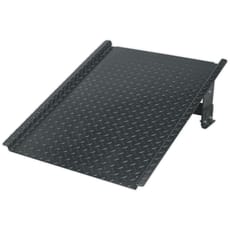
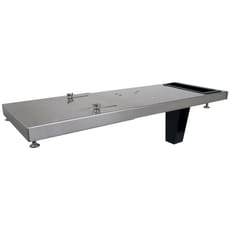
The selection available from Tooled-Up includes drum taps with various BSP fittings, drum adaptors compatible with different barrel thread types (including Berg, Mauser, DIN 61/31, Trisure and US Buttress standards), pump mounting brackets, extension tubes, and specialist accessories like drum wrenches and height-adjustable ramps for barrel bunds. With 28 products from Sealey – a trusted British brand with decades of experience in workshop equipment – alongside quality options from Draper for specialist applications like AdBlue handling, customers can find reliable solutions for virtually any drum dispensing requirement.
These accessories are designed to fit standard 205-litre oil drums and other industrial containers, providing versatile solutions for controlled dispensing in automotive workshops, manufacturing facilities, agricultural settings and maintenance departments. From simple manual taps to auto-release mechanisms that prevent overfilling, these products help tradespeople and facility managers handle fluids safely whilst complying with HSE and COSHH regulations for workplace chemical handling and environmental protection.
Jargon Buster
- BSP (British Standard Pipe): A family of technical standards for screw threads used on pipes and fittings. Common sizes include 3/4" and 2" BSP, ensuring compatibility between taps, adaptors and drum openings across different manufacturers.
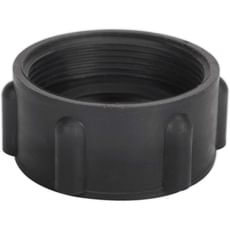
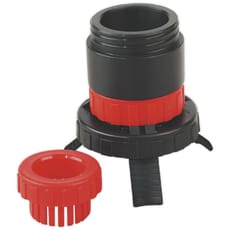
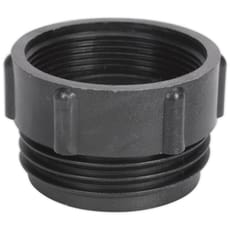
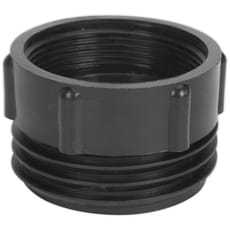
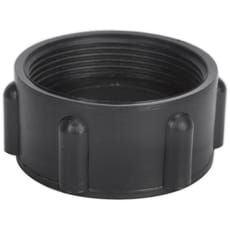
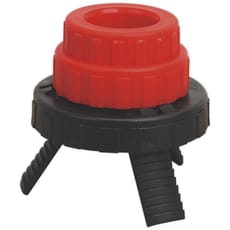
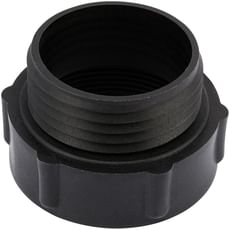
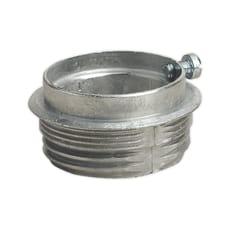
- Drum Adaptor: A fitting that converts one type of drum thread to accept a standard tap or pump. Different drum manufacturers use varying thread types (Berg, Mauser, DIN 61/31, Trisure, US Buttress), so adaptors ensure compatibility across different barrel brands and international standards.
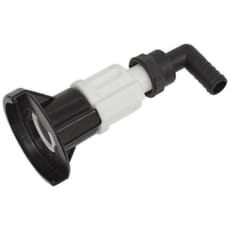
- IBC Connector: A specialised fitting designed to connect pumps or dispensing equipment to Intermediate Bulk Containers, typically 1000-litre capacity plastic containers on pallets commonly used for chemicals and AdBlue in industrial applications.
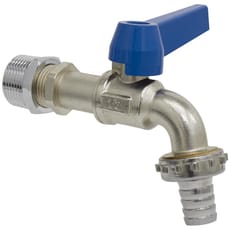
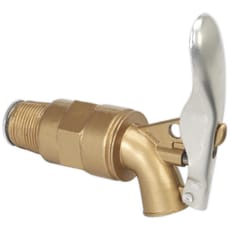
- Auto-Release Tap: A spring-loaded tap mechanism that automatically stops flow when the trigger is released, preventing overfilling and spillage during dispensing operations. Particularly valuable in busy workshop environments where distractions are common.
- Bund: A secondary containment system (typically a low wall or tray) designed to catch spills and leaks from drums and containers, preventing environmental contamination. Required under environmental regulations for certain stored liquids, usually with capacity for at least 110% of the largest container.
- DIN Standard: German industrial standards (Deutsches Institut für Normung) commonly used for drum fittings, particularly DIN 61/31 which specifies drum opening dimensions used by many European drum manufacturers.
Who Uses Barrel & Drum Taps & Accessories?
- Automotive Technicians: For dispensing engine oils, transmission fluids, hydraulic oils and AdBlue in garages and service centres
- Plant and Facilities Maintenance Engineers: Managing lubricants and fluids for machinery maintenance in factories and industrial facilities
- Agricultural Workers and Farm Managers: Handling fuel, oils, chemicals and AdBlue for agricultural machinery and equipment
- Haulage and Fleet Operators: Bulk AdBlue dispensing for HGV fleets and commercial vehicle maintenance
- Manufacturing and Production Facilities: Controlled dispensing of process fluids, coolants and lubricants in production environments
- Construction Site Managers: Managing fuel and fluids for plant machinery and equipment on building sites
- Marine Engineers: Handling oils and fluids for boat and ship maintenance in marinas and boatyards
- Industrial Cleaning Companies: Dispensing cleaning chemicals and detergents from bulk containers
How to Choose the Right Barrel & Drum Taps & Accessories
Identify Your Drum Type: Different manufacturers use different thread standards on their drums. Check whether you have Berg, Mauser, DIN 61/31, Trisure or US Buttress threaded openings, as you'll need the corresponding adaptor. Standard 205-litre oil drums typically have 2" BSP openings, whilst smaller containers may use 3/4" BSP fittings. The Tooled-Up range includes adaptors for all major drum thread types to ensure compatibility.
Consider the Fluid Being Dispensed: Material construction matters significantly for safe and effective dispensing. Brass taps offer excellent corrosion resistance and are suitable for most oils and fuels. For AdBlue (diesel exhaust fluid), ensure you select equipment specifically designed for this application, as AdBlue can be corrosive to certain materials. Always check the manufacturer's compatibility recommendations before purchasing.
Manual or Auto-Release? Standard drum taps require manual operation to start and stop flow, whilst auto-release mechanisms (like spring-loaded trigger taps) automatically stop dispensing when released, reducing the risk of overfilling and spillage. Auto-release options are particularly valuable in busy workshop environments where distractions are common and where multiple staff members may be dispensing fluids.
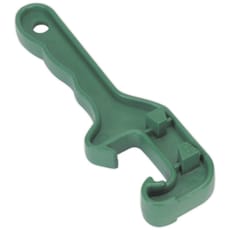
Additional Accessories Needed: Consider whether you need mounting brackets for drum pumps, extension tubes for reaching the bottom of drums more effectively, drum wrenches for opening tight bungs, or ramps for easier access when drums are stored in bunded areas. A complete dispensing system often requires several complementary accessories to function efficiently and safely.
COSHH and Environmental Compliance: If you're storing hazardous substances, ensure your dispensing setup meets COSHH requirements and includes appropriate spillage control measures. Bund access ramps, drip trays and secondary containment accessories help maintain compliance with HSE regulations and environmental protection requirements for workplace chemical handling.
Popular Accessories
- Drum Pumps: Electric (240v) or manual pumps for faster transfer of liquids from drums
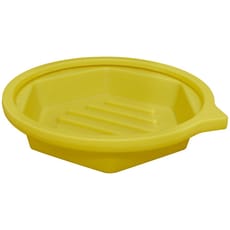
- Drip Trays and Spill Pallets: Secondary containment for drums to catch drips and prevent environmental contamination
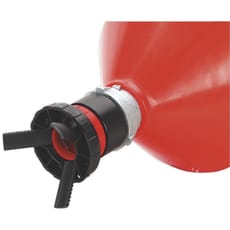
- Drum Funnels: For safe pouring and filling of containers from tapped drums
- Measuring Jugs and Containers: For accurate measurement of dispensed fluids and inventory control
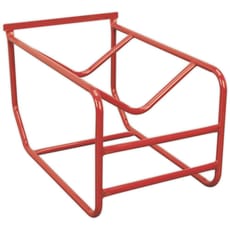
- Drum Trolleys and Handlers: For safe movement and positioning of heavy drums around the workshop
- Bung Wrenches and Drum Keys: Essential tools for opening and sealing drum caps
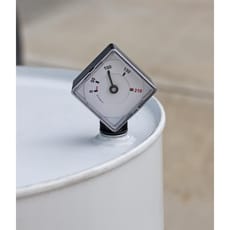
- Flow Meters: For accurate measurement and inventory control of dispensed fluids
- Hoses and Nozzles: Extending reach and improving control when dispensing
- PPE (Gloves, Goggles, Aprons): Personal protective equipment for safe handling of chemicals and fluids
Safety Information
Handling fluids from drums and barrels presents several safety considerations that must be addressed in professional environments. Always wear appropriate PPE including chemical-resistant gloves, safety goggles and protective clothing when dispensing potentially hazardous fluids. Ensure adequate ventilation in areas where drums are stored and dispensed, particularly when handling volatile substances or fuels.
Before installing any tap or adaptor, verify that the drum thread type matches your fitting to prevent cross-threading or leakage. Never force incompatible fittings, as this can damage threads and lead to dangerous spills. When working with flammable liquids, eliminate ignition sources and have appropriate fire extinguishers readily available. Ensure any electrical equipment used near flammable liquids is properly rated and maintained.
Store drums on stable, level surfaces, preferably within bunded areas that can contain at least 110% of the drum's capacity in case of spillage. Regularly inspect taps, adaptors and seals for wear or damage, replacing compromised components immediately. When dispensing, always place receiving containers at a lower level than the drum to prevent back-siphoning and contamination.
Comply with COSHH regulations by maintaining proper labels on all drums, keeping safety data sheets accessible, and training staff in proper dispensing procedures. Never mix different fluids or use contaminated equipment without thorough cleaning. Dispose of waste fluids and empty drums in accordance with environmental regulations and local authority guidelines.
Frequently Asked Questions
What thread size do standard 205-litre oil drums use?
Most standard 205-litre steel oil drums have 2" BSP (British Standard Pipe) threaded openings. However, the specific thread type varies by manufacturer – common types include Berg, Mauser, DIN 61/31, Trisure and US Buttress. You'll need to identify your drum's thread type and select the appropriate adaptor to fit a standard BSP tap. Tooled-Up stocks adaptors for all major thread types to ensure compatibility.
Can I use the same tap for different types of fluids?
It's not recommended to use the same tap for different fluids without thorough cleaning, as cross-contamination can occur. AdBlue equipment should never be used for other fluids, as contamination will damage vehicle SCR systems. If you handle multiple fluid types, consider dedicating specific taps and equipment to each fluid type and labelling them clearly to prevent mix-ups.
How do I stop my drum tap from dripping after use?
Dripping usually occurs due to residual fluid in the tap body or worn seals. After dispensing, ensure the tap is fully closed and allow residual fluid to drain into a drip tray positioned beneath. Consider upgrading to an auto-release tap with positive shut-off for better drip prevention. Regularly inspect and replace tap washers and seals as they wear over time.
Do I need a pump or is a tap sufficient for dispensing?
This depends on your dispensing volume and frequency. Gravity-fed taps work well for occasional dispensing of moderate volumes, but flow rates decrease as the drum empties. For regular, high-volume dispensing or when drums cannot be elevated, a drum pump (manual or 240v electric) provides faster, more consistent flow rates and can empty drums completely.
What's the difference between brass and plastic drum taps?
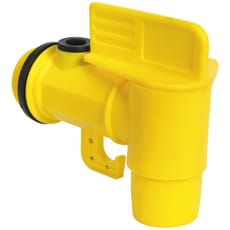
Brass taps offer superior durability, better chemical resistance for most fluids (especially oils and fuels), and longer service life in demanding workshop environments. They're the preferred choice for professional applications. Plastic taps are lighter and less expensive but may not be compatible with all chemicals and can be less durable under heavy use or in cold conditions where they become brittle.