

Bars
Pay in 3 interest-free payments on purchases from £30-2000 with  . Learn more.



 Loading...
End of content
Error - No more pages to load
About Bars
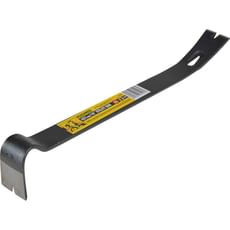
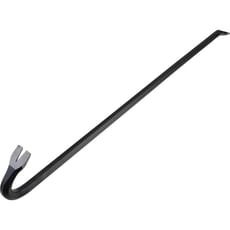
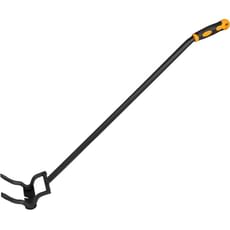
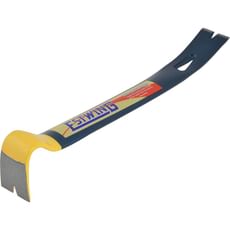
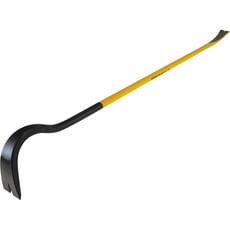
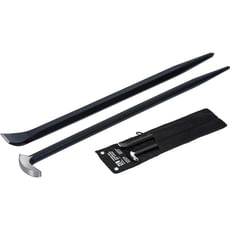
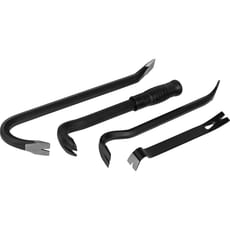
Bars are essential lever tools that belong in every tradesperson's toolkit and prove invaluable for DIY enthusiasts tackling demanding projects. These robust, heavy-duty implements harness the mechanical advantage of leverage to multiply force, making seemingly impossible tasks like lifting heavy objects, prying apart materials, demolishing structures, and extracting stubborn fixings remarkably manageable. From the versatile crow bar to specialised wrecking bars, these tools are engineered to withstand tremendous forces whilst providing precise control and exceptional durability on site.
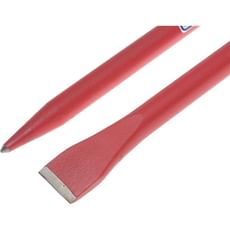
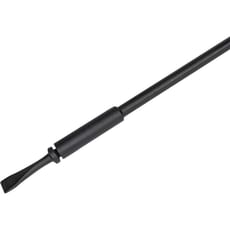
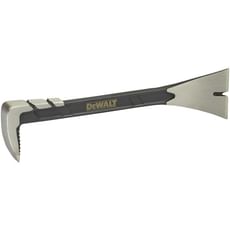
The comprehensive selection at Tooled-Up.com encompasses six distinct categories of bars, each designed for specific applications. Crow bars excel at general prying and demolition work, whilst digging bars are purpose-built for breaking ground and shifting soil. Lifting bars provide controlled mechanical advantage for raising heavy loads, and nail bars offer the precision needed for carpentry and joinery work. Pry bars deliver compact leverage for tight spaces, and wrecking bars are the heavyweight champions for serious demolition tasks. Manufactured from hardened steel by trusted brands including Stanley, Faithfull, and Roughneck, these tools are built to professional standards that withstand daily site work.
Whether you're a builder stripping out old structures, a groundworker excavating foundations, a carpenter removing floorboards, or a homeowner tackling renovation projects, selecting the appropriate bar for your task ensures efficiency, safety, and professional results. Understanding the differences between bar types and their intended applications will help you invest in the right tools that deliver reliable performance for years to come.
Jargon Buster
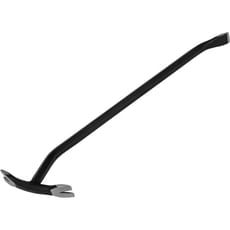
- Crow Bar - A straight or curved steel bar with a flattened, wedge-shaped end for prying and a forked claw on the opposite end for nail extraction. Also known as a crowbar or pinch bar.
- Wrecking Bar - A heavy-duty demolition tool featuring a curved or angled design with a chisel point at one end and a claw or nail puller at the other, engineered for maximum leverage during demolition work.
- Mechanical Advantage - The multiplication of force achieved through leverage, allowing users to move or lift objects many times heavier than could be managed by hand alone.
- Drop Forged - A manufacturing process where heated steel is shaped under extreme pressure, creating a denser, stronger tool with superior grain structure and durability compared to cast alternatives.
- Striking Face - The reinforced area on some bars designed to withstand hammer blows, allowing the bar to be driven into tight spaces or under heavy objects.
- Fulcrum Point - The pivot point around which a lever rotates, critical for maximising leverage efficiency when using any type of bar.
Who Uses Bars?
Bars are indispensable tools across numerous trades and applications:
- Demolition Contractors - stripping out interiors, removing fixtures, and breaking down structures
- Builders and General Tradesmen - site clearance, formwork removal, and general construction tasks
- Groundworkers and Landscapers - breaking compacted ground, lifting paving slabs, and excavation work
- Carpenters and Joiners - removing skirting boards, lifting floorboards, and extracting stubborn nails
- Roofers - lifting and positioning materials, removing old tiles and battens
- Maintenance Engineers - accessing machinery, removing panels, and general facilities maintenance
- Scaffolders - manipulating heavy equipment and adjusting positioned materials
- DIY Enthusiasts - home renovation, garden projects, and general property maintenance
- Salvage and Reclamation Specialists - carefully extracting architectural features and materials
- Agricultural Workers - fencing work, equipment maintenance, and general farm tasks
How to Choose the Right Bars
Selecting the appropriate bar requires careful consideration of several key factors:
Application and Task Type: Identify your primary use. Demolition work demands robust wrecking bars, whilst precision carpentry benefits from smaller nail bars. Groundwork requires purpose-built digging bars with pointed ends, and lifting applications need bars with appropriate leverage ratios and load capacities.
Length and Leverage: Bar length directly affects leverage and portability. Longer bars (900mm-1800mm) provide maximum mechanical advantage for heavy-duty tasks but can be unwieldy in confined spaces. Shorter bars (250mm-600mm) offer manoeuvrability and precision for detailed work. Consider where you'll be working and the forces required.
Material and Construction: Professional-grade bars are manufactured from drop-forged, heat-treated steel for superior strength and durability. Chrome vanadium or carbon steel construction ensures resistance to bending and breaking under extreme loads. Look for bars with painted or powder-coated finishes to prevent corrosion during storage and use.
End Configurations: Different end designs suit specific tasks. Chisel points penetrate tight gaps, curved ends provide better leverage against flat surfaces, forked claws extract nails efficiently, and flat ends are ideal for prying between materials. Many bars feature different ends for versatility.
Handle Design and Grip: Ergonomic handles with textured or rubberised grips reduce fatigue during extended use and improve control. Some bars feature ergonomically shaped handles that provide multiple grip positions for different applications and leverage requirements.
Weight and Balance: Heavier bars deliver more momentum for driving and striking but cause greater fatigue. Consider the balance point and whether you'll be working overhead, at ground level, or in awkward positions throughout the day.
Popular Accessories
- Work Gloves - leather or reinforced palm gloves protect hands from splinters, sharp edges, and vibration
- Safety Goggles - essential protection against flying debris and dust during demolition work
- Lump Hammers - for striking bars to drive them into position or under heavy materials
- Wooden Wedges - used in conjunction with bars for controlled lifting and splitting
- Tool Belts and Pouches - convenient storage and accessibility for smaller bars on site
- Kneeling Pads - provide comfort during ground-level prying and lifting work
- Pry Bar Sets - multiple sizes for different applications, often stored in durable tool rolls
- Protective Packing Materials - for safeguarding surfaces when using bars as lifting levers
- Penetrating Oil - helps loosen seized fixings before prying or extraction
- Tool Storage Solutions - Stanley FatMax, DeWalt TSTAK, or Milwaukee PACKOUT systems for organised transport
Safety Information
Bars are powerful tools that demand respect and proper safety practices to prevent injury and property damage:
Personal Protective Equipment: Always wear appropriate PPE including safety glasses or goggles to protect against flying debris, particularly during demolition work. Heavy-duty work gloves prevent splinters and provide better grip, whilst steel toe-capped boots protect feet from dropped tools or falling materials. Consider hearing protection during extensive demolition projects.
Proper Technique: Position yourself to push or pull away from your body rather than towards it, preventing injury if the bar slips. Maintain a stable stance with feet shoulder-width apart and never overreach. Use your legs and core for power rather than relying solely on back and arm strength. When using a bar overhead, ensure nobody is positioned below your working area.
Work Area Safety: Inspect the work area for hidden services including electrical cables, gas pipes, and water mains before prying or demolition work. The HSE requires proper assessment before penetrating walls, floors, or ceilings. Ensure adequate lighting and clear surroundings free from trip hazards. When working at height, secure bars to prevent them falling and causing injury below.
Tool Inspection and Maintenance: Examine bars before use for cracks, bends, or mushrooming of struck surfaces which could cause metal fragments to break free. Never use damaged tools. Clean bars after use and apply light oil to prevent corrosion. Store bars securely to prevent them falling or causing injury during transport.
Controlled Force: Apply steady, controlled pressure rather than sudden jerking movements which can cause bars to slip unexpectedly. Be aware that materials under tension may spring back violently when released. When using bars for lifting, ensure stable fulcrum points and never position hands or feet under suspended loads.
Frequently Asked Questions
What's the difference between a crow bar and a wrecking bar?
Crow bars typically feature a straighter design with a flattened prying end and a forked claw, making them versatile for general prying and nail extraction. Wrecking bars are heavier-duty with more aggressive curves and angles, specifically engineered for demolition work with greater leverage and more robust construction to withstand the extreme forces encountered when breaking down structures.
What length bar do I need for general DIY and renovation work?
For most DIY applications, a 600mm-900mm crow bar or wrecking bar provides an excellent balance between leverage and manoeuvrability. This length handles typical tasks like removing skirting boards, lifting floorboards, and general demolition whilst remaining manageable in domestic settings. Consider adding a smaller 300mm pry bar for precision work in tight spaces.
Can I use a bar with a hammer to drive it into position?
Only if the bar features a designated striking face, which is a reinforced flat area specifically designed to withstand hammer blows. Many professional-grade digging bars and wrecking bars include striking faces, but check manufacturer specifications first. Never strike the shaft or working ends of bars not designed for this purpose, as it can cause dangerous mushrooming or fracturing of the metal.
How do I prevent damaging surfaces when using a pry bar?
Place a piece of scrap wood, plywood, or specialist protective material between the bar and the surface to distribute force over a wider area and prevent marking. This is particularly important when working with finished surfaces or materials you intend to preserve. The additional material also provides a more stable fulcrum point for improved leverage and control.
Are more expensive bars worth the investment for professional use?
Absolutely. Professional-grade bars available from Tooled-Up.com from manufacturers like Stanley, Faithfull, and Roughneck use superior materials such as drop-forged, heat-treated steel that resists bending and breaking under extreme loads. They feature better balance, more comfortable grips, and maintain their effectiveness through years of daily site work. For tradespeople who rely on their tools, the durability and reliability of quality bars quickly justifies the higher initial investment through reduced replacements and improved productivity.