

Baths & Pans
Pay in 3 interest-free payments on purchases from £30-2000 with  . Learn more.
 Loading...
End of content
Error - No more pages to load
About Baths & Pans
Plasterers baths and pans are indispensable mixing and holding tools for tradespeople working with plaster, render, mortar, and other wet building materials. These specialist containers provide a clean, durable workspace for preparing materials to the correct consistency and maintaining them in a workable state throughout application. Whether you're skimming internal walls, rendering external elevations, or preparing mortar for bricklaying, having the right bath or pan ensures your materials remain accessible and properly mixed during demanding site work.
The range available at Tooled-Up.com encompasses several distinct product types, each engineered for specific tasks and working preferences. Traditional galvanised steel plasterers baths deliver exceptional durability for heavy-duty professional use, whilst modern plastic alternatives offer lightweight portability without sacrificing capacity. Mortar mixing boards provide bricklayers and groundworkers with a stable, clean surface for hand-mixing smaller batches, and stainless steel mud pans are favoured by professional plasterers for their rust-resistant properties and easy-clean surfaces. Trusted brands including Marshalltown, Faithfull, and Stanley ensure access to professional-grade equipment capable of withstanding the rigours of daily trade use.
Choosing between materials, sizes, and styles depends on your specific application requirements, frequency of use, and working environment. Larger capacity baths suit major plastering contracts where substantial material volumes are essential, while compact pans excel at smaller repairs, patch work, and detailed finishing tasks. All products in this category are designed to resist the corrosive nature of cement-based materials and endure the physical demands of UK construction sites.
Jargon Buster
- Plasterers Bath
- A large, shallow rectangular container typically manufactured from galvanised steel or heavy-duty polyethylene, used for mixing and holding plaster, render, or mortar in substantial quantities. Features reinforced rims and handles for durability and safe manoeuvring on site.
- Mud Pan
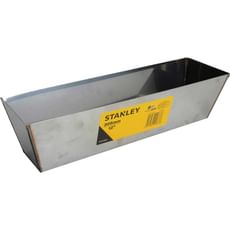
- A smaller, handheld trough-style container used by plasterers and drywall finishers to hold ready-mixed compound during application work. The tapered design facilitates easy material loading onto hawks and trowels whilst working.
- Mortar Mixing Board (Spot Board)
- A flat, rigid platform constructed from wood or plastic, used for hand-mixing small batches of mortar or for holding material close to the work area. An essential piece of equipment for bricklayers and general building work, preventing ground contamination.
- Galvanised Steel
- Steel coated with a protective zinc layer to prevent rust and corrosion when exposed to water and cement-based materials. The construction industry standard for long-lasting mixing equipment that withstands harsh site conditions.
- Hawk
- Though not a bath or pan itself, this flat plate with a handle underneath works in conjunction with mud pans to hold plaster at comfortable working height during application, reducing fatigue and improving efficiency.
- Polyethylene Construction
- Heavy-duty plastic material resistant to chemicals, impact, and weathering. Modern polyethylene baths offer significant weight savings compared to metal alternatives whilst maintaining professional-grade durability.
Who Uses Baths & Pans?
Plasterers baths and pans are essential equipment for a wide range of construction professionals and serious DIY enthusiasts:
- Plasterers and Dry Liners: Primary users who depend on these tools daily for mixing and holding skimming plaster, bonding coat, multi-finish, and finishing compounds throughout interior applications
- Renderers: External rendering specialists requiring robust baths for cement-based render mixes, including sand and cement renders and modern polymer-modified systems
- Bricklayers: Rely on mortar boards and baths for preparing and holding bricklaying mortar at convenient locations on site, maintaining consistent workability
- General Builders: Require versatile mixing equipment for various wet trades across diverse projects, from repairs to new construction
- Tilers: Use smaller pans for preparing adhesives and grout in manageable quantities, ensuring materials remain fresh during installation
- Groundworkers: Need heavy-duty baths for mixing concrete repair materials, screeds, and other cementitious products in demanding outdoor environments
- Property Maintenance Contractors: Benefit from durable, portable equipment for ongoing repair and refurbishment work across multiple sites
- Serious DIY Enthusiasts: Homeowners tackling significant renovation projects who require professional-standard mixing equipment for quality results
How to Choose the Right Baths & Pans
Selecting the appropriate bath or pan depends on several practical considerations that affect both performance and convenience:
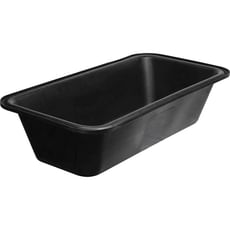
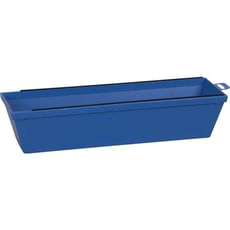
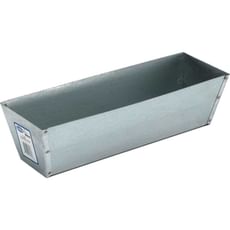
Material Construction: Galvanised steel baths, such as the Marshalltown M813, offer maximum durability and longevity, ideal for daily professional use and heavy site work. They resist warping, withstand rough handling, and provide stability during vigorous hand mixing. Plastic alternatives, including the Marshalltown M814 Plastic Plasters Pan, deliver significant weight savings for tradespeople who regularly transport equipment between jobs, whilst maintaining good chemical resistance and easier cleaning properties. The Faithfull Plasterers Bath, manufactured from heavy-duty polyethylene, is virtually unbreakable and won't rot or rust. Stainless steel options like the Stanley Mud Pan combine rust-proof performance with easy maintenance, perfect for fine plastering and finishing work.
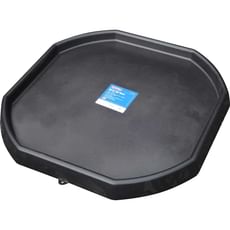
Size and Capacity: Consider the scale of your typical projects carefully. Large plasterers baths accommodate substantial volumes for major contracts where you're mixing considerable quantities throughout the day, reducing the frequency of batch preparation. Compact mud pans excel at patch repairs, detailing work, and situations where you're working from a hawk at height. The Faithfull Octagonal Spot Mortar Mixing Board provides sufficient capacity for bricklaying batches without the bulk of full-size baths, whilst its 1m² surface area prevents spillage and keeps worksites clean.
Portability Requirements: If you regularly move between sites or work at height on scaffolding, lighter plastic models significantly reduce physical fatigue and improve manoeuvrability. For static site work, workshop use, or situations where equipment remains in one location, heavier galvanised options provide excellent stability during mixing and reduce the risk of tipping during material transfer.
Intended Materials: All products stocked by Tooled-Up handle standard plasters, renders, and mortars effectively, but consider the abrasiveness and chemical composition of your typical materials. Cement-heavy mixes and aggressive compounds benefit from galvanised or stainless steel construction for extended service life, whilst gypsum-based plasters work equally well in quality plastic containers.
Cleaning and Maintenance: Smooth-finished pans and baths release dried material more readily than rough or pitted surfaces, saving valuable time on site between mixes. Stainless steel and quality polyethylene finishes facilitate easier cleaning and reduce the build-up of residual material that can contaminate subsequent batches. The Faithfull Mortar Mixing Board includes an integral hanging hook for convenient storage and proper drying between uses.
Popular Accessories
- Plastering Trowels: Essential application tools available in various sizes from brands like Marshalltown and Stanley for finishing work
- Hawks: Used in conjunction with mud pans to hold material at comfortable working height, reducing back strain during application
- Mixing Paddles and Stirrers: Drill attachments for mechanical mixing in baths, available from DeWalt and other professional power tool manufacturers
- Buckets and Measuring Containers: For accurate water measurement and material batching, ensuring consistent mix ratios
- Cleaning Brushes and Scrapers: Maintain equipment condition, prevent material contamination, and extend service life significantly
- Dust Sheets and Site Protection: Protect surrounding areas during mixing and application, particularly important for occupied properties
- Work Platforms and Hop-Ups: Provide safe, stable access when working at height with materials and equipment
- Hand Tools: Including floats, sponges, finishing tools, and edging equipment from Stanley and Faithfull for complete plastering systems
- Water Brushes: For dampening surfaces before application and cleaning tools between uses
Frequently Asked Questions
What's the difference between a plasterers bath and a mud pan?
A plasterers bath is a large-capacity container designed for mixing and holding substantial volumes of material, typically measuring 600mm or more in length and capable of holding multiple bags of plaster. A mud pan is a smaller, handheld trough specifically designed for holding ready-mixed compound whilst actively working, allowing you to easily load material onto your hawk or trowel without returning to the main mixing bath. Most professional plasterers use both: the bath for initial mixing and bulk holding, and the pan for active working at the wall or ceiling. This combination improves efficiency and reduces physical strain during extended plastering sessions.
Can I mix plaster directly in a plastic bath?
Yes, quality plastic plasterers baths from brands like Marshalltown and Faithfull are specifically engineered for mixing plaster and other cement-based materials. They're chemical-resistant and robust enough for hand mixing or use with paddle mixers on appropriate speeds. The Faithfull Plasterers Bath, for example, is manufactured from heavy-duty polyethylene that's virtually unbreakable and won't crack under normal site conditions. However, always check the manufacturer's guidelines regarding mechanical mixing, and avoid excessively aggressive mixing techniques or high-speed paddle attachments that might stress the material. For very large volumes or continuous heavy-duty mixing, galvanised steel alternatives offer additional durability.
How do I prevent materials from sticking to my bath or pan?
Clean equipment thoroughly immediately after use, before materials fully cure into hardened deposits. For ongoing jobs with multiple batches, keep a thin film of water in the bottom of baths between mixes to prevent drying. Some experienced tradespeople lightly dampen the surface before adding fresh material to reduce initial adhesion. Regular, consistent cleaning prevents build-up that creates rough, pitted surfaces where new material adheres more stubbornly. Stainless steel pans like the Stanley Mud Pan and smooth polyethylene finishes naturally release material more easily than corroded or damaged surfaces. Never use metal scrapers aggressively on plastic equipment, as scratches create adhesion points for subsequent mixes.
Are galvanised baths better than plastic ones?
Both materials offer distinct advantages for different working situations. Galvanised steel baths, such as the Marshalltown M813, provide superior durability, exceptional resistance to physical damage from dropped tools or rough site handling, and typically longer service life in demanding professional environments. They're ideal for contractors working from fixed locations, established site compounds, or van-based operations where weight isn't the primary concern. Plastic baths excel in portability, being significantly lighter to transport between sites or carry to upper floors, and they won't rust or corrode even when stored outdoors. For mobile tradespeople, those working regularly at height, or one-person operations where equipment handling matters, plastic models reduce fatigue whilst delivering professional performance. Consider your typical working patterns and transport arrangements when choosing.
What size mortar board do I need for bricklaying?
Most bricklayers work effectively with boards between 600mm and 900mm square, which provides sufficient capacity for workable mortar batches whilst remaining manageable to position near the work area and move as laying progresses. The Faithfull Mortar Mixing Board offers a practical 1m² surface area for general bricklaying work, accommodating typical batch sizes without excessive bulk. Consider your usual batch sizes, available space on scaffolding or beside walls, and the physical ease of repositioning when selecting. Larger boards aren't always advantageous if they become cumbersome to manoeuvre or won't fit comfortably on working platforms. The octagonal design of boards like the Faithfull model restricts spillage effectively and prevents unsightly cement stains on driveways and lawns, keeping residential job sites presentable.