
Battery Packs & Chargers

Pay in 3 interest-free payments on purchases from £20-£3000 with  . Learn more.


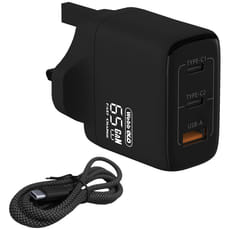
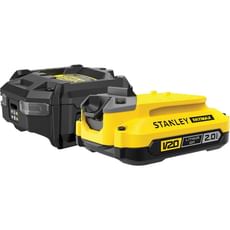
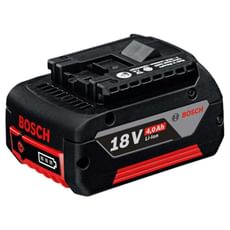
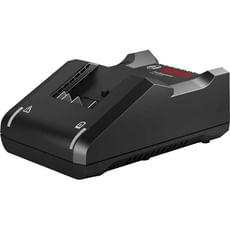
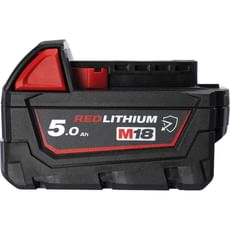
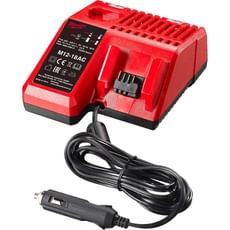
Loading...
End of content
Error - No more pages to load
About Battery Packs & Chargers
Battery packs and chargers represent the beating heart of modern cordless tool systems, providing the freedom to work anywhere without the limitations of mains cables and extension leads. Whether you're a professional tradesperson working across multiple sites or a DIY enthusiast tackling weekend projects, having reliable power on demand transforms productivity and convenience. Tooled-Up.com stocks an extensive selection of replacement battery packs and chargers compatible with all major power tool platforms, including DeWalt, Makita, Milwaukee, Bosch Professional and Green ranges, Ryobi, Festool, and many others. From compact 2.0Ah batteries for light-duty tasks to hefty 9.0Ah powerhouses for demanding applications, the range covers every voltage and capacity requirement.
Modern lithium-ion technology has revolutionised cordless power, delivering exceptional energy density, minimal self-discharge, and consistent performance throughout the discharge cycle. Unlike older nickel-cadmium batteries that suffered from memory effect and rapid voltage drop-off, today's Li-ion packs maintain steady power output until nearly depleted, then shut down cleanly to protect the cells. High-capacity batteries allow full working days without interruption, whilst intelligent charging systems monitor temperature, voltage, and current to maximise lifespan and prevent damage. Many manufacturers now offer unified battery platforms where a single system powers entire tool families—from compact drills to hungry circular saws—making it economically sensible to expand your cordless collection within one ecosystem.
Strategic battery management separates efficient tradespeople from those constantly waiting for power. Having multiple charged batteries ready, combined with fast-charging technology that can replenish packs in 20-40 minutes, ensures continuous workflow even during intensive tasks. Multi-bay charging stations available from Tooled-Up allow simultaneous charging of multiple batteries, essential for busy sites where downtime equals lost revenue. Whether you need a direct replacement for a worn-out battery, additional capacity for extended runtime, or an upgrade to the latest fast-charging technology, choosing the right combination of batteries and chargers tailored to your working patterns pays dividends in productivity.
Jargon Buster
- Ampere-hour (Ah): The capacity rating indicating how much electrical charge a battery can store. A 5.0Ah battery holds more energy than a 2.0Ah battery of the same voltage, providing longer runtime between charges. Higher capacity generally means heavier weight, so balance runtime needs against comfort for extended handheld use.
- Voltage (V): The electrical potential of the battery system, ranging from 10.8V for compact tools up to 54V for heavy-duty applications. Common professional platforms operate at 18V (often marketed as 20V Max in some regions), offering the best balance of power, weight, and tool compatibility across diverse applications.
- Lithium-ion (Li-ion): The dominant rechargeable battery chemistry in modern power tools, offering excellent energy-to-weight ratio, negligible self-discharge when stored, and no memory effect requiring full discharge cycles. Li-ion cells deliver consistent voltage output throughout use and typically last 500-1000 charge cycles with proper care.
- Fast Charger: A charging unit incorporating cooling fans and advanced circuitry to replenish batteries at accelerated rates, often achieving 80% charge in 30 minutes or less. Fast chargers actively manage cell temperature to prevent heat damage whilst maintaining rapid charging speeds, essential for professional productivity.
- Battery Platform: A manufacturer's standardised battery system designed for cross-compatibility across multiple tools within the same voltage family. Examples include Makita LXT (18V), DeWalt XR FlexVolt, Milwaukee M18, and Bosch Professional 18V, allowing investment in batteries that power your entire cordless toolkit.
- Battery Management System (BMS): Sophisticated electronic circuitry built into quality battery packs that continuously monitors individual cell conditions, preventing overcharging, deep discharge below safe thresholds, and overheating. The BMS significantly extends battery lifespan by protecting cells from conditions that accelerate degradation.
Who Uses Battery Packs & Chargers?
Battery packs and chargers are indispensable tools across numerous trades and applications:
- Electricians and Sparkies: Requiring cordless reliability for installations in properties without power or when cable management would prove impractical during first-fix work
- Carpenters and Chippies: Demanding high-capacity batteries to drive impact drivers, circular saws, and nailers continuously throughout intensive framing and finishing work
- Plumbers and Heating Engineers: Relying on portable power for pipework installations in confined spaces where trailing mains cables creates hazards
- Construction Workers and General Builders: Needing multiple charged batteries to maintain workflow across varied tasks on busy sites without convenient 240v access
- Roofers and Scaffolders: Working at height where mains power is unavailable and lightweight cordless solutions enhance safety and manoeuvrability
- Landscapers and Groundworkers: Operating cordless garden equipment, hedge trimmers, and outdoor power tools across expansive sites far from electricity supply
- Maintenance Engineers and Facilities Managers: Requiring versatile cordless solutions for responsive repairs and installations throughout commercial properties
- Automotive Technicians and Mechanics: Using high-torque cordless impact wrenches and other tools requiring portable power sources in workshops and mobile applications
- Shopfitters and Installers: Working in retail units and commercial spaces during hours when mains power may be restricted or unavailable
- DIY Enthusiasts and Home Improvers: Building cordless tool collections for domestic projects without the inconvenience and hazards of extension leads
How to Choose the Right Battery Packs & Chargers
Platform Compatibility: The paramount consideration is ensuring your battery and charger precisely match your existing tool platform. Battery systems are manufacturer-specific and voltage-specific—a Makita 18V LXT battery won't physically fit DeWalt tools, and mixing platforms voids warranties. Always verify compatibility with your specific tool model numbers before purchasing, checking for platform markings like "XR", "LXT", "M18", or "Professional 18V".
Capacity Selection: Match battery capacity to your typical applications. Light-duty work such as drilling pilot holes or driving fixings works perfectly with 2.0-3.0Ah batteries, keeping weight minimal for overhead work and extended handheld use. For demanding tools like circular saws, angle grinders, or all-day site work, invest in 4.0-6.0Ah or higher capacity packs that deliver extended runtime without constant charging interruptions. Remember that higher capacity adds weight—a 9.0Ah battery might provide impressive runtime but becomes tiring in a compact drill used overhead.
Charging Speed Requirements: Standard chargers typically require 60-90 minutes for full replenishment, adequate for DIY users with spare time between sessions. Professional tradespeople benefit significantly from fast chargers achieving 80% charge in 20-40 minutes, dramatically reducing downtime. Multi-bay charging stations allow simultaneous charging of four, six, or eight batteries, ensuring fresh power is always available during intensive work periods. Consider your working patterns—site electricians visiting multiple properties daily need faster turnaround than workshop-based users.
Battery Quantity: Professional users should maintain at least three batteries per frequently used tool: one in the tool, one charging, and one fully charged as backup. This rotation system guarantees uninterrupted workflow on site. For particularly demanding tools like large grinders or reciprocating saws that drain batteries quickly, consider four or five batteries to maintain continuous operation during time-critical tasks.
Technology Generation: If you're using an older cordless platform, investigate whether newer, higher-capacity batteries offer backwards compatibility with your tools. Many manufacturers maintain compatibility across generations, allowing you to benefit from improved cell technology and capacity even with older tools. Some newer batteries also feature improved electronics for better communication with tools, optimising performance and runtime.
Genuine vs Compatible Options: Genuine manufacturer batteries and chargers guarantee compatibility, performance specifications, and warranty protection for your tools. Quality third-party alternatives from reputable suppliers can offer value, particularly for occasional users, but ensure they carry proper UK safety certifications (CE marking, BS/EN standards). Avoid cheap unbranded imports lacking safety features—these may damage expensive tools, deliver poor performance, void warranties, or pose fire risks during charging.
Future-Proofing: Consider manufacturers offering multi-voltage platforms or backwards-compatible systems that allow battery investment to support future tool purchases. Some systems like DeWalt FlexVolt automatically adjust voltage depending on the tool, providing exceptional flexibility across voltage ranges with a single battery type.
Popular Accessories
- Multi-Bay Charging Stations: Charge four, six, or eight batteries simultaneously on busy sites, ensuring continuous power availability for teams
- Battery Belt Clips and Holsters: Keep spare batteries readily accessible whilst working at height or moving between tasks without returning to tool bags
- USB Charging Adaptors: Transform your tool batteries into power banks for charging mobile phones, tablets, and site radios during breaks
- DC Power Adaptors: Convert cordless tools to run directly from 12V vehicle batteries for extended remote work away from mains electricity
- Battery Storage Cases: Protect batteries during van transport and keep them organised in workshop storage, preventing terminal damage and short circuits
- Mains Power Adaptors: Enable cordless tools to run from 240v mains electricity when batteries are depleted or for stationary workshop applications
- Tool Battery Convertor Adaptors: Allow batteries from one brand to power tools from another manufacturer (use cautiously regarding warranty implications)
- Battery Testers and Fuel Gauges: Quickly check remaining charge levels across multiple batteries to prioritise charging sequence efficiently
- Replacement Charger Cables: Keep spare charging leads to maintain charging capability if cables become damaged on site
Safety Information
Charging Safety: Always charge batteries in well-ventilated areas away from flammable materials, never on vehicle seats in direct sunlight where excessive heat can accumulate. Only use chargers specifically designed for your battery type—incorrect charging can cause dangerous overheating or even fire. Avoid leaving batteries charging unattended overnight or when you leave the property. If a charger feels excessively hot or emits unusual odours, disconnect immediately and allow it to cool before investigation.
Storage Guidelines: Store lithium-ion batteries at approximately 40-60% charge in cool, dry conditions when not in regular use. Extreme temperatures—both hot and cold—accelerate degradation and reduce lifespan. Never store batteries in metal containers where terminals could short circuit against conductive surfaces. During winter, avoid leaving batteries in unheated vans overnight, as extreme cold reduces available capacity and can damage cells.
Physical Damage Inspection: Regularly inspect batteries for cracks, swelling, dents, or damage to terminals. Damaged lithium-ion cells present serious safety risks and should be removed from service immediately. Dispose of damaged batteries properly at designated recycling centres—never throw batteries in general waste bins. If a battery becomes excessively hot during use or charging, swells, or emits odours, discontinue use immediately and isolate it in a safe location away from combustible materials.
Electrical Standards: Ensure chargers are suitable for UK 240v mains supply and feature proper safety certifications including CE marking and compliance with BS/EN standards. Never use damaged chargers or those with frayed mains cables, and avoid modifying charging equipment. The Health and Safety Executive (HSE) provides comprehensive guidance on safe use of electrical equipment in work environments, particularly relevant for construction sites and trade applications.
Water and Moisture: Whilst many modern batteries feature some weather resistance, never deliberately expose batteries or chargers to rain or moisture. Water ingress can cause short circuits and corrosion. If batteries do get wet, allow them to dry completely in a warm environment before attempting to charge or use. Never charge visibly wet batteries.
Transportation: When transporting batteries, particularly on commercial flights or courier services, be aware that lithium-ion batteries are classified as dangerous goods and subject to specific regulations. Most courier services have restrictions on battery capacity that can be shipped, and airlines typically prohibit lithium batteries in checked luggage.
Frequently Asked Questions
Can I use higher capacity batteries in my older cordless tools?
In most cases, yes—provided the voltage and battery platform match exactly. For example, a 5.0Ah Makita LXT battery will fit and work in tools originally supplied with 3.0Ah batteries, giving you substantially longer runtime. However, the tool won't necessarily perform better or deliver more power, it will simply run for longer between charges. Some very old tool models may not communicate properly with newer battery electronics, so always check manufacturer compatibility charts to be certain before purchasing.
Why has my battery runtime decreased significantly over time?
Lithium-ion batteries naturally degrade with use and age, typically losing around 20% capacity after 500-1000 charge cycles depending on usage patterns. Several factors accelerate degradation: frequent complete discharge to empty, exposure to temperature extremes (particularly heat), leaving batteries fully charged for extended periods, and physical stress from drops or impacts. Proper care can extend lifespan considerably, but eventually all rechargeable batteries require replacement as their chemistry degrades irreversibly.
Is it better to buy genuine manufacturer batteries or compatible alternatives?
Genuine batteries guarantee compatibility, specified performance, and full warranty protection for your tools. Quality third-party alternatives from reputable suppliers can offer reasonable value for occasional users, but cheap unbranded batteries frequently lack proper safety features, deliver disappointing performance, fail prematurely, and potentially void tool warranties if they cause damage. For professional use where reliability and safety are paramount, genuine batteries represent the safer investment despite higher initial cost.
How should I maintain my batteries for longest lifespan?
Store batteries at moderate room temperature with partial charge (40-60%) rather than fully charged or completely flat for extended periods. Avoid exposing them to temperature extremes, whether in cold vans overnight or hot vehicle boots during summer. Use batteries in regular rotation rather than leaving some unused for months whilst others are cycled heavily. Clean terminals occasionally with a dry cloth to maintain good electrical contact. Avoid dropping batteries or subjecting them to impacts that can damage internal cells.
Can I leave my battery on the charger permanently?
Modern intelligent chargers typically switch to maintenance or trickle mode once batteries reach full charge, so occasional overnight charging won't cause immediate harm. However, leaving batteries on chargers continuously for days or weeks accelerates degradation and reduces overall lifespan. Best practice is to remove batteries once the charger indicates they're fully charged, typically shown by a solid green light or cessation of cooling fan operation.
Why won't my battery charge, or why does it stop charging quickly?
Several issues can prevent charging: extremely cold or hot battery temperature (most chargers won't charge outside 5-40°C range), dirty or corroded terminals preventing electrical contact, completely depleted battery below minimum voltage threshold, or end-of-life battery that can no longer accept charge. Try cleaning terminals with a dry cloth, allowing the battery to reach room temperature, and attempting to charge again. If problems persist, the battery may have reached the end of its serviceable life or the charger may be faulty.