

Bead & Reed Bits
Pay in 3 interest-free payments on purchases from £30-2000 with  . Learn more.
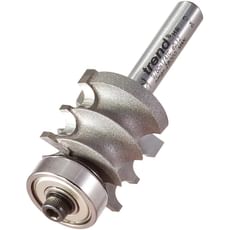
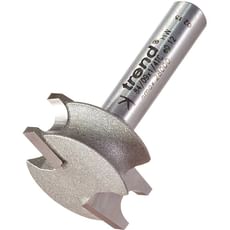
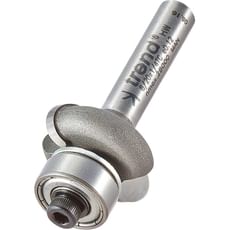
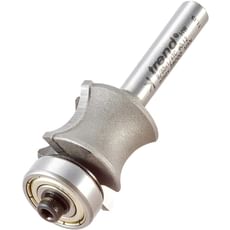
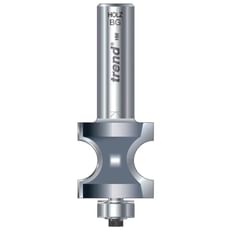
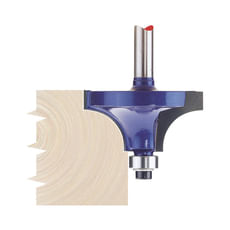
 Loading...
End of content
Error - No more pages to load
About Bead & Reed Bits
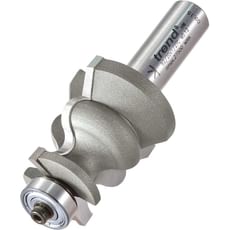
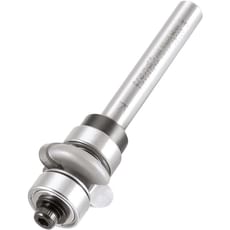
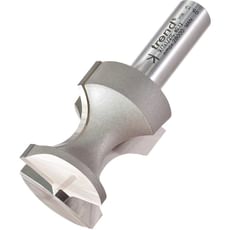
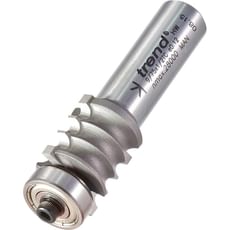
Bead and reed router bits are precision profiling cutters designed to create decorative mouldings and elegant architectural details on timber. These bearing-guided bits produce classic profiles ranging from simple rounded beads to intricate multi-reed designs, making them indispensable for cabinetmakers, joiners, and restoration specialists working on both period and contemporary woodworking projects. Whether you're machining skirting boards, architraves, door frames, or creating bespoke furniture components, these tungsten carbide tipped cutters deliver crisp, professional profiles with remarkable consistency.
The selection at Tooled-Up.com features premium bead and reed router bits from industry-leading manufacturers including Trend and Draper, offering comprehensive profile options to suit diverse applications. From corner beads and sunk beads to staff beads and dual bead designs, these bearing-guided cutters ensure accurate tracking along workpiece edges and templates. Available in standard UK shank sizes—typically 6.35mm (1/4") and 12.7mm (1/2")—these TCT bits maintain sharp cutting edges through extensive use, producing clean, tear-out-free results on both hardwoods and softwoods.
Modern bead and reed bits combine traditional decorative profiles with contemporary manufacturing precision, featuring high-quality sealed bearings for smooth operation and extended tool life. These versatile cutters perform equally well in handheld routers and router tables, making them invaluable for both on-site carpentry and workshop joinery. From radius sunk beads for panelled doors to staff nosing beads for staircase renovation, this specialist tooling provides everything needed for authentic period restoration, fine furniture making, and architectural millwork.
Jargon Buster
- Bead Profile: A semi-circular or rounded decorative detail cut into timber edges or surfaces, creating shadow lines and visual interest commonly found in traditional joinery and period architecture.
- Reed Profile: Multiple parallel beads arranged side-by-side to create a fluted or reeded effect, frequently used on pilasters, furniture legs, columns, and decorative mouldings for classical detailing.
- Bearing Guided: Router bits featuring a precision bearing that runs against the workpiece edge or template, controlling cutting depth and ensuring consistent profile width without requiring fence adjustments.
- Sunk Bead: A bead profile that sits recessed below the surrounding timber surface rather than proud of it, creating elegant decorative details typically found on door panels, drawer fronts, and wainscoting.
- Staff Bead: A specific quarter-round or stepped profile traditionally used in sash window construction and door frames, featuring distinctive proportions suited to holding glazing and creating period-appropriate detailing.
- TCT (Tungsten Carbide Tipped): Router bits with cutting edges manufactured from extremely hard tungsten carbide material, providing superior edge retention, longevity, and cutting performance compared to high-speed steel alternatives.
Who Uses Bead & Reed Bits?
- Joiners and Cabinetmakers: Creating decorative profiles on bespoke furniture, fitted kitchens, wardrobes, and high-end joinery projects requiring traditional or contemporary detailing.
- Carpenters and Chippies: Installing skirting boards, architraves, door frames, and decorative trim work with period-appropriate or modern profiles for residential and commercial properties.
- Restoration Specialists: Matching existing mouldings and profiles in listed buildings, heritage properties, and conservation projects where authentic reproduction is essential.
- Shopfitters: Producing decorative trim work, panelling, and architectural details for retail interiors, commercial fit-outs, and hospitality environments.
- Staircase Manufacturers: Machining handrails, newel posts, balusters, and balustrade components with traditional or contemporary profiles for bespoke staircases.
- Window and Door Manufacturers: Creating staff beads, glazing bars, and decorative details for timber joinery products including sash windows and hardwood doors.
- Serious DIY Enthusiasts: Adding professional finishing touches to home improvement projects, furniture making, and restoration work requiring precision profiling capabilities.
How to Choose the Right Bead & Reed Bits
Profile Type: Consider the aesthetic you're aiming to achieve. Simple corner beads suit contemporary designs, whilst multi-reed and staff bead profiles are ideal for period restoration and traditional joinery. Sunk beads work beautifully on panel doors and drawer fronts, whilst radius sunk beads provide softer, more subtle decorative detailing.
Shank Diameter: Match the shank size to your router collet—typically 6.35mm (1/4") or 12.7mm (1/2") in UK routers. Larger diameter shanks provide superior stability and reduced vibration, particularly important when routing hardwoods or working with larger profile cutters that demand greater rigidity.
Bearing Quality: High-quality sealed bearings ensure smooth operation, accurate tracking, and extended service life. Verify that the bearing diameter is appropriate for your intended application, as different profiles require specific bearing sizes to achieve correct cutting depth and detail placement.
Cutter Diameter and Cutting Depth: Ensure the profile dimensions suit your workpiece thickness and design requirements. Larger profile cutters may require multiple passes or a more powerful router to achieve clean cuts without burning, chatter, or excessive strain on the motor.
Material Compatibility: Premium TCT cutters from brands like Trend handle both softwoods and hardwoods effectively, delivering clean cuts across various timber species. Consider the materials you'll typically work with—exotic hardwoods and abrasive timbers demand the highest quality carbide for clean, tear-out-free results.
Budget and Usage Frequency: Professional tradespeople benefit from investing in premium Trend cutters with superior carbide quality, precision grinding, and tighter tolerances. For occasional DIY use, mid-range options like Draper provide excellent value whilst maintaining good performance standards and durability.
Popular Accessories
- Router Tables: Essential for controlled, repeatable profiling work, particularly when machining smaller components or creating consistent decorative details across multiple pieces safely and accurately.
- Routers: Quality plunge and fixed-base routers from Makita, DeWalt, Bosch, and Festool provide the power, speed control, and precision needed for clean profile cutting in various timber species.
- Guide Bushes and Templates: Useful for creating consistent stopped profiles, following curved work, and maintaining accuracy when combined with bearing-guided cutters on complex joinery projects.
- Router Bit Storage Cases: Protect expensive TCT cutters from damage, prevent bearing contamination, and keep your collection organised with dedicated storage solutions featuring foam inserts.
- Replacement Bearing Sets: Different diameter bearings allow you to modify cutting depths and adapt profiles to various applications, extending the versatility of individual router bits.
- Dust Extraction Equipment: Essential for maintaining visibility, protecting respiratory health, and complying with COSHH regulations when routing timber, particularly important during extended site work or workshop sessions.
- Router Bit Cleaning Products: Specialist resin removers and cleaning solutions maintain cutting performance by removing pitch build-up and preserving sharp cutting edges between sharpening services.
Safety Information
Personal Protective Equipment: Always wear appropriate safety glasses or full face shields when routing to protect against flying chips and timber particles. Use hearing protection, as routers operate at high noise levels exceeding 85dB that can cause permanent hearing damage. Dust masks or proper respirators are essential—timber dust is a known carcinogen and falls under COSHH regulations requiring adequate respiratory protection.
Router Operation: Ensure your router is unplugged before changing bits. Always tighten collets securely using proper spanners and verify that cutters are fully seated before operation. Feed workpieces against the direction of cutter rotation to maintain control and prevent dangerous kickback. Never start the router with the bit in contact with the workpiece, as this can cause loss of control.
Workspace Safety: Secure workpieces firmly using clamps, a router table fence, or proper work-holding devices. Maintain a clean, well-lit workspace free from trip hazards and ensure adequate lighting for precision work. Connect routers to dust extraction systems to minimise airborne particles and maintain visibility. Allow router bits to come to a complete stop before setting down the tool or adjusting workpieces.
Bit Condition and Maintenance: Inspect router bits regularly for damage, wear, carbide chipping, or resin build-up. Damaged or blunt cutters are dangerous, produce poor results, and increase the risk of kickback. Clean bits regularly with specialist resin remover and replace any showing signs of cracking, missing carbide, or excessive wear in line with HSE guidelines for powered woodworking equipment and tooling maintenance.
Frequently Asked Questions
What's the difference between a bead and a reed profile?
A bead is typically a single rounded profile cut into timber edges or surfaces, whilst a reed consists of multiple parallel beads creating a fluted or reeded effect. Bead profiles are more commonly used for edges, frames, and panel details, whereas reed profiles often feature on decorative columns, furniture legs, pilasters, and classical architectural elements requiring more elaborate detailing.
Can I use bead and reed bits in a standard power drill?
No, these bearing-guided router bits must only be used in proper routers operating at speeds between 18,000-24,000 RPM. Power drills lack the necessary speed, stability, collet accuracy, and control required for safe and effective profile cutting. Attempting to use router bits in drills is extremely dangerous and can result in serious injury from bit failure or loss of control.
How do I achieve a clean finish without tear-out on difficult grain?
Use sharp, high-quality TCT cutters from Tooled-Up and feed the workpiece steadily against the cutter rotation at a consistent pace. For difficult grain patterns, take lighter passes and consider climb-cutting the final pass (feeding with the cutter rotation) whilst maintaining extremely firm control. Working from both ends towards the middle helps prevent break-out on cross-grain work, and using a backing board supports fibres during exit cuts.
What router speed should I use for bead and reed profiles?
Most bearing-guided profile cutters work optimally at 18,000-22,000 RPM. Larger diameter cutters may benefit from slightly reduced speeds to prevent burning, particularly when working hardwoods or highly figured timbers. Always consult the manufacturer's recommendations for specific cutter sizes and timber species, starting conservatively and increasing speed only if necessary to achieve clean cuts without scorching.
How long do TCT router bits typically last before needing replacement?
Premium Trend TCT router bits can profile hundreds of metres of timber when properly maintained and used correctly. Lifespan depends significantly on timber hardness, feed rate, routing technique, and whether the cutter contacts abrasive materials or fixings. Regular cleaning with resin remover, proper storage, and professional re-sharpening significantly extends usable life, making quality bits from recognised manufacturers a sound long-term investment for professional tradespeople.