

Bell Pushes

Pay in 3 interest-free payments on purchases from £20-£3000 with  . Learn more.
 Loading...
End of content
Error - No more pages to load
About Bell Pushes
Bell pushes are fundamental electrical accessories that serve as the activation point for wired doorbell and chime systems throughout residential and commercial properties. These compact yet essential devices are mounted at entry points, allowing visitors to announce their arrival by pressing a button that completes a low-voltage circuit to sound an internal chime. Tooled-Up.com stocks quality bell pushes designed to deliver reliable performance in all weather conditions, making them an important element of property security and visitor management.
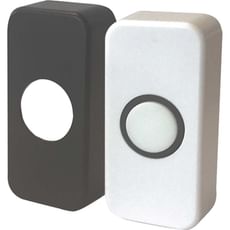
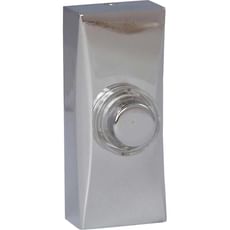
The selection available at Tooled-Up includes bell pushes in various finishes to suit different architectural styles and aesthetic preferences. Chrome options provide a contemporary, professional appearance ideal for modern properties and commercial installations, whilst models with interchangeable black or white covers offer versatility to match existing door furniture and property décor. All bell pushes featured are compatible with standard wired chime systems operating at safe low voltages, typically between 8-12V AC supplied through a doorbell transformer.
Quality bell pushes are engineered to withstand thousands of activations and continuous exposure to British weather conditions. Weatherproof construction protects internal switch mechanisms from moisture, frost, and temperature fluctuations, ensuring consistent operation throughout the year. Modern designs maintain a discreet profile that integrates seamlessly with property façades, whilst illuminated variants enhance visibility during darker months—particularly valuable for properties with recessed doorways or limited exterior lighting.
Jargon Buster
- Wired Chime System: A traditional doorbell configuration where the bell push connects to an internal chime unit via low-voltage electrical wiring, typically operating at 8-12V AC provided by a step-down transformer connected to the 240v mains supply.
- Momentary Switch: The spring-loaded switch mechanism employed in bell pushes that closes the circuit only whilst the button is depressed, automatically returning to the open position when released to prevent continuous chiming.
- Illuminated Push: A bell push incorporating a small LED indicator light that remains constantly visible, powered by the low-voltage chime circuit to aid location during evening hours and poor lighting conditions.
- IP Rating: Ingress Protection rating indicating the degree of protection against solid objects and moisture. Exterior bell pushes require minimum IP44 rating for adequate weather resistance in typical UK conditions, with higher ratings necessary for particularly exposed locations.
- Flush Mount: Installation method where the bell push sits within a recessed mounting box, creating a neat finish with minimal protrusion from the wall surface—ideal for new installations where preparatory work is planned.
- Surface Mount: Installation approach where the bell push unit fixes directly to the wall surface, commonly used for replacement scenarios or retrofit installations where recessing isn't practical or desired.
Who Uses Bell Pushes?
- Electricians and Sparkies: Installing complete doorbell systems during new builds, property renovations, and routine maintenance work
- Property Maintenance Professionals: Replacing failed bell pushes and upgrading existing doorbell installations across residential and commercial estates
- Builders and General Contractors: Completing second-fix electrical installations on construction projects
- Facilities Managers: Maintaining doorbell and visitor notification systems across multiple properties and commercial premises
- Social Housing Providers: Conducting repairs, improvements, and upgrades to tenant properties as part of maintenance programmes
- DIY Enthusiasts: Replacing worn bell pushes and upgrading home doorbell systems as part of property improvement projects
- Landlords and Property Developers: Installing or updating doorbell systems during property refurbishment and lettings preparation
- Shopfitters and Commercial Installers: Fitting bell pushes for staff notification systems and customer alerting in retail and commercial environments
How to Choose the Right Bell Pushes
Location represents the primary consideration when selecting an appropriate bell push. Exterior installations demand weatherproof construction with suitable IP ratings to withstand rain, frost, and the temperature variations characteristic of British weather. Assess the exposure level—sheltered porches may manage with IP44 protection, whilst completely exposed positions benefit from higher ratings. Consider illuminated variants for improved visibility during winter months, particularly valuable for properties set back from streets or those with inadequate entrance lighting.
Finish and styling should harmonise with existing fixtures and architectural character. Chrome bell pushes complement contemporary properties and commercial premises, whilst options with black or white covers suit traditional door furniture or modern minimalist designs. Verify compatibility with your existing wired chime system voltage—most domestic installations operate at 8-12V AC, but checking prevents potential issues.
Installation method depends on your specific circumstances. Surface-mount units offer straightforward fitting for replacement scenarios, requiring only removal of the old bell push and connection of existing wires. Flush-mount installations provide neater, more professional results but require more preparatory work, including mounting box installation. Button size and accessibility merit consideration—larger, well-defined buttons improve usability for elderly visitors or those with reduced dexterity.
Quality and brand reputation influence long-term satisfaction. The Deta Vimark range available from Tooled-Up represents established manufacturing standards, offering reliable performance and durability that reduces premature failure rates and eliminates repeated callouts or replacement work.
Popular Accessories
- Wired Door Chimes: Internal chime units with selectable melodies and adjustable volume settings to complete doorbell systems
- Doorbell Transformers: Step-down transformers providing the correct low-voltage supply for wired chime systems from 240v mains electricity
- Bell Wire: Two-core cable specifically designed for doorbell installations, available in various lengths for different property configurations
- Mounting Boxes: Flush or surface mounting boxes for secure bell push installation and professional finishing
- Weatherproof Covers: Additional protective covers for bell pushes in particularly harsh or exposed environments
- Name Plates and House Numbers: Complementary identification signage often mounted alongside bell pushes at entry points
- Cable Clips and Electrical Tape: For neat, secure wiring installation and professional cable management
- Terminal Connectors: Quality connection accessories ensuring reliable electrical joints in low-voltage circuits
Safety Information
Bell push installation involves working with low-voltage electrical systems, which present minimal shock risk compared to mains voltage work. However, the transformer supplying the bell push must be correctly installed and connected to the 240v mains supply. This aspect requires completion by a qualified electrician or competent person in accordance with BS 7671 (IET Wiring Regulations) and Part P of Building Regulations governing electrical installations in dwellings.
Always isolate the mains power supply at the consumer unit before working on transformers or making any connections to mains circuits. Use a proper voltage tester to confirm the supply is dead before proceeding with any work. The low-voltage side of the system—from bell push to chime—is safe to work on once the transformer is correctly installed, but ensure all connections are secure and properly insulated to prevent short circuits that could cause system failure.
When installing exterior bell pushes, ensure all cable entry points are properly sealed to prevent moisture ingress, which could cause short circuits, corrosion, or premature component failure. Select bell pushes with appropriate IP ratings for external use, and follow manufacturer installation instructions carefully to maintain weatherproof integrity. Check connections periodically as part of routine property maintenance, particularly after severe weather conditions.
Frequently Asked Questions
Can I replace a bell push myself, or do I need an electrician?
Replacing an existing bell push on a functioning low-voltage system is a straightforward DIY task that most homeowners can safely accomplish. The low voltage typically used (8-12V AC) presents minimal shock risk. Simply disconnect the wires from the old unit and connect them to the new bell push terminals, ensuring secure connections. However, if you're installing a completely new system requiring connection to the 240v mains supply via a transformer, you should employ a qualified electrician to ensure compliance with electrical regulations and Part P of Building Regulations.
Why has my bell push stopped working?
Common failure causes include corrosion of internal contacts due to moisture ingress, worn switch mechanisms from repeated use, loose wire connections, or a faulty transformer. Begin troubleshooting by checking the bell push connections, ensuring wires are secure and free from corrosion. If connections appear sound, test the transformer output voltage or temporarily connect the two bell wires together—if the chime sounds, the bell push requires replacement. If there's still no sound, investigate the chime unit or transformer as potential fault sources.
What's the difference between wired and wireless bell pushes?
Wired bell pushes connect to chime units via low-voltage electrical cable, requiring physical wiring but offering completely reliable operation without batteries or signal interference concerns. Wireless bell pushes use radio frequency transmission and require battery power, offering easier installation without running cables but potentially suffering from signal range limitations, interference issues, or battery replacement requirements. This category focuses on wired bell pushes for traditional, dependable chime systems preferred in professional installations.
Do illuminated bell pushes require separate wiring?
No, illuminated bell pushes typically draw power from the same low-voltage supply that operates your chime system. The small LED indicator light uses minimal current and doesn't require additional wiring beyond the standard two-core bell wire. The light remains constantly illuminated (or sometimes pulses gently) to make the button visible in darkness, automatically powered whenever your transformer connects to the mains supply.
How long should a quality bell push last?
A well-manufactured bell push installed in an appropriate location should provide many years of reliable service—often 10-15 years or more. Exterior units in particularly exposed positions may have shorter lifespans due to weathering effects, whilst protected installations can last considerably longer. Premium brands like Deta Vimark engineer their products for durability, incorporating corrosion-resistant materials and robust switch mechanisms designed to withstand thousands of operations whilst maintaining consistent performance throughout their service life.