
Bench Stones

Pay in 3 interest-free payments on purchases from £20-£3000 with  . Learn more.
Loading...
End of content
Error - No more pages to load
About Bench Stones
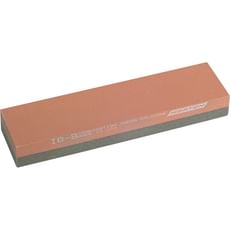
Bench stones are fundamental sharpening tools used by tradespeople and woodworking enthusiasts to restore and maintain the cutting edges of chisels, plane blades, knives, and other edged hand tools. These flat, rectangular blocks of abrasive material sit securely on a workbench whilst you draw the tool blade across their surface at a controlled angle, removing microscopic amounts of metal to create a keen, precise edge. Available in various grit grades and abrasive materials—from coarse stones for remedial work to fine finishing stones for razor-sharp edges—bench stones deliver the edge geometry that professional results demand.
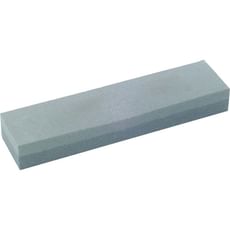
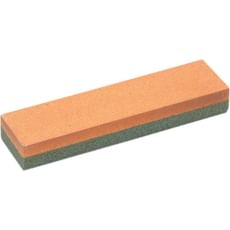
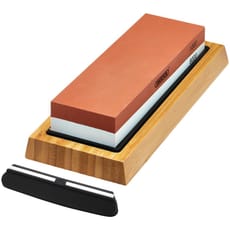
Most bench stones fall into two main categories: oilstones and waterstones, with oilstones being the traditional choice in British workshops. Oilstones use petroleum-based honing oil as a lubricant to carry away metal particles and prevent the stone's pores from clogging during use. Popular materials include natural Arkansas stone (prized for its fine, polished finish), India stone made from aluminium oxide (offering excellent all-round performance), and silicon carbide stones (which cut faster but wear more quickly). Many bench stones are supplied as combination stones, featuring different grit grades on each face—typically a coarser grade for initial sharpening and a finer grade for honing and polishing the edge to a professional finish.
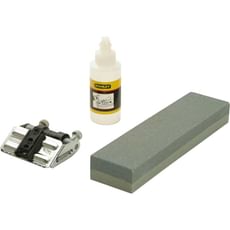
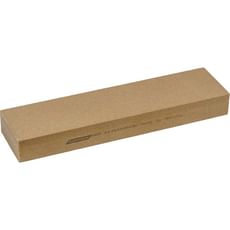
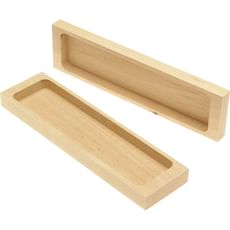
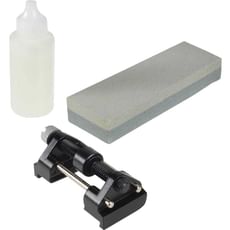
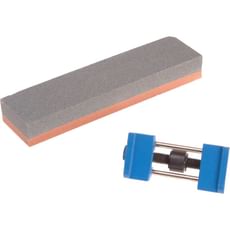
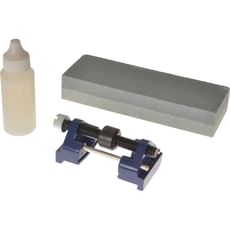
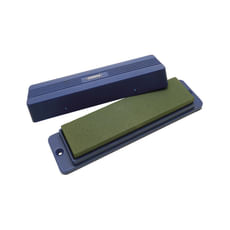
Quality bench stones from manufacturers like Faithfull, Norton, Draper, Stanley, and Trend often come supplied in protective boxes that double as non-slip bases during use, preventing the stone from sliding on the bench surface. Complete sharpening kits available from Tooled-Up.com may also include honing guides—invaluable devices that clamp onto the tool blade and maintain a consistent bevel angle throughout the sharpening process, ensuring excellent results even for those less experienced with freehand sharpening techniques. These starter kits provide everything needed to begin maintaining sharp, efficient tools immediately.
Jargon Buster
- Grit Grade: The measure of abrasive particle size on the stone's surface. Lower numbers (100-400) indicate coarse grits for heavy material removal and reshaping damaged edges, whilst higher numbers (800-6000) represent fine grits for honing and polishing to a razor-sharp finish.
- Oilstone: A bench stone designed to be used with honing oil as a lubricant. Common types include India stones (aluminium oxide), Crystolon stones (silicon carbide), and natural Arkansas stones. These stones cut more slowly than waterstones but are extremely durable and remain the most popular choice in UK workshops.
- Combination Stone: A bench stone with different grit grades bonded to opposite faces, typically offering both coarse and fine surfaces in a single unit. This provides excellent value and convenience for regular tool maintenance without needing multiple separate stones.
- Honing Guide: A mechanical jig that holds chisel or plane blades at a precise, consistent angle against the sharpening stone. Essential for beginners and useful for experienced users when accuracy is critical for maintaining correct bevel angles.
- India Stone: Norton's trade name for their aluminium oxide bench stones, manufactured in the USA but widely available throughout the UK. These mid-range stones offer an excellent balance of cutting speed, durability, and affordability for general workshop use.
- Silicon Carbide: A synthetic abrasive material that cuts faster than aluminium oxide, making it ideal for initial sharpening of very dull tools or working with harder tool steels. Silicon carbide stones wear more quickly but excel at rapid material removal.
Who Uses Bench Stones?
- Carpenters and joiners maintaining chisels, plane blades, and marking knives for precision woodworking and joinery
- Cabinetmakers requiring razor-sharp tools for fine furniture work, veneering, and intricate joinery techniques
- Site carpenters keeping site chisels and hand tools sharp for first and second fix carpentry work
- Woodturners sharpening bowl gouges, spindle gouges, scrapers, and specialist turning tools
- Kitchen fitters maintaining scribing tools, hand planes, and chisels for worktop installation and fitting
- Boat builders sharpening spokeshaves, drawknives, and specialist marine woodworking tools
- Stone masons maintaining stone carving chisels, masonry tools, and lettering chisels
- General maintenance teams in workshops, schools, facilities management, and heritage properties
- DIY enthusiasts committed to proper tool care and achieving professional-quality woodworking results
- Allotment holders and gardeners sharpening garden knives, pruning tools, hoes, and billhooks
- Furniture restorers maintaining traditional hand tools for period-appropriate restoration work
How to Choose the Right Bench Stones
Stone Material: Aluminium oxide (India stones) offers the best all-round performance for general workshop use, providing good cutting speed and durability at reasonable cost. Silicon carbide stones cut faster but wear more quickly, making them suitable for heavy sharpening tasks or tackling very dull tools. Natural Arkansas stones are prized by woodworking specialists for their fine, polished finish but command premium prices. Consider your typical sharpening requirements when selecting abrasive material.
Grit Selection: For general tool maintenance, a combination stone with medium (220-400) and fine (800-1000) faces provides the most versatility in a single unit. If you regularly work with damaged or extremely dull tools, consider adding a separate coarse stone (100-220 grit) to your toolkit. Professionals seeking mirror-polished edges for fine woodworking may also want an extra-fine finishing stone (3000+ grit) for the final honing stage.
Stone Size: Larger stones (200mm x 50mm or bigger) offer more usable surface area and work better for plane blades, wider chisels, and tools requiring longer sharpening strokes. Smaller stones are adequate for occasional use and narrow chisels but can prove frustrating when sharpening wider blades or maintaining multiple tools. Consider the dimensions of your most commonly used tools when selecting appropriate stone size.
Complete Kits vs Individual Stones: Starter kits from brands like Faithfull, Roughneck, Stanley, and Marples typically include a combination stone, honing guide, and honing oil—providing everything needed to begin sharpening immediately at excellent value. The range at Tooled-Up includes comprehensive kits ideal for those new to tool sharpening. Experienced users may prefer to select individual components tailored to their specific requirements and existing toolkit.
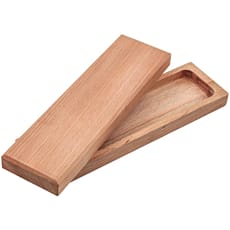
Storage and Protection: Stones supplied in wooden or plastic boxes benefit from better protection against workshop knocks, contamination from dust, and metal filings. The box typically serves as a stable, non-slip base during use, preventing the stone from sliding on the bench surface and improving control during sharpening operations. Draper's impact-resistant plastic boxes offer particularly robust protection for site work and mobile toolkits.
Popular Accessories
- Honing Oil: Specialist petroleum-based lubricant that prevents metal particles from clogging the stone's surface whilst providing smooth sharpening action and better cutting performance
- Honing Guides: Available in various designs from basic roller types to precision engineering models, essential for maintaining consistent bevel angles on chisels and plane blades
- Stone Storage Boxes: Protective cases that keep stones clean, prevent workshop contamination, and provide non-slip bases during sharpening operations
- Slipstones: Smaller shaped stones for sharpening gouges, carving tools, V-tools, and internal cutting edges that cannot be sharpened on flat bench stones
- Diamond Flattening Plates: Used to maintain perfectly flat surfaces on bench stones as they wear through regular use, essential for preventing hollow grinding
- Leather Strops: For final polishing and removing any wire edge after sharpening on bench stones, typically used with stropping compound
- Workshop Magnifying Glass: Useful for inspecting edge sharpness, checking for remaining damage, and verifying complete wire edge removal
- Tool Rests and Angle Gauges: Help establish and verify correct sharpening angles for different tools and applications
Frequently Asked Questions
Do I need to use oil with my bench stone?
Yes, if you have an oilstone (the most common type in the UK). Apply a thin layer of proper honing oil before use to lubricate the surface and carry away metal particles, preventing the stone's pores from clogging. Never use motor oil, 3-in-1 oil, or general lubricants, as these contain additives that can contaminate and permanently clog the stone. Some modern synthetic stones can be used dry, but always check the manufacturer's recommendations supplied with your specific stone.
What's the difference between a coarse and fine grit stone?
Coarse grits (100-400) remove metal quickly and are used for repairing damaged edges, reshaping bevels, or tackling very dull tools that have lost their edge completely. Fine grits (800-6000) remove material slowly but create smoother, sharper edges suitable for precision cutting and clean shearing action. Most users need both: coarse for remedial work and restoring neglected tools, and fine for regular maintenance sharpening between major resharpening sessions.
How do I know when my chisel is sharp enough?
A properly sharpened edge should easily cut paper held freely in your hand, slice cleanly through end grain without crushing fibres, and reflect no light when viewed directly under a bright lamp—a dull edge shows a bright line where the rounded tip catches the light. Many professionals test sharpness by carefully shaving arm hair, though this requires experience to perform safely. For woodworking, the chisel should pare smoothly across the grain without tearing fibres.
Can I sharpen all my tools on the same bench stone?
Yes, bench stones work effectively on most edge tools including chisels, plane blades, knives, spokeshaves, and woodturning gouges. However, avoid using the same stone for metalworking tools, masonry chisels, or garden implements that may contaminate the surface with different materials, grit, or soil. Keep separate stones for woodworking tools and general workshop implements when possible to maintain optimal sharpening performance and prevent cross-contamination.
How long will a bench stone last?
A quality oilstone from manufacturers like Norton, Faithfull, Draper, or Stanley will provide decades of service with proper care and regular cleaning. The stone will gradually wear and may develop slight hollows in heavily used areas, but this is a very slow process with harder stones. Regular cleaning with white spirit or paraffin to remove accumulated swarf, occasional flattening using a diamond plate or dedicated stone flattening tool, and proper storage in a protective box will maximise lifespan and maintain consistent sharpening performance throughout the stone's working life.