

Bent Nose Pliers

Pay in 3 interest-free payments on purchases from £20-£3000 with  . Learn more.
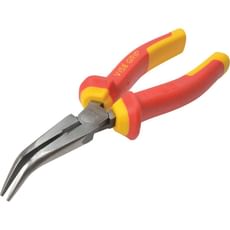
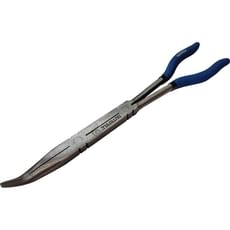
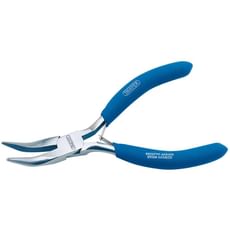
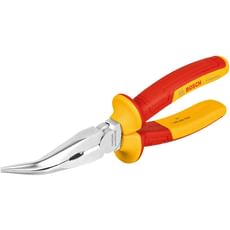
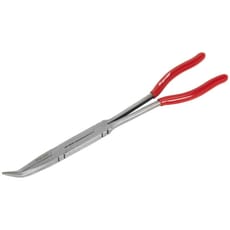
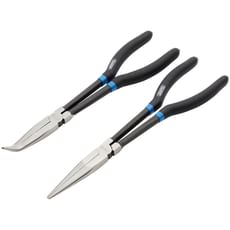
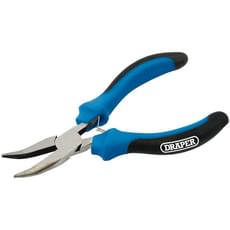
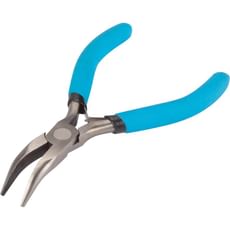
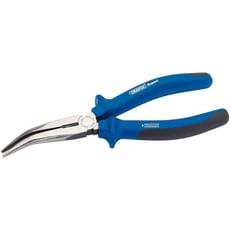
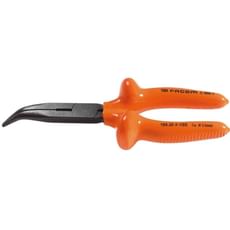
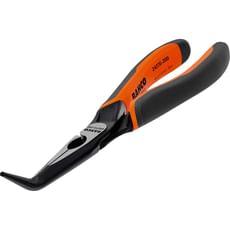
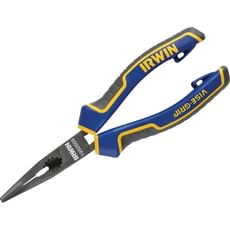
 Loading...
End of content
Error - No more pages to load
About Bent Nose Pliers
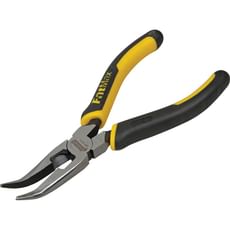
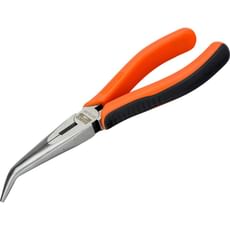
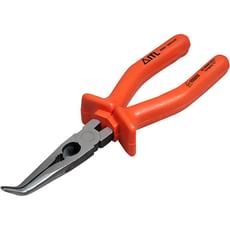
Bent nose pliers are an indispensable precision tool for tradespeople and DIY enthusiasts who regularly work in confined spaces or need to access components at awkward angles. Distinguished by their angled jaw design, these versatile pliers feature tips bent at various angles—typically between 40 and 90 degrees—enabling you to grip, manipulate, and manoeuvre small components where standard straight-nose pliers simply cannot reach. Whether you're installing electrical accessories in tight back boxes, retrieving circlips from deep within engine bays, or handling delicate components on circuit boards, bent nose pliers deliver the access and control required to complete intricate tasks with confidence and precision.
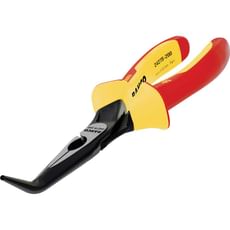
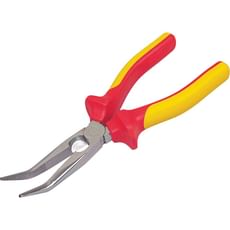
Tooled-Up.com stocks a comprehensive selection from trusted manufacturers including Bahco, Knipex, Draper, Vise-Grip, Stanley, and Bosch Professional, ensuring access to professional-grade tools built to withstand the demands of daily trade use. The range encompasses multiple configurations including standard bent nose designs, long reach variants for deep cavity access, VDE-insulated models certified for live electrical work, and compact mini pliers for ultra-fine applications. Many models feature ergonomic soft-grip handles for enhanced comfort during extended periods of use, whilst specialist options include side-cutting capabilities for wire work and innovative double-jointed designs that provide exceptional reach and flexibility in challenging access situations.
From professional electricians requiring VDE-certified insulated pliers for safe work on live circuits, to automotive technicians needing extended reach behind engine components, and hobbyists working on detailed craft projects, the selection available from Tooled-Up.com offers the precision engineering, build quality, and variety to meet diverse application requirements across trade and hobby sectors.
Jargon Buster
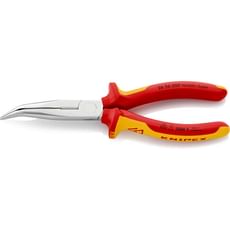
- VDE Insulated - Pliers manufactured to strict German VDE standards for electrical safety, individually tested to 10,000V and rated for use on circuits up to 1,000V AC or 1,500V DC. Essential for any electrical work on live circuits and a legal requirement under HSE guidelines for many professional applications.
- Long Reach / Extended Nose - Pliers featuring elongated jaws and handles that provide access to recessed areas, deep cavities, or components located behind obstructions. Particularly valuable for automotive work, HVAC installations, and industrial machinery maintenance where standard length tools cannot reach.
- Bent Snipe Nose - A variation featuring particularly fine, tapered jaws bent at an angle, combining the precision of snipe nose pliers with the access advantages of a bent design. Ideal for electronics work, jewellery making, and delicate component handling.
- Double Jointed - An advanced mechanism incorporating two pivot points that significantly increases reach and provides multiple angle options without repositioning your hand. Particularly valuable for awkward access situations common in site work and industrial maintenance.
- Side Cutting - Pliers that incorporate integrated cutting edges on the side of the jaws, allowing you to both grip and cut wire or cable without switching tools. A time-saving feature for electrical installations and electronics applications.
- Serrated Jaws - Textured gripping surfaces on the jaw faces that provide enhanced purchase on smooth materials, preventing components from slipping during manipulation and reducing the risk of damage to delicate parts.
Who Uses Bent Nose Pliers?
- Electricians and Electrical Contractors – manipulating wires in consumer units, installing downlights in ceiling voids, and working within confined back boxes and distribution boards
- Automotive Technicians and Mechanics – accessing hose clips, removing circlips, and reaching components deep within engine bays and undercarriage assemblies
- Electronics Engineers and Repair Technicians – handling delicate components on circuit boards, working within electronic enclosures, and assembling intricate electronic assemblies
- HVAC Engineers – working with control wiring, thermostats, and components in tight spaces behind boilers, air conditioning units, and ventilation systems
- Jewellers and Watchmakers – precision manipulation of small components, jump rings, findings, and delicate mechanisms at awkward angles
- Maintenance Engineers – accessing machine components, removing retaining clips, and undertaking general industrial maintenance tasks in confined machinery spaces
- Model Makers and Hobbyists – detailed craft work, miniature assembly, RC vehicle construction, and precision projects requiring fine control and delicate handling
- Telecommunications Engineers – working with network cables and components in data cabinets, wall-mounted installations, and telecommunications infrastructure
How to Choose the Right Bent Nose Pliers
Consider the Bend Angle: Bent nose pliers typically feature angles ranging from 40 to 90 degrees. A 40-degree bend, such as those found in Bosch Professional VDE models, offers a practical balance between access and control for general applications, whilst 90-degree variants provide maximum reach into parallel spaces and tight recesses. Consider the typical angles you'll be working at when selecting your tools.
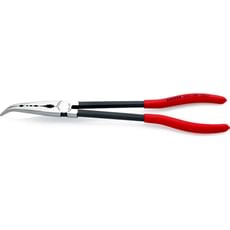
Determine Required Reach: Standard bent nose pliers suit most general applications, but if you regularly work in deep recesses or behind obstructions, long reach models like the Knipex 28 81 or Faithfull long reach variants provide extended access without compromising grip strength or jaw alignment. Assess the typical depth of cavities you encounter in your work.
Electrical Work Requirements: If you're working on electrical installations or maintenance, VDE-insulated models are absolutely essential. Brands like Bahco, Knipex, Bosch Professional, Facom, and ITL offer pliers certified to VDE standards, providing crucial protection when working on or near live circuits up to 1,000V—a requirement under HSE guidelines for professional electrical work on 240v and higher voltage systems.
Jaw Configuration: Consider whether you need fine snipe nose tips for precision work or half-round nose designs for bending wire and forming loops. If you frequently need to cut as well as grip, models with integrated side-cutting edges eliminate the need for carrying a separate tool, improving efficiency on site and reducing tool belt weight.
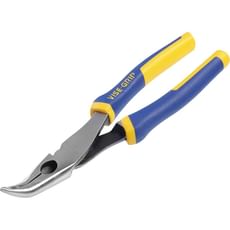
Handle Comfort and Grip: For extended use throughout the working day, ergonomic handles make a significant difference to comfort and reduce hand fatigue. The Bahco ERGO range and various soft-grip models from Draper and Blue Spot offer enhanced comfort whilst still providing secure grip even with oily or wet hands—common conditions on many job sites and workshop environments.
Size and Portability: Mini bent nose pliers are ideal for electronics work and detailed applications where full-size tools would be cumbersome and risk damaging adjacent components, whilst standard sizes suit general trade work. Consider what you'll typically carry in your tool bag or pouch when making your selection.
Build Quality and Brand: Professional tradespeople should invest in reputable brands like Knipex, Bahco, Vise-Grip, or Facom which offer superior materials, precise manufacturing tolerances, and extended service life. Whilst budget options from Draper or Blue Spot suit occasional DIY use, daily professional use demands the durability and reliability of premium tools that won't fail mid-task.
Popular Accessories
- Tool Pouches and Belts – keep your bent nose pliers readily accessible on site with dedicated tool storage from Snickers, Stanley, or DeWalt
- Plier Sets – complement your bent nose pliers with straight nose, combination, and cutting variants from brands like Knipex and Bahco for complete coverage of gripping and cutting tasks
- VDE Screwdriver Sets – essential companions for electrical work, ensuring all your tools meet insulation standards when working on or near live circuits
- Wire Strippers and Cutters – complementary tools for electrical and electronics applications, streamlining cable preparation and termination work
- Tool Organisers and Cases – protect your investment with foam inserts or hard cases from DeWalt TSTAK, Milwaukee PACKOUT, or Makita MakPac modular storage systems
- Circlip Sets – if you're using bent nose pliers for circlip removal and installation, dedicated sets provide the correct sizes for your specific applications
- Electrical Tape and Cable Ties – essential consumables for electrical installations, cable management, and temporary securing of components
- Contact Cleaner and Lubricants – maintain plier pivot points and jaw surfaces for smooth operation and extended tool life
Safety Information
Electrical Work: When working on or near live electrical circuits, always use VDE-insulated tools rated for the voltage you'll encounter. Standard pliers without proper insulation offer no protection against electric shock and must never be used on live 240v or higher voltage systems. Under HSE regulations, appropriate insulated tools are mandatory for professional electrical work. Always verify your tools are undamaged before use—cracks, cuts, or scoring in insulation compromise protection and the tool must be withdrawn from service immediately.
Eye Protection: When cutting wire or working with spring-loaded components such as circlips, always wear appropriate safety glasses or goggles to protect against flying debris and sharp ends. This is particularly important when using pliers with side-cutting capabilities where wire ends can become projectiles.
Proper Use: Never use pliers as a hammer, pry bar, or leverage tool beyond their design limits. Bent nose pliers are precision instruments designed for gripping and manipulation—excessive force can damage the jaws, misalign the tips, or break the pivot mechanism. For heavy-duty gripping, twisting, or leverage work, use appropriate combination pliers, adjustable wrenches, or purpose-designed tools instead.
Hand Protection: When working with sharp components or in environments with cut hazards, wear suitable work gloves from brands like Portwest or Scruffs. However, for precision electrical work and delicate assembly tasks, bare hands often provide better dexterity and tactile feedback—assess the specific risks of your task and choose appropriate protection.
Maintenance: Regularly inspect pliers for worn or damaged jaws, loose pivot points, and handle deterioration. Keep pivot points lightly oiled with general-purpose tool oil for smooth operation. On insulated models, inspect the insulation layer regularly for any damage which would compromise electrical safety—damaged insulation cannot be repaired and the tool must be replaced.
Frequently Asked Questions
What's the difference between bent nose and straight nose pliers?
Bent nose pliers feature jaws angled at typically 40-90 degrees from the handle axis, allowing access to confined spaces and awkward angles where straight pliers cannot reach. Straight nose pliers excel at direct access applications but cannot work effectively around obstructions or in recessed areas. Many professionals carry both types in their tool kit to cover all access situations encountered on site.
Can I use regular pliers for electrical work instead of VDE-insulated ones?
Absolutely not for live work on 240v or higher voltage systems. Standard pliers provide no electrical insulation and using them on live circuits risks serious electric shock or electrocution. VDE-insulated pliers are individually tested to strict safety standards and are a legal requirement under HSE guidelines for professional electrical work on circuits up to 1,000V. For dead circuits with proper isolation and lock-off procedures, standard pliers are acceptable, but insulated tools provide an additional safety margin against accidental contact.
How do I know what bend angle I need?
Consider the typical access angles in your work. A 40-45 degree bend suits most general applications including electrical work in consumer units, automotive work in engine bays, and general maintenance tasks. Steeper angles around 60-90 degrees excel when working parallel to surfaces or in very tight recesses where your hand cannot approach directly. If you're unsure, a 40-45 degree model offers the most versatile compromise between access capability and control.
Are long reach bent nose pliers worth the extra cost?
For tradespeople regularly working in deep cavities—such as automotive technicians accessing components behind dashboards, HVAC engineers working in tight plant rooms, or industrial maintenance staff servicing machinery—long reach variants are invaluable time-savers that quickly justify their cost. For general DIY or occasional use, standard length pliers typically suffice. Consider purchasing a long reach set if you find yourself frequently struggling to access components with standard tools or having to partially dismantle assemblies just to reach simple fixings.
How do I maintain my bent nose pliers?
Keep pivot points lightly lubricated with general-purpose tool oil—a single drop every few months maintains smooth action and prevents corrosion. Wipe jaws clean after use, especially if exposed to adhesives, sealants, or other contaminants that might harden. Store in a dry location to prevent rust formation on cutting edges and jaw surfaces. For insulated models, regularly inspect the insulation layer for any cuts, cracks, abrasion, or damage—compromised insulation must result in immediate tool replacement as it cannot be safely repaired and invalidates the safety certification.